
A commercial styling chair should be selected as part of a working station, not as an isolated piece of furniture. The chair affects client entry, stylist posture, mirror alignment, service reach, cleaning access, circulation and the number of usable stations on the floor. A model that looks appropriate in a catalog can still be a poor fit if its working envelope, adjustment method or maintenance plan conflicts with the salon layout.
We supply professional salon and barber seating in dedicated styling and multipurpose configurations. For a reliable B2B purchase, buyers should connect the service menu and floor plan to chair dimensions, upholstery expectations, base and pump verification, sample approval, packing and spare-part documentation. Unconfirmed specifications should be requested from the supplier rather than inferred from photographs.
Define the Service Mix and Station Workflow
List the services expected at each station: cutting, styling, coloring, grooming, beard work or a broader multipurpose routine. Note the average appointment length, cleaning method and whether the same chair must serve clients with widely different body sizes or mobility needs. This use profile guides the required back support, arm access, adjustment range and ease of entry.
Observe how the operator moves. A stylist needs access around the head and shoulders without repeatedly twisting or reaching across a wide armrest. The chair must rotate or remain stable as intended, while the foot area should not block the operator's stance. For coloring services, surfaces and seams should be evaluated against the salon's real cleaning products and procedures during sample review.
Separate styling chairs from task-specific reclining or electric equipment already covered elsewhere in the purchasing plan. A commercial styling-chair program can include visually related seating, but every model should be assigned to an actual service role. This avoids paying for adjustment features that a station does not use or placing a basic model in a workflow that needs a different chair category.
| Planning input | Why it changes chair selection | Evidence to supply |
|---|---|---|
| Service menu | Defines access, posture and adjustment needs | Service list and typical appointment workflow |
| Station layout | Controls spacing, rotation and circulation | Scaled plan with mirrors, storage and aisles |
| Client range | Affects entry, support and working height | Target client profiles and accessibility needs |
| Cleaning routine | Influences upholstery, seams and access below the seat | Cleaner list, frequency and stain risks |
Confirm Dimensions Through a Working Envelope
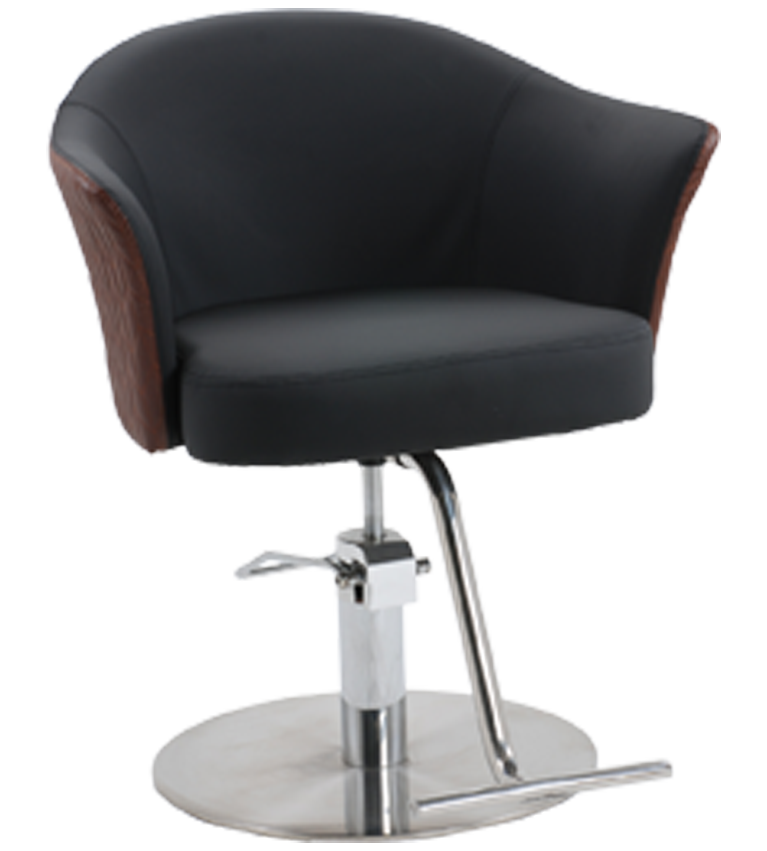
Overall width is only the beginning. Buyers need the seat width, arm-to-arm dimension, base footprint, backrest depth, lowest and highest working positions and the envelope created when the chair rotates. These values should come from the current supplier drawing for the exact model and base combination. A generic drawing from a similar chair is not sufficient for floor planning.
Place the chair envelope on the scaled plan with the mirror, tool trolley, wash area, power points and client path. Test the space at the lowest, highest and rotated positions. If a multipurpose model reclines or changes orientation, include its maximum operating envelope. Clearance that works when every chair faces forward may disappear during normal service.
Working height must suit both client and operator. A taller base is not automatically better; it may make entry difficult or lift shorter clients beyond a comfortable mirror relationship. During sample review, test several staff and client profiles and record the operating position rather than relying on one person's impression.
| Dimension to verify | Planning use | Common oversight |
|---|---|---|
| Base footprint | Anchoring, stability and cleaning clearance | Using seat width as the floor footprint |
| Overall operating width | Station spacing and operator movement | Ignoring armrests and rotation |
| Lowest and highest seat position | Entry and stylist posture | Checking only one nominal height |
| Reclined or extended envelope | Multipurpose service clearance | Planning with the chair upright only |
Evaluate Client Support and Operator Access Together
Seat depth, cushion profile, armrest position and backrest shape affect how clients settle into the chair. The goal is stable support without forcing a posture that makes styling access difficult. A deep seat may suit some clients but leave others unsupported at the back. Armrests should assist entry and comfort without widening the operator's reach unnecessarily.
Head and shoulder access is particularly important for cutting and color work. Review the upper backrest shape and the space around the client rather than judging comfort from cushion thickness alone. Upholstery compression after repeated use should be part of sample observation, while the supplier should identify the materials used in the production configuration.
A commercial salon chair also needs a predictable entry path. Check whether the client can approach safely when the chair is at its lowest position, whether the foot area creates a trip point and whether staff can stabilize or rotate the chair as required. Accessibility needs should be incorporated into the salon's overall service plan and not assumed to be solved by one chair model.
Specify Upholstery and Cleaning Requirements
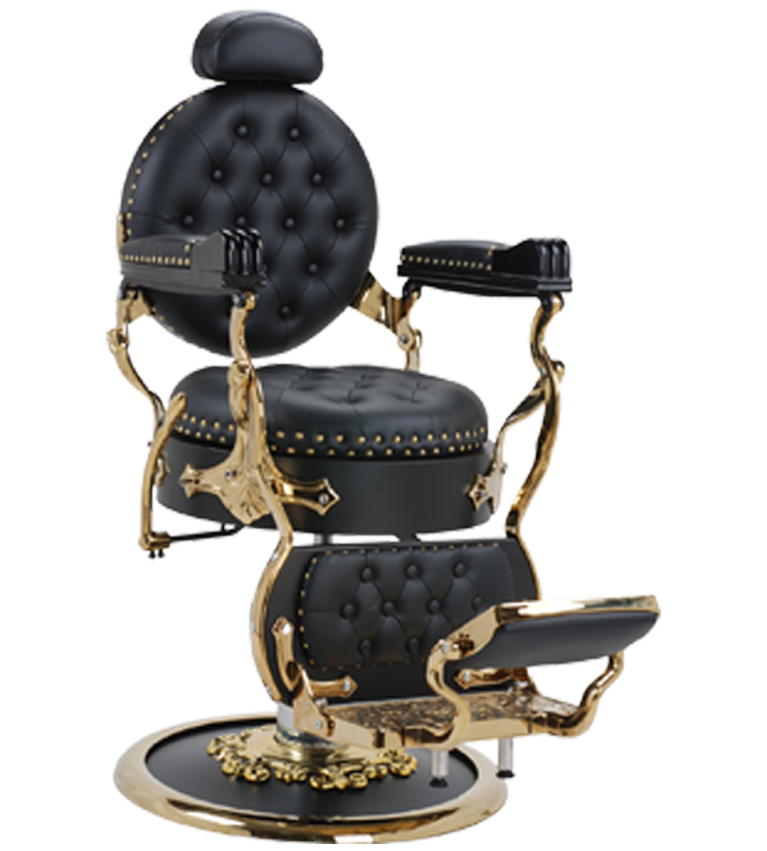
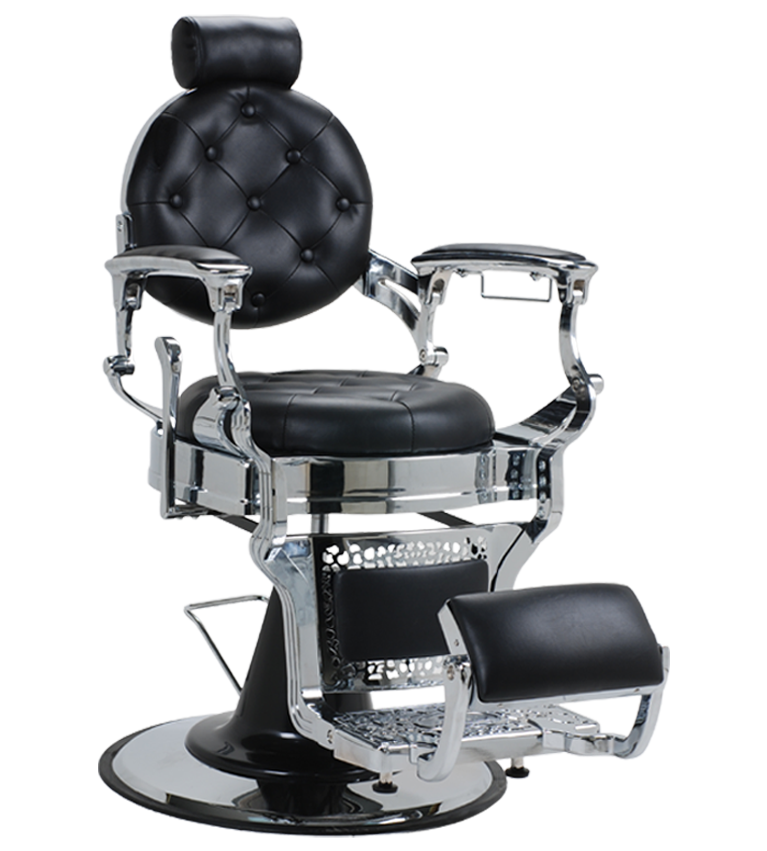
Upholstery selection should be documented by the supplier for the actual order. Ask for material designation, color reference, texture, backing construction and cleaning guidance. Do not assume that two visually similar black surfaces have the same coating, feel or response to salon chemicals. A physical swatch and a finished sample provide stronger approval evidence than a screen image.
Inspect seams, piping, corners, joins around armrests and the lower seat area where cut hair and product residue can collect. The cleaning team should be able to reach routine soil without dismantling the chair. If the salon uses disinfectants, color products or other chemicals, test the proposed cleaning method on the approved swatch according to the supplier's instructions before confirming the finish.
Color consistency matters across a multi-chair order. Keep an approved swatch or master sample and define how normal shade variation will be assessed. For custom colors, confirm which parts are included—seat upholstery, back, arm pads, stitching or trim—so the quotation and sample cover the same configuration.
Verify the Base, Pump and Moving Functions
The base and height-adjustment system should be treated as specified components. Request the exact base type, footprint, surface finish, pump model or reference, operating method and maintenance instructions for the proposed chair. If different bases can be combined with the same seat, each combination needs its own verified dimensions and stability review.
During sample approval, operate the height adjustment repeatedly with a representative load and observe lift, hold and descent. Check for unexpected movement, noise, leakage, pedal interference and changes in stability at the highest working position. Rotate the chair through the intended range and confirm any lock or directional function described by the supplier. Record the sample component references so production does not substitute an unapproved pump or base.
A maintenance plan should identify routine inspection points, cleaning restrictions, accessible fasteners and replaceable components. Ask the supplier which parts are available separately and how they are identified. A statement that spares are available is less useful than a list tied to the chair model and production revision.
| Sample test | Observe | Record |
|---|---|---|
| Height cycling | Lift, hold, descent and pedal access | Load condition, positions and anomalies |
| Rotation and lock | Smooth movement and intended restraint | Function at multiple heights |
| Stability | Base contact and movement during entry or work | Floor condition and test setup |
| Upholstery cleaning | Color, texture, seams and residue | Cleaner, method and approved result |
Plan Quantity, Spacing and Delivery as One Project
Chair quantity should follow the number of productive stations, service mix, peak staffing and maintenance allowance. More chairs do not create more capacity if the floor lacks adequate circulation, mirrors, storage or operators. Build a station schedule and test the plan with scaled chair envelopes before placing the order.
Spacing should account for active service, not just parked furniture. Include the operator, client entry, trolley movement and nearby chairs at their working positions. Review emergency and accessibility routes with the responsible project professionals. Local requirements and site conditions must govern the final layout.
Delivery planning affects product condition. Request a packing list by model and configuration, package dimensions and weights, assembly responsibilities and a receiving inspection method. On arrival, match labels to the purchase order, inspect cartons before opening and photograph any transit damage. Do not discard packaging until the chair configuration and condition are confirmed.
Control the Sample, Production Reference and Incoming Inspection
A chair sample should represent the intended production combination, including the seat, base, pump, upholstery color, stitching and visible trim. Record the model and component references on the approval sheet. If the supplier uses an existing showroom sample with different parts, list every difference and require the final production configuration to be confirmed before the bulk order is released.
Photographs are useful records but should not replace a physical color or upholstery reference when appearance is important. Keep swatches, finish samples and signed drawings under revision control. Approval comments should be measurable where possible: identify a seam location, function, dimension or visible surface rather than asking for the chair to feel “more premium.”
Before shipment, the inspection plan can check model identity, quantity, upholstery and color, base and pump configuration, visible workmanship, adjustment functions and packing labels. Sampling level and acceptance criteria should be agreed by the buyer and supplier for the actual order. Functional checks should follow the same operating method used during sample approval so results remain comparable.
Incoming inspection should verify carton condition first, then compare each opened unit with the approved record. Confirm that required hardware and instructions are present and that moving functions operate after assembly. Quarantine damaged or mismatched units without mixing components between chairs, because swapping an unrecorded base, pump or trim part can break configuration traceability.
For phased projects, retain the same configuration record across deliveries and ask the supplier to flag any component change before production. A later batch that looks similar may use a different finish or moving component. Change approval protects visual consistency, spare-part planning and the maintenance team's ability to identify the chair correctly.
Use Multipurpose Models Only Where the Workflow Needs Them
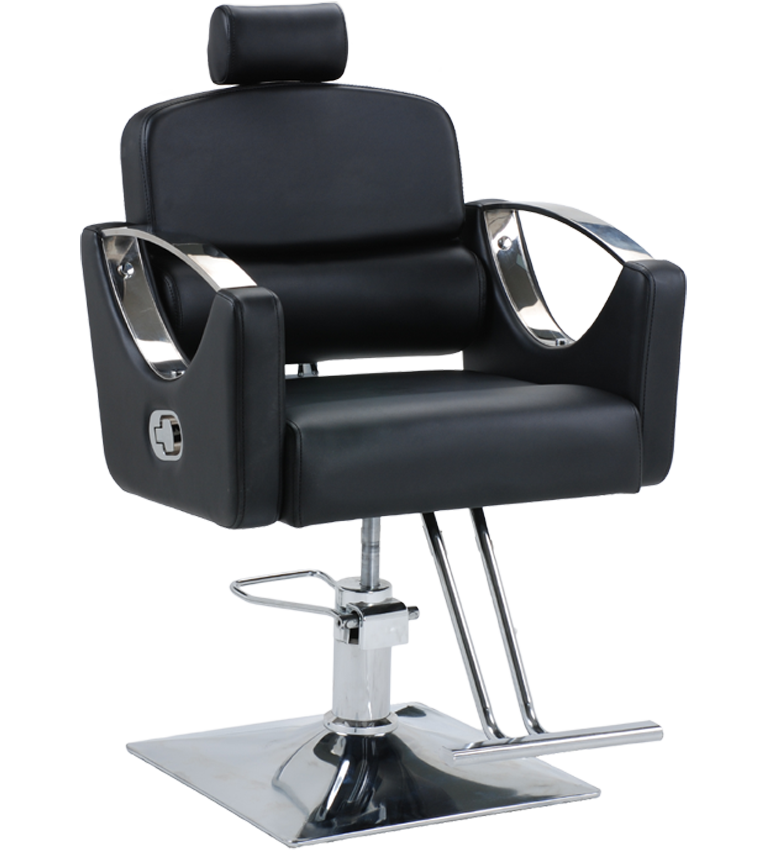
A multipurpose chair can support a broader service mix, but it usually has a larger operating envelope and more functions to verify. Assign it to stations where those functions are used frequently enough to justify the space, training and maintenance. A dedicated styling chair may remain the clearer choice for high-throughput cutting and styling stations.
Compare the two categories using the same plan: occupied dimensions, operator reach, lowest and highest positions, cleaning access, function checks and spare parts. This prevents a feature list from replacing an operational assessment.
Prepare a Comparable B2B RFQ
Provide the floor plan, station count, service menu, target client range, required chair functions, upholstery and color direction, preferred base configuration, delivery location and installation responsibilities. Ask for model-specific drawings, component references, cleaning instructions, packing data, spare-part list and sample terms. If customization is requested, mark every customized element and require it to appear in the approval sample.
Use one comparison sheet across suppliers. Separate confirmed specifications from options and assumptions. A quotation should identify the chair model, base, pump, upholstery, color, quantity, packing and documentation included. Do not accept a mixed model number or image as a complete specification.
We can review Styling Chair 8135 and the verified professional chair models shown above against a project layout and service plan. A model-specific sample and documented operating checks provide a stronger basis for order release than appearance alone.









