
Commercial Styling Chair Hydraulic Pump Inspection and Acceptance
Quick Answer: Accept a styling chair hydraulic pump only as part of the exact chair–pump–base configuration ordered. Verify identity, interfaces, controlled lift and release, holding behavior, pedal clearance, stability, sampling and packing. Do not approve unsupported numerical or compliance claims because a chair rises once. Use a documented sample and repeatable inspection sequence.
Define the approved configuration and RFQ
A styling chair hydraulic pump must be accepted as part of the complete chair rather than as an isolated catalog component. The seat frame, pump, pedal, column, base and footrest interact throughout normal height changes and salon work. A short demonstration cannot prove that interfaces, holding behavior, clearance and stability remain suitable for the ordered configuration. Procurement should therefore create a separate evidence gate before a sample or shipment is released.
The approved record should identify the chair model, seat-frame connection, pump reference, base type, pedal design and fastening arrangement. Photographs can support this identity but should not replace controlled references when current documents are available. Every inspector must be able to recognize the same configuration without relying on memory or superficial similarity. This control prevents an unreviewed substitute from entering production simply because it fits the visible opening.
Orientation also belongs in the configuration because pedal position, footrest direction, chair front and base alignment affect practical use. A mechanism can move correctly while the control sits behind an obstruction or the footrest conflicts with rotation. An underside view and a complete-chair reference image make the intended relationship easy to reproduce. Installers can then place multiple chairs consistently across a planned salon floor.
Any proposed change to pump, bracket, fastener, spacer, base or protective pad should be reviewed before use. A replacement may fit mechanically while changing clearance, service access, movement or complete-chair geometry. The supplier should identify what changed and repeat every acceptance check influenced by that change. Only documented compatibility should move a revised configuration into bulk production.
The RFQ should state models, quantities, commercial setting, destination, packing mode and the buyer’s inspection expectations. It should request identification of the hydraulic configuration and the installation or service records normally supplied. Clear input lets the factory prepare the intended sample instead of choosing a convenient variant. Project requirements become more expensive to correct after pricing, materials and production have been fixed.
Evidence requests should remain specific to the exact order and practical for factory inspection. Useful views include the mounting interface, column, pedal, base connection, underside hardware, complete chair and packed condition. A functional record should show the agreed test sequence on the identifiable sample without unsupported numbers. Unrelated catalog images cannot replace evidence from the chair being approved.
Published product pages can confirm active models but not every project dimension, load, cycle, tolerance or compliance claim. Those details need current support for the exact configuration and destination before they become purchase requirements. An unsupported value should remain an open point rather than being converted into confident marketing language. The supplier file should clearly separate verified facts from buyer-defined acceptance decisions.
| Evidence | Identity | Decision use |
|---|---|---|
| Configuration record | Chair, pump, base and hardware | Prevents substitution |
| Interface views | Plate, column and underside | Supports comparison |
| Functional record | Lift, hold and release | Repeatable acceptance |
Inspect components and interfaces
Incoming inspection starts with identity and condition of the pump, base, pedal, brackets, fasteners and protective parts. Components should be free from visible impact damage, corrosion, contamination and distorted interfaces. Controlled part references should be checked where available without inventing identity from appearance alone. Uncertain components should be quarantined until their relationship to the approved chair is confirmed.
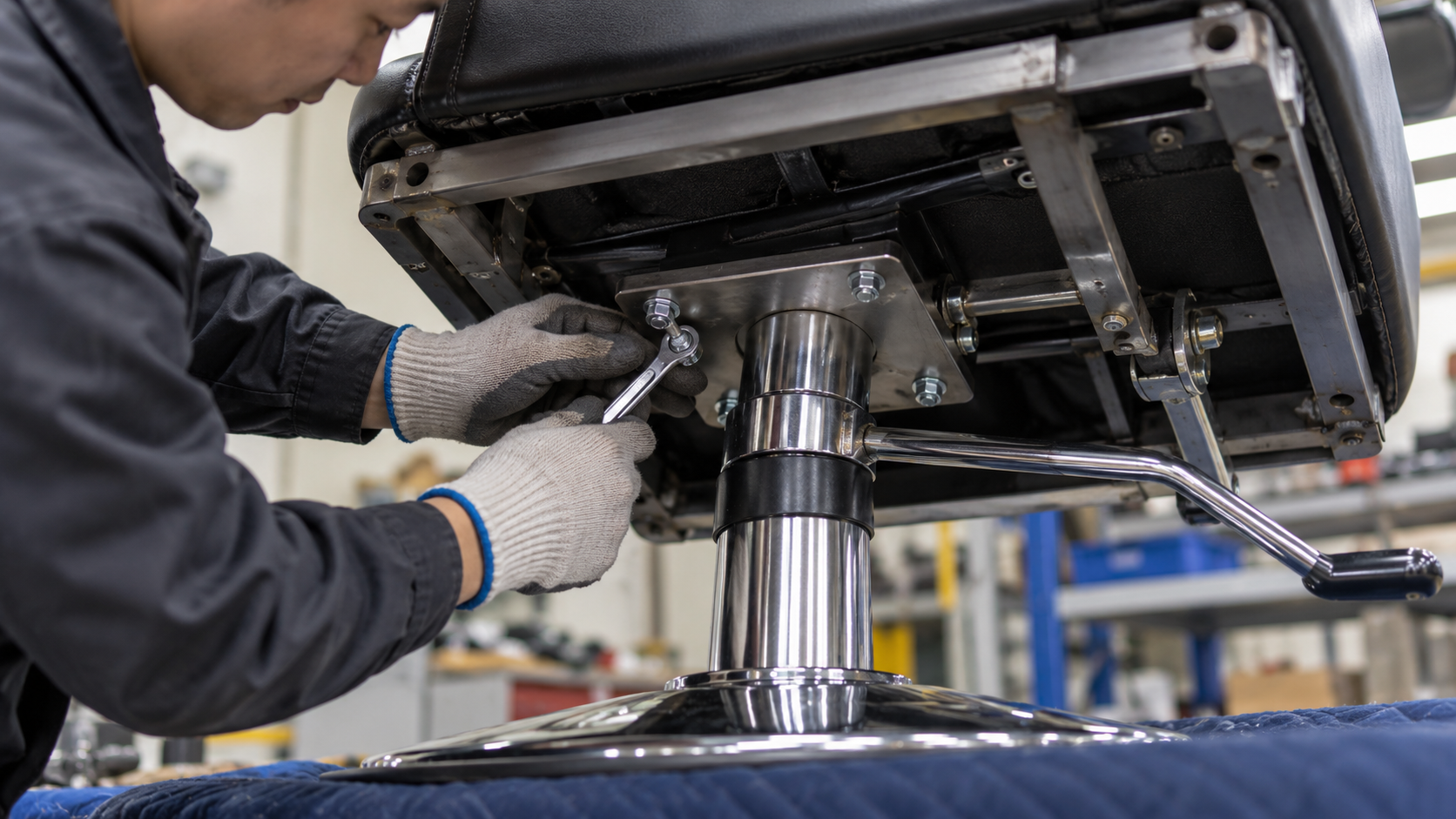
Mounting faces need attention for burrs, damaged threads, bent plates, debris and coating buildup that prevents full contact. Fasteners, washers and locking features should match the controlled assembly and remain accessible for installation. A clean component check is faster than diagnosing an unstable finished chair after trim hides the interface. Observed rework must be reviewed and reinspected before functional testing.
The seat-frame connection transfers operating forces into the hydraulic column and deserves a close visual inspection. The plate should seat fully, holes should align without forced correction and hardware should install with proper access. Spacers, sleeves, slots and brackets must remain in the approved order and orientation. Misalignment should be corrected at its source rather than pulled together by overtightening.
Clearance must be observed through slow normal movement from several viewing angles. Pedal linkage, column, swivel parts, upholstery underside and footrest structure should not rub, pinch or strike. Covers and ties must not obstruct release action or create a hidden snag point. This deliberate check often reveals interference that a rapid showroom demonstration misses.
Functional testing should follow one documented sequence for every approved sample and selected production unit. Place the chair on a clean suitable reference surface with all approved base contacts installed. Operate lift and release controls gradually while observing movement, sound, alignment and floor contact. The sequence should cover practical low, working and raised conditions without inventing an unsupported travel value.
Test movement, control and holding behavior
Smooth controlled movement matters to both client confidence and stylist control. The chair should rise by the supplied operating method and lower predictably when release is applied. Sticking, delayed response, abrupt drop, unusual noise or awkward control action should be described precisely. A repeatable symptom record is more useful than a vague result such as good.
Holding behavior should be observed at defined checkpoints with an approved safe setup. Inspectors should watch for unintended settling, rotation, tilt or changing floor contact after positioning. Representative loading must follow the agreed method instead of using improvised people or unsafe weights. When load or observation time is unspecified, both parties should agree it before treating the test as conclusive.
The pedal is the stylist’s direct control interface and should be reachable from the intended working side. Its path must avoid the base, footrest, cabinetry and an unstable operator posture. The control should return normally after use and remain free of sharp edges, excessive looseness and interference. An ambiguous release action belongs in the defect record rather than being dismissed as preference.
Control response should remain reasonably consistent across repeated operations under the same setup. A large difference between sample and batch unit can indicate assembly variation, contamination or component trouble. The inspector should identify the affected unit and symptom without assigning unsupported force or pressure values. Consistent comparison helps the factory investigate the correct mechanical stage.
Check complete-chair stability
Hydraulic performance cannot be accepted separately from complete-chair stability. Seat, frame, backrest, armrests, footrest, pump, column and base create a changing center of load. Inspectors should check floor contact and unintended rocking at the defined height conditions. A smooth pump cannot compensate for an incorrectly fitted base or misaligned frame.
Rotation should be assessed when the chair is designed to swivel during salon work. Movement should remain controlled without scraping, interference or changing base contact. The complete operating envelope must also fit mirrors, cabinets, neighboring stations and circulation paths. Factory acceptance and scaled salon planning answer different questions and both remain necessary.
Visible level condition affects mechanical function and perceived product quality. A tilted seat can indicate an interface, frame, base or reference-floor problem even when components look undamaged. The seat, column and base should be reviewed together on a suitable surface. Installation teams must separately identify tile joints, slopes and resilient flooring that can mimic factory misalignment.
Control sample and batch evidence
A golden sample is useful only when its configuration and acceptance record are preserved. Identity, interfaces, hydraulic behavior, finish, packing and agreed deviations should remain connected to the approval. Production units can then be compared against evidence instead of a memory of the showroom sample. Any later sample modification requires documented review and repetition of affected checks.
The batch plan should define universal checks, sampled checks, unit selection and response to failure. Wrong configuration, leakage, instability or missing retention hardware may require wider containment than a cosmetic defect. These rules should be agreed before inspection starts rather than negotiated after a failure. Risk-based sampling makes the release decision consistent across orders.
Traceability should connect each finding to a unit, carton, pallet position or another controlled reference. Photographs should show the relevant chair and condition without exposing unrelated customer information. Clear identity prevents one isolated observation from being mistaken for the entire production lot. Traceable evidence also makes corrective action and reinspection faster.
A failure should trigger containment before repair or release decisions are made. The supplier should identify potentially affected units, review the cause and propose an appropriate corrective action. Reworked chairs need repetition of every acceptance step influenced by the defect. Closing the issue requires evidence from the corrected configuration rather than a verbal assurance.
Inspection records should distinguish not checked from passed because those states carry different commercial meaning. A blank box or missing photograph cannot demonstrate that an interface or function was acceptable. Reviewers should sign or otherwise identify responsibility for the decision using the buyer’s normal system. This clarity prevents an incomplete inspection from becoming a false release.
| Stage | Checks | Evidence | Failure response |
|---|---|---|---|
| Approved sample | Identity, interfaces, movement | Witnessed record | Correct before bulk |
| Finished batch | Cycle, hold, clearance | Traceable results | Contain and recheck |
| Packed shipment | Restraint and protection | Packed-sample views | Revise before shipment |

Active styling-chair configurations
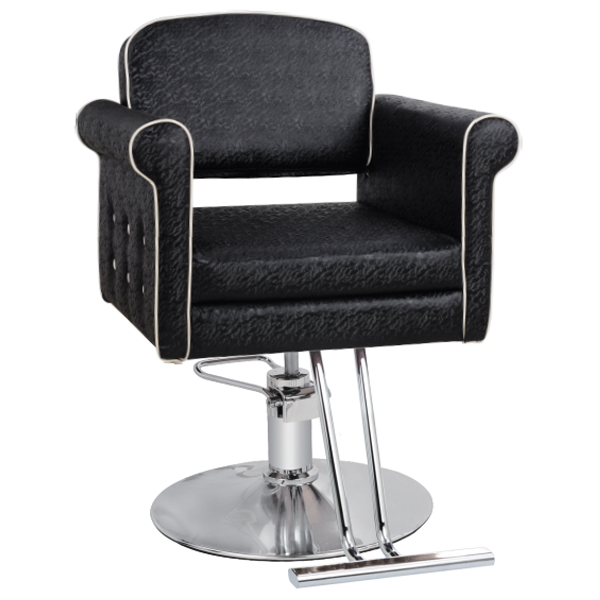
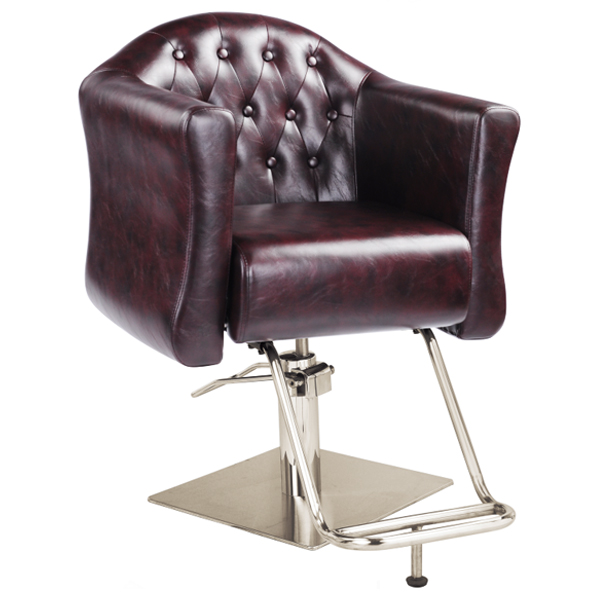
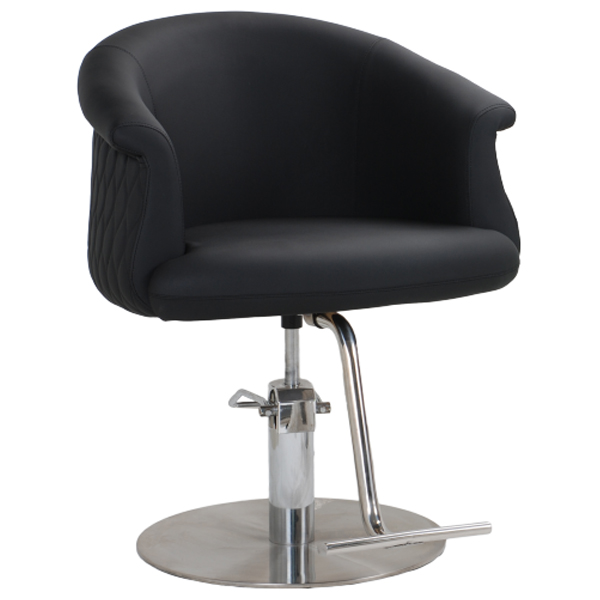
Our active catalog offers several styling-chair configurations for commercial project review. The product pages confirm model identity and current availability while exact pump details, dimensions, finishes, packing and acceptance evidence require order-specific confirmation. These references do not imply that every chair uses an identical hydraulic assembly. Buyers should submit quantity, application, destination and inspection expectations for configuration review.
Plan installation and service
Acceptance continues at the salon because transport and installation can change the delivered condition. Installers should inspect cartons, bases, pedals, columns, upholstery and hardware before following the exact assembly sequence. Unapproved fasteners, lubricants, spacers or tools should not be substituted for convenience. After assembly, movement, holding, clearance, floor contact and orientation checks should be repeated.
Workstation clearance should be checked with the chair at practical positions rather than only at installation height. The backrest, armrests, footrest, pedal and client zone must avoid cabinets, mirrors and neighboring chairs. Rotation and stylist access should remain workable without moving the base after every service. A scaled plan plus one installed sample reduces expensive layout corrections.
Service planning should begin before a chair fails or a replacement component is needed. The buyer needs a method to identify the chair and hydraulic configuration, describe symptoms and request compatible parts. A similar-looking spare should not be installed until interfaces and complete-chair compatibility are confirmed. Keeping the order record with the salon asset register reduces later guesswork.
Cleaning and daily observation should protect the pump column and surrounding interfaces. Staff should avoid flooding the mechanism, forcing debris into joints or applying unapproved chemicals near finishes. Leakage, looseness, new rocking or abnormal movement should be reported early and an unsafe chair removed from use. Routine observation cannot replace technical service but can prevent a small symptom becoming a larger disruption.
Protect the hydraulic assembly during export
Packing must restrain heavy components and isolate every vulnerable surface during export handling. Seat, base, pump and accessories may use separate protected positions or an approved partial assembly. Nothing should move freely against upholstery, coated metal, pedal linkages or the hydraulic column. Protection must remain stable without transferring adhesive, moisture or abrasion.
The pump or pedal must never become an unintended support point inside the carton. Loose hardware should be bagged and identified for the correct chair while component orientation follows the packing design. A packed-sample review exposes pressure points, empty spaces, weak restraints and confusing placement. Receiving teams benefit from clear photographs of the approved packed condition.
Arrival inspection should distinguish transport damage from a manufacturing condition before assembly begins. Buyers should document the carton exterior, internal protection, component position and visible damage. Bent pedals, leakage, distorted bases or damaged interfaces require quarantine and traceable reporting. Good evidence helps the supplier, carrier and buyer investigate the correct stage.
Make the release decision auditable
Final release should combine identity, visual checks, interfaces, cycles, stability, packing and required documents. Each result should be recorded as pass, fail, conditional or not checked with a reason and reviewer. Open points need named owners and deadlines instead of disappearing into informal messages. A shipment is not fully accepted when a critical check was skipped or cannot be tied to the configuration.
Corrective action should address cause and affected scope rather than only the visible symptom. One loose fastener may be repaired while the wider assembly method, component lot, tool control or training still needs review. Reworked units require repetition of every acceptance step influenced by the defect. Shipment status should change only after evidence matches the agreed closure requirement.
A disciplined acceptance file improves future purchasing, maintenance and replacement decisions. Product development, quality, service and procurement gain a shared reference for comparing samples and suppliers. The record should be concise enough for factory use while preserving the evidence behind a commercial decision. Senkelly can confirm available configurations, but buyers should approve only supported facts and tests for the exact order.
The buyer’s final report should also state any limitation that prevented independent verification. For example, an unobserved load test or unavailable component document should remain explicitly open. This prevents later readers from assuming that absence of a defect note equals a completed test. Transparent limitations make the record more reliable and guide the next corrective action.
The same framework can be reused for later orders when the approved configuration has not changed. However, current production, packing and batch evidence still need review because an old approval cannot prove a new shipment. A controlled reference shortens inspection without eliminating it. That balance supports efficient procurement while preserving quality accountability.
Deepen leakage, repeatability and receiving checks
Leakage observation should cover the visible column, seals, joints, base area and protective packaging before and after controlled movement. Inspectors should distinguish hydraulic fluid from cleaning residue, assembly lubricant or moisture instead of assuming every mark has the same cause. A suspected leak requires the unit to be identified, isolated and photographed from useful angles before surfaces are wiped. The supplier should confirm the investigation method and closure evidence appropriate to the exact pump configuration.
A dry appearance at first inspection does not complete the leakage check because movement and holding can reveal a developing condition. The accepted sequence should therefore include another visual review after the chair has been cycled and allowed to remain positioned. Packaging material beneath or around the column can also preserve evidence that might otherwise be missed during unpacking. Any unexplained residue should remain an open finding until its source is understood and documented.
Repeatability matters because a single successful cycle may hide intermittent sticking, delayed release or inconsistent holding. The same operator should use the documented control method while another reviewer observes alignment, sound and floor contact when practical. Results should be compared with the approved sample and with other units selected from the same batch. A recurring difference provides stronger diagnostic evidence than an isolated comment made without a common setup.
The inspection record should describe the order of actions clearly enough for another qualified reviewer to repeat them. It should identify starting position, control action, observation points, unit reference and any safe representative loading method that was agreed. Video can supplement the written record when movement or sound is important, but it should show the identifiable chair continuously. Edited clips that omit setup or unit identity should not become the sole evidence for release.
Receiving teams need an unpacking sequence that protects both the chair and the evidence needed for a claim. They should photograph external damage, open the carton without cutting upholstery or hoses, and retain displaced protection until inspection is complete. Heavy bases and pumps should be lifted with suitable assistance rather than pulled by the pedal or column. This method reduces new handling damage that could be confused with a factory or carrier defect.
Hardware counts and component matching should be completed before installation begins at the destination. Missing bags, mixed model parts, wrong bases or damaged fasteners should be reported against the carton reference before local substitutes are used. Temporary assembly with unrelated hardware can alter alignment, clearance and later warranty discussions. A controlled shortage report gives the supplier a clearer route to send the correct replacement.
Close the RFQ, service and release records
The RFQ closeout should list every technical point that remained conditional during quotation and sample approval. Examples may include order-specific pump identity, interface drawing, packing arrangement, service parts or a buyer-defined witnessed test. Each point should show whether it was confirmed, revised, rejected or carried as an approved exception. This closeout prevents an unanswered pre-order question from silently becoming an assumed production requirement.
Purchase orders and inspection instructions should use the same configuration wording as the approved record. Different nicknames for pumps, bases or chair variants can create ambiguity between sales, production, quality and receiving teams. Where translation is needed, a reference photograph and model identifier can support the agreed terminology. Consistent language reduces the risk that a correct inspection is performed on the wrong variant.
Service diagnostics should start with the symptom, chair identity, installation condition and recent changes rather than immediate disassembly. Useful observations include whether the chair rises, holds, lowers, rotates, rocks, leaks or makes an unusual sound under the approved operating method. Photographs should show the full chair and the relevant interface instead of only an extreme close-up with no context. This information helps the supplier distinguish a pump concern from a base, pedal, frame, floor or assembly issue.
Replacement planning should consider whether one chair must match a larger installed fleet. Working-height relationship, pedal orientation, base footprint, upholstery envelope and service procedure may affect consistency even when a pump physically fits. A controlled trial on one identified chair can verify the proposed replacement before the remaining units are changed. The result should update the asset and configuration record so future service does not repeat the same uncertainty.
The final checklist should be short enough to use but detailed enough to prevent a cosmetic review from replacing technical acceptance. It should cover identity, condition, interfaces, hardware, clearance, lift, hold, release, pedal, stability, floor contact, packing and required documents. Every line needs an observable result or a clear reference to supporting evidence. A concise checklist backed by photographs and records is stronger than a long form filled with generic pass marks.
Release authority should be defined before inspection so the factory team knows who may accept deviations or require containment. Minor appearance issues and configuration-critical defects should not follow the same approval path by default. The reviewer should consider safety, function, fleet consistency, serviceability, packing and customer requirements together. Documented authority prevents production pressure from turning an unresolved technical issue into an informal shipment decision.
Retention of the approved records should follow the buyer’s normal quality system. Photographs, sample references, deviations and corrective actions need enough context to remain useful after staff changes. Access should be controlled without making routine service information impossible to find. A complete archive supports repeat orders while preserving the evidence behind the original decision.
Frequently Asked Questions
What should be checked on a styling chair hydraulic pump?
Confirm the approved configuration, interfaces, hardware, pedal clearance, controlled lift and release, holding behavior, floor contact, stability, packing and traceable evidence.
Is one up-and-down demonstration enough?
No. Acceptance also needs identity, interfaces, repeated movement, holding, release response, interference, stability and floor-contact checks.
Are styling chair pumps interchangeable?
Not without evidence because mounting plates, column geometry, controls and service interfaces may differ.
What belongs in the RFQ?
Request configuration identity, interfaces, supported operating information, sample evidence, packing and acceptance method.
How should a bulk shipment be sampled?
Agree universal and sampled checks, selection method and containment after a failure.
What should be checked after installation?
Repeat movement, holding, release, clearance, orientation, floor-contact and stability checks.
- Define the approved configuration and RFQ
- Inspect components and interfaces
- Test movement, control and holding behavior
- Check complete-chair stability
- Control sample and batch evidence
- Active styling-chair configurations
- Styling Chair 8819
- Styling Chair 8832
- Styling Chair 8132
- Plan installation and service
- Protect the hydraulic assembly during export
- Make the release decision auditable
- Deepen leakage, repeatability and receiving checks
- Close the RFQ, service and release records
- Frequently Asked Questions

Styling Chair 8135

Hair Wash Station 2398

Electrical Barber Chair 8085

Hair washing bed 2378

Hair Wash Station 2392-B





Discuss Your Project with Expert Salon Furniture Manufacturers
Tell us what you need — we’ll get back to you with a fast quote and personalized OEM/ODM support.