
Multipurpose Barber Chairs for Professional Salons: B2B Configuration and Sourcing
Quick Answer
For B2B salon projects, select a multipurpose barber chair by matching the exact model to the service workflow, installed operating envelope, adjustment needs, upholstery care, sample approval and after-sales plan. The label “multipurpose” is only a starting point. Buyers should verify the actual configuration, approve a representative sample and freeze the model, finish, accessories and packing before mass production.
Key Takeaways for Salon Buyers
- Define required services and chair movements before comparing models.
- Measure the full operating envelope, not only the hydraulic base.
- Treat dimensions, load information, materials and accessories as model-specific facts.
- Approve upholstery, finish, mechanisms and packing on a physical sample.
- Use product URLs, configuration codes and revision records in every quotation and purchase order.
What Makes a Barber Chair Multipurpose?
A multipurpose barber chair is intended to support more than one salon or grooming activity through a combination of seat positioning, backrest movement, head or foot support and operator access. However, the term does not create a universal specification. Two chairs sold under the same broad label may use different bases, controls, upholstery constructions or accessory arrangements. A buyer should therefore translate the service menu into a written function list and ask the supplier to confirm which functions apply to the exact model.
Start with the client positions used during cutting, styling, shaving and other intended services. Record whether each task needs rotation, height adjustment, recline, head support or extended leg support. Separate mandatory functions from desirable features. This prevents a visually attractive chair from being approved before staff have checked the movements that affect daily work.
Map the Service Workflow Before Choosing a Model
A practical chair brief follows the appointment from entry to exit. Note how the client sits down, where belongings are placed, how the operator reaches controls, when the chair rotates or reclines and how the station is cleaned after service. Include carts, wash equipment, mirrors, power points and neighboring stations in the review. A mechanism that works in an open showroom may be awkward when installed close to cabinetry.
Use staff trials to identify pinch points, blocked operator positions and unnecessary movements. Record observations rather than relying on a general comfort score. The aim is to determine whether the chair supports the actual workflow, not to prove a medical or ergonomic claim. Where a project has accessibility, fire-safety or circulation requirements, the designer or local professional should check the applicable rules.
Measure the Full Installed Operating Envelope
The hydraulic base footprint is not the same as the installed space requirement. Backrests, footrests, armrests and headrests can extend beyond the base, and the chair may need clearance while rotating or reclining. Request a current dimension drawing for the proposed model and ask whether each view shows the chair upright, reclined or packed for shipment.
Mark the chair on a scaled floor plan, then add the movement envelope and operator zone. Check door swing, customer circulation and access to storage. For multi-site programs, repeat the check for each floor plan; a chair approved for one branch should not be assumed to fit every branch. If exact dimensions remain pending, keep them marked as “to be confirmed” rather than inserting estimates into project documents.
Compare Actual Models with Verified Records
Senkelly’s official catalog provides several multipurpose chair references. The following cards use the verified product names, URLs and existing product images. They are reference points for technical discussion, not a claim that all models share the same mechanism or specification.
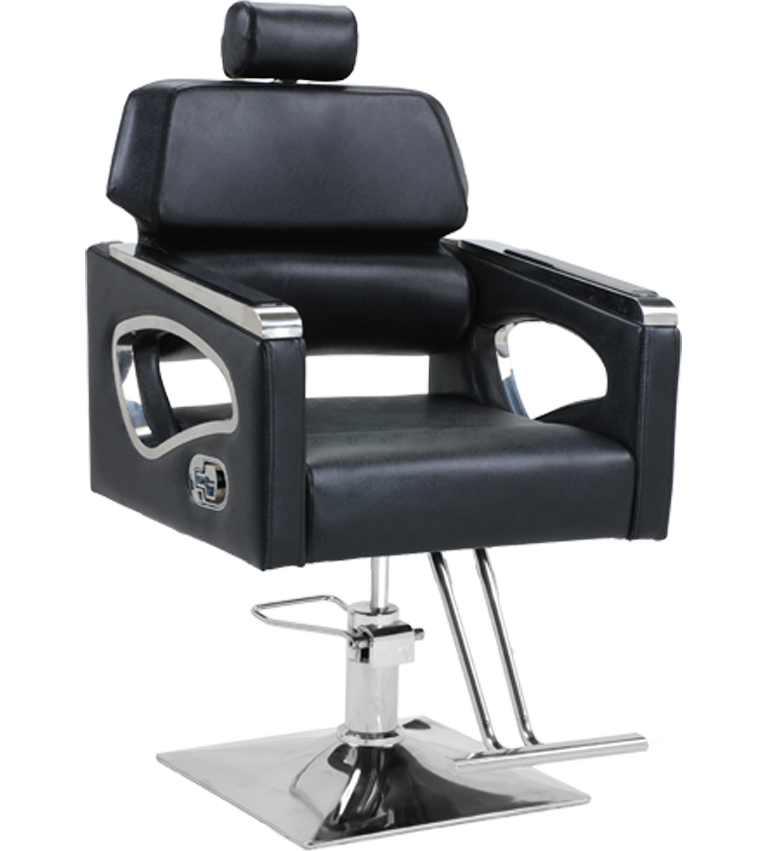
Multipurpose Barber Chair 8082
Use the current product record when requesting model-specific dimensions, finish options, mechanism details and packing information.
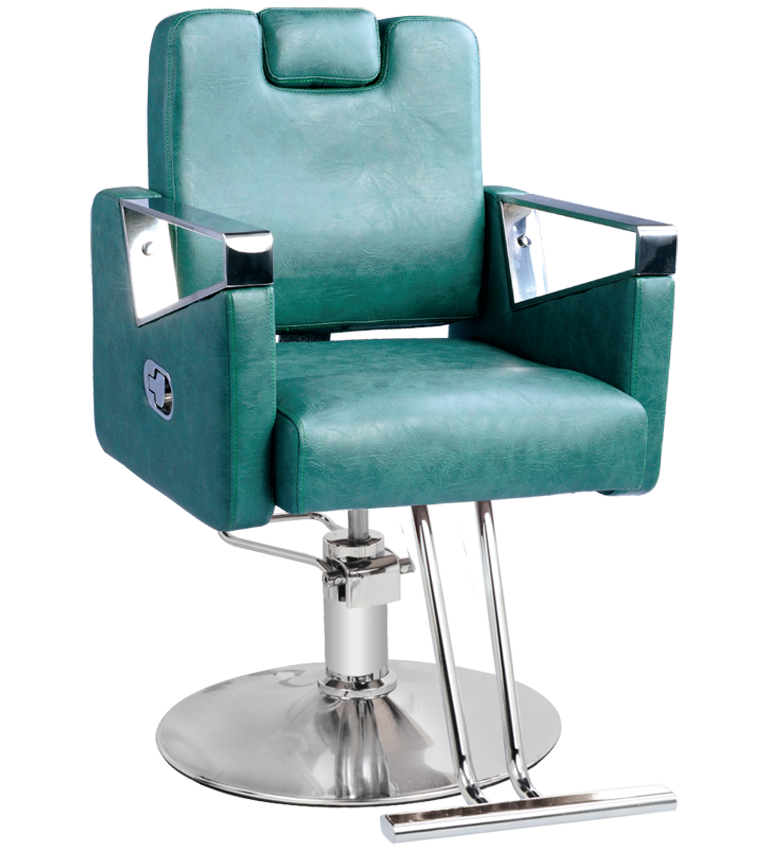
Multipurpose Barber Chair 8018
Reference the exact model URL in the RFQ so that proposed materials, options and accessories can be confirmed without ambiguity.
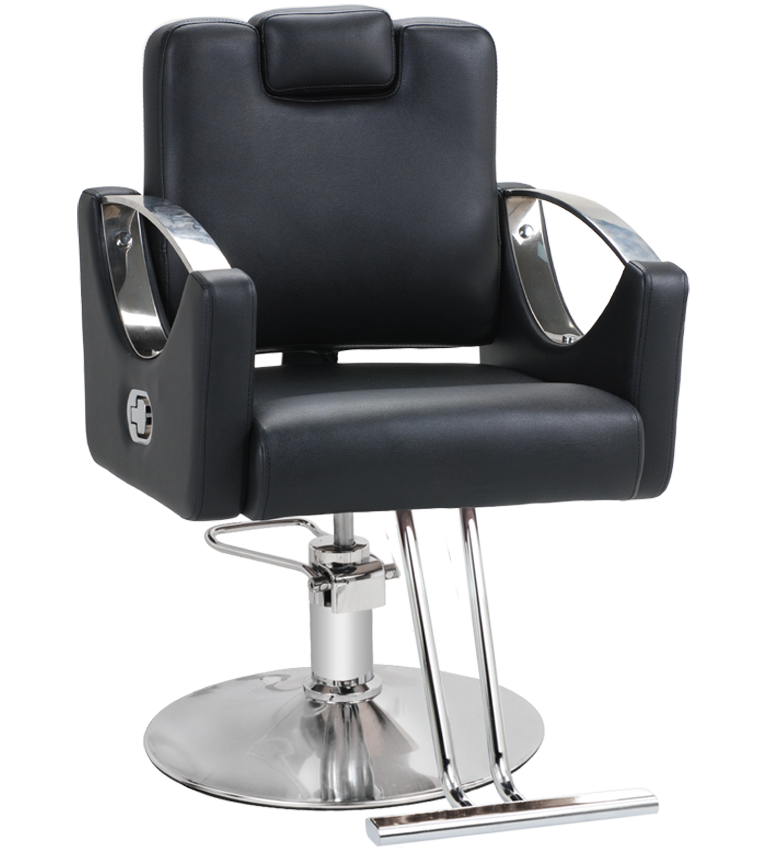
Multipurpose Barber Chair 8020B
Confirm the order configuration, available finishes, included parts and sample requirements against the latest product record.
Build a Model Comparison Matrix
Create one row per shortlisted model and separate confirmed data from proposed options. Useful fields include overall dimensions in each operating position, base type, adjustment controls, upholstery reference, finish, headrest and footrest arrangement, included accessories, carton size, gross weight and service-parts availability. Add a source column that identifies the current product page, drawing, quotation or sample record supporting each entry.
Do not turn a blank field into a guessed value. Mark it pending and ask a precise question. This is especially important when a project combines products that look similar in photographs. A clear matrix helps design, purchasing and receiving teams discuss the same configuration and reduces the risk of approving one model while ordering another.
Comfort, Access and Stability Checks
Comfort evaluation should use realistic appointments and a range of intended users. Check seat depth, back support, armrest position, head support, foot placement and ease of entry and exit. Ask operators whether controls are accessible without awkward reaching and whether they can work around the client in all required chair positions. Record specific observations rather than vague impressions.
For stability and durability, inspect the sample’s visible joints, base attachment and normal movement. Request model-specific evidence when a project requires verified load or performance information. Photographs cannot establish structural capacity, and an informal showroom test is not a substitute for a defined test method. Any formal requirement should identify the exact configuration and the evidence expected from the supplier.
Upholstery, Cleaning and Finish Control
Approve a physical material and color reference for projects where visual consistency matters. Screen colors, catalog lighting and different production batches can create variation. Ask for the selected upholstery specification, seam details and cleaning guidance. High-contact areas such as armrests, seat edges and head supports deserve particular attention during the sample review.
Do not assume a finish is compatible with every disinfectant or abrasive cleaner. Confirm the recommended care method and test the proposed salon cleaning routine on the approved material where appropriate. If a chain expects future replacements, ask whether covers, cushions or commonly serviced components can be supplied for the exact model revision.
Sample Approval Before Production
The sample should represent the intended production configuration as closely as practical. Check product identity, finish, upholstery, accessories, visible workmanship, normal adjustment, included hardware and packaging. Photograph the chair from consistent angles and keep a signed checklist with any approved deviations. Where the buyer requests changes to a base, mechanism, footrest, branding or upholstery construction, decide whether a revised sample is needed.
Separate appearance approval from function and evidence review. A sample can look correct while a required document is still pending. Likewise, a general certificate or test summary may not apply to every configuration. The production release should state which items are accepted, which remain conditional and which changes are prohibited without written approval.
Packaging, Shipping and On-Site Assembly
Confirm whether the chair ships assembled or partly disassembled. Request carton dimensions, gross weight, packing materials, hardware list and assembly instructions for the actual configuration. Upholstery, exposed bases and projecting parts need protection against rubbing and impact. A trial pack-out or sample shipment can identify movement inside the carton before a larger order is released.
For on-site assembly, identify required tools, fasteners and responsible staff. Avoid unapproved drilling or hardware substitutions. Link installation records to the chair model and production lot so that questions can be traced. Freight method, destination handling and storage conditions should also be considered when defining the packing plan.
Production Inspection and Receiving
A useful inspection checklist mirrors the approved sample and purchase documents. Separate model identity, finish, upholstery, included parts, normal adjustment, labels, packaging and quantity into individual checks. Agree on the sampling plan and defect categories before production inspection rather than after a disagreement occurs.
At receiving, compare carton labels with shipping documents and record visible transit damage before unpacking where practical. Keep transit damage, packing issues and manufacturing mismatch distinct when the evidence allows. Consistent photographs and lot references help both buyer and supplier identify the appropriate corrective action.
Plan for Service Parts and Multi-Site Rollout
Purchase price is only one part of the operating cost. Ask which components can be serviced, how replacement parts are identified and whether parts remain compatible with the exact model revision. Consider the cost of downtime, cleaning, local labor and replacement logistics. Avoid assuming that similar-looking mechanisms are interchangeable.
For a multi-site rollout, pilot the chair in a working location where possible. Use the same observation form across candidate models and record functional obstacles separately from personal preferences. Once approved, freeze the configuration and distribute the same documents to purchasing, the supplier, installers and receiving teams. Any substitution should be checked for fit, appearance, parts, packing and workflow impact before acceptance.
What to Include in the RFQ
A clear RFQ should include the official product links, quantity by model and configuration, intended services, preferred upholstery and finish, destination, sample requirements, branding needs, packaging expectations and requested delivery window. Ask the supplier to state which items are standard, optional or subject to confirmation. Minimum order quantity, lead time, payment terms, warranty and freight arrangements must be confirmed for the actual quotation.
Attach the station plan and comparison matrix when layout or movement affects the decision. Use revision numbers on drawings, swatches and approval forms. This creates a practical handover from design to purchasing and gives receiving teams an objective reference when the shipment arrives.
Supplier Capability Questions for B2B Buyers
Chair selection and supplier evaluation should remain connected. Ask which production steps are completed in-house and which are handled by outside partners, then relate the answer to the parts that matter for the order. For example, a custom upholstery program may depend on material sourcing and cutting consistency, while a revised metal component may require drawing control, fabrication capability and a new sample. The purpose is not to reward the longest capability list, but to identify who controls each critical step and how a change is approved.
Request an explanation of the order handover from quotation to production. Confirm who receives approved product links, drawings, color references and packaging instructions, and how the factory prevents an outdated revision from being used. Ask how nonconforming items are identified and how corrective actions are recorded. These questions are more useful than unsupported claims that every chair is “premium” or “commercial grade.”
Customization Without Losing Configuration Control
OEM and ODM options can help a salon chain match its visual identity, but each custom element should have a clear acceptance reference. Create separate approvals for upholstery color, embroidery or logo placement, metal finish, accessories, carton marks and manuals. A logo mockup does not approve the complete chair, and a chair sample does not automatically approve the shipping label. Keep these decisions linked under one configuration code so the final order can be checked efficiently.
Ask whether a requested change affects tooling, minimum quantity, sample time, unit price, carton size or replacement-parts compatibility. If a custom feature creates a unique service part, decide how spares will be identified and stocked. For chain projects, also define whether future repeat orders must match the first batch exactly or may use an updated component after written approval.
Commercial Terms and Total Landed Cost
Compare quotations on the same scope. Unit price should be reviewed together with included accessories, sample charges, packaging, inspection, freight terms, destination costs and expected service support. A lower chair price can be offset by inefficient packing, missing hardware, difficult assembly or unavailable parts. Ask suppliers to state the trade term and clearly identify which transport and destination charges are excluded.
Lead time should be tied to an agreed starting event, such as deposit receipt and final sample approval. If the order contains several finishes or custom elements, ask whether all variants share one completion date. Record the requested shipping window separately from a confirmed production schedule. For large programs, consider a staged rollout that allows the buyer to verify the first delivery before all locations receive the same configuration.
Final Release Checklist
- Official model name and URL match the quotation and purchase order.
- Service workflow and required movements have been tested.
- Installed dimensions and operating envelope fit each location.
- Upholstery, finish, accessories and branding have physical or controlled references.
- Sample changes are closed or recorded as explicit production conditions.
- Packing, carton marks, assembly information and receiving checks are approved.
- Inspection criteria, documentation and responsible contacts are defined.
- Commercial terms, delivery assumptions, warranty and parts support are confirmed in writing.
Prepare a Verifiable Chair Specification
Shortlist the relevant Senkelly models, map the service workflow, check the installed envelope and request current model-specific information. Approve the sample, finish, packing and inspection method before releasing production.
- Quick Answer
- Key Takeaways for Salon Buyers
- What Makes a Barber Chair Multipurpose?
- Map the Service Workflow Before Choosing a Model
- Measure the Full Installed Operating Envelope
- Compare Actual Models with Verified Records
- Multipurpose Barber Chair 8082
- Multipurpose Barber Chair 8018
- Multipurpose Barber Chair 8020B
- Build a Model Comparison Matrix
- Comfort, Access and Stability Checks
- Upholstery, Cleaning and Finish Control
- Sample Approval Before Production
- Packaging, Shipping and On-Site Assembly
- Production Inspection and Receiving
- Plan for Service Parts and Multi-Site Rollout
- What to Include in the RFQ
- Supplier Capability Questions for B2B Buyers
- Customization Without Losing Configuration Control
- Commercial Terms and Total Landed Cost
- Final Release Checklist
- Prepare a Verifiable Chair Specification

Styling Chair 8135

Hair Wash Station 2398

Electrical Barber Chair 8085

Hair washing bed 2378

Hair Wash Station 2392-B





Discuss Your Project with Expert Salon Furniture Manufacturers
Tell us what you need — we’ll get back to you with a fast quote and personalized OEM/ODM support.