
PU Leather for Commercial Styling Chairs: Specification and Quality Control
Define upholstery performance from the salon use case
Commercial styling chairs are touched, cleaned, loaded, rotated, and repositioned throughout the working day. Upholstery therefore affects more than color because it influences comfort, cleanability, edge durability, appearance retention, and the speed of routine maintenance. Buyers should describe service conditions before asking a supplier to propose PU leather. The specification should identify traffic level, typical treatments, cleaning practice, climate, and the expected visual standard.
A styling station exposes different chair zones to different stresses. The center seat carries repeated compression, the front edge experiences sliding and clothing friction, the armrests receive hand contact, and the back corners can rub against tools or nearby furniture. Seams and piping introduce additional stress concentrations where panels change direction. A useful review maps these zones so material, pattern, foam, and stitching decisions respond to the actual chair geometry.
Project type also changes priorities. A premium salon may emphasize a refined grain and exact color matching, while a training academy may prioritize easy cleaning and replaceable components. A chain rollout needs stable batch-to-batch appearance and documentation that supports repeat orders across locations. The RFQ should rank these priorities because no upholstery choice maximizes every objective at the same cost.
Describe PU leather without relying on vague labels
PU leather is a broad commercial description rather than a complete material specification. Different constructions may use different backing textiles, surface layers, embossing patterns, coatings, and finishing processes. Two swatches that look similar under showroom lighting can behave differently when stretched over foam or wrapped around a tight corner. Buyers should approve the actual proposed material code and physical swatch instead of accepting the words premium PU alone.
Surface grain influences both appearance and defect visibility. A fine grain can create a clean modern look, while a deeper texture may disguise minor handling marks but collect residue differently. Gloss level affects how scratches, wrinkles, and shade variation appear under salon lighting. The approval record should include grain direction, sheen, touch, and viewing conditions so production is compared with the intended reference.
Color names also require control because black, beige, gray, and brown can vary substantially between suppliers and production lots. A digital screen image cannot establish final color, especially when surrounding salon lighting changes the perceived shade. Use a signed material swatch or an agreed physical sample as the reference. When several chairs must match other furniture, compare all materials together under representative lighting before release.
| Specification item | Approval evidence | Common risk |
|---|---|---|
| Color and gloss | Signed physical swatch | Batch mismatch |
| Grain and backing | Material code and construction sample | Wrinkles or distortion |
| Cleaning | Project-specific compatibility trial | Discoloration or surface damage |
Evaluate backing, stretch, and pattern behavior
The backing supports dimensional stability and influences how the material behaves during cutting and upholstery. A material that stretches too freely can distort grain, create uneven tension, or allow seams to wander, while insufficient conformability can produce folds around curves. The required behavior depends on panel shape, seam layout, foam contour, and assembly method. Sample upholstery on the real chair is more reliable than pulling a loose swatch by hand.
Directional stretch should be aligned with the pattern design. Seat panels may need controlled give across the seating surface while maintaining stability near seams and attachment points. Backrest panels with channels, quilting, or shaped bolsters can require a different cutting orientation. The production marker and work instruction should identify material direction so operators do not rotate parts only to reduce waste.
Pattern development determines whether the cover lies smooth without excessive tension. Accurate seam allowance, notch position, grain direction, and panel symmetry reduce correction during assembly. A cover forced into shape can look acceptable briefly and then develop wrinkles or pulled stitching. Approving the finished cover pattern is therefore as important as approving the material swatch.
Coordinate upholstery with foam and chair geometry
PU leather performance cannot be judged separately from the foam beneath it. Foam density, hardness, contour, recovery, and edge shape influence surface tension and the way wrinkles form after loading. A very sharp foam edge can increase stress in the cover, while an overly soft cushion can allow deep creasing and movement. Buyers should evaluate the finished seat system rather than requesting a material certificate in isolation.
Layering and adhesion methods also affect appearance. A thin comfort layer may smooth transitions, while poorly controlled adhesive can create hard spots, telegraph marks, or local delamination. Venting may be needed so trapped air does not balloon the surface during compression. The approved assembly should define foam layers, cover position, and attachment route without exposing proprietary production details unnecessarily.
Chair geometry should avoid hidden abrasion points. Cover material can rub against brackets, staples, sharp substrate edges, or moving components beneath the seat. These contacts may not be visible during a showroom inspection but can cause premature wear in service. A sample teardown or underside review helps verify that the upholstery is protected where it meets the frame and mechanism.
Specify seams, stitching, piping, and corners
Seam construction strongly influences both durability and visual quality. Stitch length, thread selection, seam allowance, needle condition, and panel alignment must work together with the proposed PU material. If perforations sit too close, the material can weaken along the seam, while inconsistent feeding can create puckering. The buyer should approve representative seam details on the actual chair rather than a flat test strip only.
Piping and topstitching create recognizable design lines, but they also reveal variation quickly. Uneven spacing, twisted piping, missed stitches, or wandering lines become obvious across multiple chairs installed in one room. Corners should transition smoothly without bulky folds or exposed attachment marks. Inspection criteria can use a signed chair sample and defined viewing distance to distinguish acceptable handwork from visible defects.
High-stress seam locations need additional attention. The front seat edge, arm transitions, reclining joints, and narrow channels may experience concentrated pulling during entry and exit. Reinforcement tape, altered panel geometry, or a different seam arrangement may help, but the solution must be validated on the real design. Adding more stitches without understanding the stress direction is not automatically an improvement.
Plan cleaning and chemical compatibility
Salon upholstery encounters water, hair products, dyes, oils, disinfectants, and frequent wiping. No PU material should be assumed compatible with every chemical simply because it is marketed for commercial furniture. Buyers should identify intended cleaners and ask for compatibility evidence or conduct a controlled project test. Unapproved solvents, concentrated alcohol, abrasive pads, or prolonged wet contact can change color, gloss, flexibility, or adhesion.
A cleaning trial should reflect real practice. Apply the proposed product at the intended concentration, contact time, wiping method, and frequency, then observe appearance and hand feel after the surface has dried. Include seams, piping, printed details, and a tensioned area rather than testing only a loose flat swatch. Record the exact cleaner and procedure so the result can be repeated.
Maintenance instructions should be practical for salon staff. They should distinguish routine wiping, spill response, stain handling, and prohibited methods without making unsupported guarantees. Clear instructions reduce the likelihood that different locations use incompatible chemicals. For private-label orders, the buyer should confirm whether maintenance guidance belongs on packaging, an insert, or a digital service document.
Approve a representative chair sample
A production-representative sample should use the specified material code, color, backing, foam, pattern, thread, seam construction, attachments, base, and mechanism. A visually similar prototype made with substitute upholstery cannot approve the final production system. Record the chair model, drawing revision, material swatch, and approved deviations together. This prevents later confusion when a repeat order is compared with an undocumented showroom unit.
Visual evaluation needs consistent lighting and viewing conditions. Inspect color, gloss, grain direction, wrinkles, seam alignment, piping, symmetry, surface marks, and transitions between panels. Sit on and release the chair several times to observe cover movement and recovery. The evaluation should include front, sides, back, underside, and the appearance at different hydraulic heights.
Functional evaluation should reflect expected commercial handling without inventing a universal test load. Cycle seat entry, rotation, height adjustment, back pressure where applicable, cleaning, and movement across the floor according to the project plan. Observe whether upholstery catches on moving parts, shifts around foam, loosens at attachments, or develops seam stress. Record the setup and acceptance criteria so supplier and buyer interpret results consistently.
| Approval gate | What to inspect | Release evidence |
|---|---|---|
| Swatch | Color, grain, gloss, touch | Signed reference |
| Chair sample | Fit, seams, foam, operation | Revision-controlled approval |
| First piece | Production materials and assembly | Inspection record |
| Shipment | Lot, packing, quantity, defects | Final release report |
Control production from cutting to final assembly
Incoming material control should verify supplier code, color lot, grain, surface condition, width, and quantity against the approved order. Rolls or sheets need protection from crushing, contamination, moisture, and uncontrolled sunlight during storage. Mixed lots should not be combined silently when chairs must match in one installation. A clear identification system keeps approved material connected to the correct model and purchase order.
Cutting control protects appearance and yield. Operators should follow grain direction, avoid marked defects, maintain paired-panel symmetry, and preserve traceability when several colors are produced together. Cutting equipment must not drag dirt or sharp debris across the face. Bundles should remain separated by model and orientation so sewing does not reverse or mix panels.
Upholstery assembly requires repeatable tension rather than maximum tension. The cover should sit smoothly while allowing the cushion and seam to work during repeated loading. Attachment points must be secure and positioned away from visible edges or moving components. First-piece approval can catch pattern drift, foam variation, and attachment errors before the full quantity is completed.
Inspect finished styling chairs by risk zone
Final inspection should divide the chair into critical visual and functional zones. Customer-facing surfaces such as the seat, backrest, arm tops, and outer sides usually receive stricter cosmetic review than protected underside areas. Seams, corners, high-contact edges, and mechanism clearances deserve targeted checks because small errors there can grow during service. The inspection plan should state sample size and defect handling rather than depend on a quick overall glance.
Dimensional and assembly checks support upholstery quality. An uneven frame, misaligned arm, incorrect foam, or tilted backrest can make an accurately sewn cover appear defective. Check symmetry, seat alignment, base stability, hydraulic operation, rotation, and visible clearances together with the soft goods. Upholstery should not be used to hide an underlying assembly problem.
Defect disposition must separate safe rework from concealment. Loose threads may be trimmed through an approved method, but punctures, torn backing, split seams, incompatible touch-up coatings, and contaminated surfaces may require replacement. Reworking a cover can change tension or leave extra perforations. The supplier should document which defects are repairable and how repaired units receive renewed inspection.
Protect upholstery during packing and installation
Packaging must prevent pressure marks, abrasion, color transfer, moisture trapping, and hardware contact. Protective materials should be compatible with the PU surface and should not adhere, print texture, or leave residue during normal transit. Heavy bases, pumps, tools, or loose fasteners need separate restraint. The chair should be supported so carton loads do not concentrate on arm edges or seat piping.
Assembly format changes the protection plan. A fully assembled chair may reduce installation work but occupies more space and needs stronger immobilization, while knock-down packing must protect separate upholstered parts and prevent incorrect installation. Hardware bags should be isolated from finished surfaces and clearly associated with the correct chair. Unpacking instructions should warn against knives, staples, and dragging parts across the floor.
Destination installation should include a condition check before packaging is discarded. Compare model, color, quantity, surface condition, operation, and included parts against the order. Record transit damage separately from manufacturing defects so corrective action targets the correct stage. Chain projects benefit from a simple receiving checklist that every location can use consistently.
Build a precise upholstery RFQ
A useful RFQ includes chair model, quantities, color references, target environment, cleaning practice, desired grain and gloss, branding requirements, packaging format, and inspection expectations. It should identify whether several models must share one upholstery family and whether future repeat orders need color continuity. Critical visual zones and acceptable sample process should be stated. Without these inputs, quotations may use different assumptions and cannot be compared fairly.
Ask the supplier to identify the proposed material code, construction description, available evidence, seam method, foam combination, sample plan, lot-control approach, and change-notification process. Do not request unsupported marketing claims or assume a generic certificate applies to the exact color and construction. Any required flammability, restricted-substance, or market compliance condition must be named explicitly and verified for the supplied material. If evidence is unavailable, treat the requirement as unresolved rather than implied.
Commercial milestones should align with technical approval. Define swatch approval, chair sample approval, revision responsibility, production release, lead-time start point, final inspection, packing confirmation, and shipment authorization. MOQ, color surcharge, tooling, sample cost, and repeat-order conditions should refer to the actual configuration. A complete RFQ reduces price ambiguity and protects the approved appearance during scaling.
Manage repeat orders and material changes
Repeat orders are vulnerable to silent material changes. A supplier may face discontinued colors, revised backing, altered surface finish, or a new upstream source even when the commercial color name stays the same. The purchase agreement should require advance notice and define when a new swatch or chair sample is necessary. Production should not proceed on the assumption that a close visual match is automatically equivalent.
Retained references need protection and identification. Label the approved swatch and chair sample with material code, color, chair model, revision, approval date, and the characteristics they represent. Store them away from sunlight, chemicals, dust, and repeated handling that could alter the surface. When a physical chair cannot be retained, preserve swatches, detailed photographs, inspection records, and viewing conditions together.
Field feedback should inform later production. Track cleaning complaints, color changes, seam issues, pressure marks, transit damage, and installation observations by model and lot. A pattern across locations can justify changes to materials, stitching, foam, packaging, or maintenance instructions. Controlled improvement is more valuable than replacing components without evidence of the actual failure mode.
Relevant commercial chair models
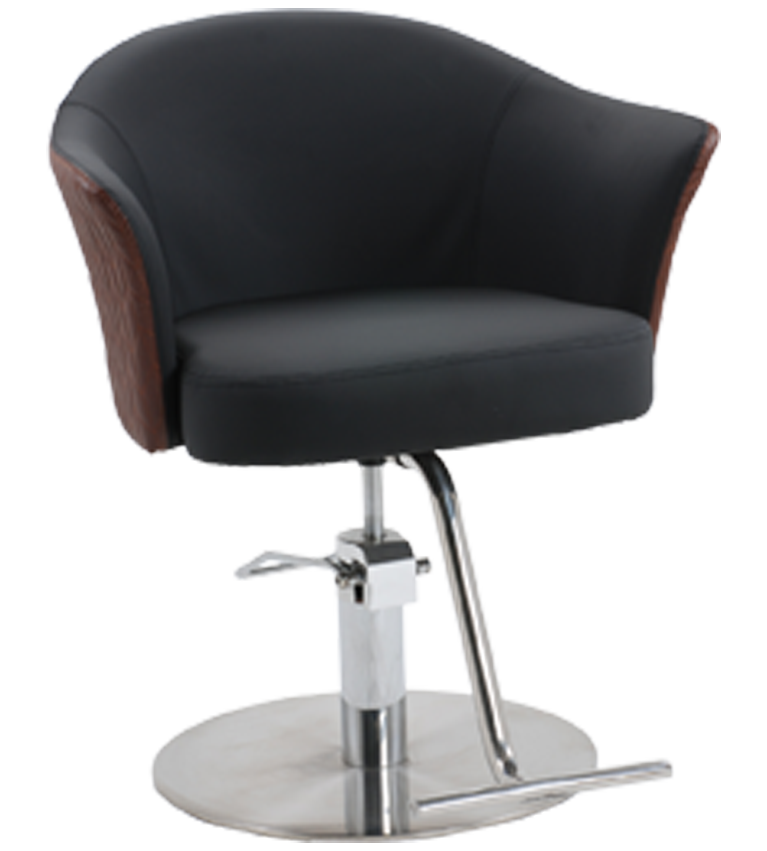
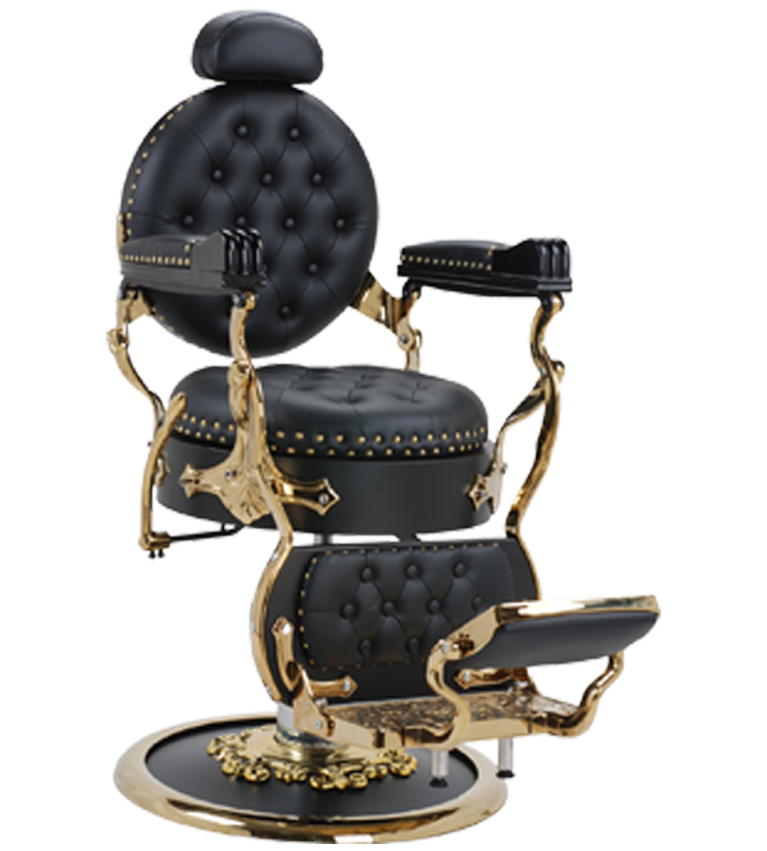
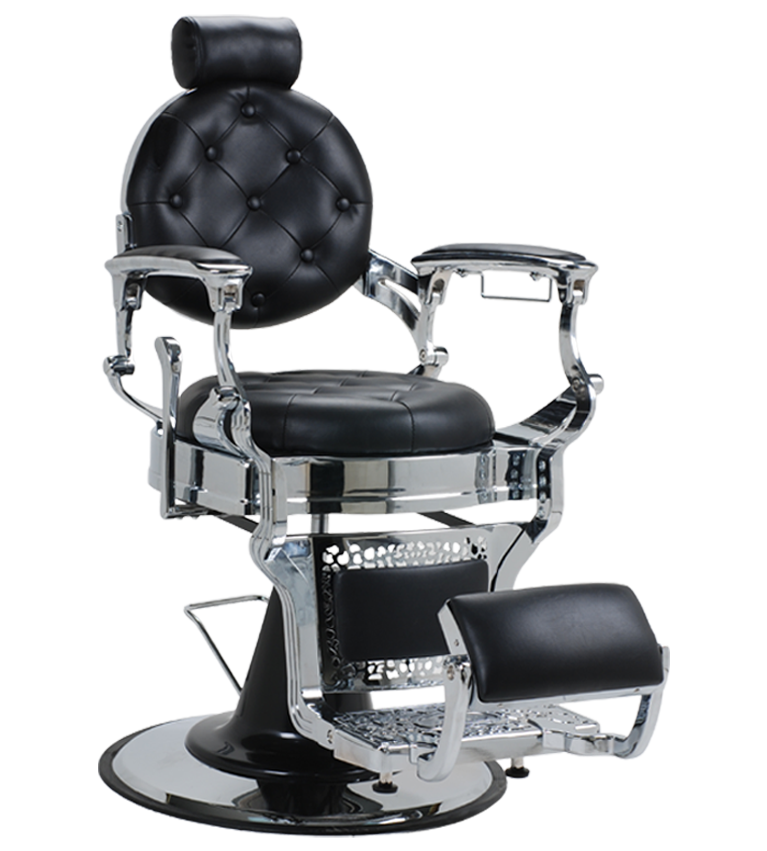
Upholstery must be qualified on the selected chair geometry because seat contour, arm shape, seams, foam, and mechanisms influence the cover. We use actual model samples to confirm appearance and construction rather than applying one material assumption across every chair. The products below are active listings on our site and provide real starting points for project discussion. Final upholstery, color, branding, packaging, and commercial terms remain subject to the approved RFQ and sample.
Validate comfort and body-contact interfaces
Upholstery quality influences perceived comfort even when the underlying foam and frame carry most of the load. Surface friction affects how easily a client enters, turns, and leaves the chair, while excessive slipperiness can make posture feel unstable. Grain, tension, seam position, and cushion contour should be reviewed together during representative sitting trials. Feedback should identify a specific contact point or movement rather than rely only on broad words such as comfortable.
Seams should not create hard ridges at sustained body-contact areas. Decorative channels may support the visual design, but their placement must account for shoulders, arms, thighs, and the back of the knees. Piping at the front edge needs smooth transitions so repeated entry does not create concentrated rubbing. Sample review should include users of different body sizes within the intended chair capacity without turning informal impressions into unsupported performance claims.
Thermal feel and surface moisture also affect the salon experience. PU surfaces can feel different under warm lighting, air conditioning, or long service sessions, and a dark high-gloss finish may show moisture or residue more readily. The buyer can compare candidate swatches on finished cushions in the actual environment before locking the design. Maintenance staff should participate because their cleaning observations may reveal practical differences that a short showroom test overlooks.
Coordinate private-label color, branding, and packaging
Private-label programs should treat upholstery color and brand details as controlled components of one chair specification. Embroidery, metal badges, printed marks, labels, and custom stitching can introduce new holes, adhesives, pressure points, or color-matching requirements. Their location must avoid high-wear contact zones and must not interfere with seams, foam recovery, or cleaning. Approve the branded chair as a complete sample rather than approving a logo artwork separately.
Color assortments require a practical ordering strategy. Very small quantities across many colors can increase material remnants, lot differences, setup changes, and identification risk, even when the chair structure stays the same. The RFQ should separate standard colors from project-specific colors and clarify how unused material is handled. Carton labels and internal model codes must distinguish colors accurately without exposing consumer-facing information that the buyer did not authorize.
Packaging presentation should match the private-label agreement while still protecting the upholstery. Printed cartons, manuals, labels, accessory bags, and inspection marks need revision control so outdated branding does not enter a repeat order. Protective covers must not transfer ink or texture to the chair surface during transit. A final packed-sample review confirms that branding is correct, components are complete, and the upholstered surfaces remain isolated from hardware and carton pressure.
Conclusion
Commercial styling-chair upholstery is a system involving PU material, foam, pattern, seams, attachments, chair geometry, cleaning, inspection, and packing. The most reliable procurement process approves physical evidence at swatch, sample, first-piece, and shipment stages. It also controls repeat-order changes instead of assuming a color name guarantees continuity. Clear RFQ language and representative testing protect both salon appearance and production consistency.
Frequently Asked Questions
What should buyers specify when ordering PU leather styling chairs?
Specify the chair model, exact approved material code, physical color swatch, grain, gloss, seam details, foam combination, cleaning practice, quantities, packaging, and inspection expectations. Generic labels such as premium PU are insufficient. Approve a finished chair sample because the material behaves differently when tensioned over real geometry. Record changes before production.
Can one PU leather specification be used for every salon chair model?
Not automatically. Different seat contours, arm shapes, foam systems, seam paths, and mechanisms place different demands on the cover. A material that performs well on a flat panel may wrinkle or stress around another model. Qualify the proposed upholstery on each relevant chair family.
How should PU leather color be approved for a salon project?
Use a signed physical swatch and view it under representative lighting. Record the material code, grain direction, gloss, and approval date. For coordinated furniture, compare all materials together. Digital images alone cannot establish final color or batch matching.
How can salons check cleaner compatibility?
Test the intended cleaner at its real concentration, contact time, wiping method, and frequency on the proposed tensioned upholstery. Include seams and piping, then inspect after drying for color, gloss, flexibility, and surface changes. Record the exact product and method. Avoid assuming all disinfectants are compatible.
What should be checked on a production chair sample?
Check material identity, color, grain direction, wrinkles, seams, piping, symmetry, foam feel, attachments, underside protection, base stability, hydraulic operation, rotation, and packaging. Use the intended production materials and revision. Record acceptance criteria and approved deviations. Substitute materials should not be used for final approval.
How should repeat-order upholstery changes be controlled?
Require advance notice when the material source, backing, coating, color lot, gloss, or construction changes. Compare the new material with retained references and decide whether a swatch, partial build, or full chair sample is needed. Update revision records before production. Do not assume the same commercial color name means equivalent construction.
- Define upholstery performance from the salon use case
- Describe PU leather without relying on vague labels
- Evaluate backing, stretch, and pattern behavior
- Coordinate upholstery with foam and chair geometry
- Specify seams, stitching, piping, and corners
- Plan cleaning and chemical compatibility
- Approve a representative chair sample
- Control production from cutting to final assembly
- Inspect finished styling chairs by risk zone
- Protect upholstery during packing and installation
- Build a precise upholstery RFQ
- Manage repeat orders and material changes
- Relevant commercial chair models
- Styling Chair 8135
- Barber Chair 8088
- Barber Chair 8076
- Validate comfort and body-contact interfaces
- Coordinate private-label color, branding, and packaging
- Conclusion
- Frequently Asked Questions

Styling Chair 8135

Hair Wash Station 2398

Electrical Barber Chair 8085

Hair washing bed 2378

Hair Wash Station 2392-B





Discuss Your Project with Expert Salon Furniture Manufacturers
Tell us what you need — we’ll get back to you with a fast quote and personalized OEM/ODM support.