
How do adjustable styling chairs improve stylist ergonomics?
Adjustable styling chairs reduce musculoskeletal strain by enabling neutral posture, dynamic movement, and task-specific support; targeted features—height, tilt, seat depth, arm supports, materials and controlled hydraulics—translate ergonomic science into measurable reductions in static loading and repetitive stress for salon professionals.
How do height-adjustable chairs reduce stylist lower-back strain?
Height-adjustable seats let stylists align the client’s head and work zone to their elbow height, which is one of the single most effective adjustments for reducing lower-back loading. When a stylist must stoop or overreach, lumbar flexion increases sustained compressive forces on lumbar discs and paraspinal muscles; raising or lowering the seat restores a neutral spine and shifts load from passive tissues to active muscles under optimal length-tension relationships. Practically: measure a stylist’s relaxed elbow height while standing; set the chair so the client’s occiput (or the work zone) sits at that elevation, allowing the stylist to keep shoulders down and neck neutral. Critical chair features are a continuous, easy-to-operate hydraulic or gas lift with sufficient range, a stable five-star base to prevent tipping, and a non-binding column so adjustments can be made frequently without interrupting client service. Frequent micro-adjustments throughout the day—rather than one static position—reduce cumulative loading and reported low-back discomfort.
Can tilt and recline improve wrist and shoulder posture?
Yes. Seat pan tilt and synchronized backrest recline change pelvic orientation and thoracic support, which cascade to shoulder and wrist postures. A slight forward seat pan (or controlled pan angle) maintains anterior pelvic tilt and prevents posterior collapse that would otherwise force cervical and thoracic flexion; a supportive backrest with adjustable recline prevents excessive thoracic kyphosis, keeping the scapulae in a more neutral position. For wrist posture, reducing shoulder elevation and forward head posture minimizes compensatory wrist extension during cutting or coloring tasks. Prefer chairs with multi-axis tilt (seat pan and backrest) and adjustable tilt tension so the stylist can select a dynamic range for seated tasks like blow-drying or color processing; lockable positions are useful for tasks that require absolute stability. The ergonomic goal is dynamic support—encouraging movement while preventing sustained awkward positions that lead to tendinopathy and impingement syndromes.
What seat depth and width minimize hip and thigh pressure?
Seat depth and width determine how weight is distributed across the ischial tuberosities and thighs. A seat that is too deep forces posterior pelvic tilt and slouching; too shallow increases focal pressure under the ischia and reduces stability. The correct seat depth allows two to three finger-widths between the seat front and the back of the knee (popliteal area) so circulation and nerve compression are preserved and the pelvis can sit back against lumbar support. Width should accommodate the bulk of the user population without permitting lateral sliding—practical salon seats usually prioritize sufficient lateral room for tools while maintaining a contoured side profile to permit close client access. A waterfall front edge reduces popliteal pressure; high-density, quick-recovery foam sustains support and reduces soft-tissue deformation over long shifts. For salons, look for modular cushions or adjustable inserts to tune depth for different stylists.
How does hydraulic lift speed affect styling workflow and ergonomics?
p>Hydraulic lift performance directly affects how often and how accurately a stylist can reposition a client—both factors that influence cumulative ergonomic load. A smooth, damped lift preserves the stylist’s balance and posture during adjustments; jerky or overly fast lifts force sudden compensatory movements that increase microtrauma risk. Conversely, lifts that are too slow or stiff discourage frequent micro-adjustments, promoting static postures. Features to prioritize: a gas or hydraulic cylinder with controlled damping, an easy-to-reach foot lever or hands-free pedal, consistent travel across the load range (newborn-to-heavy client), and a maintenance-friendly design to prevent stick-slip behavior over time. When selector mechanics are matched to salon workflow, stylists can keep optimal posture with minimal interruption, reducing static holding times and associated fatigue.
Which armrest designs prevent repetitive strain injury during blow-drying?
Effective arm supports reduce static loading in the shoulder girdle and forearm extensors during prolonged tasks like blow-drying. The best designs are height-adjustable, narrow-profile, and either floating or removable so the stylist can clamp close to the client when needed. Padded, slightly contoured armrests that permit the forearm to rest with the wrist in neutral or slight extension minimize ulnar deviation and pronation stresses. Pivoting or articulating armrests follow the stylist’s natural movement arc, offering support without obstructing access. Importantly, armrests should be positioned to encourage the elbow to stay below shoulder height; arms elevated above shoulder level for extended periods are strongly correlated with rotator cuff pathology. For salon environments, choose materials that resist pinching points and are easily disinfected.
How to select materials that balance comfort, support, and cleanliness?
Select upholstery and foams that meet three intersecting criteria: biomechanical performance, cleanability, and durability. High-resilience foam with a firm support core and softer top layer preserves pelvic alignment while offering surface comfort—this reduces transverse shear and tissue deformation. For upholstery, closed-cell PU or treated vinyl that withstands daily disinfection (including quaternary ammonium alcohol-based cleaners) is preferable to untreated fabrics that absorb liquids and harbor pathogens. Stitching and seam placement matter: seams that run under weight-bearing zones degrade faster and are harder to disinfect. Finally, prioritize finishes with antimicrobial topcoats and colorfast properties to withstand salon chemicals and UV exposure. These material choices lower infection-control burden and maintain the ergonomic integrity of the seat throughout the chair’s service life.
Conclusion: Adjustable styling chairs are not cosmetic purchases; they are ergonomic tools that reduce cumulative musculoskeletal loading, increase task efficiency, and protect stylists’ long-term health. Designing or selecting seats with correct height range, multi-axis tilt, appropriate seat geometry, controlled hydraulic action, supportive arm solutions, and durable, disinfectable materials translates ergonomic principles into real reductions in pain and lost-time injury for salon teams.
Senkelly combines product development informed by salon workflow, quality manufacturing, and field validation to address these exact pain points for salon furniture manufacturers and professional operators.
Contact us for a quote at www.senkelly.com or jinhechair@outlook.com.
- How do height-adjustable chairs reduce stylist lower-back strain?
- Can tilt and recline improve wrist and shoulder posture?
- What seat depth and width minimize hip and thigh pressure?
- How does hydraulic lift speed affect styling workflow and ergonomics?
- Which armrest designs prevent repetitive strain injury during blow-drying?
- How to select materials that balance comfort, support, and cleanliness?

Styling Chair 8832

Styling Chair 8819

Styling Chair 8938

Styling Chair 8135
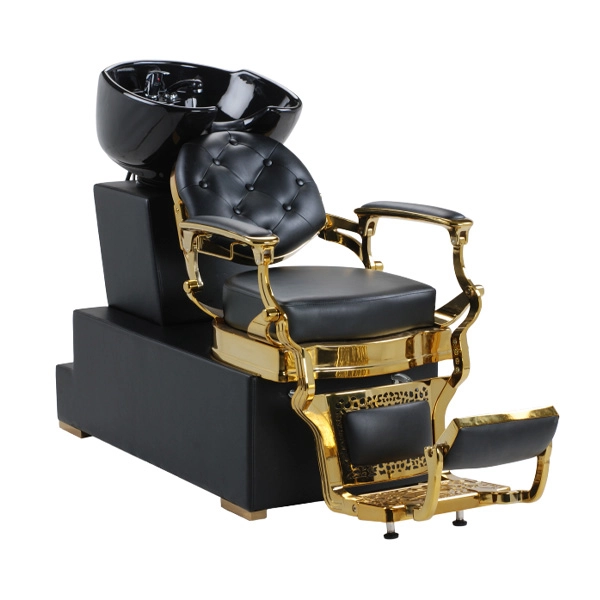
Hair Wash Station 2398
Discuss Your Project with Expert Salon Furniture Manufacturers
Tell us what you need — we’ll get back to you with a fast quote and personalized OEM/ODM support.