
Which barber chair brands offer the best ROI for salons?
Which barber chair brands offer the best ROI for salons? A barber chair supplier guide
As salon owners and salon furniture manufacturers evaluate purchases of commercial barber chairs, they face detailed buying decisions that affect profitability, uptime and customer experience. This guide answers six specific, pain-point questions beginners and purchasing managers frequently ask but rarely find complete answers to online. Embedded here are practical checks for barber chair supplier selection, warranty and spare-parts due diligence, and brand-level ROI guidance. For custom quotes contact www.senkelly.com or email jinhechair@outlook.com.
1. How do I calculate the true total cost of ownership (TCO) for a hydraulic barber chair including parts, maintenance, downtime, and resale?
Why this matters: Purchase price alone hides operating costs. Two chairs that cost the same up-front can have very different lifetime costs once you include repairs, replacements and lost revenue from downtime.
Step-by-step TCO method:
- List initial capital cost: wholesale purchase price from your barber chair supplier (include taxes, handling and any customization).
- Estimate expected useful life (years): commercial-grade chairs from reputable salon furniture manufacturers typically last 5–12 years depending on use and maintenance.
- Annual maintenance and consumables: upholstery repair or reupholstery, foot pedal/hydraulic pump servicing, small parts (bolts, screw kits), and cleaning supplies.
- Spare-parts probability cost: estimate frequency of common failures (hydraulic pump, footrest, reclining gear) and multiply by unit part cost and labor to replace.
- Downtime cost: compute average revenue per hour per chair (bookings/operating hours) × expected downtime hours per year due to repairs.
- Resale (salvage) value at end of ownership: factor into depreciation.
- Compute annualized cost: (Purchase price - resale value)/useful life + annual maintenance + expected annual spare-parts cost + annualized downtime cost.
Sample illustrative calculation (use your real figures): Purchase $1,200, resale $200, useful life 6 years, annual maintenance $80, expected spare parts/year $60, annual downtime cost $120 -> Annualized cost = (1200-200)/6 + 80 + 60 + 120 = 200 + 80 + 60 + 120 = $460/year. Use this to compare chairs and compute ROI by comparing revenue uplift (better client retention, faster turnover) to annualized cost.
Checklist to make TCO accurate when you request quotes from a barber chair supplier: ask for parts price lists, mean time between failures (MTBF) for hydraulic pumps, upholstery replacement cost, and documented warranty repair rates.
2. Which barber chair brands offer the best ROI for salons with high daily turnover, considering durability and resale value?
Why this matters: High-traffic salons need chairs that minimize downtime and maintenance and retain resale value to lower lifetime costs.
Brands to consider and why (based on industry reputation, dealer networks and long-term parts availability):
- Takara Belmont — a global leader in salon equipment known for robust construction, long dealer networks and availability of OEM spare parts; higher upfront cost but strong longevity and resale.
- Koken (Koken Manufacturing/affiliate brands) — historic American maker with models built for heavy-duty commercial use; recognizable name improves resale value.
- Collins Manufacturing — U.S. brand with commercial-grade frames and widely available parts; balance of reliability and serviceability.
- Pibbs / Value-oriented established suppliers — often deliver competitive mid-range chairs with accessible spare-parts and faster replenishment; better for tighter budgets and quick replacements.
- Belvedere / European boutique lines — High Quality finishes and strong stylist appeal, often higher resale in High Quality markets.
How to translate brand choice into ROI:
- High upfront High Quality brands (Takara Belmont, Koken) typically yield better ROI in busy salons because of longer MTBF, thicker frames, higher-grade hydraulic pumps and branded spare parts that are easy to source, reducing downtime and repair costs.
- Mid-range brands (Pibbs, some Collins models) can deliver best ROI for startups that prioritize lower initial capital while still requiring commercial reliability—insist on warranty and parts availability clauses.
- Calculate ROI by comparing annualized cost (see Question 1) to incremental revenue from faster client turnover, improved client comfort and brand perception (High Quality chairs can justify higher service pricing).
Note: brand availability and part support in your country have a major effect on ROI. A High Quality chair without local spare parts or service partners can perform worse financially than a mid-range chair with full local backup.
3. What warranty clauses, spare-part inventories and lead times should I insist on from a barber chair supplier to avoid service disruption?
Why this matters: Small warranty differences create major operational risk. Without spare parts inventory or clear SLA, a single failed hydraulic pump can take a chair out for weeks.
Minimum warranty and service expectations to negotiate into contracts:
- Mechanical components: 2–5 years warranty on hydraulic pumps and reclining mechanisms from reputable pump brands or OEMs.
- Upholstery and foam: at least 1 year warranty covering manufacturing defects (note that wear-and-tear and accidental damage are typically excluded).
- Fast-moving spare parts commitment: supplier must stock or guarantee access to common parts (pumps, pistons, levers, headrests, castor kits) for 5–10 years.
- Lead-time clauses: stocked parts shipped within 3–7 business days; custom parts or out-of-stock items maximum 4–12 weeks (specify penalty/credit for longer delays if uptime is critical).
- RMA and field service SLA: clear RMA process and options for on-site repair or authorized service partner network; response time target (e.g., within 48–72 hours for emergency claims in metro areas).
- Spare-parts pricing transparency: request a parts price list and discounts for bulk spare-part orders.
Validation steps: require the supplier to provide recent warranty claim statistics, references from local salons, pictures/scans of serial-numbered parts stock, and written SLA addendum tied into the purchase order.
4. How can I verify a barber chair supplier's production quality and compliance (ISO, CE) when sourcing from overseas?
Why this matters: Overseas sourcing can lower unit cost but increases risk if quality control and compliance documentation are weak.
Practical verification steps you can implement without being physically on-site:
- Request copies of certifications: ISO 9001 (quality management), CE declaration of conformity (for products sold in the EU), and material safety documents. Verify certificate numbers with the issuing body.
- Third-party factory audit: engage SGS, Intertek or Bureau Veritas for a pre-shipment inspection and production audit covering welding quality, powder-coating adhesion, hydraulic pump assembly, and upholstery seam quality.
- Sample and batch testing: order a production sample or a small pre-production run and run a wear test in-salon for 30–90 days. Check hydraulic pump creep, base stability and upholstery seam stress.
- Video-line inspection: require a factory video showing serial numbers, test benches, pressure test on hydrauic pumps and QC checklists for each unit leaving factory.
- Ask for references: three recent customers in your country or region, ideally with similar usage, and check how spare parts and warranty claims were handled.
- Material traceability: request material specs—steel grade, cast-iron vs stamped base, foam density (kg/m3), and upholstery type (PU vs top-grain leather). These influence longevity and repairability.
These checks reduce the chance of receiving non-compliant or poor-quality chairs and give leverage to negotiate better warranty and repair terms with the barber chair supplier.
5. Which mid-range barber chairs (under $1,000) consistently deliver commercial-grade performance for startup salons?
Why this matters: Startups need chairs that look professional, survive daily use, and keep costs under control.
Rather than rely on model names that change fast, use this specification checklist to identify reliable mid-range commercial barber chairs from reputable salon furniture manufacturers and barber chair suppliers:
- Hydraulic pump brand: look for known pump manufacturers or documented pump specifications (chromed piston, rated for heavy commercial cycles).
- Frame and base: preference for cast-iron or heavy-gauge stamped steel base with reinforced welds; avoid very thin sheet-metal frames that dent easily.
- Upholstery: double-stitched seams, minimum foam density ~28–35 kg/m3 for cushions, abrasion-resistant PU for easy cleaning; ask for sample swatches and seam close-ups.
- Recline and joint hardware: steel gears and sealed bearings rather than polymer-only pivots for longevity in high-turnover environments.
- Serviceability: modular components—replaceable headrest, removable upholstery panels and standardized fasteners make repairs faster and cheaper.
Brands often cited in this mid-range segment include Pibbs and some Collins entry lines; they offer models close to the $500–$1,000 band with commercial features. Always validate by asking the supplier for the MTBF on hydraulic components and local spare-parts availability.
6. How do I negotiate bulk pricing, payment terms and shipping with a barber chair supplier to optimize cash flow and landed cost?
Why this matters: Freight, duties and payment terms can make or break a purchase. Small improvements here increase ROI directly.
Negotiation levers and tactics:
- Order volume tiers: request a tiered discount schedule tied to quantity bands (e.g., 5–10 units, 11–25, 26+). Many manufacturers will reduce per-unit cost at relatively modest quantities.
- Payment terms: try 30% deposit, 70% upon B/L or inspection. Negotiate 60–90 day credit with local distributors if possible to align cash flow with salon revenue.
- Freight options: compare FOB, CIF and DDP. FOB plus your freight forwarder gives more control and often lower total cost if you can consolidate shipments (LCL vs FCL) and manage customs efficiently.
- Consolidated shipments and pallet optimization: ask the supplier to palletize to your size limits to reduce volumetric freight charges and minimize damage risk.
- Local warehousing and drop-shipping: negotiate temporary storage or split shipments to avoid high holding costs in your facility.
- Include spare-parts kit: negotiate inclusion of a discounted spare parts starter kit (pumps, seals, upholstery panels) to reduce emergency costs and downtime.
- Use HS codes and duty planning: chairs generally fall under the seats HS chapter (9401). Verify local duty rates with your customs broker and ask the supplier for precise product descriptions and valuation to avoid clearance delays.
Sample negotiation script point: If you can supply 20 units with a 5% discount and include a spare-parts kit for every 10 units, we can commit to 50% payment on signature and 50% on inspection. Also we need a 2-year parts availability guarantee in writing. This clarifies expectations and ties pricing to service guarantees that protect ROI.
Concluding summary — advantages of choosing the right barber chair supplier and brands that deliver strong ROI
Choosing the right barber chair supplier and brand impacts your salon's bottom line through reduced downtime, fewer repairs, longer usable life, higher client comfort and the ability to command High Quality service pricing where appropriate. High Quality brands such as Takara Belmont and Koken tend to yield lower lifetime costs in high-turnover salons because of proven construction, stronger dealer networks and spare-parts availability. Mid-range brands can deliver excellent ROI for startups when you rigorously check hydraulic pump quality, frame construction, upholstery specs and warranty terms. Demand written SLAs for spare-part lead times and insist on third-party inspections when sourcing overseas to protect uptime.
For a tailored quotation, factory lead-time estimates, and a spare-parts kit proposal contact our supplier team at www.senkelly.com or email jinhechair@outlook.com. We can prepare a TCO worksheet for your salon and quote wholesale barber chairs and commercial barber chairs with shipping options.
- 1. How do I calculate the true total cost of ownership (TCO) for a hydraulic barber chair including parts, maintenance, downtime, and resale?
- 2. Which barber chair brands offer the best ROI for salons with high daily turnover, considering durability and resale value?
- 3. What warranty clauses, spare-part inventories and lead times should I insist on from a barber chair supplier to avoid service disruption?
- 4. How can I verify a barber chair supplier's production quality and compliance (ISO, CE) when sourcing from overseas?
- 5. Which mid-range barber chairs (under $1,000) consistently deliver commercial-grade performance for startup salons?
- 6. How do I negotiate bulk pricing, payment terms and shipping with a barber chair supplier to optimize cash flow and landed cost?

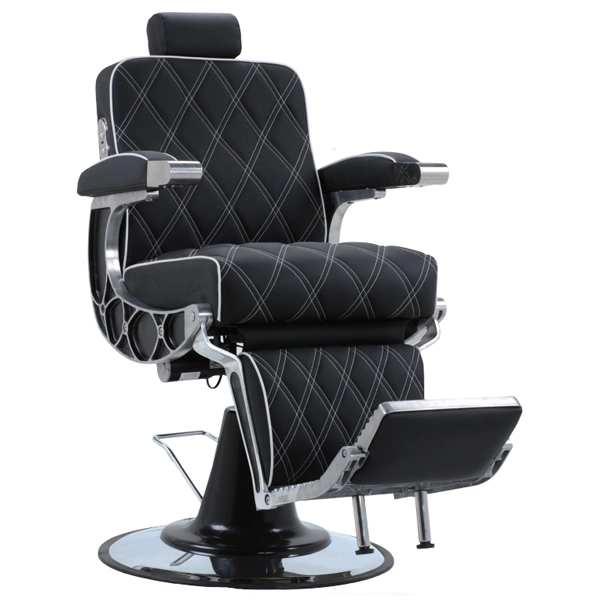
Styling Chair 8135
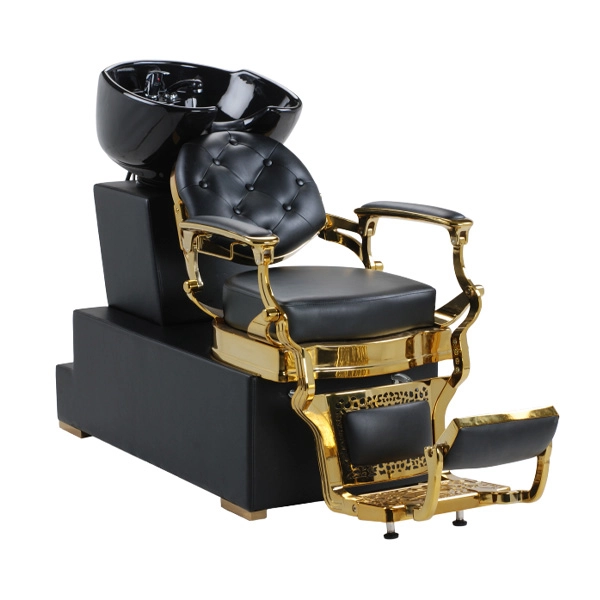
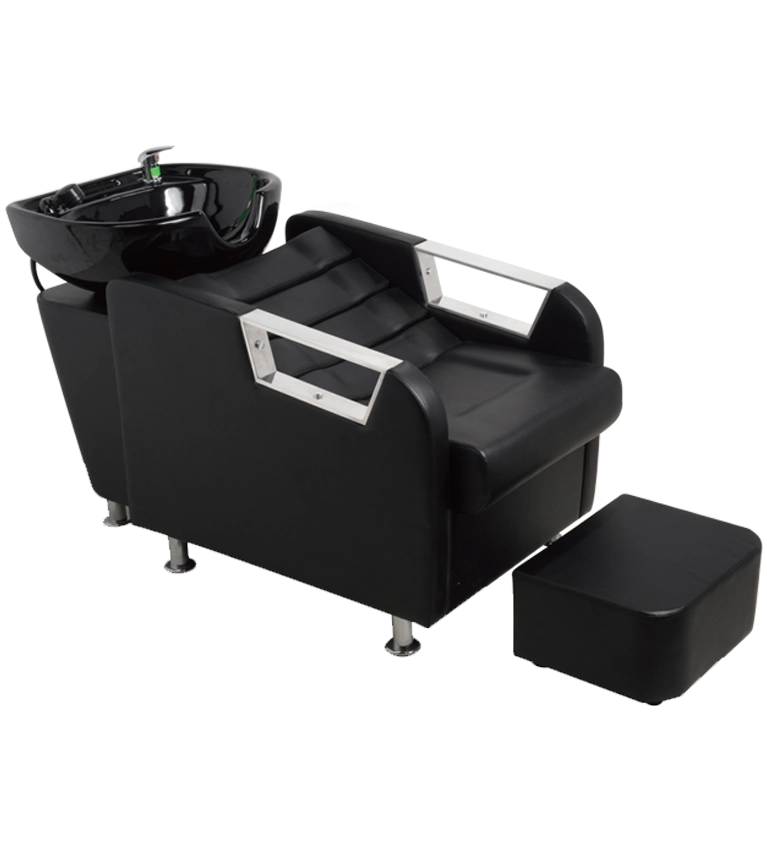
Hair Wash Station 2398
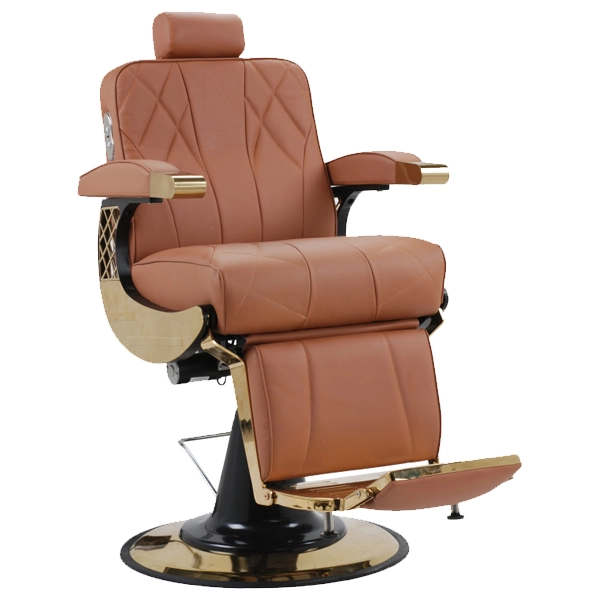
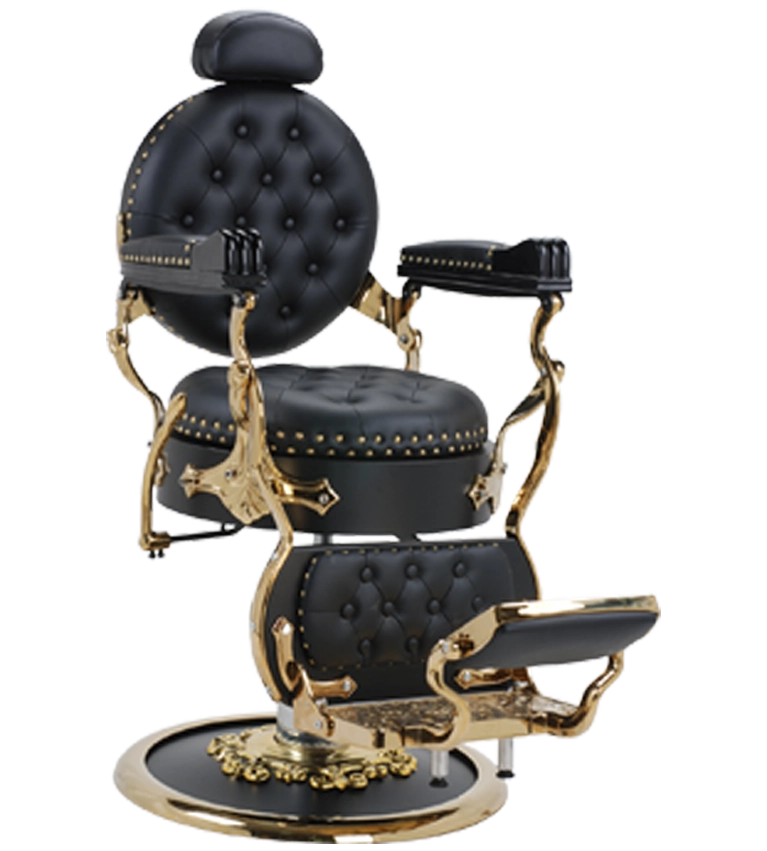
Electrical Barber Chair 8085
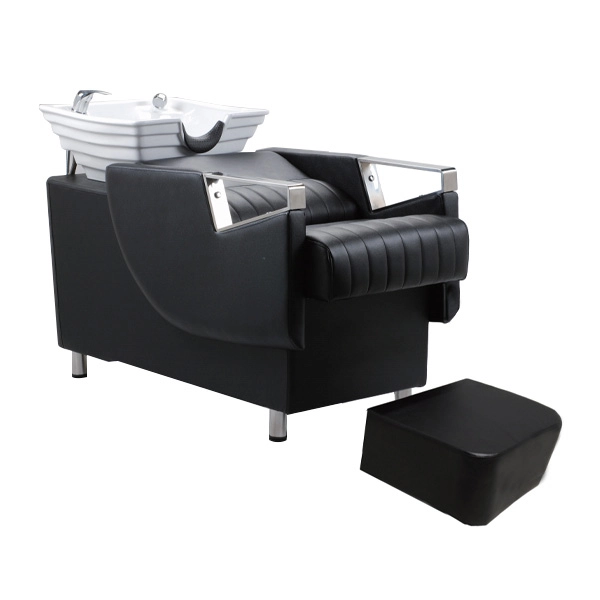
Hair washing bed 2378
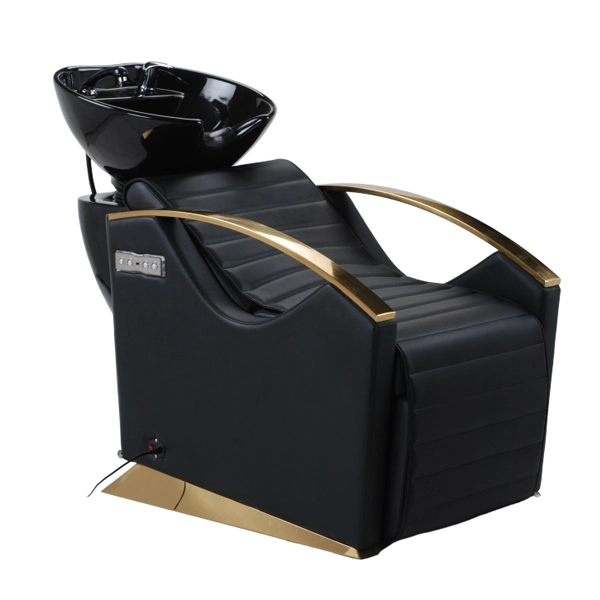
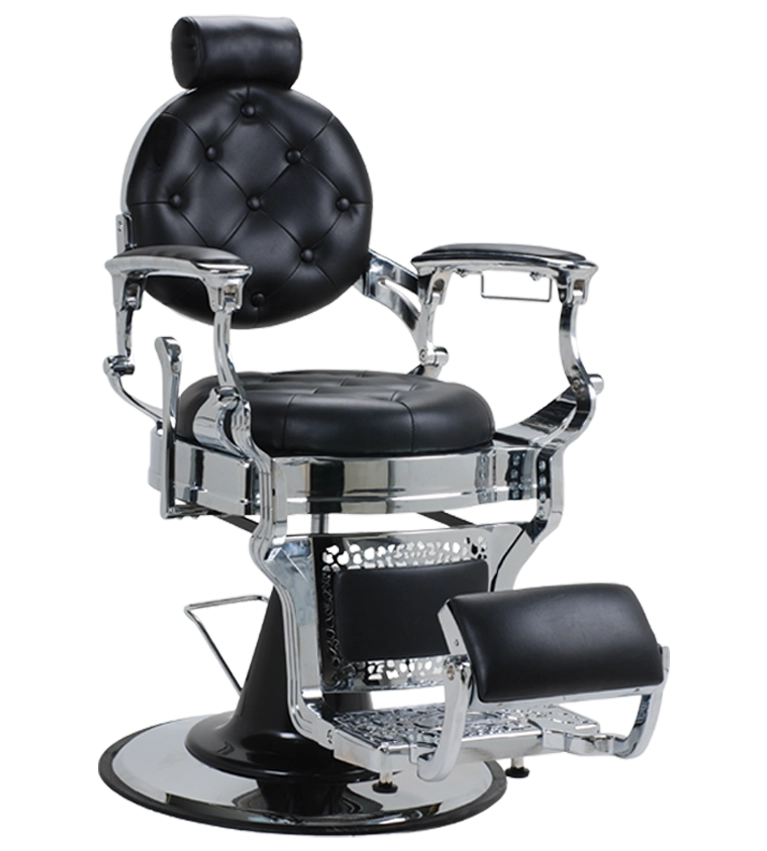
Hair Wash Station 2392-B
Discuss Your Project with Expert Salon Furniture Manufacturers
Tell us what you need — we’ll get back to you with a fast quote and personalized OEM/ODM support.