
How to choose the right barber chair company for your salon?
How to Choose the Right Barber Chair Company for Your Salon
Choosing a barber chair supplier is more than price and looks. This article answers six specific, frequently overlooked procurement questions for salon owners, shop managers, and purchasing teams sourcing commercial barber chairs from a salon furniture manufacturer or factory. Embedded are actionable checks for hydraulic durability, upholstery specifications, landed cost, spare parts, private-label scalability, and regulatory compliance.
1. How can I remotely verify a barber chair supplier's hydraulic pump durability and cycle life without visiting the factory?
Pain point: Buyers who source overseas need evidence the hydraulic unit will last under heavy daily use. Instead of trusting marketing language, request these concrete deliverables before committing:
- Third-party test reports from accredited labs such as SGS or Intertek showing hydraulic cycle testing. A common industry benchmark is 100,000 cycles; ask whether the pump passed continuous cycle testing and for the test protocol used.
- Detailed manufacturer datasheet for the hydraulic unit indicating rated load, maximum lift height, and rated cycles. If the supplier assembles generic pumps, request brand/model so you can check OEM datasheets.
- Photographic or video evidence of a finished chair under a continuous cycle rig (time‑stamped). A 60–120 second clip of the chair going through repeated raises/lower cycles demonstrates assembly quality under load.
- Warranty terms specific to the hydraulic pump and arrival condition. Acceptable commercial practice is at least 12 months on mechanicals, with 24–36 months for higher-end pumps or heavy-duty models.
- Spare part policy and lead time for replacement pumps. Ensure the supplier stocks pumps or can source them within 2–6 weeks to reduce downtime.
Checklist for negotiation: require test reports, name the pump brand/model in the contract, and define remedies if the pump fails within warranty (repair, replacement, or refund).
2. What precise upholstery and foam specifications should I require for high-turnover salons to avoid premature wear?
Pain point: Chairs in busy barbershops see repeated abrasion, cleaning, and product exposure. Generic descriptions like High Quality PU are not enough. Ask for these measurable specs:
- Upholstery material type: PU leather for commercial use is typical; for higher durability ask for commercial-grade PU or PVC coated fabric with specified abrasion rating (Martindale rubs or double rubs index). Target values: at least 40,000 Martindale or 100,000 double rubs for heavy use.
- Foam density and resilience: request foam density in kg per cubic meter. For daily-use commercial barber chairs, high-resilience foam 40–50 kg/m3 provides long-term shape retention and comfort. Specify foam hardness (ILD) for seat and back if comfort is critical.
- Cleaning and chemical resistance: get the cleaning code and chemical resistance data. Confirm upholstery resists common barber chemicals (alcohol-based disinfectants) and provide recommended cleaning agents and procedures to avoid voiding warranty.
- Seam and stitching specs: ask for thread type (nylon or bonded polyester) and double-stitching on high-stress seams. Reinforced foam inserts under armrests extend longevity.
- Fire and flammability compliance: for US shipments require compliance with local flammability standards such as California TB117-2013 guidance where applicable; for EU shipments ask for EN 1021 series test results or equivalent.
Contract requirement: include minimum abrasion rating, foam density, and a clause that non-conforming batches are subject to replacement at supplier expense.
3. How do I calculate the true landed cost for bulk commercial barber chair orders including duties, packaging, and freight variations?
Pain point: Unit FOB price hides costs that materially change supplier choice. To compare suppliers, build a total landed cost model with these line items:
- FOB factory price per unit.
- Packing and palletization: request gross weight and dimensions per boxed chair and per carton, and chairs per pallet. This determines container utilization and shipping unit cost.
- Logistics: ask for freight quotes for both 20ft and 40ft containers, or air freight per kg when urgent. Confirm whether supplier includes inland haulage to port and port handling fees in their FOB number.
- Insurance, customs duties, and VAT: classify the product under the correct HS code to estimate tariff rates for your country. Work with your customs broker early to avoid surprise duties.
- Incoterms: compare FOB vs CIF vs DDP. DDP gives predictable landed cost but includes supplier margin for customs clearance; FOB requires you to manage shipping and customs and can be cheaper if you have good freight contracts.
- Lead time and inventory carrying cost: longer lead times increase working capital. Factor in the opportunity cost of stockouts vs lower unit pricing.
Actionable tip: request an example cost breakdown for a typical order (eg 100, 200, 500 units) showing chairs per 20ft/40ft container, FOB, estimated freight, insurance, and duties. Use this to compute unit landed cost and compare apples to apples. When negotiating, get suppliers to commit to packaging specs that maximize container fill to reduce shipping cost per chair.
4. What replacement parts strategy and lead times should I demand for hydraulic, tilt, footrest, and upholstery components?
Pain point: A chair out of service is lost revenue. Replacement parts availability is often overlooked. Require these commitments:
- Spare parts list and SKU pricing for pumps, base plates, recline mechanisms, footrests, and upholstery panels. Ensure parts are interchangeable between batches (no hidden revisions).
- Minimum spare parts stock policy or consignment stock agreement for key items. For heavy-use salons, negotiate 6–12 months of recommended wear parts on a consignment or pre-paid basis.
- Lead times for common parts: expect 1–6 weeks depending on whether parts are stocked locally or shipped from factory. Aim for under 4 weeks for critical hydraulic components.
- Documentation: ask for exploded drawings, part numbers, and simple replacement guides or video tutorials so onsite technicians can perform routine repairs.
- Service network: check whether the supplier has authorized service partners or distributers in your region or offers remote technical support for maintenance.
Contract point: include an SLA for part availability and shipment time, plus pricing guarantees for a defined period (eg 24 months) so you are not surprised by inflated spare costs after initial purchase.
5. How can I assess whether a private-label salon furniture manufacturer can reliably scale my custom barber chair design?
Pain point: Small prototype runs may look good, but scaling to hundreds or thousands can reveal tooling and QC problems. Use this checklist to validate scalability:
- Prototype to production documentation: request a Production Part Approval Process (PPAP) or documented sample-to-production control plan showing dimensional tolerances, materials, and inspection points.
- Tooling ownership and maintenance: verify who owns molds or dies and how they handle revisions. Tooling lead times, costs, and revision procedures must be clear in writing.
- Capacity and parallel lines: ask the factory for cycle-time data and current capacity utilization. Confirm they can run parallel production lines and provide a realistic ramp schedule for volumes you need.
- Quality control sampling plan: request AQL levels for cosmetic vs functional defects and sample inspection reports from recent runs. A scalable supplier will provide routine inspection results and corrective action records.
- Intellectual property and confidentiality: ensure tooling, logos, and design assets are protected under contract. Negotiate IP clauses and non-compete for private-label builds.
- Pilot production run: before full-scale order, run a small pilot quantity (50–200 units depending on complexity) with fully representative packaging to test logistics and final acceptance criteria.
Ask for references from other clients who scaled private-label barber chairs. A reputable salon furniture manufacturer will have case studies and be transparent about ramp timelines and tooling costs.
6. Which certifications and test reports matter for barber chair procurement in US, EU, and Australia, and how do I validate them?
Pain point: Non-compliant furniture can be held at customs or fail to meet local safety rules. Focus on these certifications and how to confirm authenticity:
- Quality management: ISO 9001 demonstrates the supplier follows a formal quality management system. It does not certify product safety but indicates process controls.
- Product testing: ask for independent test reports from accredited labs such as SGS, Intertek, or TUV covering load tests, hydraulic cycle life, corrosion (salt spray), and flammability where applicable.
- Flammability standards: for upholstery check applicable regional standards. In the EU, test standards in the EN series are relevant; in the US, verify compliance with state rules such as California TB117-2013 when required by local regulation or retailer policy.
- Electrical safety: if chairs include electrical components (heated seats, powered recline), require CE marking for EU shipments and national approvals for other regions, plus supplier-provided test reports for electrical safety and EMC.
- How to validate documents: request scanned copies of test reports showing lab header, report number, dates, and tested sample details. Cross-check report numbers with the issuing lab and verify they are not forged. Ask the supplier to provide a contact at the testing lab for quick verification.
Important: include contract clauses that require valid, dated third-party test reports for all critical elements and permit pre-shipment inspection by a buyer-appointed inspector or a trusted third-party inspection company.
Semantic keywords used naturally above include: salon furniture manufacturer, commercial barber chair, hydraulic barber chair, PU leather upholstery, factory direct pricing, bulk order lead time, replacement parts, custom branding, CE certified, after-sales warranty.
Concluding summary
Choosing the right barber chair supplier means verifying hydraulics and cycle testing, defining upholstery and foam standards, modeling true landed cost, locking in spare parts SLAs, validating private-label scalability, and demanding authentic third-party certifications. A reputable salon furniture manufacturer that offers transparent test reports, predictable lead times, documented spare parts, and clear warranties reduces operational risk and total cost of ownership. Advantages of working with an experienced factory-direct supplier include lower per-unit pricing, control over customization and branding, coordinated quality control, and easier access to replacement parts.
For a tailored quote, production timeline, and examples of test reports and container loading plans, contact us at www.senkelly.com or email jinhechair@outlook.com
- 1. How can I remotely verify a barber chair supplier's hydraulic pump durability and cycle life without visiting the factory?
- 2. What precise upholstery and foam specifications should I require for high-turnover salons to avoid premature wear?
- 3. How do I calculate the true landed cost for bulk commercial barber chair orders including duties, packaging, and freight variations?
- 4. What replacement parts strategy and lead times should I demand for hydraulic, tilt, footrest, and upholstery components?
- 5. How can I assess whether a private-label salon furniture manufacturer can reliably scale my custom barber chair design?
- 6. Which certifications and test reports matter for barber chair procurement in US, EU, and Australia, and how do I validate them?
- Concluding summary

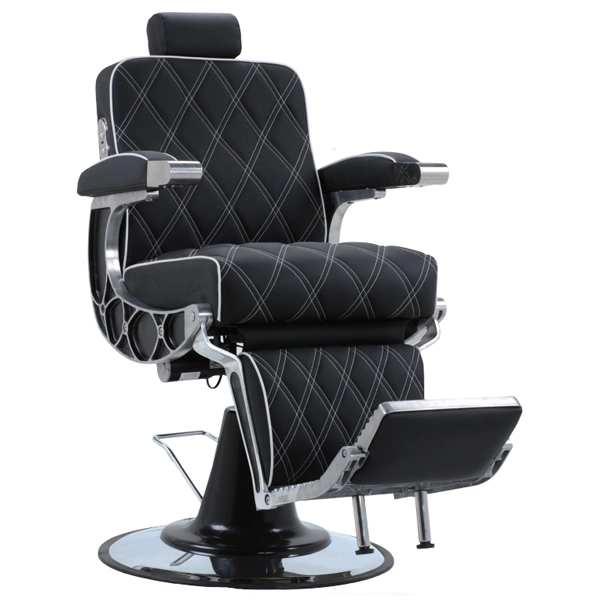
Styling Chair 8135
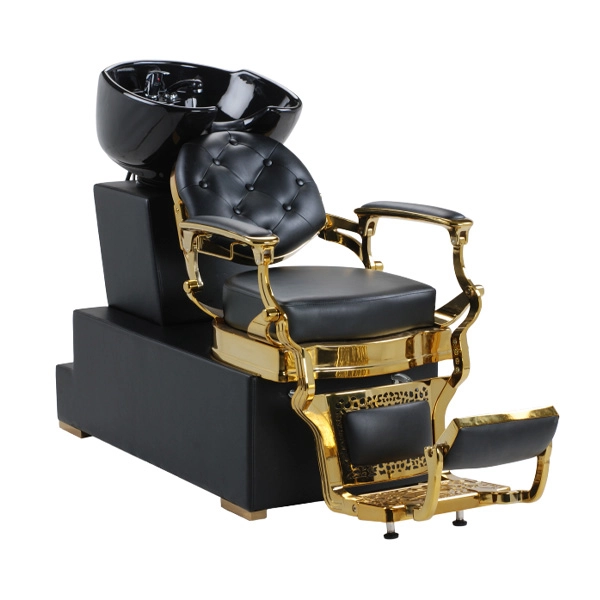
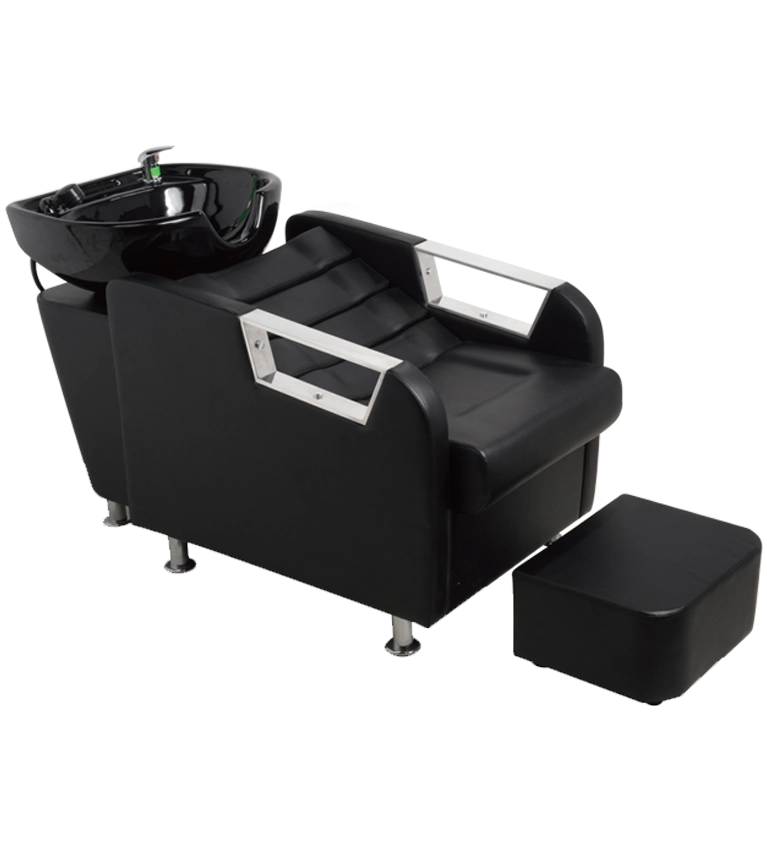
Hair Wash Station 2398
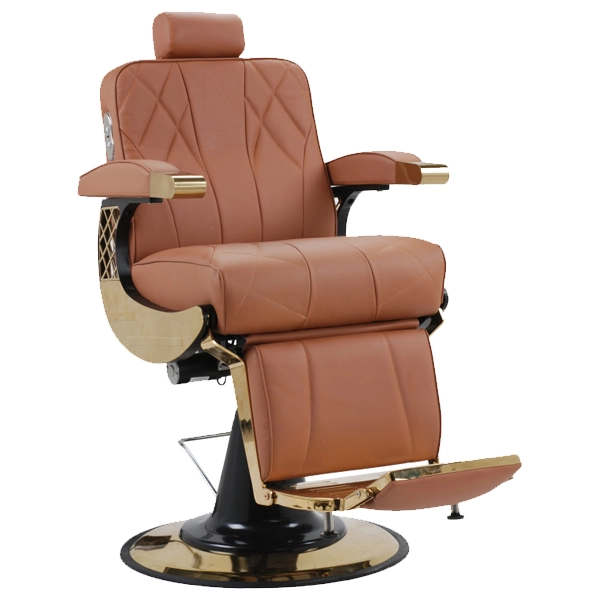
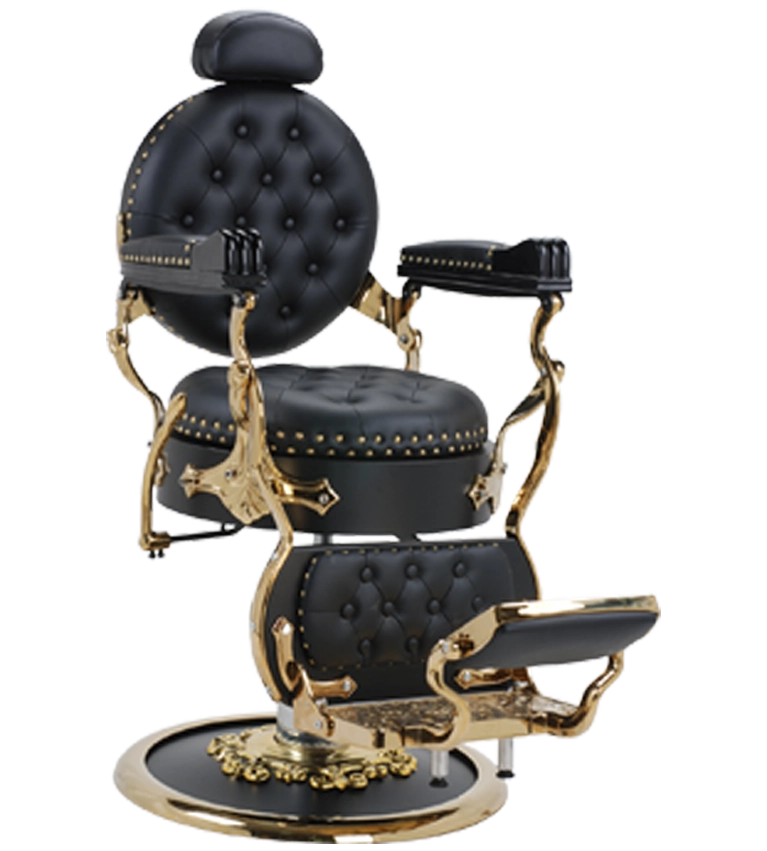
Electrical Barber Chair 8085
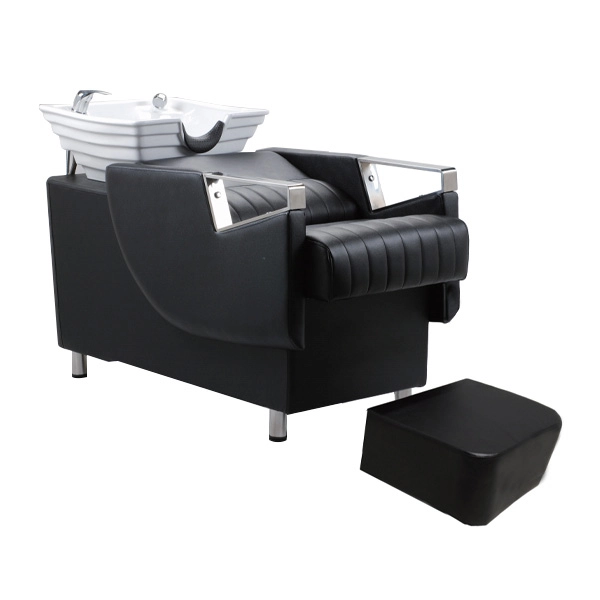
Hair washing bed 2378
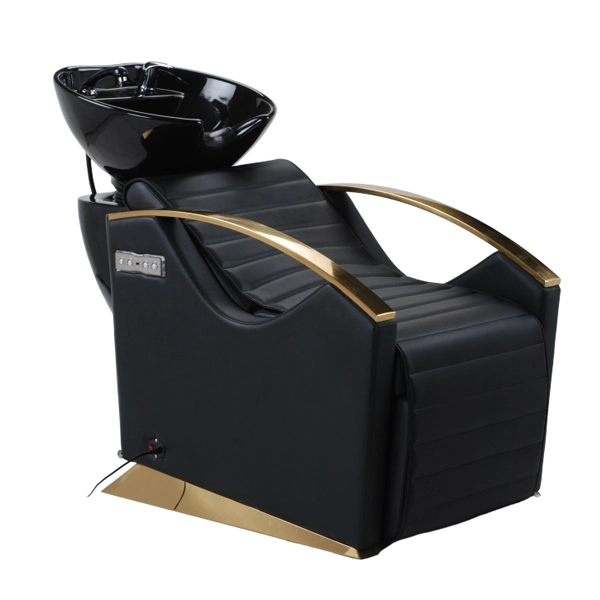
Hair Wash Station 2392-B
Discuss Your Project with Expert Salon Furniture Manufacturers
Tell us what you need — we’ll get back to you with a fast quote and personalized OEM/ODM support.