
Which shampoo chair for sale gives best value for salon owners?
Which shampoo chair for sale gives best value for salon owners?
Choose a shampoo chair that balances durable materials, ergonomic design, installation compatibility and realistic total-cost-of-ownership; this guide condenses manufacturer-grade evaluation criteria to help salon owners and purchasing managers make a technically sound, long-term investment.
This article synthesizes six practical procurement-focused answers for salon owners and buyers: material longevity, ergonomic risk reduction, plumbing and electrical compatibility, client comfort versus throughput, electric recline trade-offs, and a TCO worksheet approach. These sections are extracted to a structured FAQ for easy procurement reference.
Conclusion: Selecting the best-value shampoo chair is not about lowest upfront price but about matched specifications, serviceability, and documented spare-parts support; Senkelly works directly with salon furniture manufacturers to ensure chairs meet operational realities, provide reliable warranties, and supply installation documentation to reduce hidden costs and downtime.
For a tailored quote and specification support, contact us at www.senkelly.com or jinhechair@outlook.com.
FAQ
Which shampoo chair materials deliver longest lifespan for heavy-use salons?
Prioritise corrosion-resistant basins and robust frame materials. Commonly used basin materials are glazed ceramic, high-impact fiberglass with gelcoat and stainless steel; each has different maintenance profiles. Frames made from powder-coated steel or anodised aluminium resist structural fatigue and rust better than untreated steel. Upholstery choices matter too: high-quality polyurethane (PU) with antimicrobial finish is industry-preferred because it balances abrasion resistance, cleanability, and cost; genuine leather performs well but requires specialised care. For heavy-use environments demand detailed material specs from the manufacturer (substrate, coating thickness, UV and cleaning-chemical resistance) and request an accelerated-wear statement or third-party material data sheet so you can compare longevity and maintenance needs objectively.
How to evaluate ergonomic shampoo chair design for technician safety?
Assess ergonomics by measuring adjustability and how it reduces repetitive strain. Key checks: basin height range and tilt to keep technician wrists and shoulders in neutral postures; seat height and rotation to avoid leaning; accessible footrests or client supports that reduce awkward reaches. Look for smooth, tool-free adjustments and limited pinch points. Use established ergonomic guidance — for example, OSHA and occupational health literature emphasize neutral spine alignment and minimizing sustained reaches — and have your technicians trial the chair for 10–15 minutes performing typical services to evaluate posture and reach. Require manufacturers to provide adjustment ranges (mm or degrees) and, when possible, onsite demo units to verify real-world ergonomics before purchase.
What plumbing compatibility should I check before buying shampoo chair?
Confirm the drain configuration and supply connections against your salon’s existing plumbing. Verify whether the unit expects a wall or floor drain, the trap location, and whether it uses flexible hoses or hard connections. Check if the chair includes a mixer valve, integrated anti-backflow devices, and whether it ships with correct fittings for your country’s standard connectors. Also confirm whether the chair’s basin has an overflow and accessible cleanout. Action steps: photograph your plumbing rough-in, obtain an installation diagram from the manufacturer, and ask if they provide optional adaptors or a plumber-friendly kit; this avoids last-minute site modifications and unexpected installation costs.
Which features maximize client comfort while reducing salon turnaround times?
Balance comfort features with operational speed. For clients, contoured neck rests, memory tilt positions and soft but supportive upholstery improve perceived comfort. For throughput, choose basins with efficient drainage and anti-splash geometry, quick-clean upholstery surfaces, and integrated storage for frequently used products. Modular designs that allow quick upholstery swaps or removable basins reduce downtime for repairs and cleaning. Practical procurement: prioritise hardwearing neck pads that are replaceable, basins shaped to reduce water spillage, and station layouts that minimise technician movement — these micro-efficiencies compound into faster services without degrading client experience.
Is electric recline worth extra cost in mid-sized salon shampoo chairs?
Electric recline offers precision, low-effort adjustment and can improve client comfort and technician posture, but it comes with trade-offs. Pros: smooth transitions, programmable positions, and reduced manual strain. Cons: higher initial cost, increased maintenance (motors, controllers), dependency on reliable power and potential downtime during electrical faults. For mid-sized salons, consider service model and clientele: if you repeatedly serve mobility-limited clients or provide multi-step treatments where frequent recline changes save meaningful time, electric units can justify the investment. Otherwise, high-quality hydraulic or gas-lift mechanisms often provide a lower-maintenance, cost-effective compromise with similar ergonomic benefits.
How to calculate total cost of ownership for a shampoo chair?
TCO must include more than the purchase price. Build a multi-year spreadsheet containing: acquisition price, shipping and import duties, installation (plumbing/electrical labor and materials), warranty terms and expected spare-parts lead times, routine maintenance (upholstery cleaning/replacement cycles), energy use for powered components, expected downtime costs when the unit is out of service, and end-of-life disposal or resale value. Request from suppliers their spare-parts pricing, typical repair intervals, and warranty claim rates if available; these vendor-provided metrics make your TCO realistic. Compare 3- to 5-year scenarios rather than one-off costs — a slightly higher initial price can be lower TCO if the unit reduces downtime and maintenance costs.

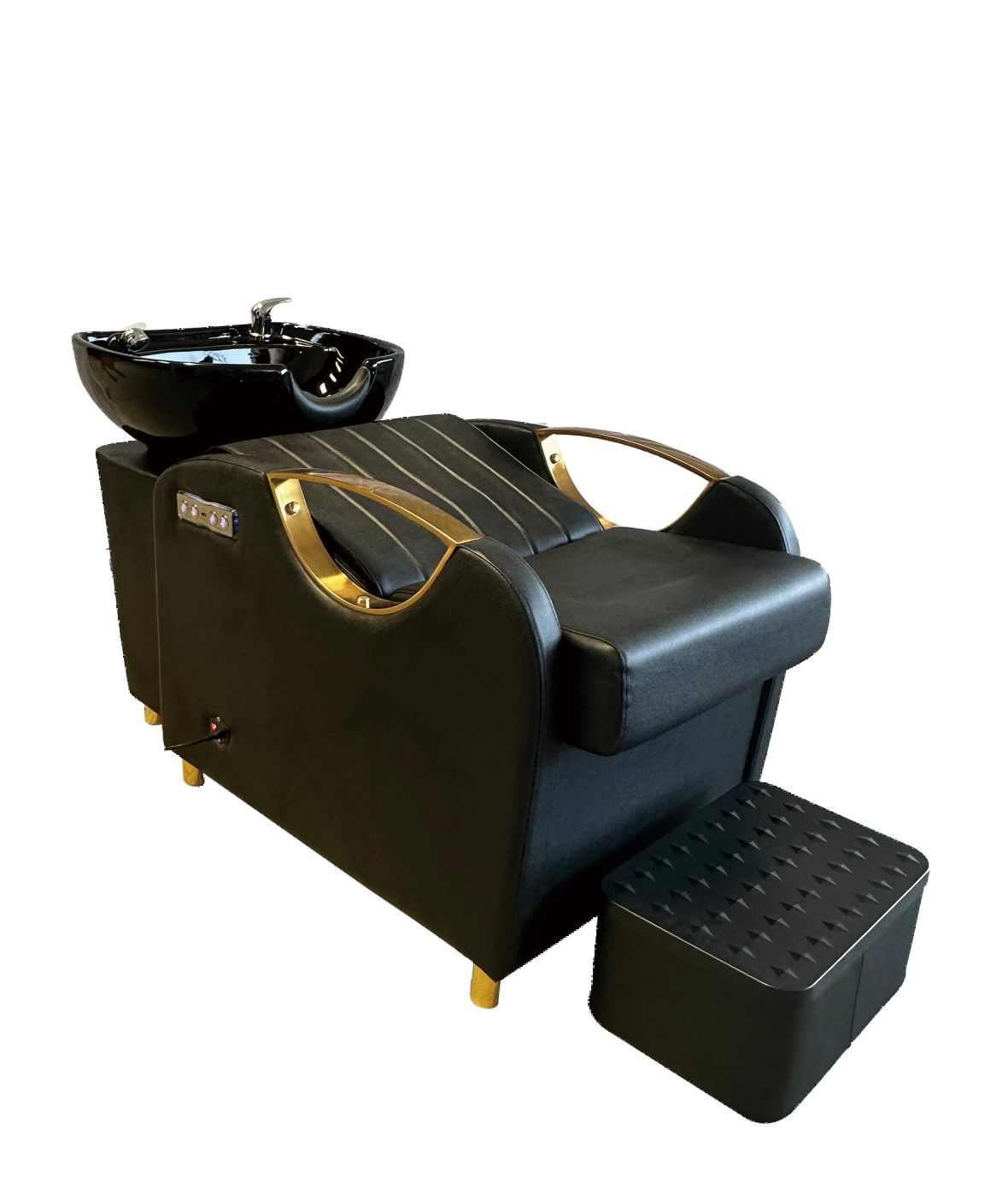
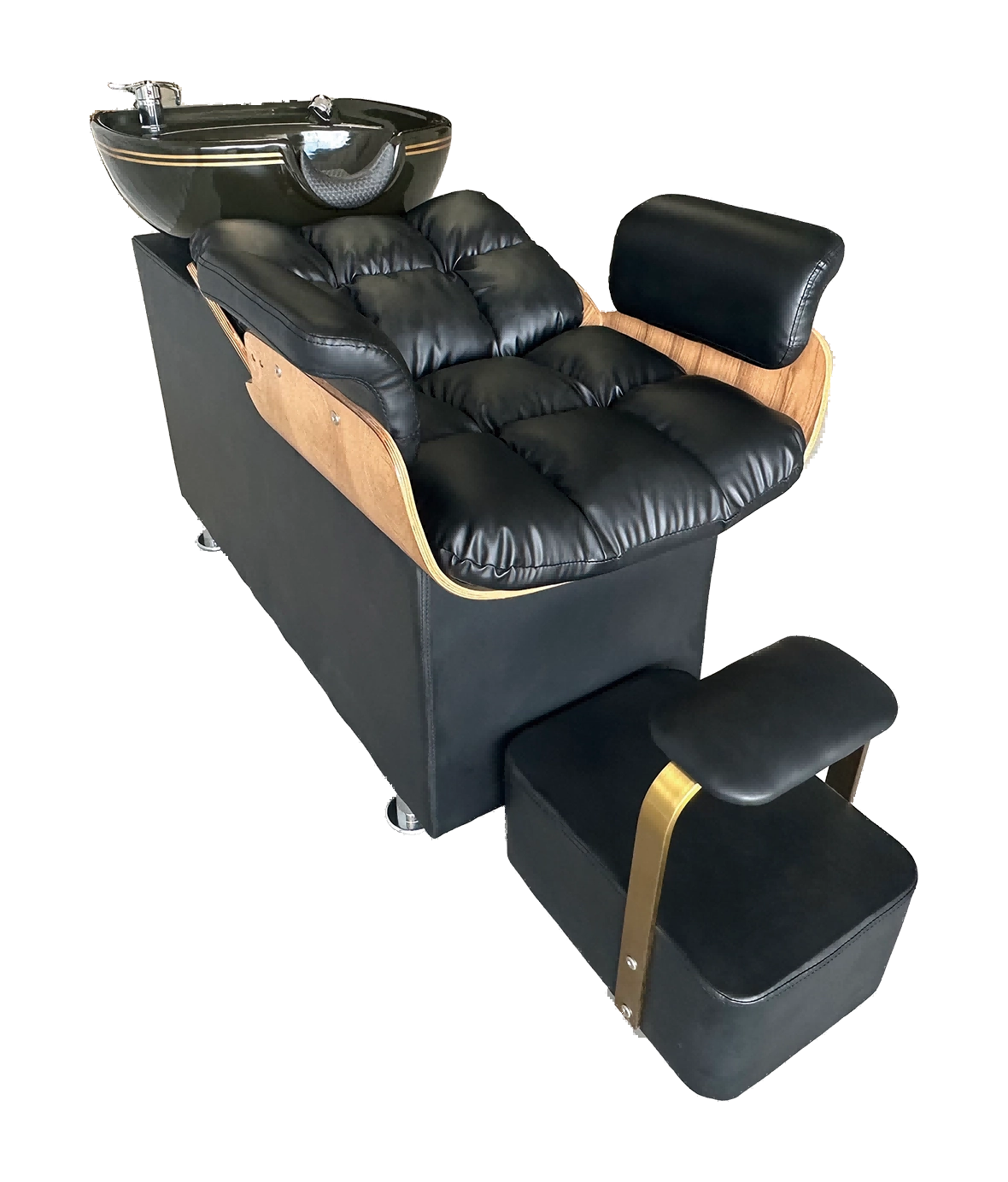
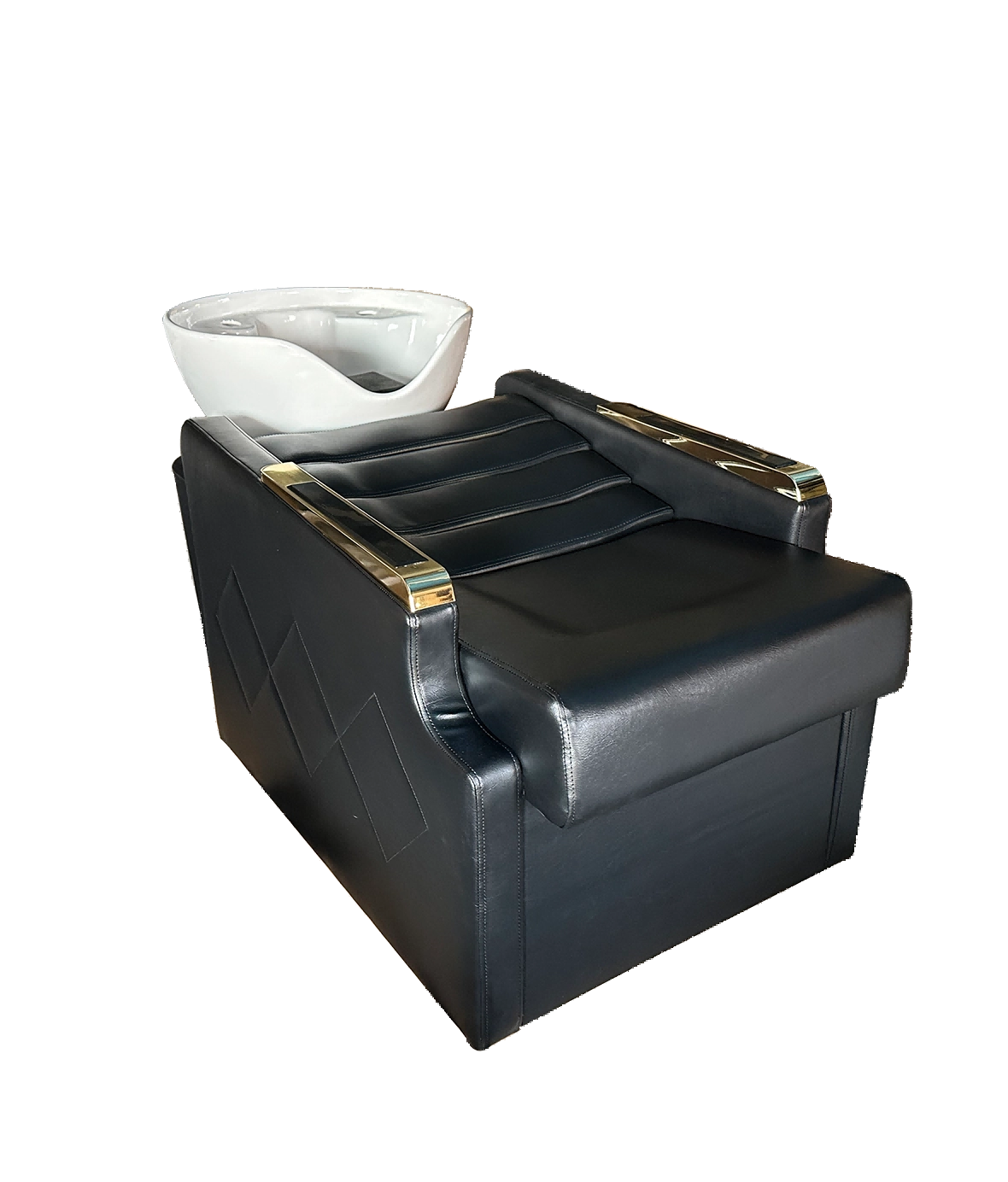
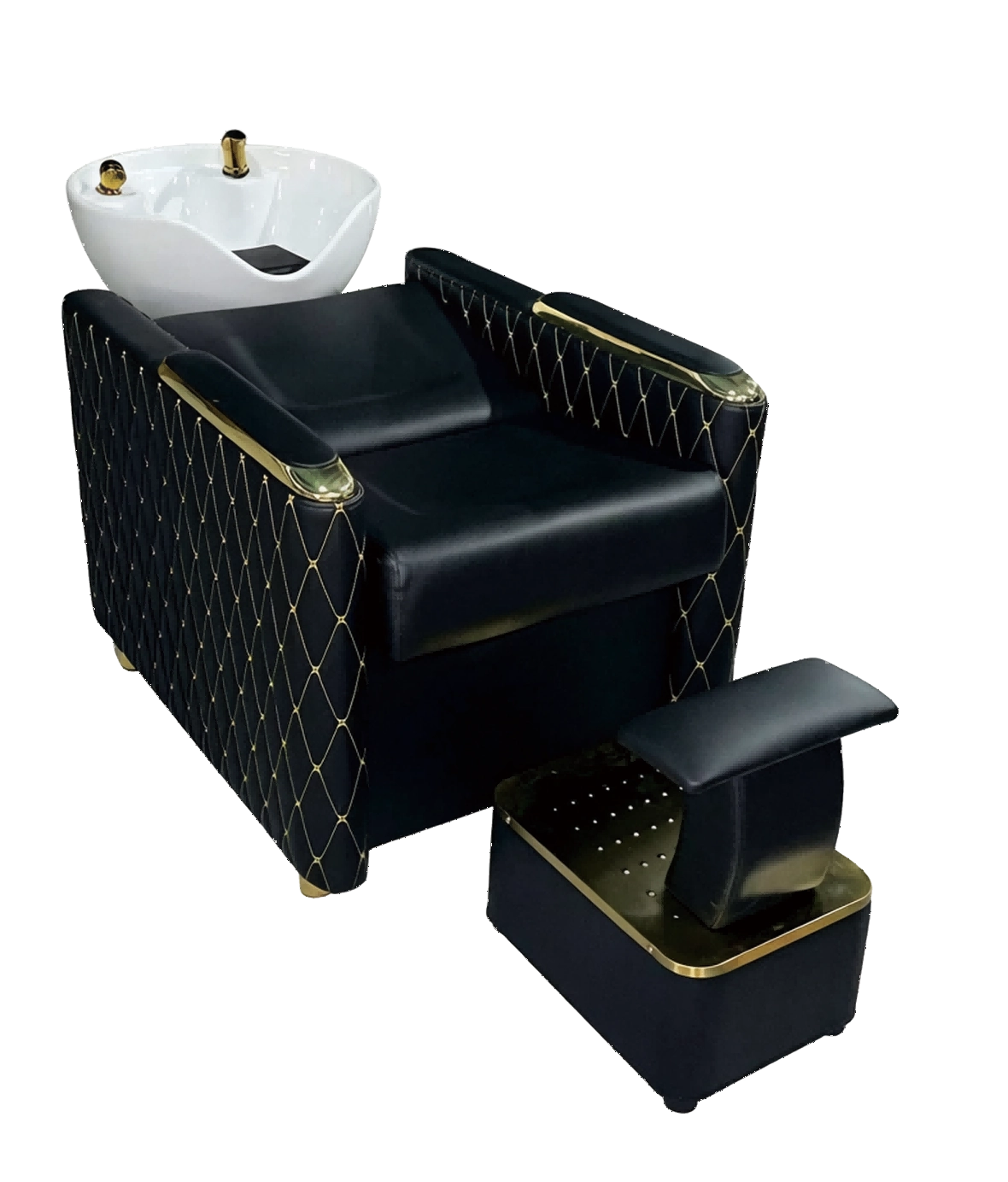
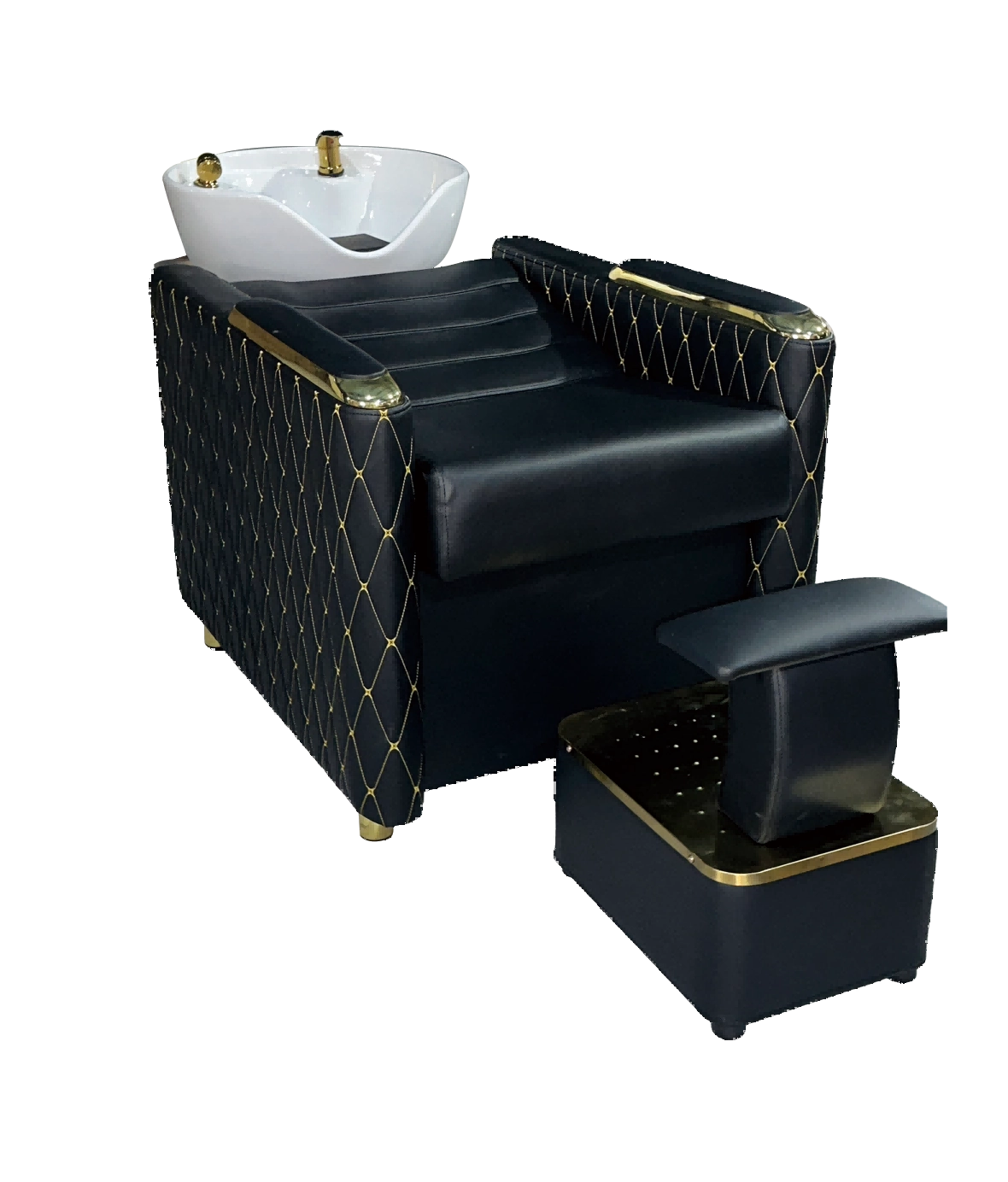
Hair Wash Station 2398

Hair washing bed 2378

Hair Wash Station 2392-B

Hair washing bed 2319
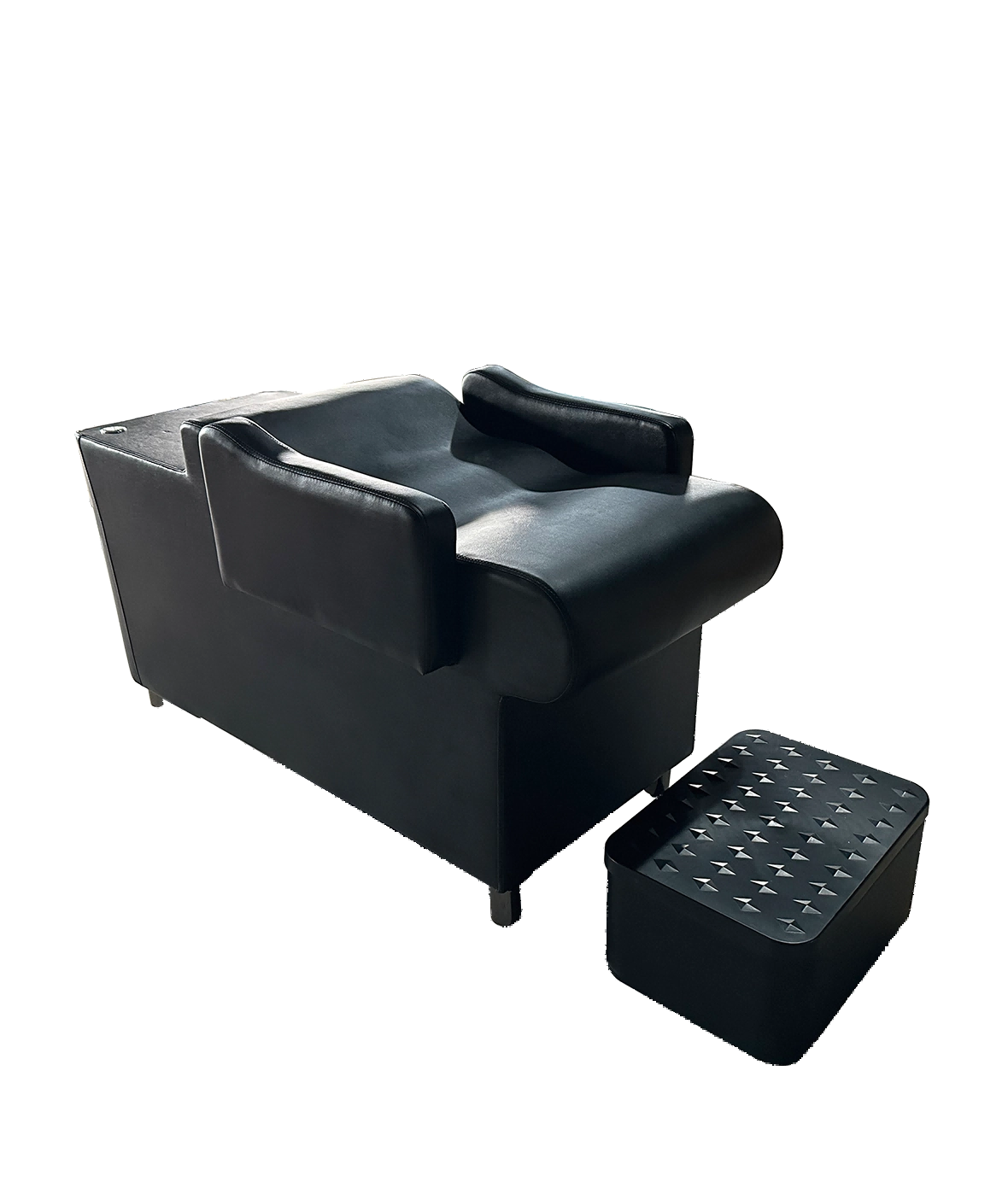
Hair washing bed 2523
Discuss Your Project with Expert Salon Furniture Manufacturers
Tell us what you need — we’ll get back to you with a fast quote and personalized OEM/ODM support.