
How to Choose the Best Styling Chair for Your Salon Business?
Choosing the right styling chair is a business decision that affects client comfort, stylist ergonomics, downtime, and long-term costs. This guide is written for salon owners, managers and procurement specialists and draws on verifiable industry tests and supplier documentation practices. When evaluating salon furniture manufacturers, request test reports (for example ISO/SGS reports, Martindale abrasion test results for upholstery, and Declarations of Conformity such as CE or UL for electrical parts). Below are six specific buyer questions with detailed, practical answers to use when comparing commercial-grade styling chairs and negotiating purchase terms.
How can I verify a styling chair's hydraulic pump durability and get realistic service-life expectations before purchase?
Hydraulic reliability is a frequent hidden cost. To verify durability before buying, ask the manufacturer or supplier for three concrete items:
- Hydraulic test report or cycle test: reputable manufacturers or third-party labs issue endurance tests showing number of lift/lower cycles and leak checks. Ask for the exact test protocol and acceptance criteria used by the lab (sample size, cycles to failure, pressure conditions).
- Material and component traceability: request model and vendor details for the hydraulic cylinder, seals and control valves. Knowing the part numbers lets you check spare-part availability and cross-reference industry datasheets.
- Warranty and spare-parts policy: commercial styling chairs typically include warranties on hydraulics; confirm warranty length, what it covers (leak, loss of lift, gas spring failure) and whether replacement cylinders are stocked or drop-shippable. Also ask for estimated lead times for hydraulic replacements and unit repair guides.
- Weight capacity: require a commercial minimum of 300 lbs (136 kg) rated capacity for styling chairs to cover the full client demographic. Suppliers often offer 300–400 lb rated options for heavy-duty models.
- Seat width and depth: request seat widths in the 46–56 cm (18–22 in) range for mainstream styling chairs. Depth should support clients without forcing them forward—roughly 40–50 cm (16–20 in) is common.
- Backrest height and lumbar support: for styling tasks, a back height of 30–40 cm (12–16 in) with a gentle lumbar contour helps client comfort during 45–90 minute services.
- Adjustable height range: specify an adjustable height span that accommodates your workstation and stylist posture—confirm minimum and maximum seat heights in your salon setup (for example to match sinks, shampoo bowls and standing stylist reach). Note the smoothness and step-free operation of the hydraulic lift.
- Rotation and recline: require swivel 360º or lockable rotation and confirm recline angle and mechanism (ratchet vs. gas-assisted) depending on service types. If you do color services or blow-dry with seated clients, rotation and tilt stability are critical.
- Repeatability and lock-in: ask for positional repeatability specs (how consistently the chair returns to a set height under load) and lock mechanisms for safety.
- Request chemical resistance and abrasion test reports: look for Martindale abrasion cycles (ISO 12947) and chemical-resistance tests against the cleaners/ disinfectants you use (for example 70% isopropyl alcohol is common for surface disinfection). Manufacturers should provide test conditions and pass/fail data.
- Material recommendations: high-quality PU-coated vinyl (sometimes labeled commercial-grade PU leather) with demonstrated alcohol resistance is widely used because it balances cost, cleanability and tactile comfort. PVC/vinyl varieties are generally cheaper but can become stiff and crack sooner under alcohol-based cleaners unless formulated for commercial use. Genuine leather offers longevity and comfort but requires specific cleaning agents and is less tolerant of frequent alcohol disinfection.
- Foam and backing: request foam density (kg/m3) and foam type (HR foam recommended). For commercial styling chairs, foam densities in the 30–40 kg/m3 range provide firm, durable support with good recovery. Also check backing fabric and seam construction—double-stitched seams and reinforced stress points reduce seam failure under daily use.
- Maintenance protocol and cleaning compatibility: ask the manufacturer for a written cleaning and disinfection protocol tailored to the upholstery material and verify it against your salon chemicals. If vendors cannot provide protocol or test data, require a third-party compatibility test before large orders.
- Visual inspection: check for paint/coating defects, rust, scratches, loose welds or cold weld indicators. Inspect weld consistency, looking for porosity or undercutting along load-bearing joints.
- Base and stability: place the chair on a flat surface and apply lateral force at seat level to detect wobble. Rotate the chair and re-test. Bolts and fasteners should be torqued to the manufacturer’s spec; request a torque sheet if available.
- Hydraulic leak and operation: operate the lift through its full stroke at least 20 times. Look for oil seepage, pressure loss, uneven motion or sudden drops. Check seals where the cylinder meets the base and under the seat plate.
- Upholstery and seams: inspect seam stitching, check for glue lines, and look for small tears or pinholes in vinyl that will expand with use.
- Functional tests: swivel, lock, recline, footrest operation and any electrical components (heaters, LED mirrors, powered footrests) should be tested and verified against specs. Ask for CE Declaration or UL listing for electrical parts when applicable.
- Documentation and spare parts: confirm included manuals, parts lists, warranty certificates and contact details for spare components. Stamp the delivery note with any defects and take timestamped photos for claims.
- Initial capital cost = unit price × quantity + freight and installation.
- Annual maintenance = estimated parts replacements (hydraulic cylinder, castors, levers), scheduled reupholstery or repairs, and cleaning supplies. Ask suppliers for typical mean-time-to-failure (MTTF) for wear parts to estimate replacement frequency.
- Downtime cost = number of lost service hours per chair × average revenue per hour. Include technician time to repair or replace components if chairs are taken out of service.
- Refurbishment/resale value = expected reupholstery or partial refurbishment cost after X years and expected residual value if you resell or trade-in chairs.
- Example approach: collect supplier quotes for replacement cylinders, castors and reupholstery; estimate average annual failures per 10 chairs; multiply by unit replacement cost and add labor. Then add cleaning and consumables. This yields an annual operating cost which you can sum for five years and add to capital cost.
- Quality management and factory audits: ISO 9001 certification for the manufacturer is a strong indicator of consistent production and document control.
- Electrical safety: for powered chairs or LED mirrors, request CE Declaration of Conformity for the EU, or UL/ETL test reports for the US market. Ensure wiring harness and power supplies have marks appropriate for your jurisdiction.
- Upholstery flammability: ask for upholstery flammability test reports relevant to your market such as UK BS 5852, Australian AS/NZS standards, or state-specific tests. In the US, check state or local fire codes—insured salons often require compliance documentation for upholstered commercial furniture.
- Material and chemical tests: Martindale abrasion tests (ISO 12947), colorfastness, and written chemical-resistance testing against approved disinfectants.
- Declaration of conformity and spare parts list: a signed declaration listing model numbers, serial numbers and scope of warranty reduces ambiguity at claims time. Also request a Bill of Materials (BOM) and exploded parts drawing for future repairs.
On-site validation at delivery: perform 200–300 test cycles distributed across the height range to check for slow leaks, pressure drift, or noisy operation. Check for oil stains and mounting bolt torque. If possible, obtain an independent third-party inspection or video documentation from the factory acceptance test (FAT).
What exact seat dimensions, weight capacity, and adjustability ranges should I require to prevent client discomfort and stylist back pain?
Ergonomics is about ranges and repeatability. Specify objective dimensions and adjustability targets in procurement documents:
Put these specs into the purchase order: quoting exact figures reduces returns and misaligned expectations.
Which upholstery materials (PU, PVC, genuine leather, antimicrobial vinyl) will survive daily disinfecting with salon chemicals without cracking?
Upholstery selection is a balance among disinfectability, abrasion resistance, comfort and budget. To make a defensible choice:
What detailed on-delivery inspection checklist should I use to spot hidden defects in welds, base stability, and hydraulic sealing?
Use an on-delivery checklist to catch defects before accepting goods or commencing installation. Key checks include:
How do I calculate the true total cost of ownership for 10–20 styling chairs over five years including parts, reupholstery, and downtime?
Rather than guessing, frame a simple TCO model that quantifies initial cost and recurring costs. Use this template and populate with supplier quotes and local labor rates:
Procurement tip: ask suppliers for historical failure rates and list of commonly replaced parts for the specific model. Insist on spare-parts price lists and lead times before signing large purchase orders.
What certifications, test reports, and documentation must I request to ensure styling chairs meet local electrical and fire-safety insurance requirements?
Compliance and documentation reduce insurance friction and legal risk. At minimum, request and verify the following:
Before purchase, confirm with your local insurer or fire marshal whether additional documentation or labelling is required in your jurisdiction; insurers sometimes require copies of the supplier’s test reports to honour business insurance policies.
Concluding summary — advantages of selecting the right styling chair
Choosing a commercial-grade styling chair using the checks above delivers measurable benefits: improved client comfort and retention, reduced stylist fatigue and injury risk, lower long-term maintenance and replacement costs, minimized downtime, and clearer insurance and compliance records. Verified test reports and clear spare-part policies reduce procurement risk and make fleet management predictable.
If you need model comparisons, factory test reports, or a tailored quote for a fleet purchase, contact us for a quote at www.senkelly.com or by email at jinhechair@outlook.com.
- How can I verify a styling chair's hydraulic pump durability and get realistic service-life expectations before purchase?
- What exact seat dimensions, weight capacity, and adjustability ranges should I require to prevent client discomfort and stylist back pain?
- Which upholstery materials (PU, PVC, genuine leather, antimicrobial vinyl) will survive daily disinfecting with salon chemicals without cracking?
- What detailed on-delivery inspection checklist should I use to spot hidden defects in welds, base stability, and hydraulic sealing?
- How do I calculate the true total cost of ownership for 10–20 styling chairs over five years including parts, reupholstery, and downtime?
- What certifications, test reports, and documentation must I request to ensure styling chairs meet local electrical and fire-safety insurance requirements?
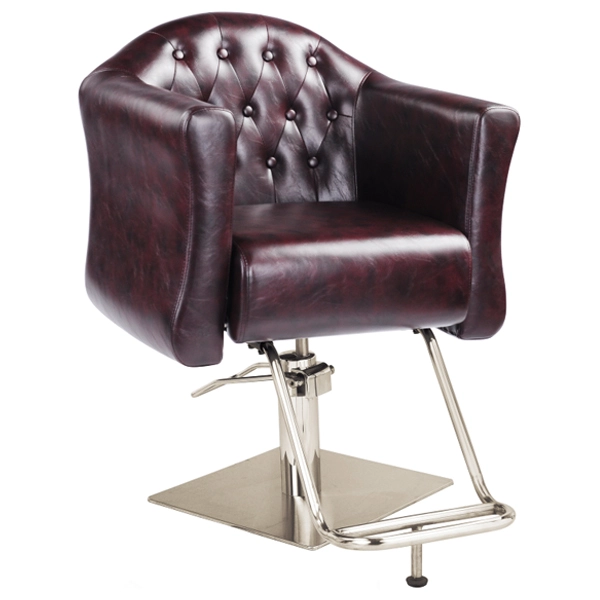
Styling Chair 8832
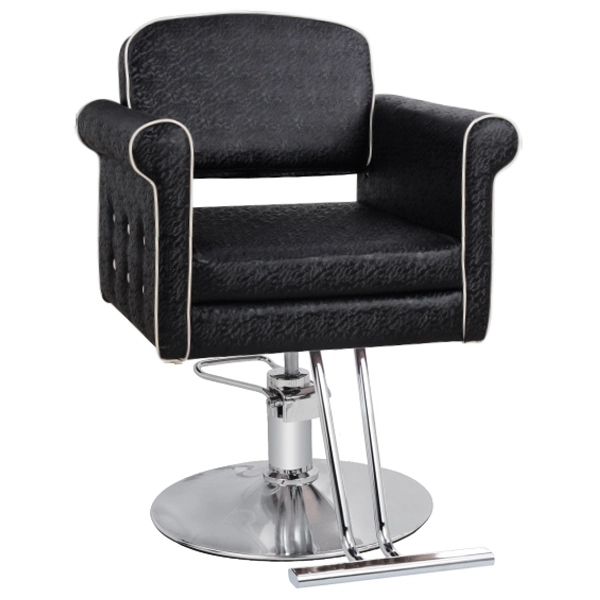
Styling Chair 8819
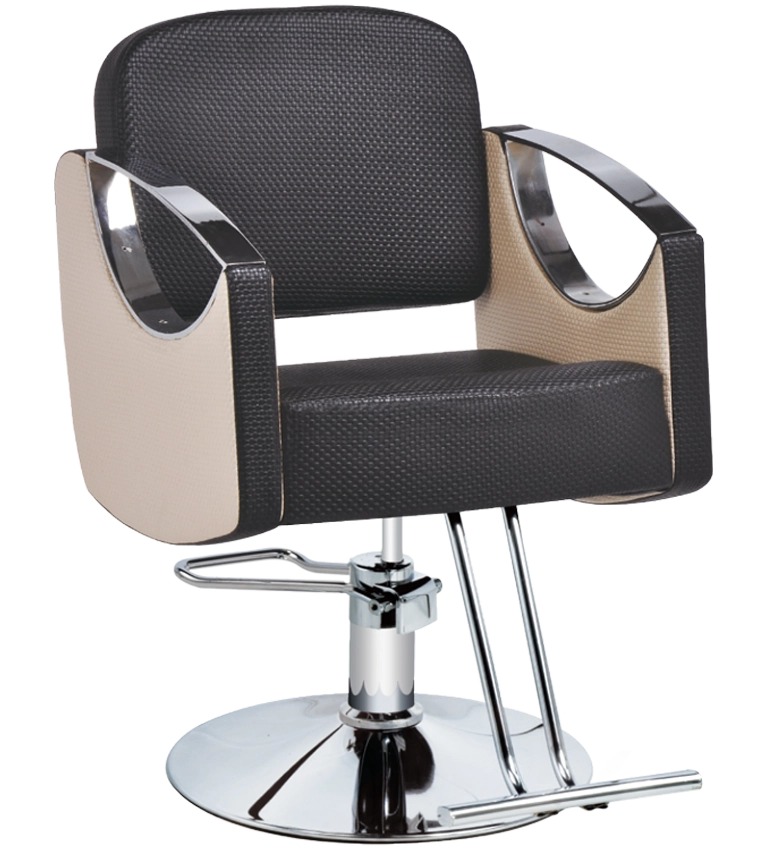
Styling Chair 8938

Styling Chair 8135

Hair Wash Station 2398





Discuss Your Project with Expert Salon Furniture Manufacturers
Tell us what you need — we’ll get back to you with a fast quote and personalized OEM/ODM support.