
How to Compare Adjustable vs Fixed Shampoo Chairs?
How to Compare Adjustable vs Fixed Shampoo Chairs?
This guide distills professional criteria to compare adjustable and fixed shampoo chairs—ergonomics, basin alignment, plumbing access, moving-part reliability, warranty, lifecycle cost, and regulatory safety; it includes vendor-evaluation heuristics salon managers can use for data-driven procurement decisions.
Introduction: Buyers in the salon furniture manufacturers sector face two recurring procurement mistakes: overpaying for adjustability they cannot service, or underspecifying ergonomics and plumbing compatibility that create daily workflow friction. This article removes vendor marketing and focuses on measurable, testable specifications that impact uptime, staff health, and total cost of ownership.
Conclusion: Selecting the right shampoo chair requires aligning clinical ergonomics, installation realities, maintenance capacity, and warranty/service pathways. Senkelly draws on industry-focused manufacturing practices to design serviceable chairs with documented component access, spare-parts supply strategies, and compliance documentation to reduce downtime and lifecycle cost risk.
For a personalized quote and technical evaluation, contact us at www.senkelly.com or jinhechair@outlook.com.
FAQ
How do adjustable shampoo chairs reduce stylist workplace injuries?
Adjustable models reduce ergonomic stress by allowing the operator to position the client so the stylist maintains neutral wrist, shoulder and lumbar posture. Key measurable features to demand from vendors are: seat-height range and lock accuracy, controlled recline angle, headrest adjustability and basin tilt. In practice, an adjustable unit that provides smooth, incremental height and recline adjustments reduces repetitive overreaching and awkward trunk rotation—common antecedents to musculoskeletal complaints in salon work. Procurement advice: run staff ergonomics trials where technicians perform a representative service sequence and time the need to reposition clients; require vendors to provide demonstrable adjustment ranges and locking repeatability in the spec sheet. Also require documented service procedures for the adjustment mechanisms—stiff or unpredictable actuators are a common cause of sudden forceful maneuvers that lead to injury.
What maintenance differences exist between adjustable and fixed chairs?
Adjustable chairs have additional failure modes because of moving parts (hydraulic cylinders, electric motors, gearboxes, pivot bearings, and control switches). Maintenance implications are real: adjustable units need scheduled inspection of seals, fasteners and lubrication points, periodic testing of safety locks, and spare-part availability for actuators or control electronics. Fixed chairs have fewer mechanical maintenance points but can suffer upholstery and frame corrosion issues if not specified for commercial use. Best-practice maintenance program: create a vendor-specified preventive schedule (daily visual checks, monthly lubrication/pivot inspection, annual hydraulic/seal checks or motor service). Contractually require access to parts lists and mean time to repair (MTTR) targets. From a procurement perspective, quantify expected annual maintenance cost and service downtime when comparing prices.
Which chair type delivers better plumbing and basin alignment control?
Alignment control depends as much on basin design and installation features as on the chair. Some adjustable chairs integrate a tilting basin or a basin bracket that moves with the chair, which provides superior ergonomic alignment for varied client heights and reduces splash-back. Fixed chairs require precise placement relative to a permanently mounted basin and offer less forgiveness for height variance. When evaluating models, inspect basin rotation, swivel limits, trap access, and hose routing: look for quick-disconnect plumbing fittings, accessible vacuum breakers/air gaps, and a basin rim height that allows the stylist to maintain neutral wrist posture. Insist on measuring the centerline distance between chair seat and basin drain during site mock-up and ask the manufacturer for plumbing rough-in drawings to avoid field modifications.
How to evaluate total cost of ownership for shampoo chairs?
Calculate TCO over a realistic lifecycle (commonly 7–10 years for commercial salon furniture). Line items: capital purchase price; installation (plumbing, electrical, floor reinforcement); incremental maintenance (parts, service labor); downtime cost (lost appointments during repairs); upholstery replacement cycles; disposal or resale value. Actionable approach: 1) Itemize first-year costs (purchase + installation), 2) Estimate recurring annual maintenance and upholstery replacement costs, 3) Estimate average annual downtime hours and multiply by margin-per-hour, 4) Divide total lifecycle cost by expected years to derive annual cost. Compare adjusted TCO per operational hour between adjustable and fixed options. Also factor in soft benefits—if adjustable chairs measurably reduce service time or worker injuries, include estimated savings from increased throughput and reduced worker-compensation exposure.
Can adjustable shampoo chairs improve salon throughput and client comfort?
Yes—when specified and implemented correctly. Adjustable chairs can cut repositioning and setup time because staff no longer need manual lifts, cushions, or multiple staff members to achieve correct posture for washing and treatments. To validate throughput gains, conduct an A/B pilot: measure average service cycle time, transition time, and client comfort ratings across a statistically significant sample of appointments. Practical cautions: complex control interfaces or slow actuators can negate time savings; ensure controls are intuitive and movement speed is appropriate. For client comfort, evaluate seat ergonomics (lumbar support, cushion density, drainage and temperature comfort around the basin) and require removable upholstery sections for rapid cleaning between clients to maintain perceived hygiene and comfort.
What safety certifications matter when choosing adjustable versus fixed?
Ask for verifiable compliance documentation rather than marketing claims. For electrically actuated components request UL (United States) or ETL listings for the installed motors and control systems; for CE-marked products, request the Declaration of Conformity and relevant test reports. For materials, request flame-resistance or performance data for upholstery (where local regulations require it), and RoHS/REACH declarations when customers are sensitive to restricted substances. Also verify rated load capacity testing and mechanical endurance testing reports for adjustable mechanisms—manufacturers should provide load ratings and cycle-life tests. Finally, consider accessibility standards (such as ADA guidelines in the U.S.) if your salon serves clients with disabilities; ensure basin height and transfer clearances can be achieved or adapted. Contractually require that the vendor include test reports and a spare-parts plan in the purchase order so you can validate compliance during installation.

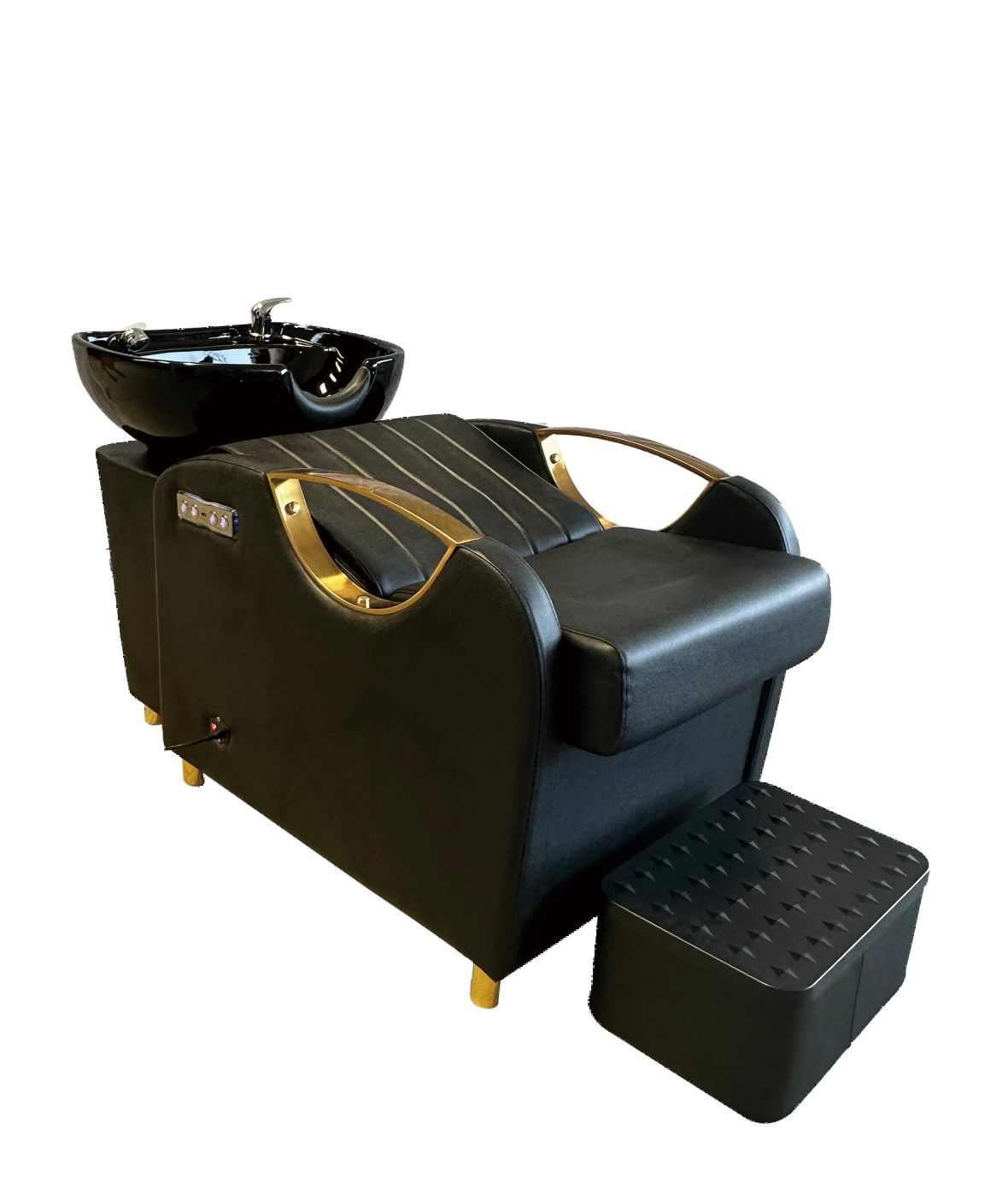
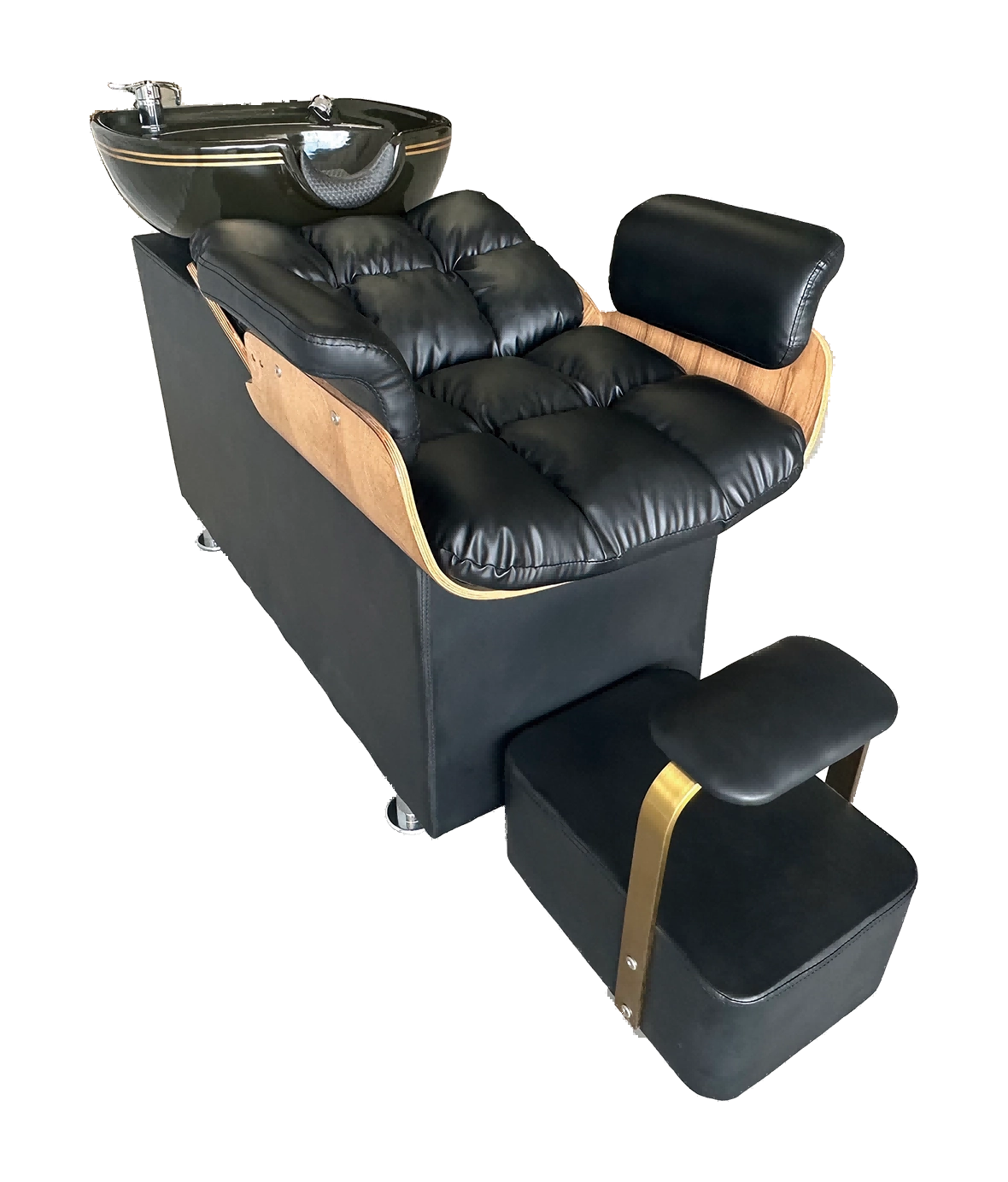
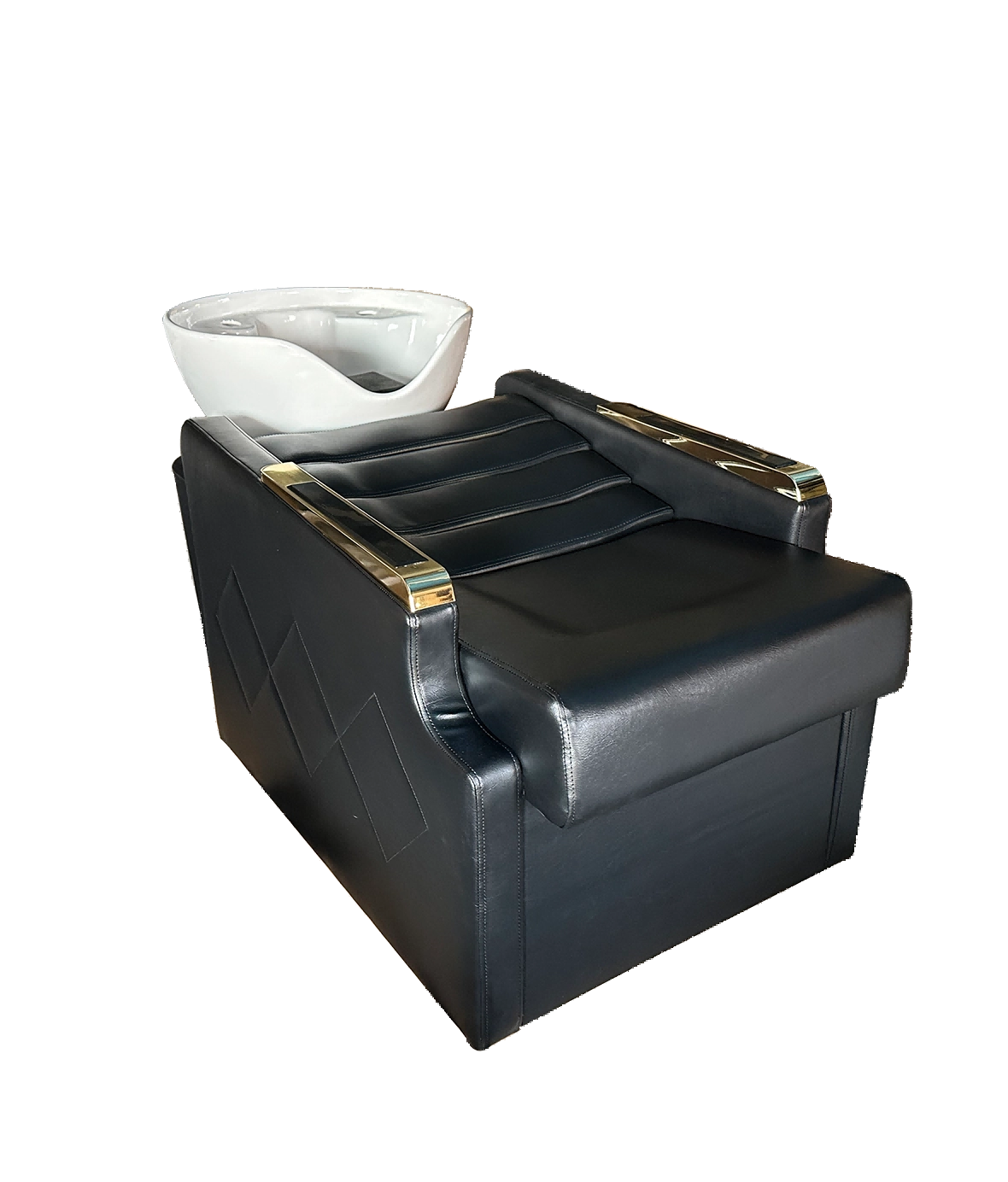
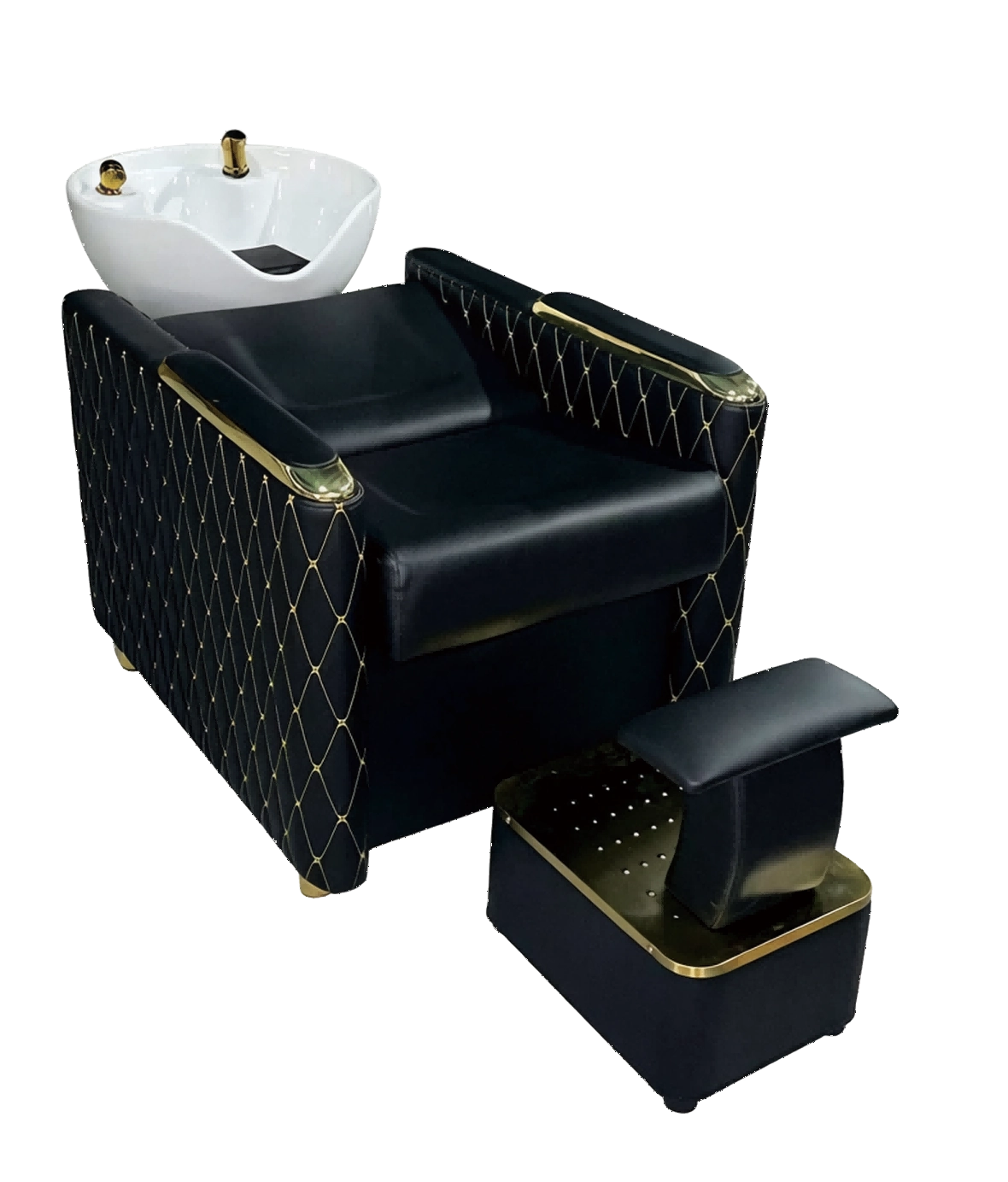
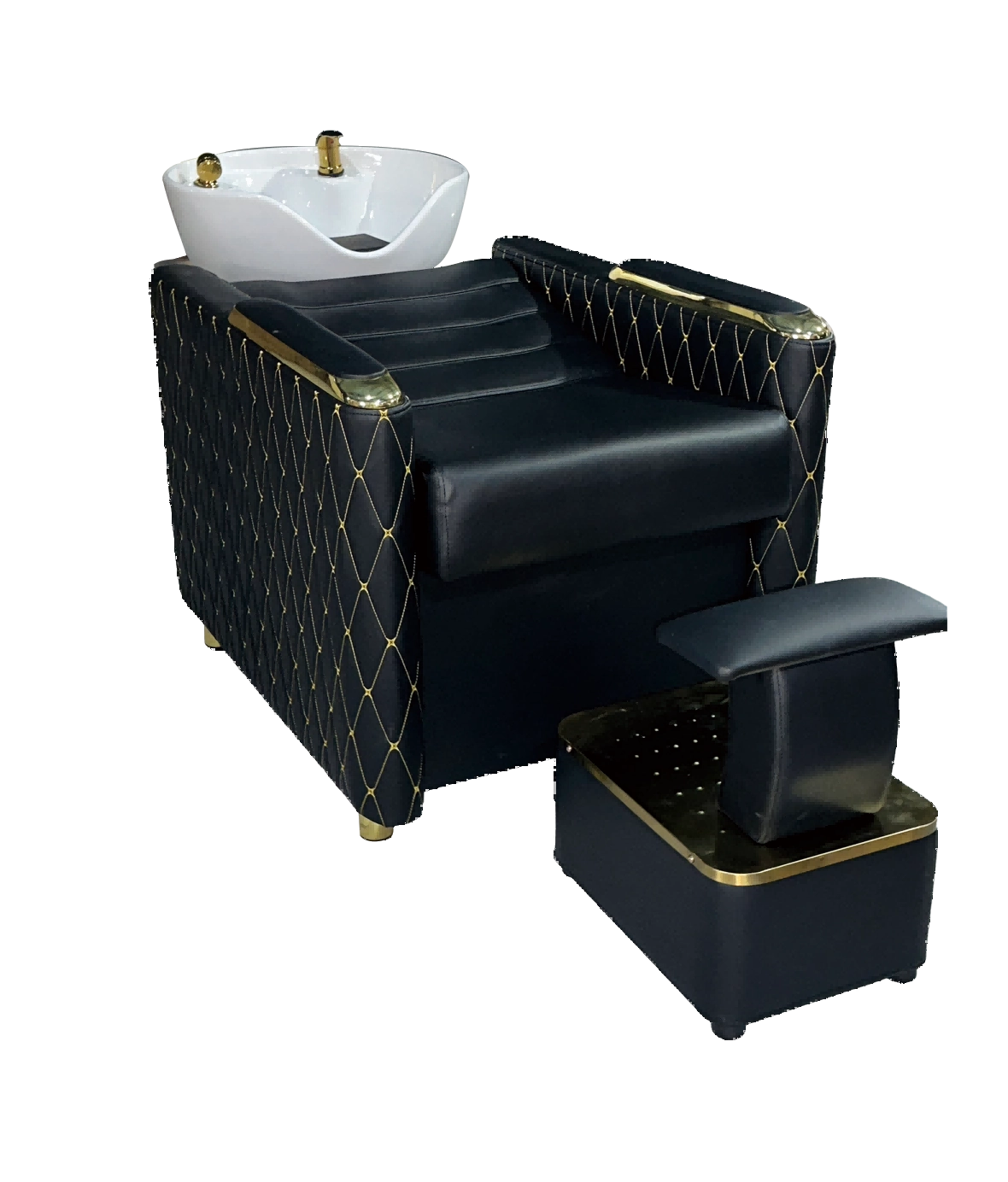
Hair Wash Station 2398

Hair washing bed 2378

Hair Wash Station 2392-B

Hair washing bed 2319
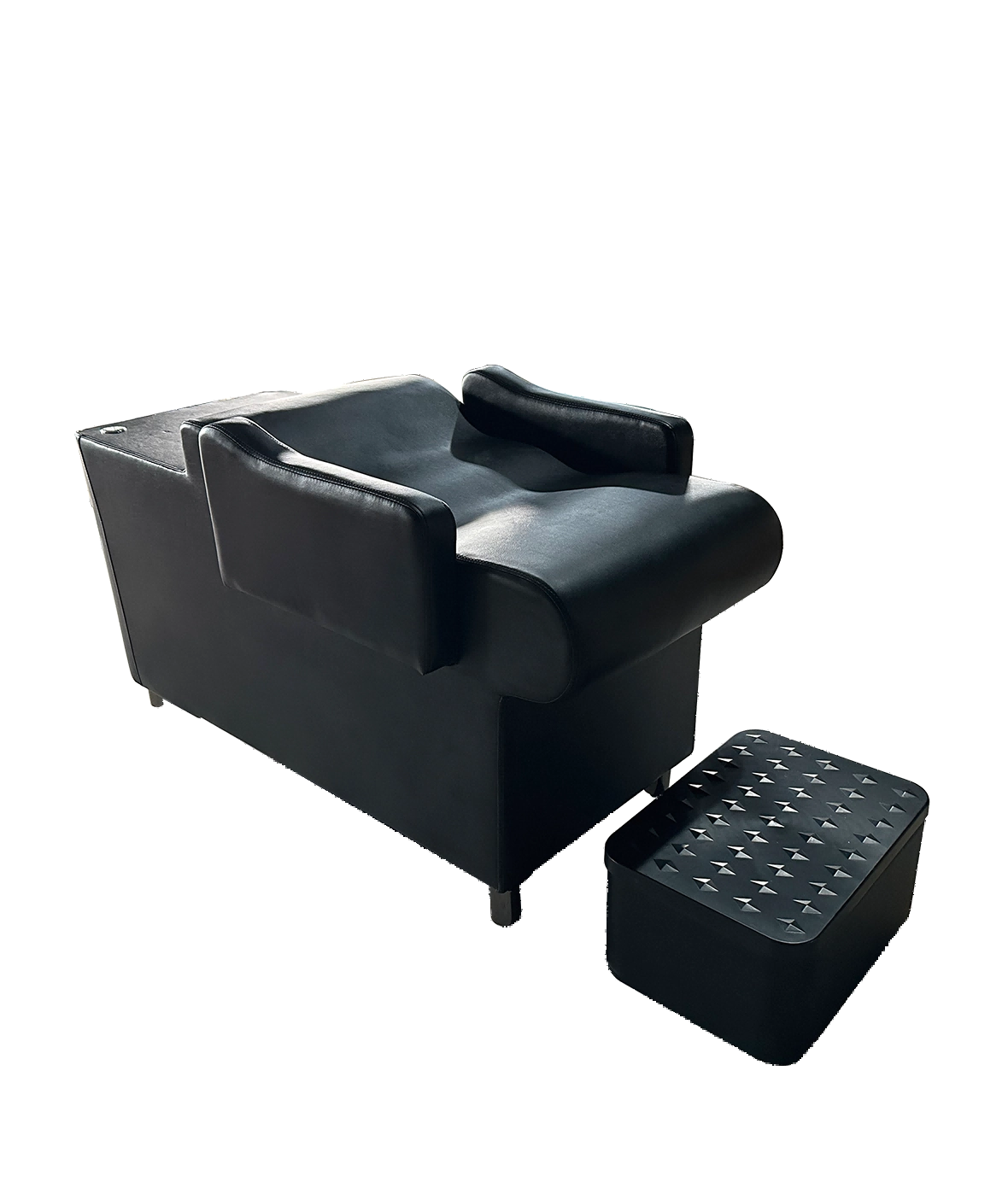
Hair washing bed 2523
Discuss Your Project with Expert Salon Furniture Manufacturers
Tell us what you need — we’ll get back to you with a fast quote and personalized OEM/ODM support.