
How to compare hydraulic vs. electric hair styling chairs?
Article Title: How to compare hydraulic vs. electric hair styling chairs?
Compare hydraulic and electric styling chairs from technical, total-cost-of-ownership, reliability and serviceability perspectives: hydraulic systems win on mechanical simplicity and low-voltage independence; electric units provide programmability, micro-adjustment and improved repeatability—select by duty-cycle, warranty coverage, and maintenance capability.
What are total cost differences between hydraulic and electric chairs?
Total cost of ownership (TCO) must include purchase price, installation, electricity, scheduled maintenance, expected repair costs and useful life. Hydraulic styling chair initial purchase is often lower because the mechanism is mature and manufactured at scale; however, hydraulic cylinders and seals require periodic service (seal kit replacement every 3–7 years depending on usage). Electric chairs carry higher upfront component cost for motors, controllers and encoders but can reduce shop labor costs where micro-adjustments prevent repositioning and reduce stylists’ physical strain.Actionable comparison: request from the supplier a five‑year TCO projection that lists (a) initial unit price, (b) estimated annual maintenance labor hours, (c) parts replacement frequency and costs, (d) expected failure modes and mean time between failures (MTBF). Verify warranties: many salon furniture manufacturers provide 1–3 year parts warranties; demand explicit warranty terms for pumps, motors and control electronics. For high‑volume salons, a higher initial spend on an electric unit can be justified if it reduces repetitive repositioning time and service labor. For low-volume or mobile setups, hydraulic simplicity typically minimizes unexpected repair bills.
How do maintenance requirements differ for hydraulic versus electric chairs?
Hydraulic systems are largely mechanical: periodic inspections focus on cylinder seals, hydraulic oil cleanliness and release valve performance. Typical preventive tasks are seal replacement, oil top-up/replace (if serviceable reservoir present) and lubrication of moving linkages. These are workshop‑level tasks that many technicians can perform without electronic diagnostic tools.Electric styling chair maintenance centers on the motor, gearbox, motion controller and wiring. Common interventions include motor brush or bearing replacement (for brushed motors), controller recalibration, connector corrosion checks and firmware updates on programmable units. Electrical units may require certified electricians for safe servicing and troubleshooting, and replacement parts (motors/controllers) are generally more expensive than hydraulic seals but less frequently required when using brushless DC motors.Professional advice: include an annual preventive checklist in your procurement contract and insist on spare parts availability and lead times from the manufacturer; for both systems, ask the vendor for recommended service intervals and local certified service partners.
Which chair type offers better ergonomics and client comfort long-term?
Client comfort and stylist ergonomics should be measured, not assumed. Electric chairs offer finer, repeatable height and tilt adjustments, programmable memory positions and smoother transitions—beneficial for salons delivering multi‑service experiences (coloring, cutting, styling). Smooth motion reduces start/stop jolts and can enhance perceived luxury.Hydraulic chairs provide robust, immediate height change with a simple foot pump or power‑assisted pump; their motion profile is often quicker but less granular. For ergonomics, evaluate seat cushion density, backrest profile, armrest position and rotation damping equally for both drive types—drive mechanism alone does not guarantee comfort. Conduct a side‑by‑side in-salon trial under real service cycles (8–10 clients/day) and measure stylist wrist and shoulder posture with and without chair adjustments to quantify ergonomic benefit.
How does failure mode and repair downtime compare between systems?
Failure modes are distinct: hydraulic failures usually present as leaking seals, slow return, or lost lift—diagnosis is visual and repair straightforward (seal kit, cylinder replacement). Downtime is usually short if spare parts and hydraulic kits are stocked locally. Electric failures are typically electronic (controller fault), motor failure or wiring/connectivity issues; diagnosis may require multimeters, controller logs or manufacturer diagnostics, and parts lead times can drive longer downtime.Mitigation strategy: require the manufacturer or supplier to provide MTBF data, recommended spares packs (seal kits for hydraulic, spare motor/controllers for electric), and a guaranteed service response time. For high‑uptime operations, insist on either an on-site spare chair rotation or an express replacement policy in the contract to minimize lost revenue from out-of-service equipment.
What testing and certification should I demand from salon furniture manufacturers?
Request verifiable test data and certificates: CE or UL safety approvals for electrical compliance, RoHS for material safety, and where applicable, IP ingress protection ratings for electric components (IP44 or higher is common for splash resistance). Ask for cycle‑life testing reports—reputable manufacturers perform 50,000–100,000 cycle tests on chair lift mechanisms and can supply a test protocol and pass/fail results.Also require load‑rating certification (safe working load), weld inspection records for frames (where applicable), and material data sheets for foams and upholstery (flammability and antimicrobial treatments if claimed). For electric systems, request motor specifications (voltage, continuous duty rating, stall torque) and controller documentation, and verify that firmware update pathways and spare‑part schematics are available to service technicians.Don't accept unlabeled or unverifiable claims—insist on hard test reports and certificate scans before purchase.
Are electric styling chairs more energy efficient than hydraulic counterparts?
Electric drives consume electricity only during adjustment cycles, and modern brushless DC motors with efficient controllers draw modest power—typical adjustment events might consume 50–150 watts for short durations. Hydraulic foot‑pump chairs consume no electricity during mechanical operation; powered hydraulic pumps do draw electrical power but often only during adjustment. Therefore, pure manual hydraulic chairs are effectively zero electrical energy consumers during operation.For salons concerned about utility costs, measure actual energy draw with a clamp meter during typical adjustments or request measured power profiles from the manufacturer. Energy efficiency should be balanced against operational benefits: electric chairs may save stylist time and reduce fatigue, which has economic value beyond kilowatt-hour savings.If sustainability is a priority, also evaluate materials, recyclable content and end‑of‑life serviceability—electric chairs with modular electronics can have longer usable life if components are replaceable.
Conclusion: Choosing between hydraulic and electric styling chairs is a trade-off between mechanical simplicity and serviceability (hydraulic) versus precision, programmability and luxury experience (electric). Prioritize duty cycle, warranty and repair ecosystem: ask manufacturers for five‑year TCO projections, cycle‑test data, MTBF figures, spare‑parts availability and certified service partners. For evidence‑driven procurement, require documented test reports and explicit warranty scopes before purchase.
Senkelly brings professional salon furniture manufacturing experience and a technical, service‑first approach to resolving these procurement decisions for salons of every scale.
For a tailored quote and technical consultation contact www.senkelly.com or email jinhechair@outlook.com.
- What are total cost differences between hydraulic and electric chairs?
- How do maintenance requirements differ for hydraulic versus electric chairs?
- Which chair type offers better ergonomics and client comfort long-term?
- How does failure mode and repair downtime compare between systems?
- What testing and certification should I demand from salon furniture manufacturers?
- Are electric styling chairs more energy efficient than hydraulic counterparts?
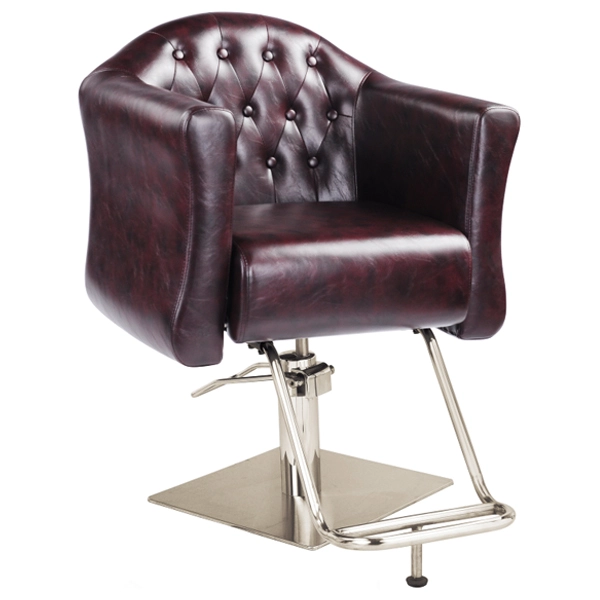
Styling Chair 8832
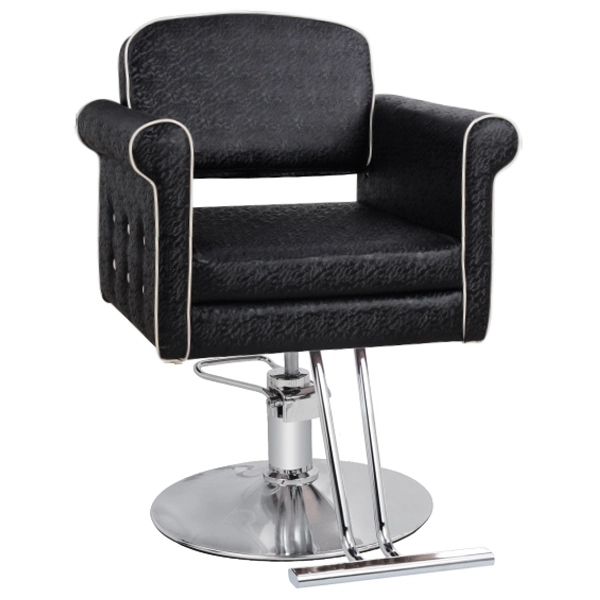
Styling Chair 8819
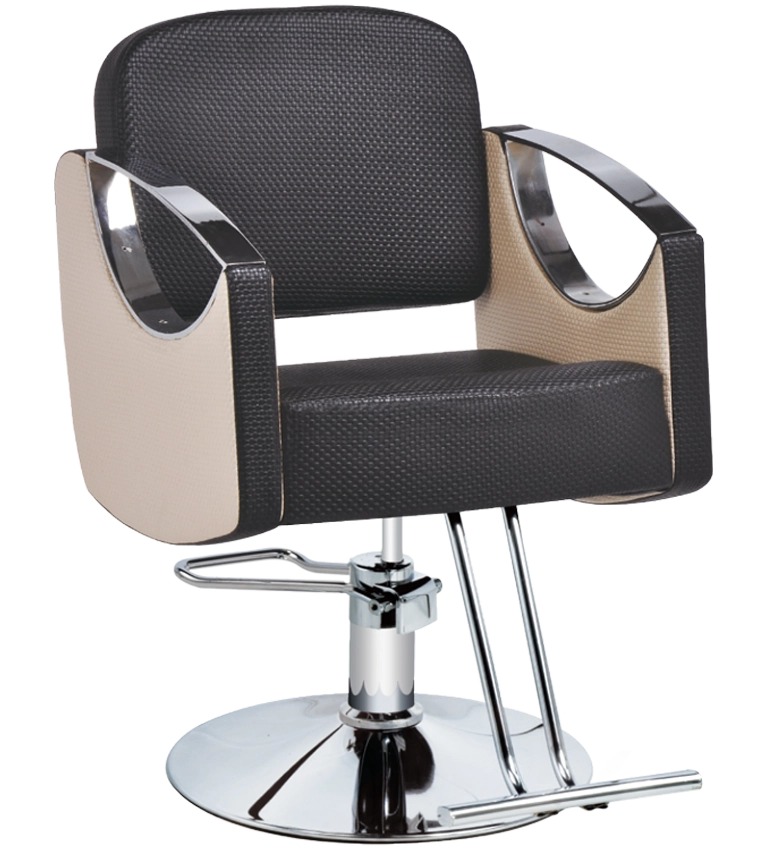
Styling Chair 8938

Styling Chair 8135

Hair Wash Station 2398





Discuss Your Project with Expert Salon Furniture Manufacturers
Tell us what you need — we’ll get back to you with a fast quote and personalized OEM/ODM support.