
What Are Ergonomic Shampoo Chair Options for Stylists?
Practical, manufacturer-grade options for ergonomic wash stations: adjustable bowl geometry, multi-axis recline, lumbar-contoured seating, commercial hydraulics, antimicrobial upholstery and maintainable fittings—designed to reduce stylist musculoskeletal load and improve salon workflow.
Ergonomics at the wash station is a systems problem, not a single-product decision. Salon furniture manufacturers design chairs and basins as integrated units: seat geometry, backrest contour, basin rim height and tilt, and pedestrian space under the bowl all interact with stylist posture and task flow. This article summarizes professional, commercial-grade options and selection criteria used by salon owners and procurement teams to reduce injury risk, improve throughput and lower lifetime ownership cost.
High-level ergonomic options overview
Manufacturers supply three core ergonomic paths for shampoo seating: fixed ergonomic chairs, semi-reclining units with adjustable bowl geometry, and fully integrated swivel-recline systems with powered or hydraulic actuation. Fixed options focus on seat comfort and durable upholstery; semi-recliners add targeted lumbar support and predictable bowl alignment; integrated systems maximize adjustability for client size and stylist stance. Choose based on salon service mix—high-volume blowout bars prioritize speed and durability; full-service salons prioritize adjustability for diverse services and taller techs.
Key design features that reduce stylist musculoskeletal strain
Prioritize these measurable features when evaluating models from salon furniture manufacturers: a backrest contour that supports the lumbar region, a seat height range that allows a neutral wrist and shoulder position for working while seated or standing, basin tilt and rim geometry that decreases cervical hyperextension for the client, and swivel or rotation with low torque to avoid repetitive shoulder load for the stylist. Durability and warranty for moving parts are equally important; look for duty-cycle specifications or service-life guidance from the manufacturer.
Materials and sanitation considerations for commercial use
Upholstery should be commercial-grade, water-resistant and compatible with salon disinfectants listed for professional use. Manufacturers commonly supply polyurethane-coated or coated vinyl that resists cracking and is non-porous; confirm compatibility with EPA-registered disinfectants used in your region. High-density foam with resilient support preserves seat geometry under heavy daily load. For basins, select materials (vitreous china, composite resins) that resist staining and can withstand repeated chemical exposure and mechanical impact.
Hydraulics, mechanics and serviceability
Commercial hydraulic and gas-spring systems differ from consumer-grade systems: they are specified for high-cycle, continuous operation and designed for easier service replacement. When assessing models, request manufacturer data on recommended maintenance intervals, replacement-part availability, and expected service life of moving components. Simple design features—serviceable swivel bearings, replaceable rubber seals, and accessible fasteners—reduce downtime and lifetime cost.
Workflow fit: matching chair functionality to salon operations
Map typical stylist tasks at the wash station—hair prep, chemical application, rinsing, and blow-dry hand-off—and choose an option that minimizes repositioning. Examples: a bowl with independent tilt and rotational adjustment reduces need to reposition the client; a chair with quick-lock swivel shortens transitions; an integrated recline that maintains consistent neck support reduces client complaints and reduces the time stylists spend re-adjusting. Consider ergonomics across staff heights and dominant-hand distribution to avoid creating one-sided strain patterns.
Ownership economics and risk reduction
Evaluate total cost of ownership, not just purchase price. Higher-spec ergonomic models typically reduce injury risk and absenteeism, provide longer service life, and lower maintenance-related downtime. Verify warranty scope—1–2 year coverage for upholstery is common, while mechanical components often carry longer or pro-rated coverage. Ask manufacturers for references from comparable salons and service records; reputable producers will provide duty-cycle expectations and parts support information.
Senkelly leverages 15+ years of industry experience working with salon furniture manufacturers to specify ergonomic washstations that balance adjustability, sanitation, durability and serviceability; our product selection process is built to address real stylist pain points and minimize lifetime operational costs while improving client comfort.
Contact us for a tailored quote and specification guidance at www.senkelly.com or jinhechair@outlook.com.
Frequently Asked Ergonomic Shampoo Chair Questions
Which shampoo chair features reduce stylist neck and shoulder strain?
Focus on adjustability and low-effort mechanics: a contoured backrest with a dedicated lumbar pad, low-torque swivel and rotation, and basin geometry that minimizes client neck hyperextension. A bowl that tilts independently from the seat reduces the need for the stylist to lean or reach, lowering repetitive shoulder elevation. Insist on verified duty cycles and serviceable bearings to keep mechanical effort low over the product life.
How to evaluate lumbar support in reclining shampoo chairs?
Assess lumbar support by its placement and adjustability: the pad or contour should engage at the lower thoracic to upper lumbar area (roughly around L3–L4) while the client is reclined, maintaining a neutral spine curve. Test with clients of different sizes—adjustable lumbar pads or removable inserts are preferable. Avoid solutions that only increase overall firmness; targeted support that preserves lordosis is most effective in reducing stylist interventions and client slippage.
What materials offer best comfort and sanitation for bowl seats?
Select non-porous, commercial-grade upholstery that resists chemical degradation—medical- or marine-grade PU or coated vinyl is standard. For foams, choose resilient, high-recovery formulations that maintain shape under heavy cycles. For basins, vitreous china and engineered resin composites are common; confirm compatibility with your disinfectant regimen. Always verify manufacturer guidance on cleaning agents to prevent premature material breakdown.
Which hydraulic systems provide reliable adjustment under salon use?
Commercial-grade hydraulic or gas-spring systems designed for continuous use are required—look for manufacturers that specify expected cycles or duty ratings and provide replacement seals and cartridges. Systems with serviceable components (replaceable seals, accessible bleed ports) lower lifetime cost. Pay attention to smoothness and backlash during adjustment; rough or jerky movement increases stylist micro-adjustments and fatigue.
How do tilt and rotation options improve stylist workflow ergonomics?
Independent bowl tilt and chair rotation reduce the need for stylists to lean or twist repeatedly. Multi-axis tilt allows the stylist to align the bowl rim with the client’s cervical curve without changing their stance, while a low-friction rotation cuts transition time between tasks. These features reduce cumulative micro-trauma to shoulders and lower back and improve throughput by minimizing repositioning time.
What maintenance prevents breakdowns in high-use shampoo chair mechanisms?
Implement a simple preventive program: weekly visual checks for upholstery tears and loose fasteners; monthly lubrication and inspection of swivel bearings and pivot points; periodic inspection of hydraulic seals and replacement per manufacturer intervals. Retain a small stock of manufacturer-recommended consumables (seals, fasteners) and a relationship with an authorized service technician. Prompt repairs of minor wear items prevents catastrophic failures and extends usable life.
- High-level ergonomic options overview
- Key design features that reduce stylist musculoskeletal strain
- Materials and sanitation considerations for commercial use
- Hydraulics, mechanics and serviceability
- Workflow fit: matching chair functionality to salon operations
- Ownership economics and risk reduction
- Frequently Asked Ergonomic Shampoo Chair Questions

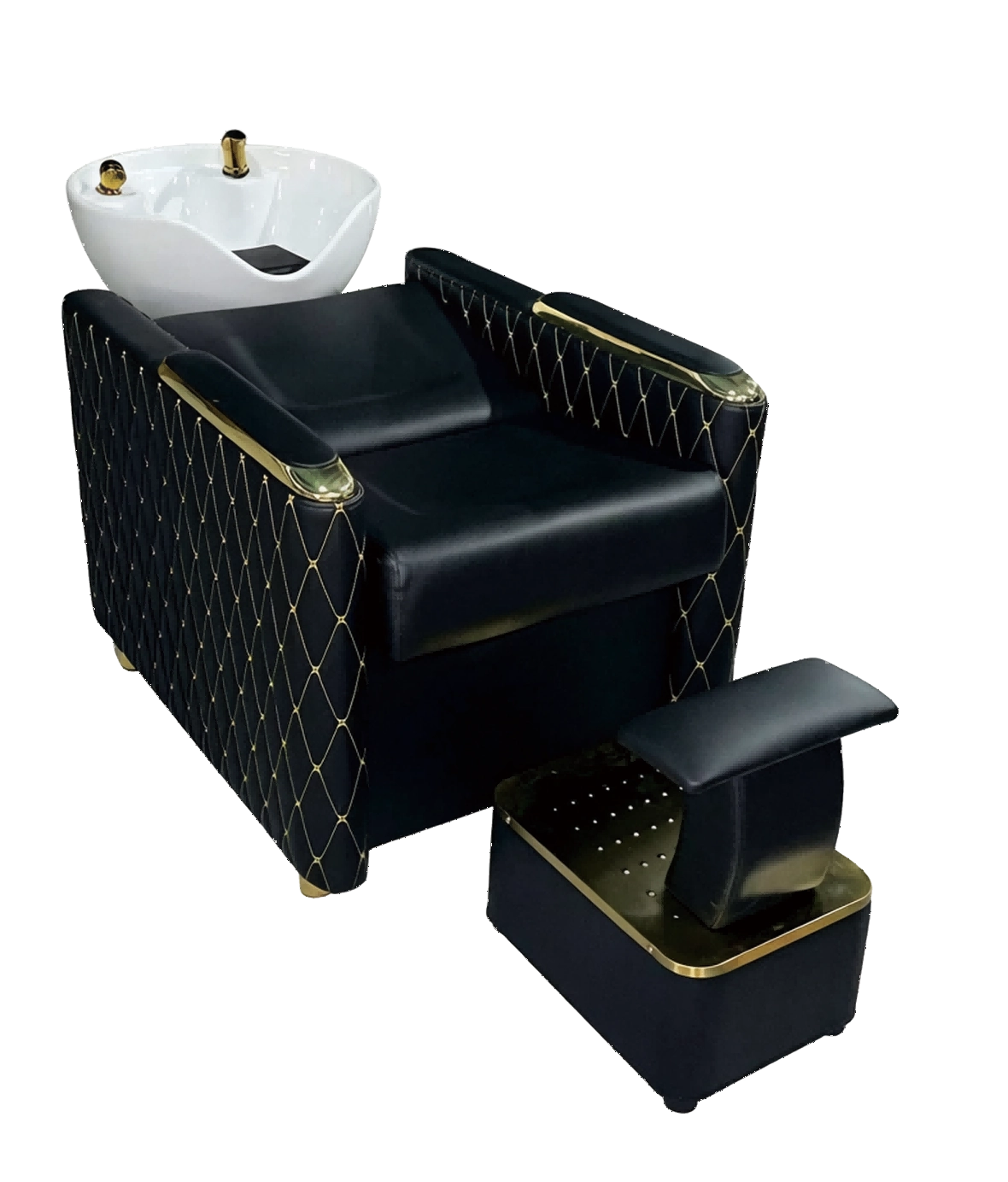
Hair Wash Station 2398

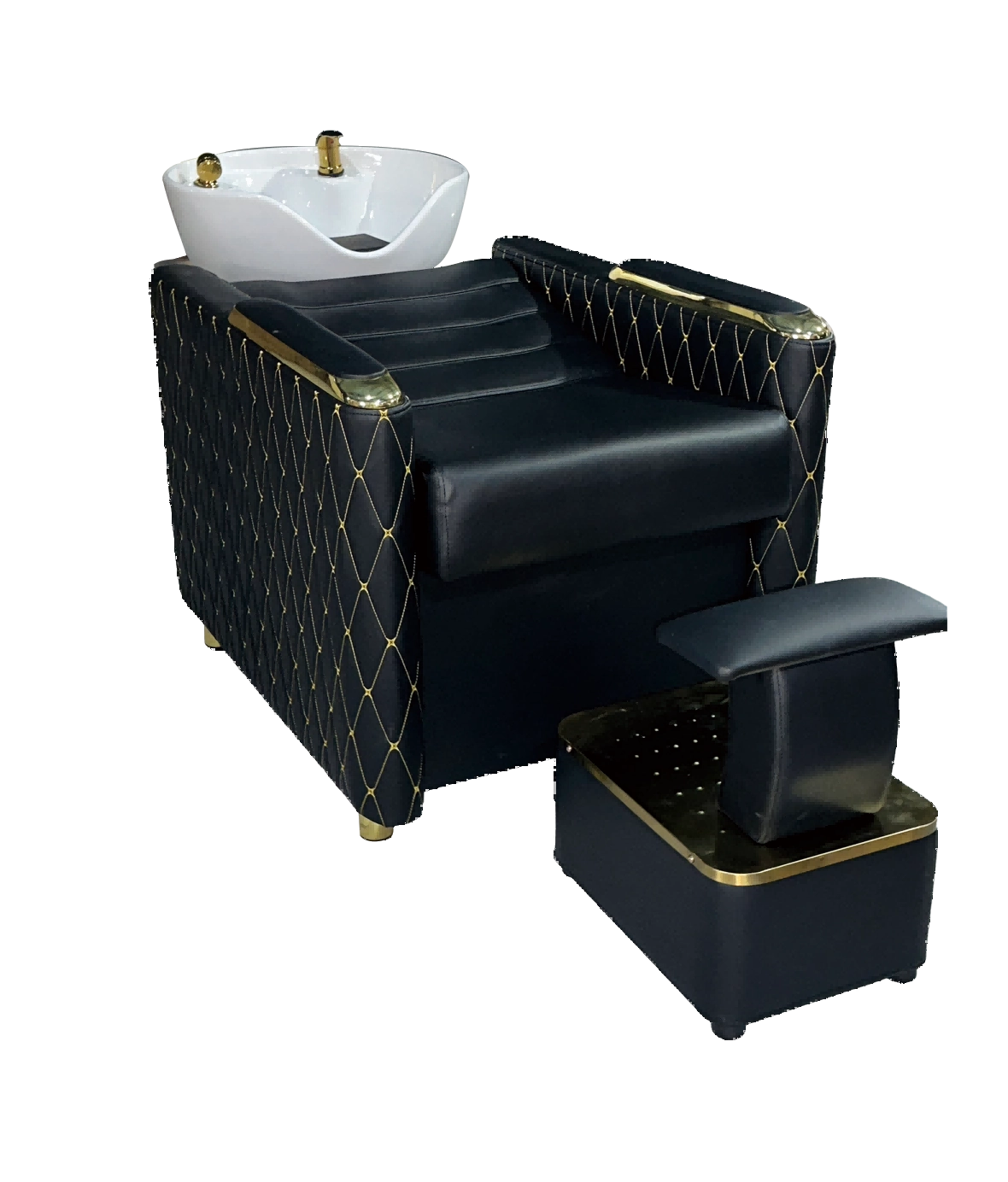
Hair washing bed 2378

Hair Wash Station 2392-B

Hair washing bed 2319
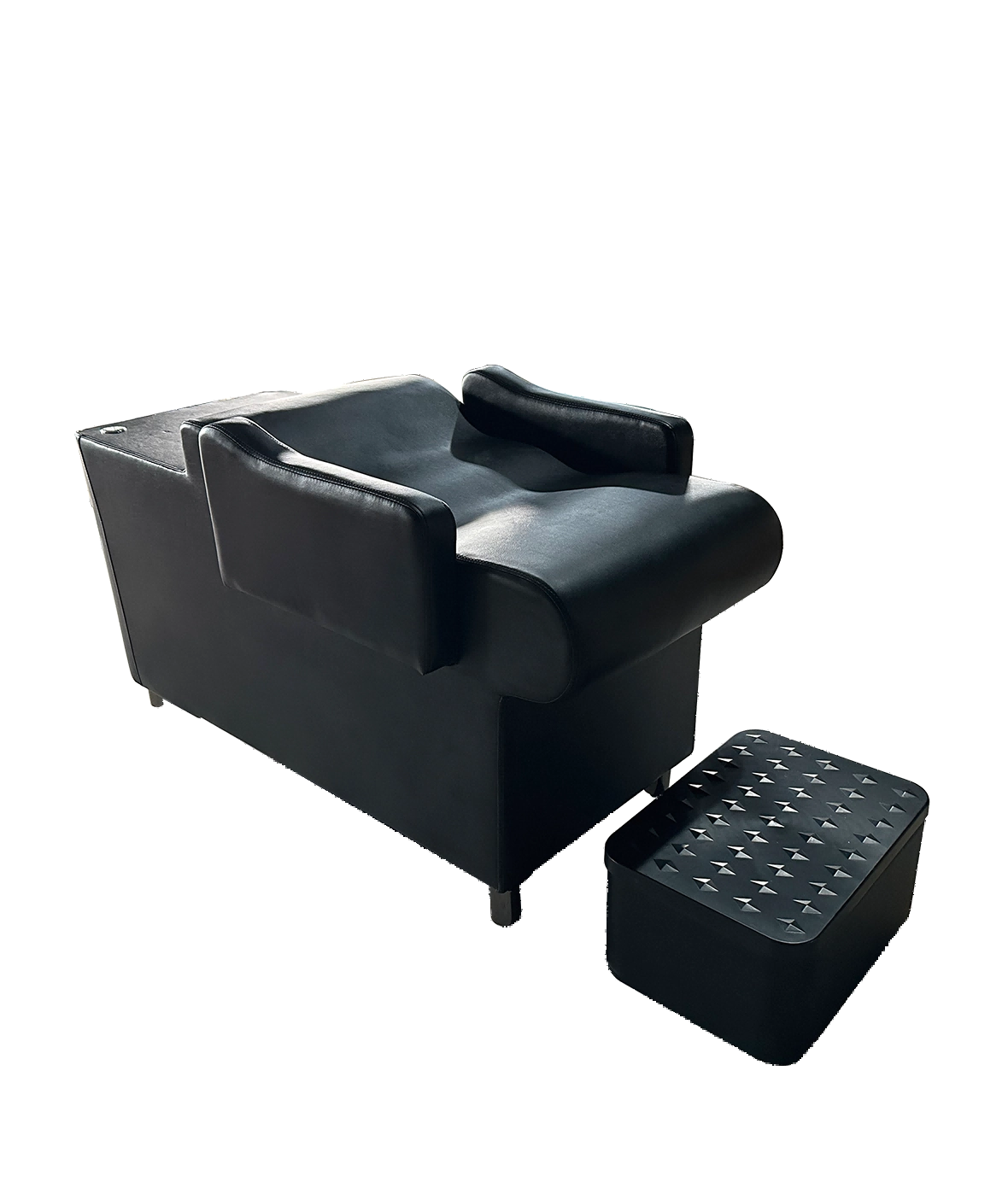
Hair washing bed 2523
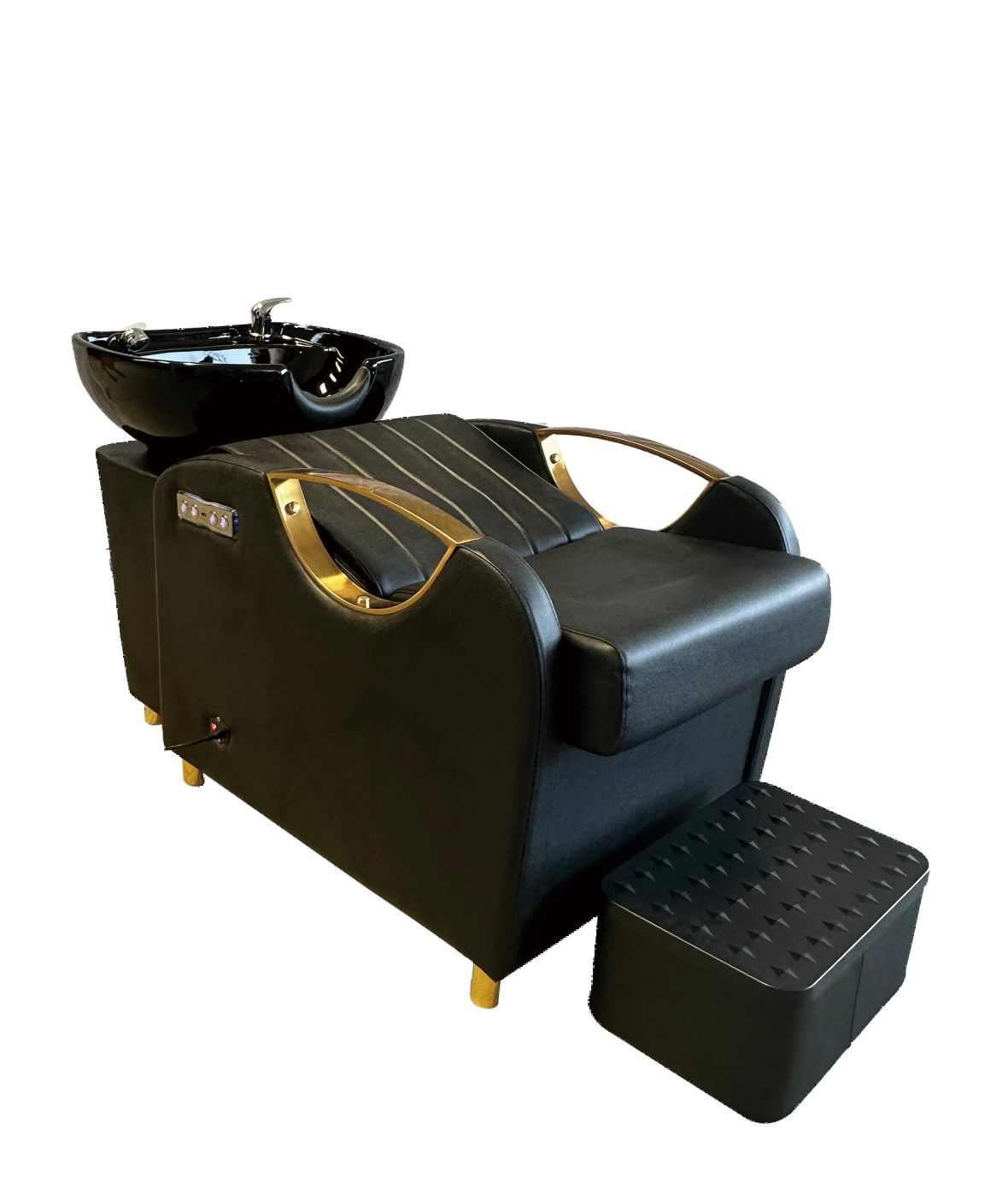
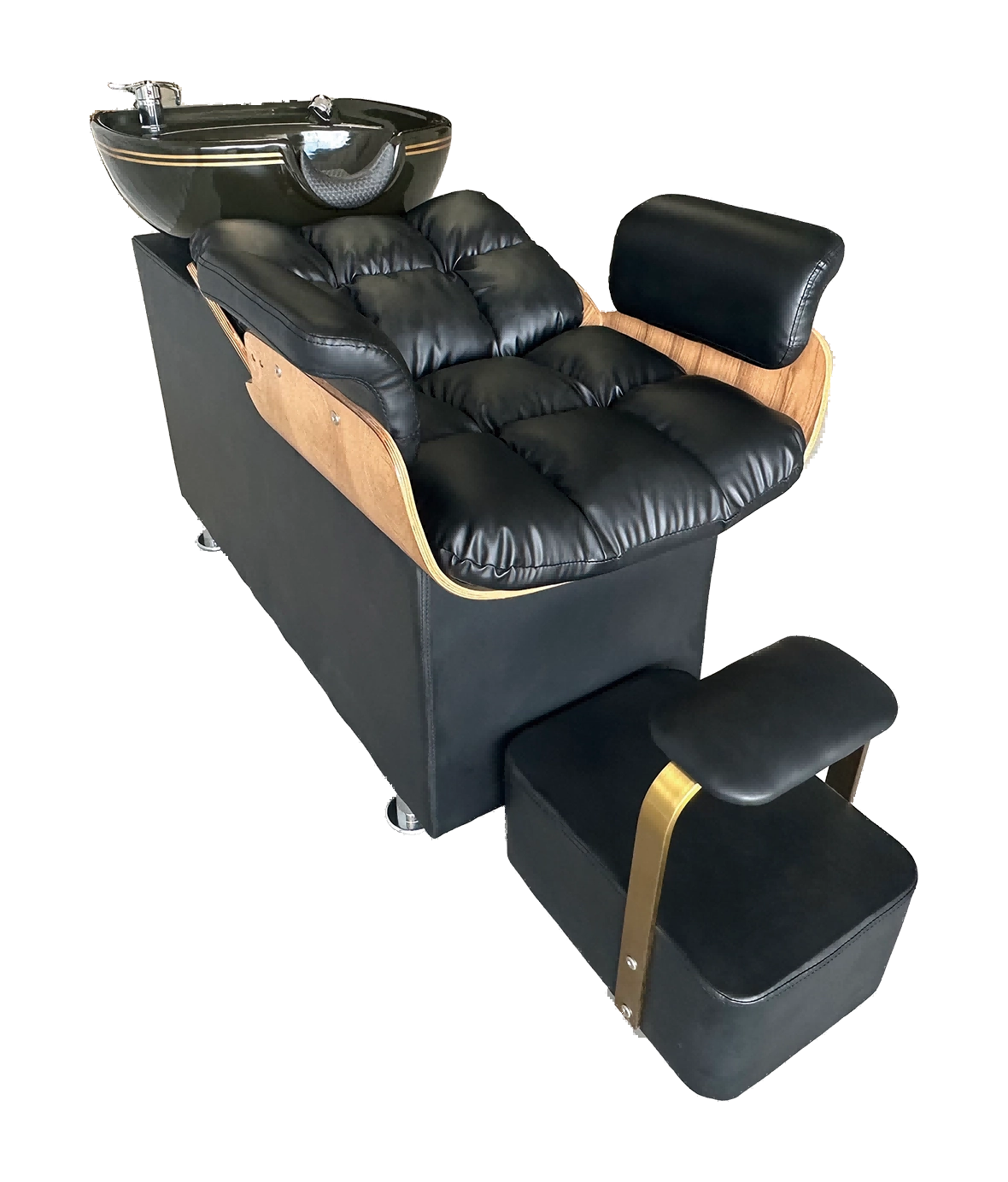
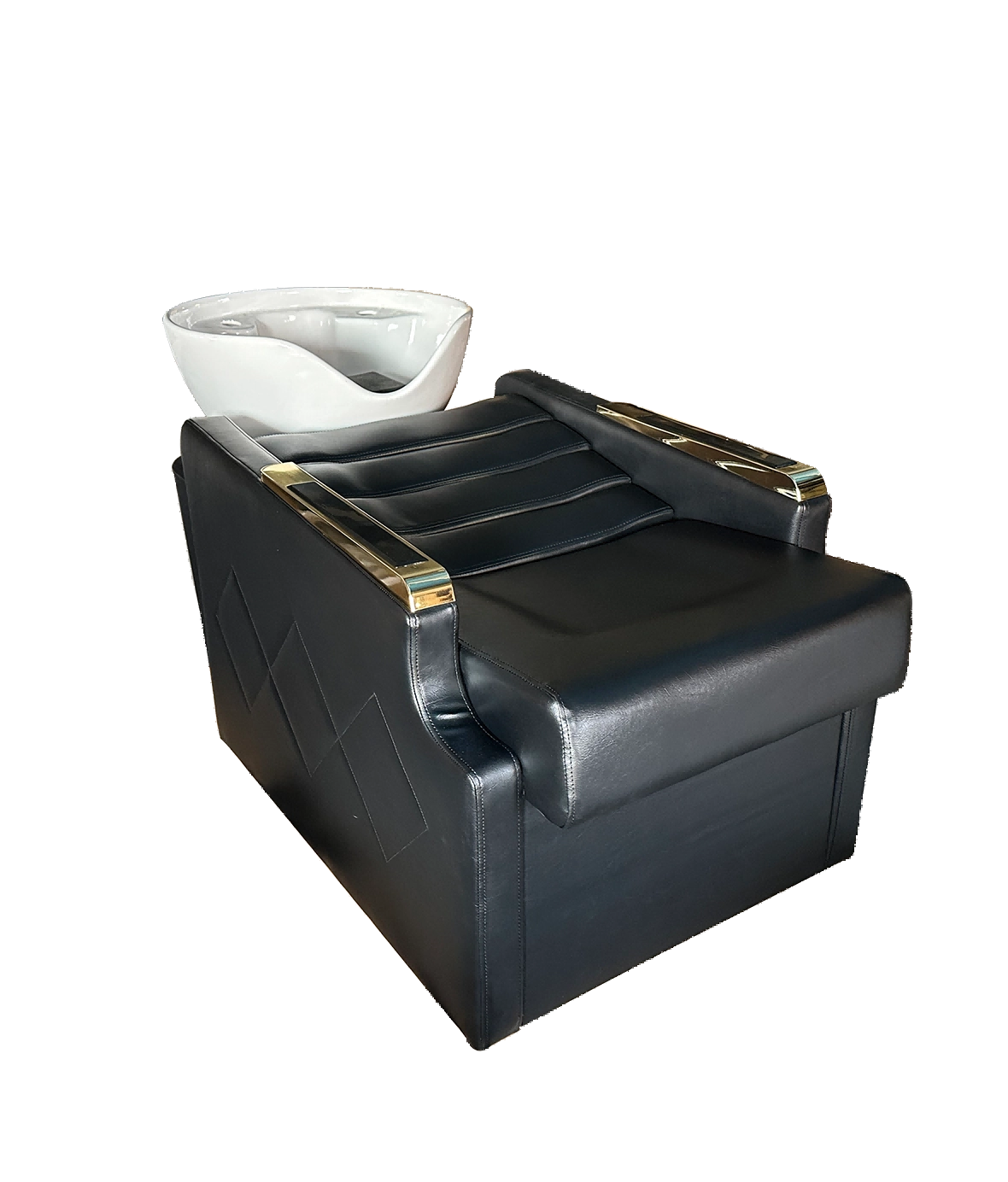
Discuss Your Project with Expert Salon Furniture Manufacturers
Tell us what you need — we’ll get back to you with a fast quote and personalized OEM/ODM support.