
where can i find reliable barber chair manufacturers? | Insights by Senkelly
Where Can I Find Reliable Barber Chair Manufacturers? Practical Guide for Salon Buyers
Buying commercial barber chairs is an investment: you need reliable hydraulic systems, durable upholstery, compliant materials and post-sale support. This guide answers six specific buyer pain-points and shows how to vet a barber chair supplier, evaluate samples, calculate landed cost and secure warranty and spares from salon furniture manufacturers.
1. How can I verify a barber chair manufacturer's hydraulic system quality before ordering 50 units?
Why this matters: hydraulic failures are the most common cause of early returns. A failed pump or leaking cylinder can ruin your reputation and cause downtime for stylists.
What to request and test:
- Ask the supplier for hydraulic pump spec sheets and a video of a full-cycle test (load, raise, lower) on the exact model you plan to buy.
- Request a third-party test report or factory test protocol showing pressure/time data, leak checks and endurance cycles. Reputable factories document 10,000+ cycles on commercial units or provide equivalent evidence.
- Confirm the hydraulic brand/model (many factories use branded European/Taiwanese pumps or in-house units). If a branded pump is used, verify the brand's datasheet and warranty.
- Perform a sample inspection: when you receive a sample, conduct static load and dynamic operation tests. Commercial barber chairs are commonly tested to support 150–200 kg (330–440 lb) static loads; request the supplier's rated load and test videos.
- Include hydraulic failure modes in your purchase contract (e.g., replacement pump within warranty period, lead time for spare pumps).
Verification tactics:
- Factory audit: During a factory visit or a virtual tour, watch the hydraulic assembly line and request serial-stamped test logs. If you can’t visit, hire a local third-party inspector (SGS, Bureau Veritas, Intertek).
- Pre-shipment inspection (PSI): Inspect 10–20% of units or a statistically significant sample to verify no leaks and correct operation before shipping.
2. What minimum order quantities and sample policies are realistic for custom-color barber chairs from overseas factories?
Why this matters: MOQs determine whether custom branding or colors are financially viable. Many buyers discover hidden costs from repeat sample requests and small runs.
Typical patterns and what to negotiate:
- Stock models: Many factories will sell single units or low quantities (1–10) from existing inventory or showroom stock — ideal for testing demand and display models.
- Custom colors or upholstery: Expect MOQs often between 10 and 50 units per SKU for overseas factories, depending on the complexity of upholstery dies, foam cutting and dye batches.
- OEM tooling or logo embossing: These usually trigger higher MOQs (50–200 units) because of setup cost. Negotiate amortization of tooling cost across your first order or a higher per-unit price for lower MOQs.
Sample policies to clarify:
- Ask if they charge for a production sample and who pays shipping. Many factories provide a discounted sample price and allow sample cost to be deducted from the first bulk order.
- Verify lead time for samples (often 7–21 days for existing models; 21–45 days for custom finishes).
- Insist on color codes (Pantone, CMYK) and sewn sample swatches to avoid mismatch on bulk runs.
3. Which factory audit and third-party inspection steps reliably catch structural defects in barber chairs?
Why this matters: structural failures (frame welds, base integrity) usually show up in the field and can be catastrophic for safety and liability.
Audit and inspection checklist:
- Factory capability check: Verify the factory has dedicated welding, metal machining, and powder-coating lines. Ask for ISO9001 certification evidence (iso.org) and quality control flowcharts.
- Welding and frame inspection: Require weld X-ray or visual inspection records, dimensional control plans, and jig photos. Inspectors should check weld penetration, consistent fillet size and absence of porosity.
- Lead paint & chemical compliance: Request material safety data sheets (MSDS) and certificates for coatings (RoHS/REACH compliance where applicable) — essential for EU/US markets.
- Functional and endurance tests: Require documentation of fatigue testing — e.g., repetitive-recline cycles, hydraulic cycles, base torsion tests. If the factory lacks these, commission a third-party lab test for a paid sample.
- Third-party inspection steps (PSI): On-site inspector should check dimensional tolerances, weld integrity, upholstery stitching quality, hydraulic operation, and packaging. Ask the inspector to sample-test the weight rating and return video evidence.
4. How to evaluate upholstery materials and fire/toxicity compliance for salon chairs intended for EU/US markets?
Why this matters: Non-compliant materials can be blocked at customs or lead to health liability. Clients increasingly require hypoallergenic, easy-clean surfaces resistant to disinfectants.
What to request:
- Material certificates: Request PU/vinyl leather datasheets, composition, abrasion resistance (Martindale cycles or ASTM D4966), and disinfectant compatibility notes.
- Fire and toxicity: For EU/UK, request certificates demonstrating compliance with applicable national or regional fire retardancy rules for furniture (check local state regulations). For US markets, know state or municipal requirements for commercial upholstery. Where specific certifications are needed, request lab reports from accredited labs.
- Environmental and chemical compliance: For EU importers, ask for REACH and RoHS compliance statements if applicable; request MSDS for foams and adhesives.
- Sample testing: Have a material lab perform flammability and VOC testing on the sample upholstery. This is cheaper than risking a shipment detention.
5. What realistic lead times, freight options, and landed-cost calculations should I expect for bulk barber chair shipments?
Why this matters: Lead time and freight are primary drivers of cash flow and per-unit landed cost. Underestimating them can blow margins.
Typical lead-time benchmarks:
- Stock models: 7–21 days for dispatch.
- Mass production: 30–60 days from deposit to ready-for-shipment.
- Highly customized orders: 45–90+ days depending on tooling and upholstery batch schedules.
Freight and landed cost tips:
- Obtain EXW, FOB, CIF quotes to compare. FOB (port of origin) is common for overseas purchases; CIF includes sea freight and insurance to port of destination.
- Calculate volumetric weight for air freight and CBM for sea freight. Barber chairs are bulky; sea freight (FCL/LCL) is usually the most cost-effective for bulk orders.
- Include customs duties, VAT, inland trucking, warehousing, and inspection fees in landed cost. Request HS codes from the supplier to estimate tariffs accurately.
- Negotiate a consolidated packing plan: disassemble chairs (legs, headrests, footrests) to reduce cubic meters and cost. Clarify export packaging materials and palletization.
- Lead time buffers: Allow 2–3 weeks extra for customs clearance, peak-season factory delays, and component shortages (common for electronics and hydraulic parts).
6. How to compare warranties, spare parts availability, and after-sales support between OEM and trading company suppliers?
Why this matters: After-sales service dictates lifetime cost and customer satisfaction. Trading companies may sell many brands but often lack direct spare parts access.
Evaluation criteria:
- Warranty coverage: Compare duration (12–36 months typical) and scope (hydraulic pump, frame, upholstery, mechanical parts). Clarify what is excluded (wear items like headrest pads). Require written warranty terms.
- Spares inventory and lead time: Ask how many spare pumps, upholstery kits and replacement parts the supplier holds and average lead times for dispatch. OEM factories usually ship spares faster than trading companies who must source from the factory.
- Technical documentation: Request assembly manuals, exploded parts lists with part numbers, and maintenance recommendations. These reduce service time and parts ordering errors.
- Local service partners: For large markets, prioritize suppliers with local distributors or certified service partners to reduce downtime. If the supplier uses third-party logistics or service centers, verify SLAs and emergency response times.
- Return logistics and RMA policy: Clarify whether the supplier covers round-trip shipping for warranty replacements, or if they will ship only parts. For bulk buyers, negotiate consignment spare parts with scheduled replenishment.
Decision framework: If you need faster spares and direct control, source from a factory/OEM with documented QA and spare holdings. If you prefer a single contact for multiple brands and small orders, a vetted trading company can work but insist on clear spare parts lead times and written RMA terms.
Bonus: Where to start looking — channels that actually return results
Places industry buyers find reliable barber chair manufacturers:
- Factory websites and B2B directories (e.g., direct factory pages, Alibaba with verified suppliers). Look for detailed product specs and factory photos.
- Trade shows such as Cosmoprof (Italy), Salon International (UK) and regional furniture expos — great for inspecting build quality in person.
- Industry referrals: Ask salon chains or local distributors for references and actual in-salon trial feedback.
- Third-party inspections and testing labs (SGS, Intertek, Bureau Veritas) for verification of claims and independent checks.
Geographic hubs: Major manufacturing hubs include Guangdong and Zhejiang in China, parts of Italy and Turkey (for High Quality/stylish designs), and India for cost-competitive production. Choose a hub based on your priorities: price, design, or compliance speed.
Contact for quote: For vetted commercial barber chairs, OEM lines, spare parts strategy and sample policies, contact www.senkelly.com or email jinhechair@outlook.com for a tailored quote.
Concluding summary
Selecting reliable barber chair manufacturers reduces returns, ensures compliance with regional regulations, shortens repair cycles through ready spare parts, and protects Senkelly reputation. By requiring hydraulic test reports, material certificates, clear MOQs and documented warranty terms — and by using third-party inspections — you significantly lower product risk and total cost of ownership. Prioritize suppliers who provide transparent documentation, sample policies, and verifiable factory capabilities.
- 1. How can I verify a barber chair manufacturer's hydraulic system quality before ordering 50 units?
- 2. What minimum order quantities and sample policies are realistic for custom-color barber chairs from overseas factories?
- 3. Which factory audit and third-party inspection steps reliably catch structural defects in barber chairs?
- 4. How to evaluate upholstery materials and fire/toxicity compliance for salon chairs intended for EU/US markets?
- 5. What realistic lead times, freight options, and landed-cost calculations should I expect for bulk barber chair shipments?
- 6. How to compare warranties, spare parts availability, and after-sales support between OEM and trading company suppliers?
- Bonus: Where to start looking — channels that actually return results

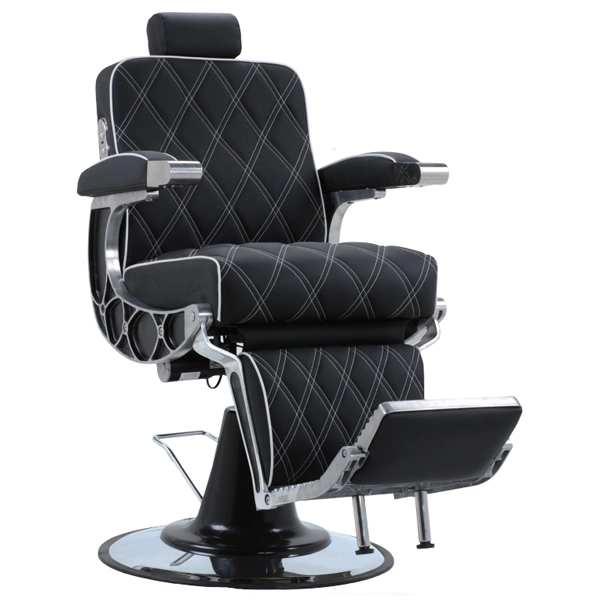
Styling Chair 8135
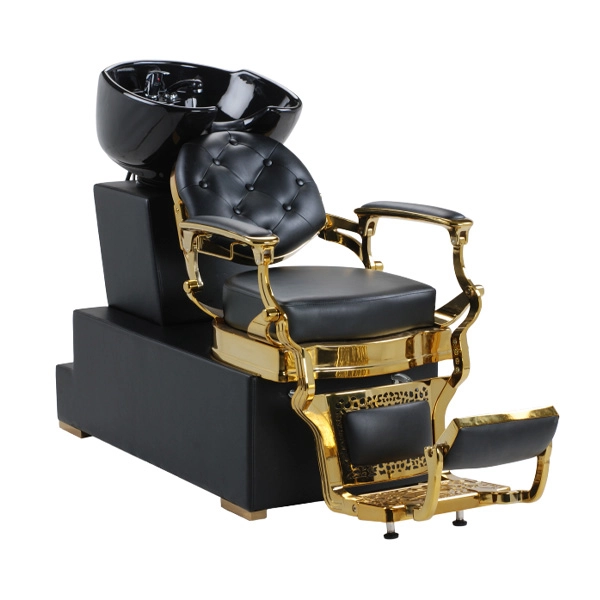
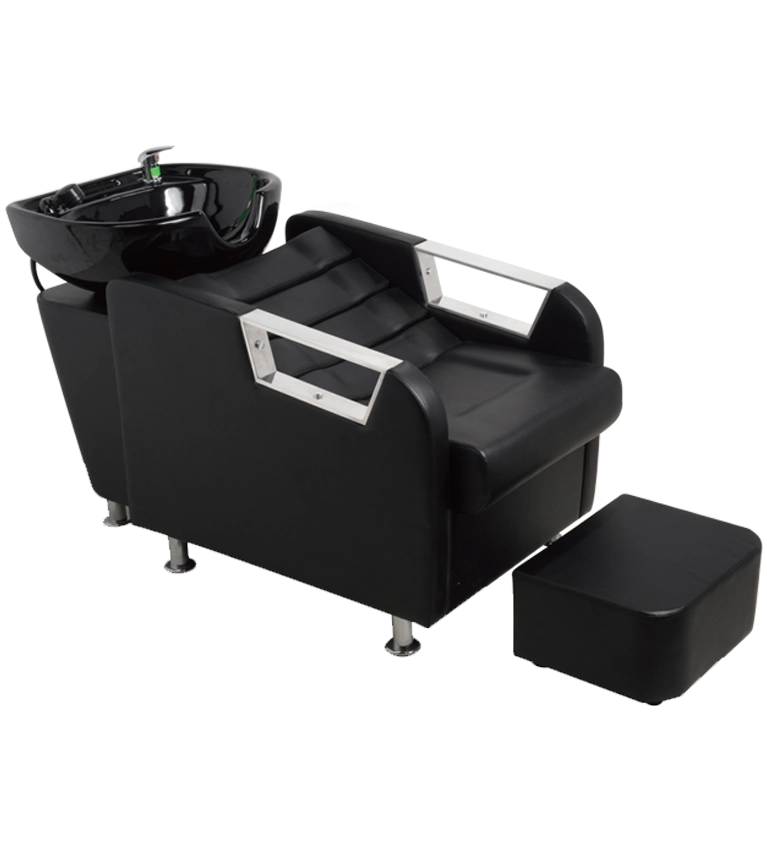
Hair Wash Station 2398
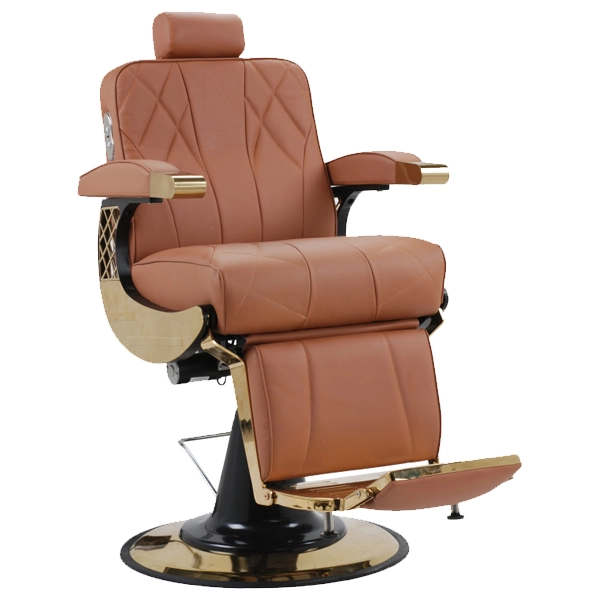
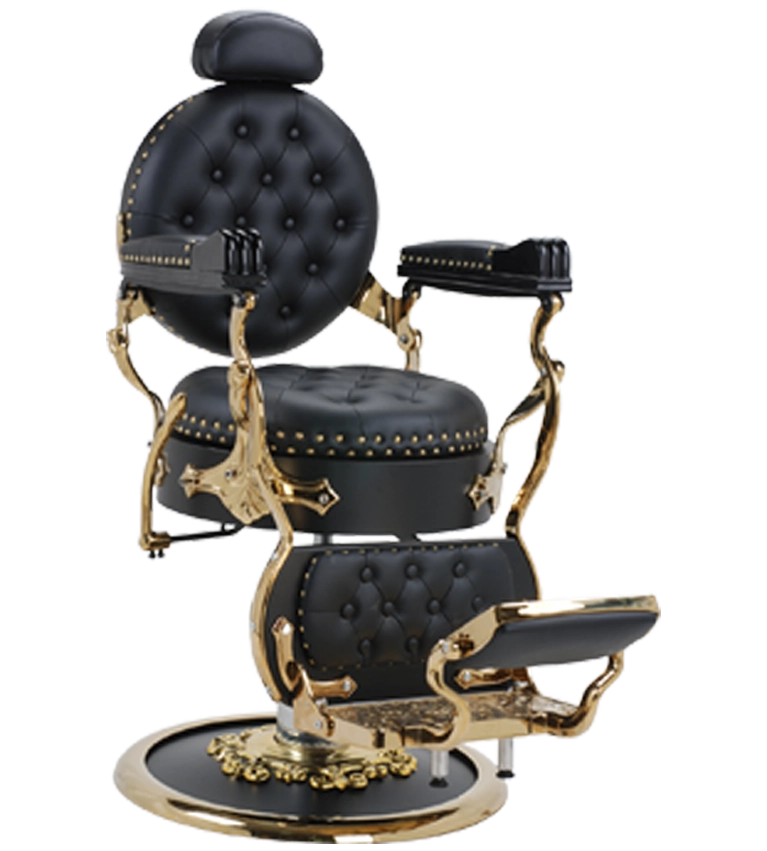
Electrical Barber Chair 8085
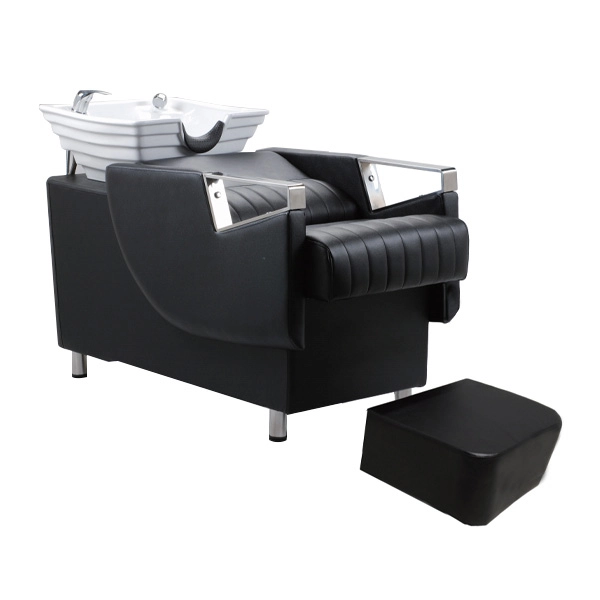
Hair washing bed 2378
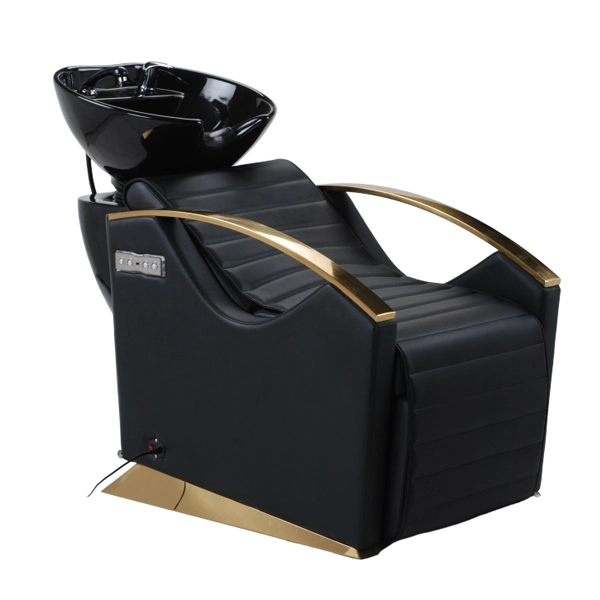
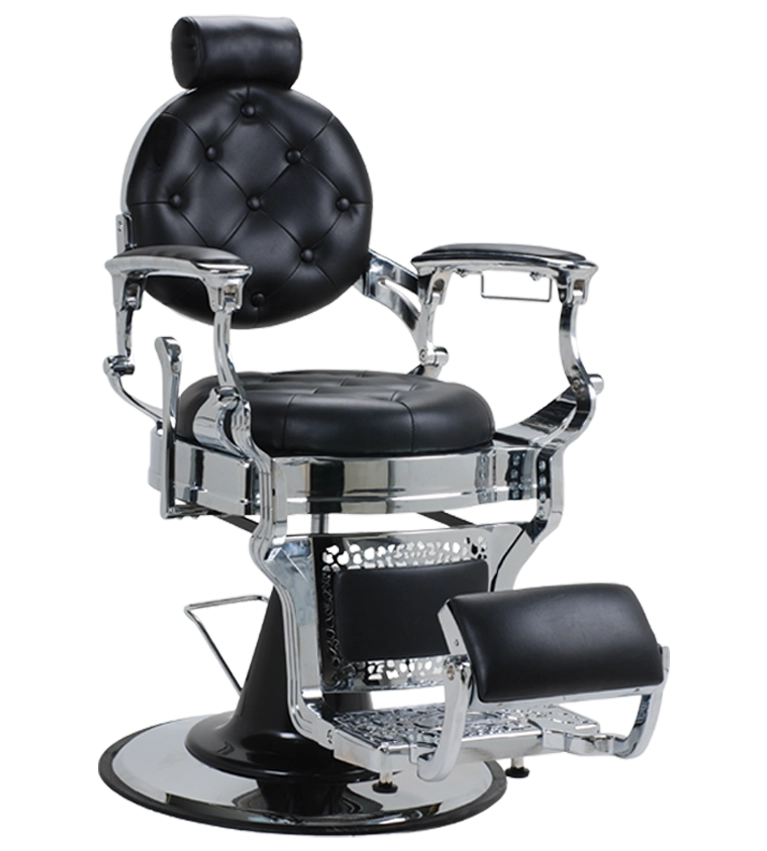
Hair Wash Station 2392-B
Discuss Your Project with Expert Salon Furniture Manufacturers
Tell us what you need — we’ll get back to you with a fast quote and personalized OEM/ODM support.