
How Do Shampoo Chair Manufacturers Ensure Ergonomics?
How Do Shampoo Chair Manufacturers Ensure Ergonomics?
Manufacturers ensure ergonomic shampoo chair design through anthropometric baselines, pressure-mapping, EMG biomechanical validation, adjustable basin geometry, and real-world workflow trials; reputable salon furniture manufacturers validate across 5th–95th percentile ranges and ADA guidance to reduce stylist and client MSD risk.
This article focuses on how leading salon furniture manufacturers translate ergonomic science into usable wash units and seating—what tests are run, what specification engineers pin down, and what salon owners should require when purchasing equipment.
Frequently Asked Questions
Senkelly brings 15 years of applied ergonomics and production experience in salon furniture manufacturing. Our development approach combines anthropometric sourcing, lab-based biomechanical validation, in-salon workflow trials, and durability engineering to deliver wash units that reduce musculoskeletal risk, simplify maintenance, and provide consistent client comfort; we partner with certified ergonomists and use objective measures to iterate designs until they meet both ergonomic and operational KPIs.
Contact Senkelly for a quote at www.senkelly.com or via jinhechair@outlook.com.
Frequently Asked Questions
How do manufacturers measure neck support for varied client anatomies?
Manufacturers begin with population anthropometrics rather than anecdote: designs are based on percentile ranges (commonly the 5th female to 95th male) from established databases such as CAESAR and national anthropometric surveys. From that baseline they develop modular neck-support components—interchangeable cushions and rim contours—that accommodate different cervical curves. In engineering labs they validate contact pressures with pressure-mapping sensors to avoid peak loading on the cervical spine and posterior triangle. Pressure maps are complemented by physical fit tests across a sample panel representing varying head sizes, ages, and mobility. The outcome isn’t a single ‘‘one-size’’ pillow but a system: variable-density foam inserts, removable sanitary covers, and basin rim geometries that distribute load and keep the neck neutral during wash cycles. For procurement: request documented percentile coverage, pressure-map reports, and photographs of cushion geometries as part of the technical data package.
What ergonomic standards guide basin height and tilt adjustments?
There isn’t a single shampoo-chair standard; manufacturers synthesize multiple normative sources. They use anthropometric percentiles for seated and standing head positions and consult accessibility standards (ADA Standards for Accessible Design) for reach and transfer clearances. Ergonomic engineers translate these into adjustable ranges—for basin height, fore/aft offset, and tilt—so that the unit supports neutral neck posture for a broad client base and an upright, low-strain working posture for stylists. Validation follows human-subject trials and objective metrics (neck angle, lumbar posture, and shoulder elevation) recorded with motion capture or inclinometry. Because local populations vary, reputable salon furniture manufacturers publish the adjustment envelope (minimum-to-maximum positions) and demonstrate that the envelope covers a stated percentile range; buyers should require those envelope specifications and independent test data rather than vague ‘‘adjustable’’ claims.
How is long-term stylist musculoskeletal risk reduced by chair design?
Good ergonomic design reduces cumulative exposure to awkward postures and repetitive loads—the primary drivers of work-related musculoskeletal disorders (MSDs) documented in industry studies and OSHA guidance. Manufacturers mitigate risk through three converging strategies: 1) Optimize geometry so routine actions (turning a client’s head, applying products) occur within comfortable reach zones; 2) Provide functional adjustments—swivel, controlled seat-back recline, and basin rotation—to minimize trunk twisting and static shoulder elevation; 3) Reduce force demands by designing basin rims and arm supports that let stylists rest without losing access. In product development, controlled lab assessments use EMG and posture analysis to quantify muscle activation differences between baseline and modified designs; reductions in EMG activity and frequency of extreme joint angles correlate with lower MSD risk. Salon owners should ask for EMG or observational task-analysis summaries from suppliers, and require training for staff on using adjustments to preserve ergonomic benefits.
Which materials balance comfort, hygiene, and durability in armrests?
Material selection for armrests is a technical compromise between cushioning, cleanability, and wear resistance. Manufacturers favor closed-cell polyurethane foams or high-resilience foam cores with multi-layer covering: a low-compression outer layer for initial comfort and a high-support inner layer to prevent bottoming out. Covers are typically marine-grade vinyls or thermoplastic polyurethanes (TPU) with high abrasion resistance and disinfectant compatibility (bleach- and alcohol-resistant formulations). Underneath, a waterproof barrier and removable covers simplify sanitation. Durability testing focuses on abrasion cycles and accelerated exposure to salon chemicals; good suppliers publish abrasion ratings (e.g., Martindale or Wyzenbeek results) and compatibility lists for common salon disinfectants. When specifying, require documented abrasion cycles, chemical-compatibility data, and a serviceability plan (replaceable covers rather than bonded assemblies) to reduce lifecycle cost and downtime.
How do manufacturers test real-world ergonomics across hair salon workflows?
Laboratory testing (pressure mapping, EMG, motion capture) is followed by staged real-world trials—small fleet deployments in partner salons—to capture workflow variability, throughput demands, and maintenance realities. In-salon trials measure task time, error rates (e.g., water spills, repositioning), and subjective scores from stylists and clients using validated comfort scales. Manufacturers log durability incidents (hydraulic failures, fastener loosening) and maintenance interventions to correlate ergonomic performance with operational resilience. Data-driven manufacturers iterate rapidly: they adjust basin geometry, cushioning, or mechanical stops based on both objective metrics (reduced trunk flexion, lower shoulder elevation) and operational feedback. For purchasers, ask for case-study data showing in-salon trial results, measured improvements in task efficiency, and records of maintenance events during trial periods.
What adjustments are essential for accessibility and ADA-compliant shampoo chairs?
Accessibility requires more than fixed dimensions: it requires an adjustment strategy that enables use by people with limited mobility. Manufacturers incorporate wider transfer clearances, removable or swing-away armrests, and seating geometries that allow lateral transfers. Adjustable seat height and a basin rim design that reduces forward reach are essential to minimize transfers that stress joints. Compliance relies on meeting ADA clear floor space and reach ranges where applicable; manufacturers should provide technical drawings showing clearances and demonstrate how the unit performs during common accessible transfer scenarios. Additionally, consider tactile controls for hydraulic or electric adjustments and accessible maintenance access. Buyers serving diverse client bases should request an accessibility technical guide and evidence of testing with users with mobility impairments rather than relying solely on dimensional claims.

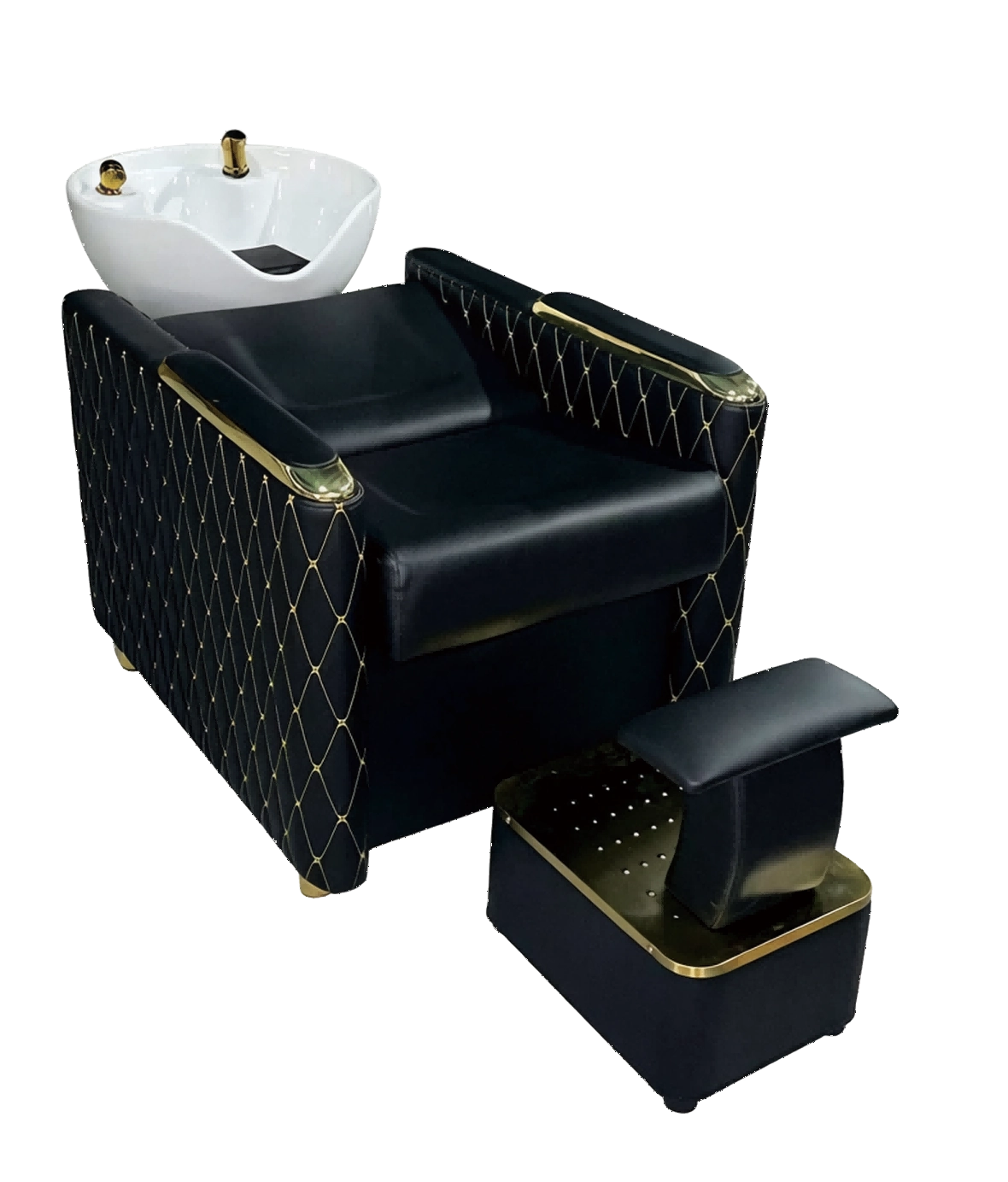
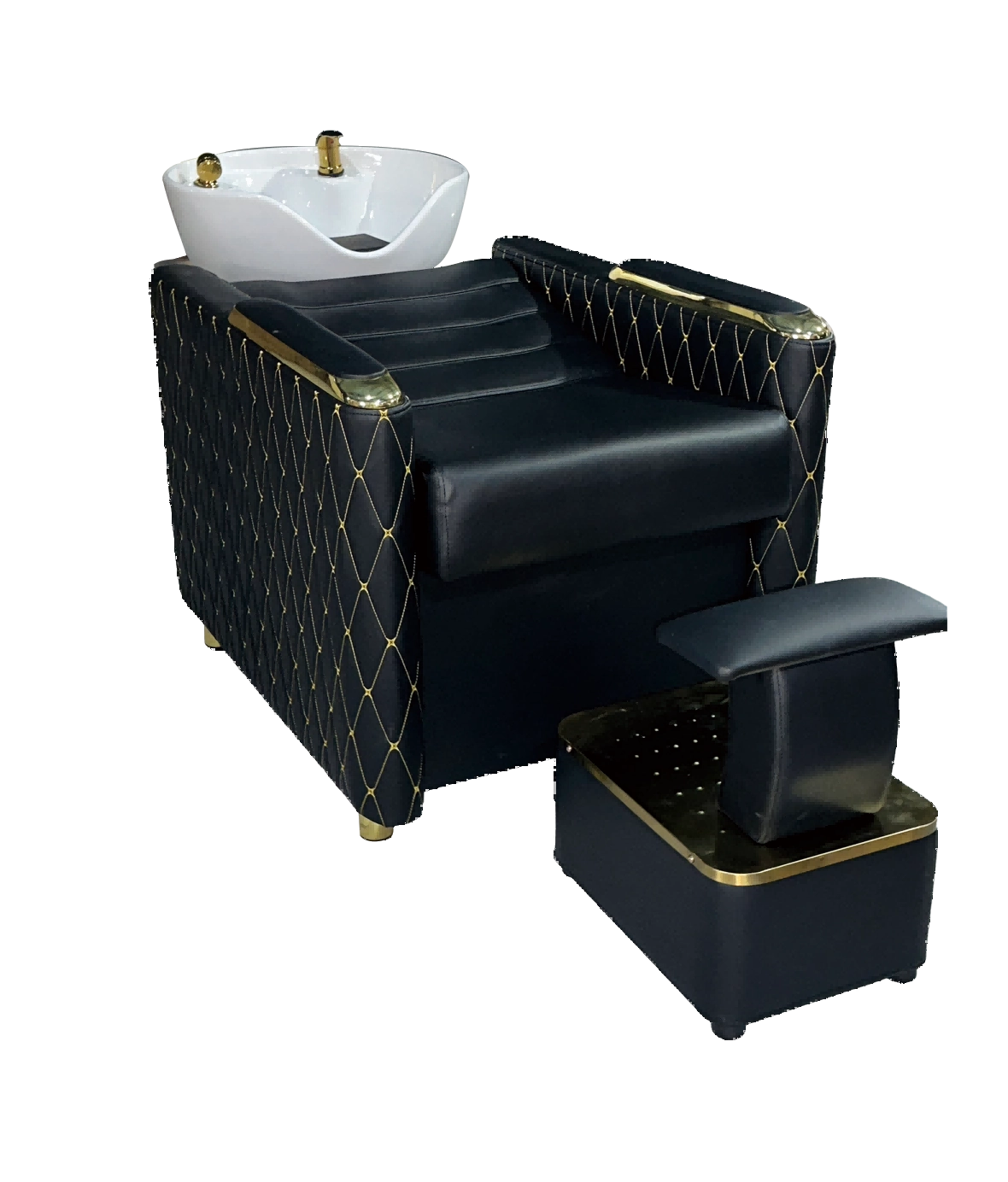
Hair Wash Station 2398

Hair washing bed 2378

Hair Wash Station 2392-B

Hair washing bed 2319
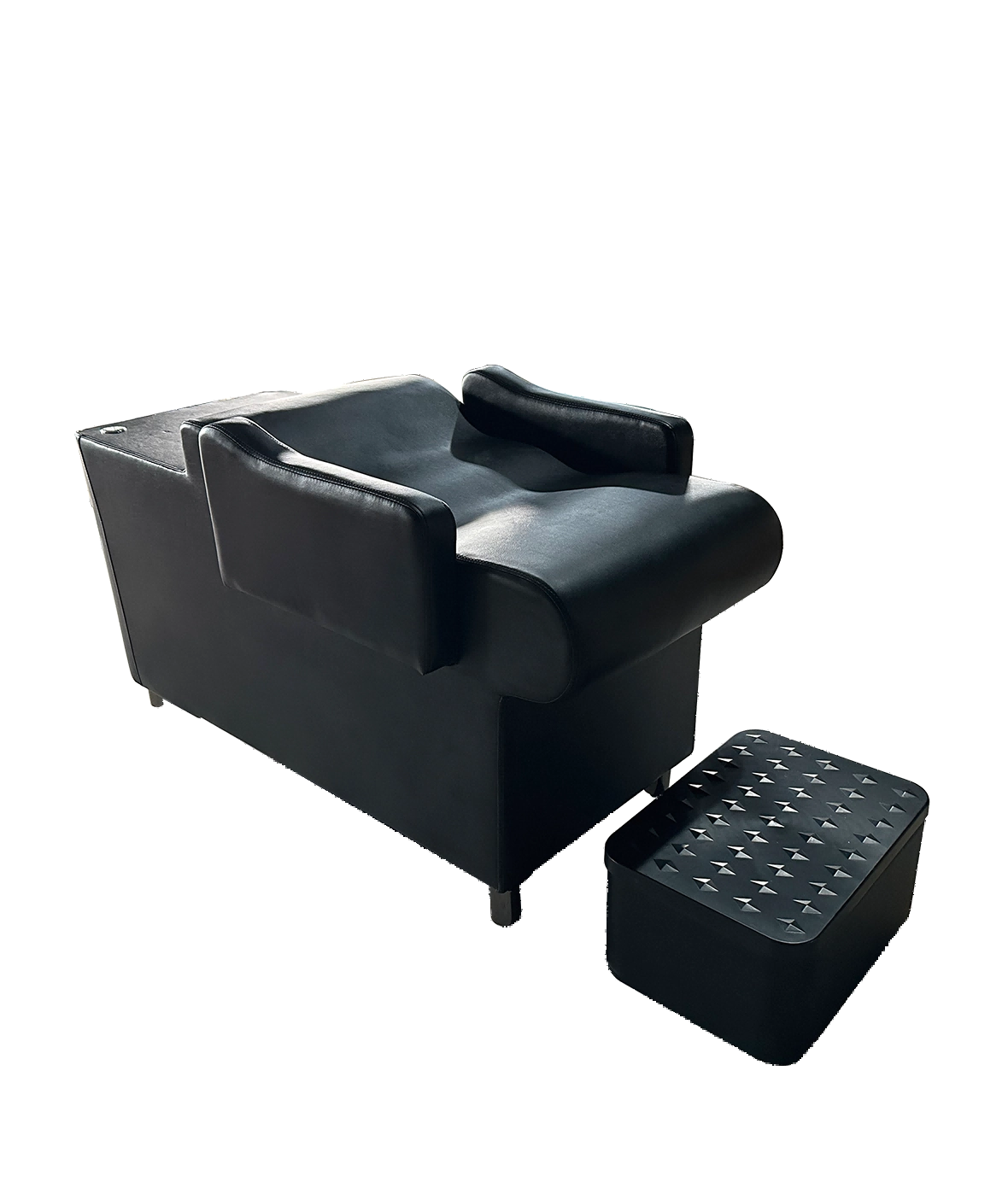
Hair washing bed 2523
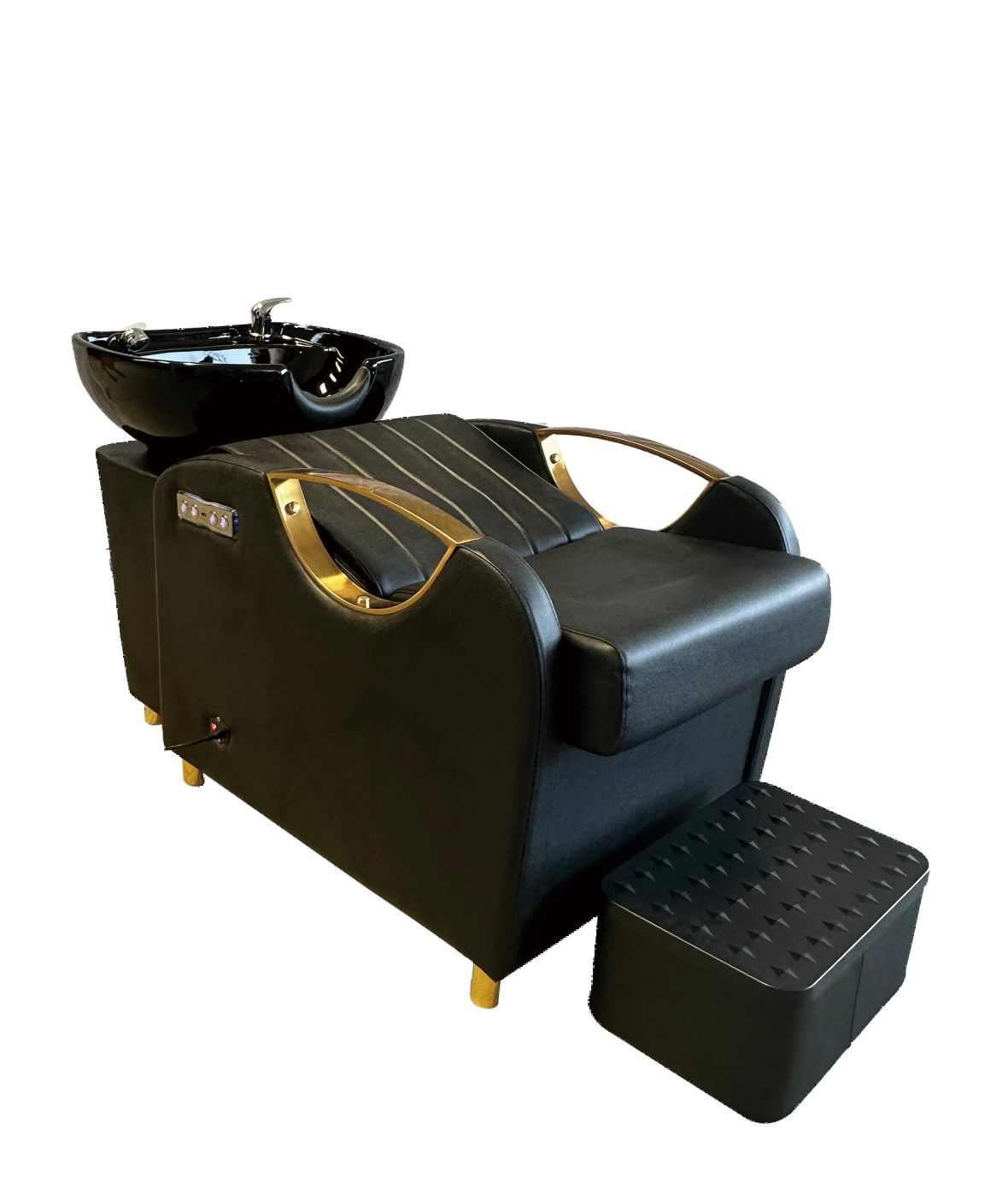
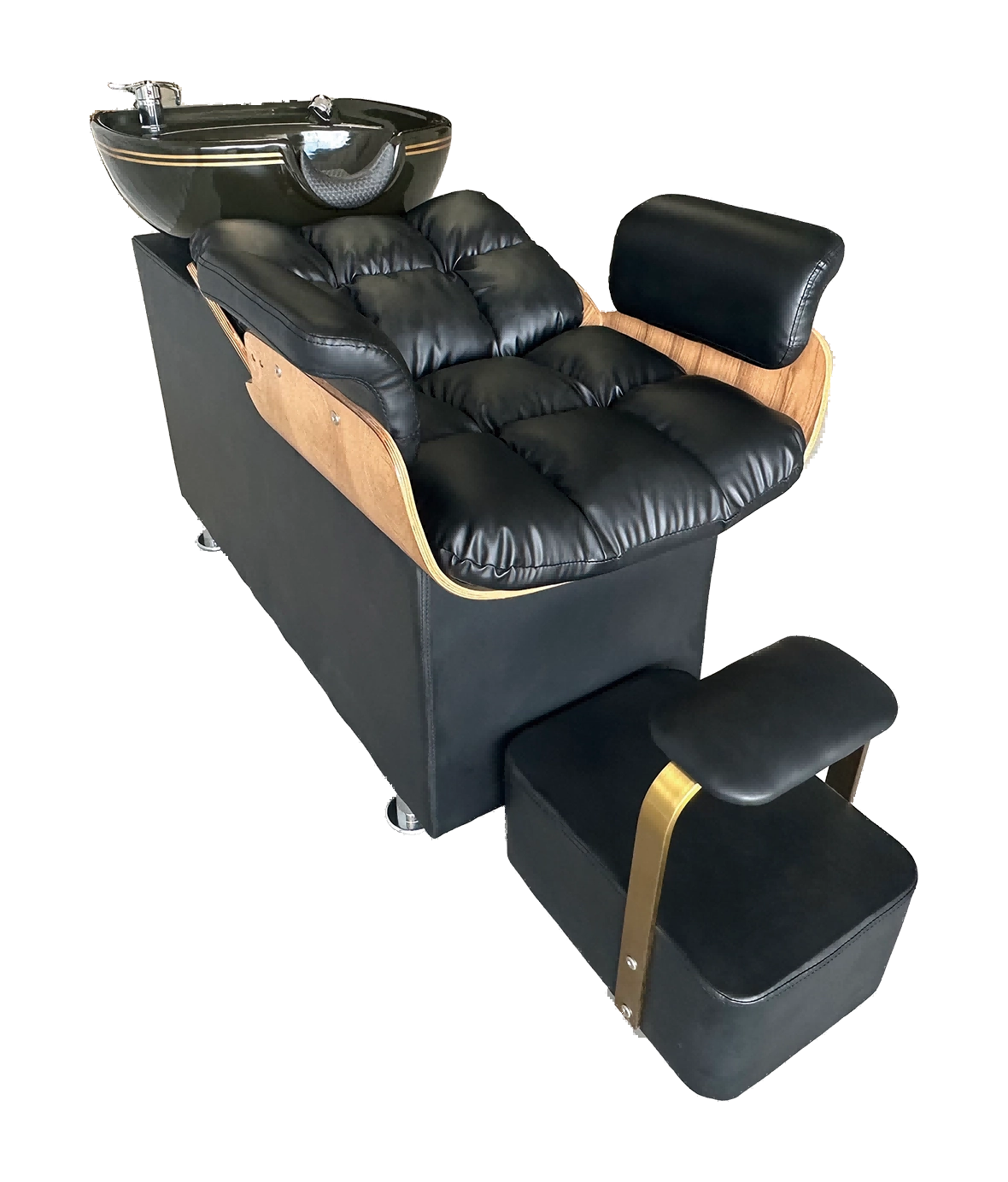
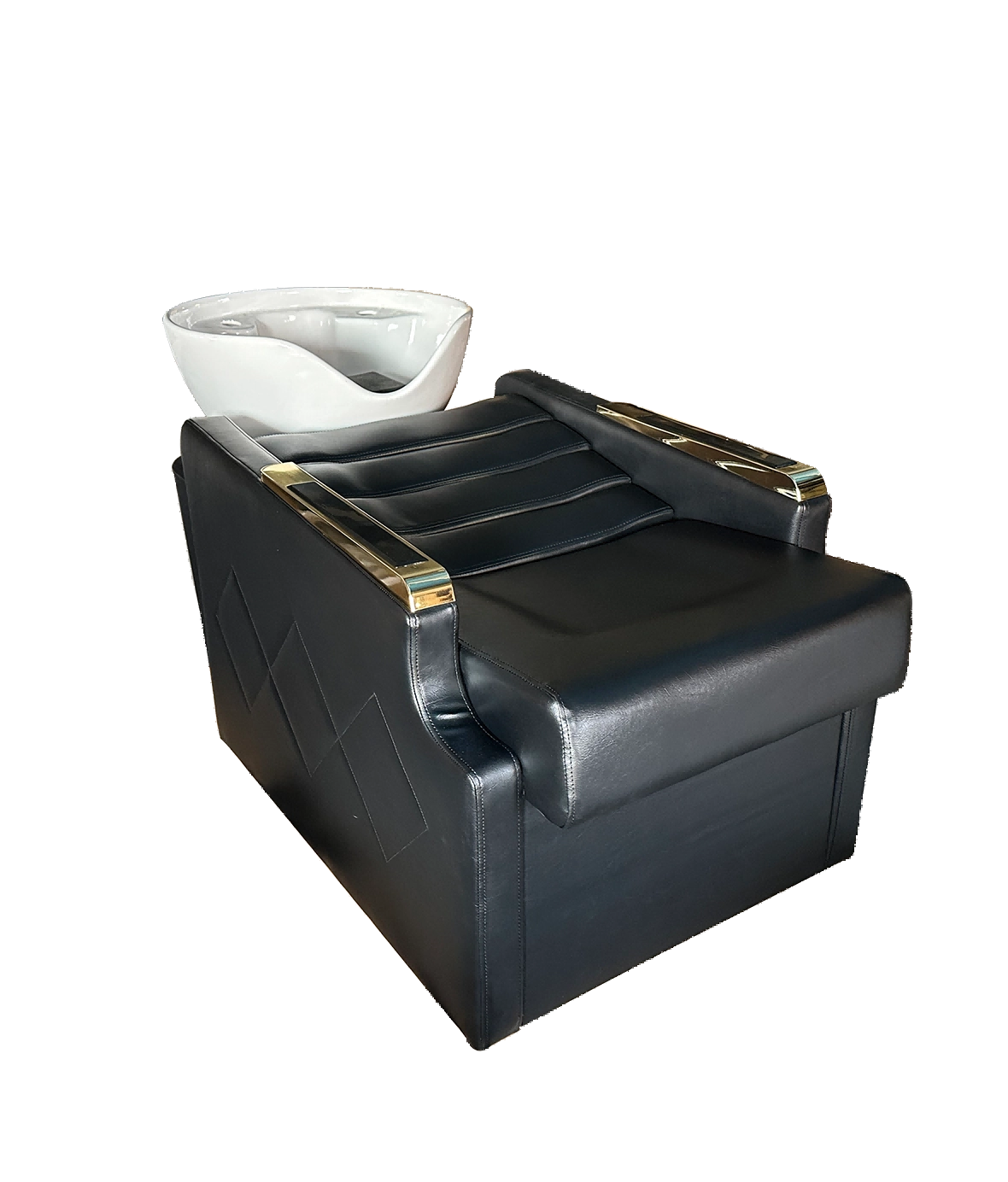
Discuss Your Project with Expert Salon Furniture Manufacturers
Tell us what you need — we’ll get back to you with a fast quote and personalized OEM/ODM support.