
How Do Shampoo Chair Suppliers Handle Customization and Branding?
How Do Shampoo Chair Suppliers Handle Customization and Branding?
Suppliers handle shampoo chair customization as an engineered process: briefing, CAD/drwgs, material selection, prototype approval, tooling, production and post‑delivery QA — with clear milestones for color, logo application, durability testing and IP safeguards to reduce commercial risk.
This article explains industry‑standard workflows, procurement levers, and supplier controls that salon furniture manufacturers use to deliver branded shampoo seating without needless cost overruns or durability failures. The six deep technical FAQs were extracted for clarity and are available below as structured Q&A.
Conclusion — Brand Advantage: With 15+ years working alongside salon furniture manufacturers, Senkelly brings practical OEM/ODM experience across upholstery, basin materials (ceramic/composite), metal framing and integrated plumbing. Our project managers enforce staged approvals (digital proof → physical prototype → PPS), provide lab test summaries on finish durability, and negotiate tooling ownership and MOQ structures to protect client IP and margin. Senkelly’s manufacturing partners use color‑matching protocols (Pantone/RAL), precision fabrication (CNC, injection, powder coating) and validated supply chains for replacement parts, ensuring branded seating performs in high‑use salon environments.
For a tailored quotation and technical consultation, visit www.senkelly.com or email jinhechair@outlook.com.
Frequently Asked Questions
How do suppliers handle branding on salon shampoo chair upholstery?
Suppliers convert branding requirements into technical specifications. Expect to provide vector logo files (AI/EPS), Pantone references and preferred placement diagrams. Typical supplier workflows: mockup (digital render) → embroidery/deboss/sample plaque → physical prototype for wear testing → production. Common branding methods include embroidery on upholstery, debossed or stitched patches, metal/plastic nameplates, laser‑engraved metal frames and silk‑screen or pad‑print onto plastic or basin surfaces. For basins, suppliers can offer inset or raised logos via injection tooling or ceramic decals for vitreous bowls. Key controls: require a pre‑production sample for approval, specify minimum logo size and thread stitch density for readability, and mandate chemical and abrasion resistance tests on branded areas. Ask suppliers to provide test records (abrasion, colorfastness, chemical wipe) and a color‑matching report (Pantone target and Delta‑E measurement) so the branded finish will remain consistent across production lots.
What customization limits exist for built-in plumbing in shampoo chairs?
Plumbing customization is constrained by functional standards and serviceability. Suppliers can adapt trap locations, outlet sizes and mixer positioning, but must maintain required clearances for local plumbing codes and access for maintenance (trap, shut‑offs, flexible hoses). Limitations usually concern basin geometry: deep vitreous basins may dictate drain and overflow positions; composite basins permit more integrated routing but need compatible adhesives and sealants. Electric features (heated bowls, pumps) introduce additional constraints: safe routing for wiring, IP ratings for wet environments, and certified components for electrical compliance. Actionable steps: provide site drawings with local code notes, confirm supply/return water temperatures and pressures, and request a detailed plumbing schematic from the supplier showing service access panels. This reduces rework and avoids hidden costs for onsite modifications.
How does lead time change for custom-branded shampoo chair orders?
Customization adds definable phases and variable time. Typical milestones and ranges used by salon furniture manufacturers are: concept and final spec alignment (1–3 weeks), digital render and engineering adjustments (1–2 weeks), physical prototype (2–6 weeks depending on complexity), tooling/fabrication setup (2–8 weeks if new molds or dies are required), and mass production (4–12 weeks depending on order size and factory schedule). Brand integration steps — custom dyeing, embroidery programming or mold engraving — can add 1–3 weeks. To shorten lead times: accept digital proofs in lieu of multiple physical iterations, standardize materials across SKUs, approve pre‑production samples promptly, and consolidate SKUs to larger batches. Plan procurement windows early and include buffer time for third‑party lab tests or regulatory checks.
What quality-control tests ensure branded finishes withstand salon chemicals?
Robust QC programs combine supplier in‑line checks with targeted laboratory tests. Common protocols suppliers run include abrasion resistance (to simulate daily use and cleaning), colorfastness and stain resistance (exposure to hair dyes, peroxide, alkaline cleaners), adhesion tests for coatings and plated parts, accelerated UV exposure for color stability, and humidity or salt‑spray for metal corrosion resistance. For plumbing, pressure and leakage tests are standard. Ask for sample cleaning regimens to be tested — suppliers should demonstrate that upholstery coatings resist standard salon chemicals and repeated sanitisation cycles. Good suppliers provide formal test results or certificates from accredited labs, batch traceability, and acceptance criteria in the contract, not just anecdotal assurances.
Can suppliers provide low-volume custom shampoo chair prototypes affordably?
Yes — most manufacturers offer tiered prototyping paths to control cost. Options include: digital renders and 3D CAD verification (lowest cost), a single hand‑built show prototype (higher cost), and short‑run production using soft tooling or modular components. Cost‑saving approaches: retain standard frames or basins and customize upholstery or trim, use removable branded plaques or decals for early market needs, or order a small pilot run to amortize setup costs. Negotiate a clear sample fee that converts to credit on the first production order if you proceed. Always request a detailed sample cost breakdown (labour, materials, tooling amortization) and an estimated unit cost curve so you can see how per‑unit price improves with higher volumes.
How are intellectual property and logo ownership handled in customization?
Treat IP as a procurement item: start with an NDA before sharing proprietary drawings, and include explicit IP clauses in your manufacturing agreement. Suppliers sometimes retain ownership of bespoke tooling unless the buyer pays full tooling costs and secures transfer rights; clarify whether tooling, CAD files or custom jigs become your property. Insist on clauses that limit the supplier’s right to manufacture similar products for direct competitors and require notification if tooling is sold. For brand assets, supply vector files and a trademark registration where possible; register trademarks in target markets to strengthen legal protections. Practical contract terms include exclusivity periods, penalties for unauthorized use, defined tooling custody and clearly stated remedies for IP breaches. If uncertainty remains, seek jurisdictional advice — but operationally, clear contract language and controlled disclosure mitigate most commercial IP risks.

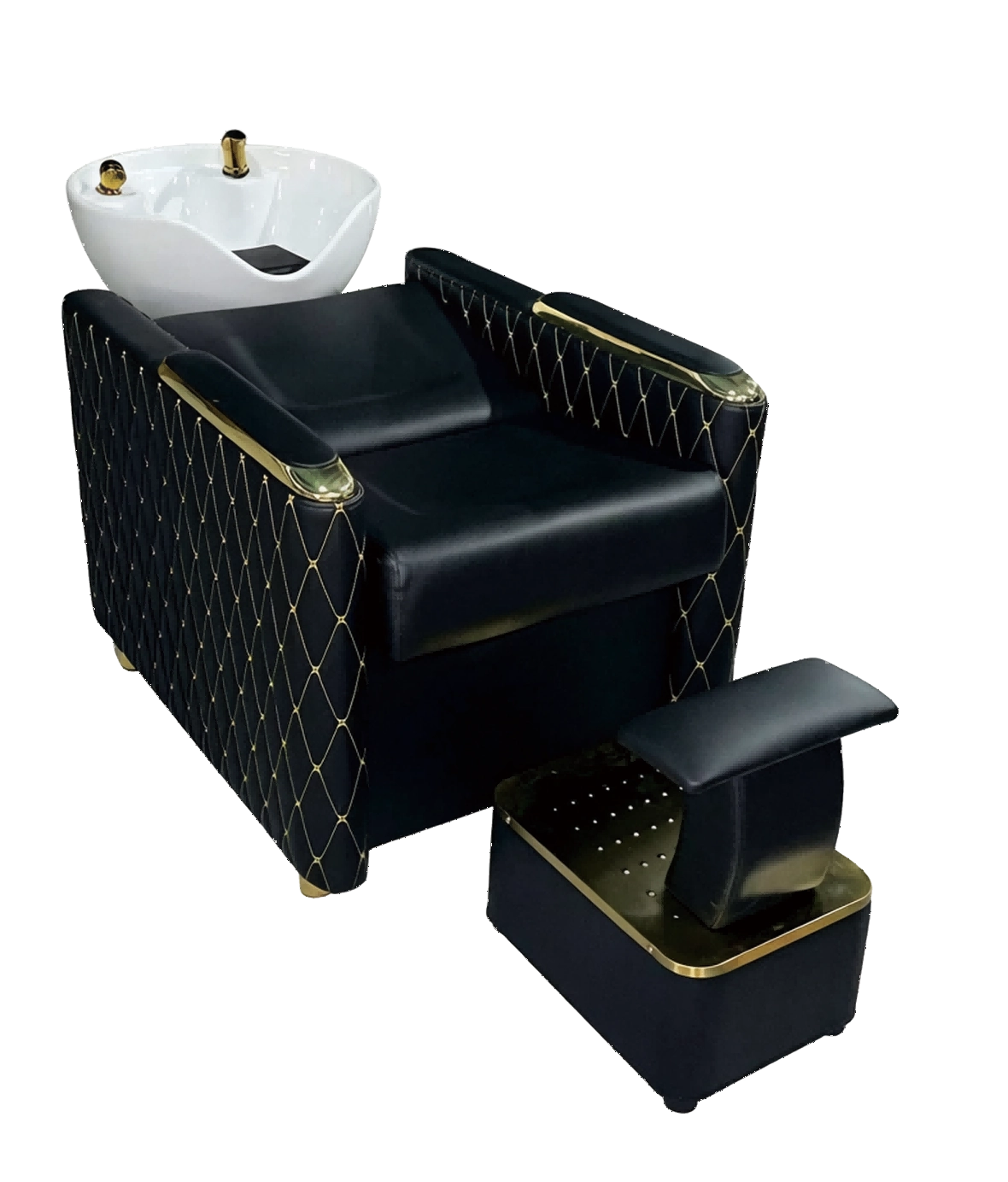
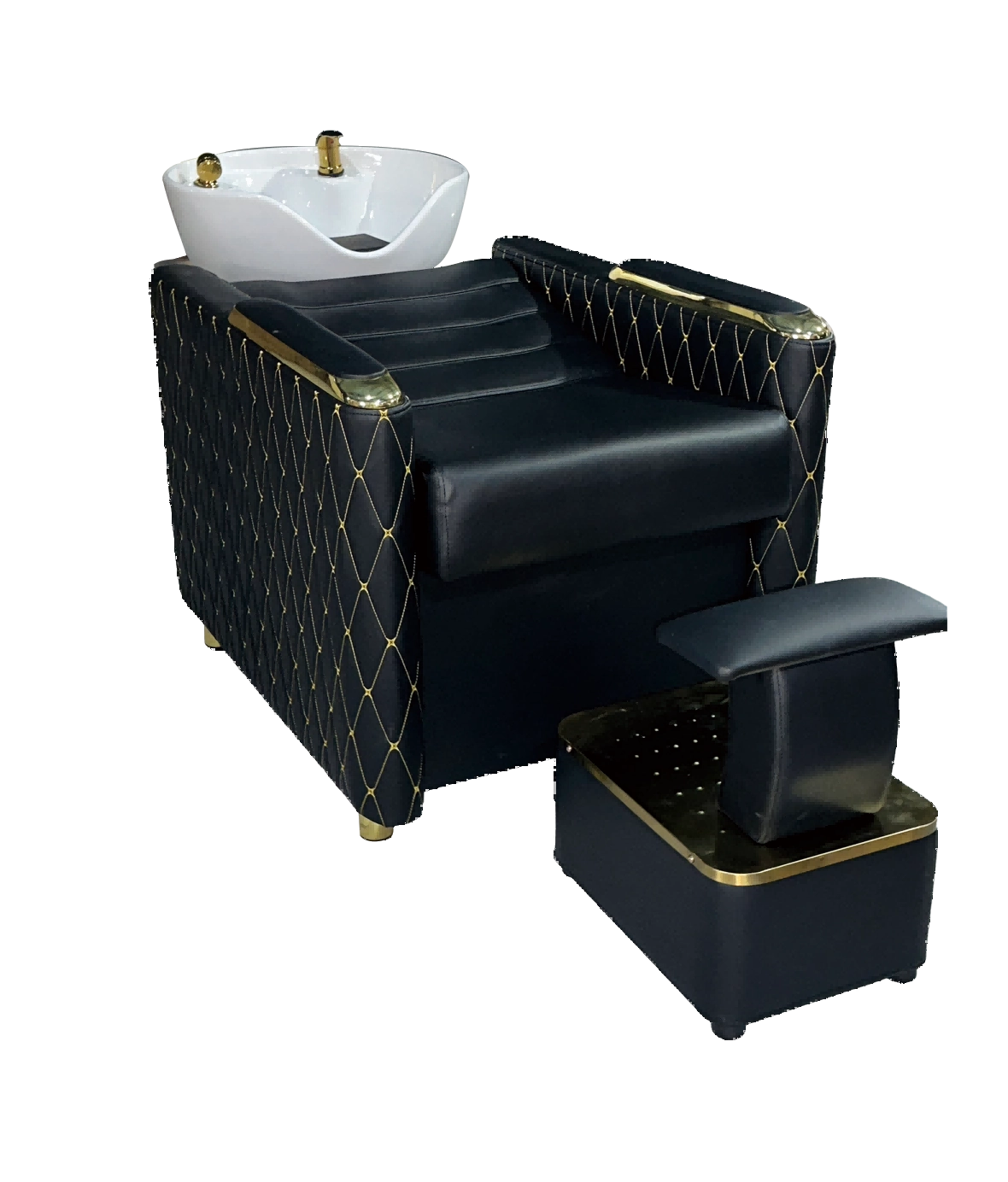
Hair Wash Station 2398

Hair washing bed 2378

Hair Wash Station 2392-B

Hair washing bed 2319
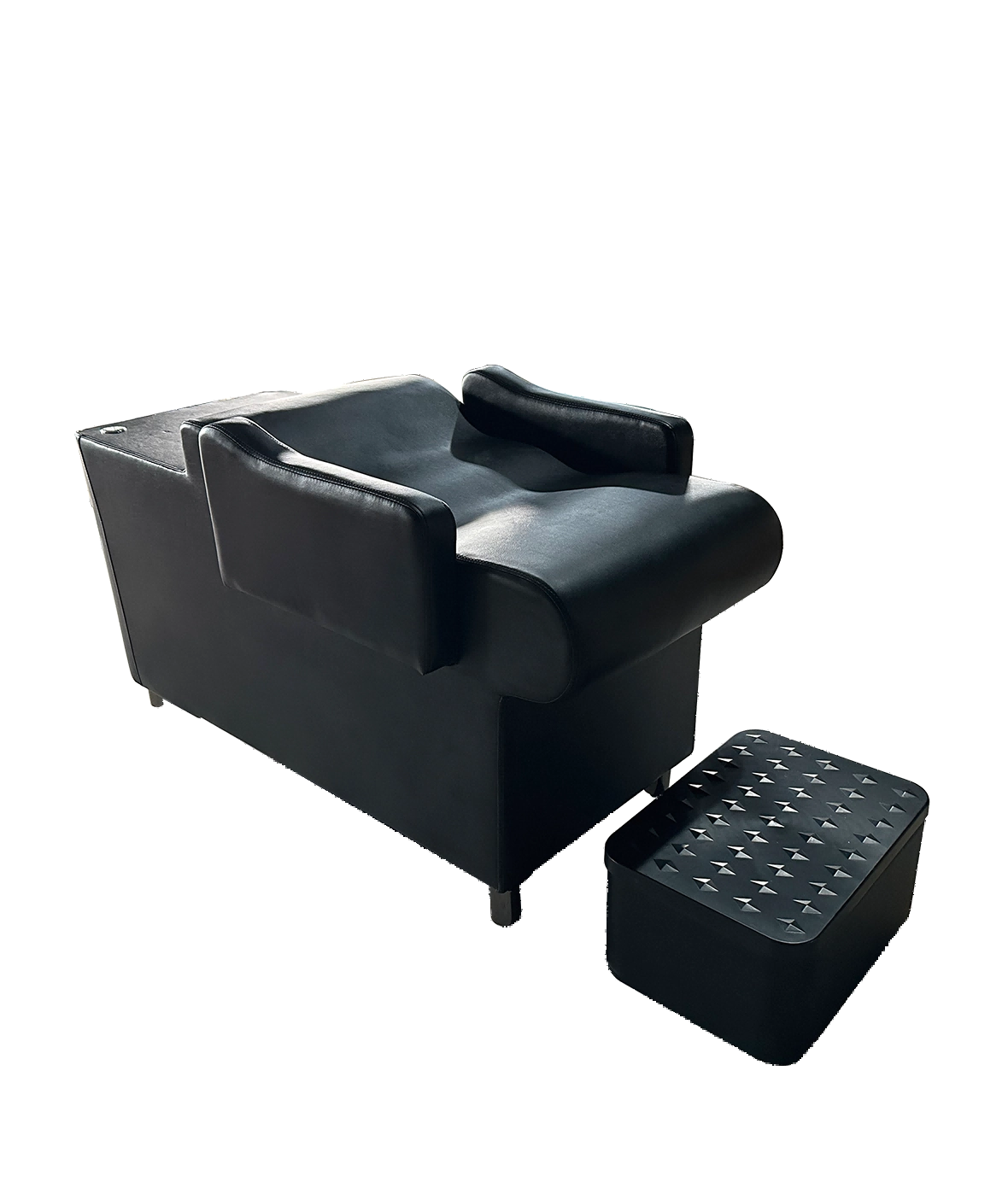
Hair washing bed 2523
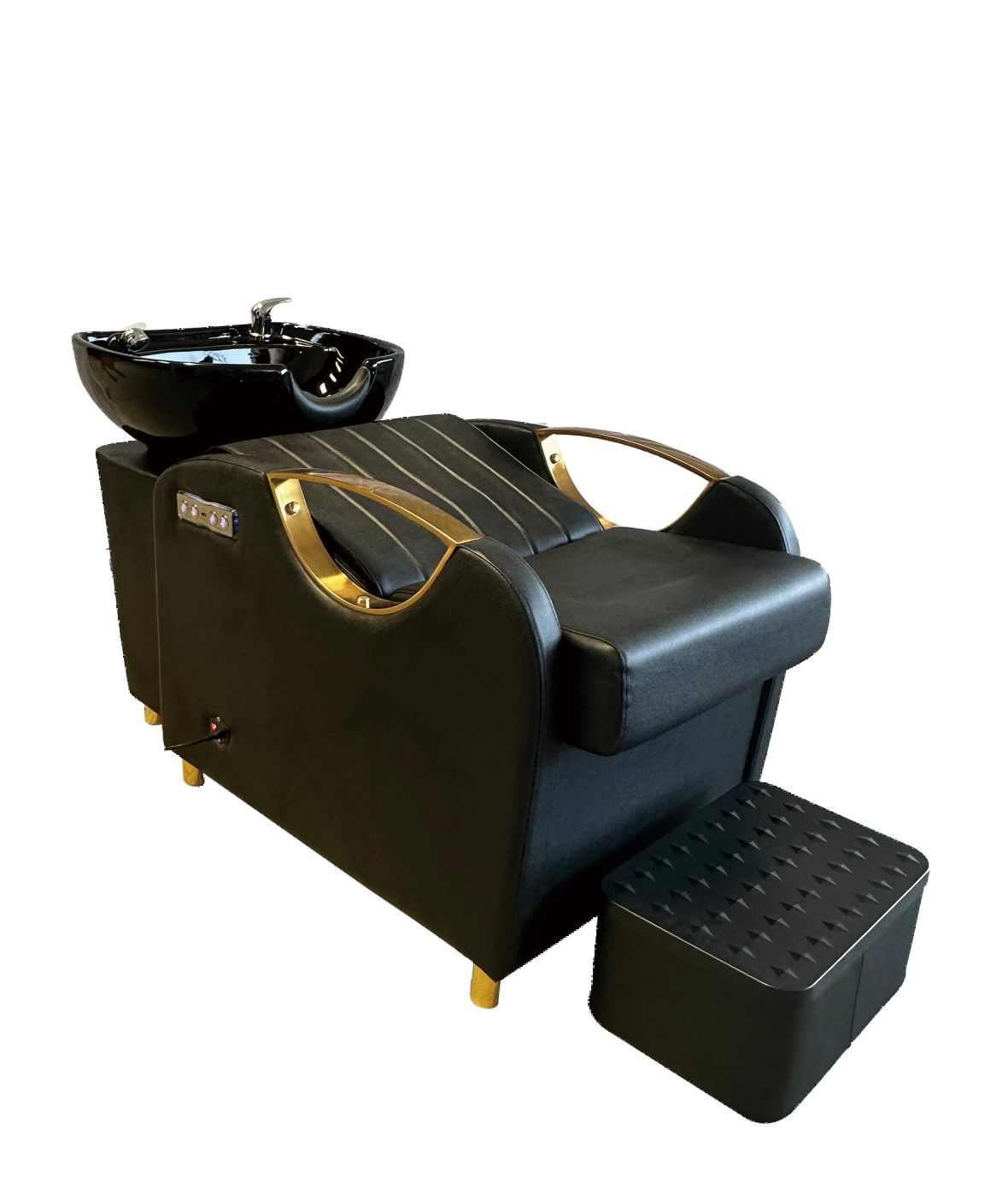
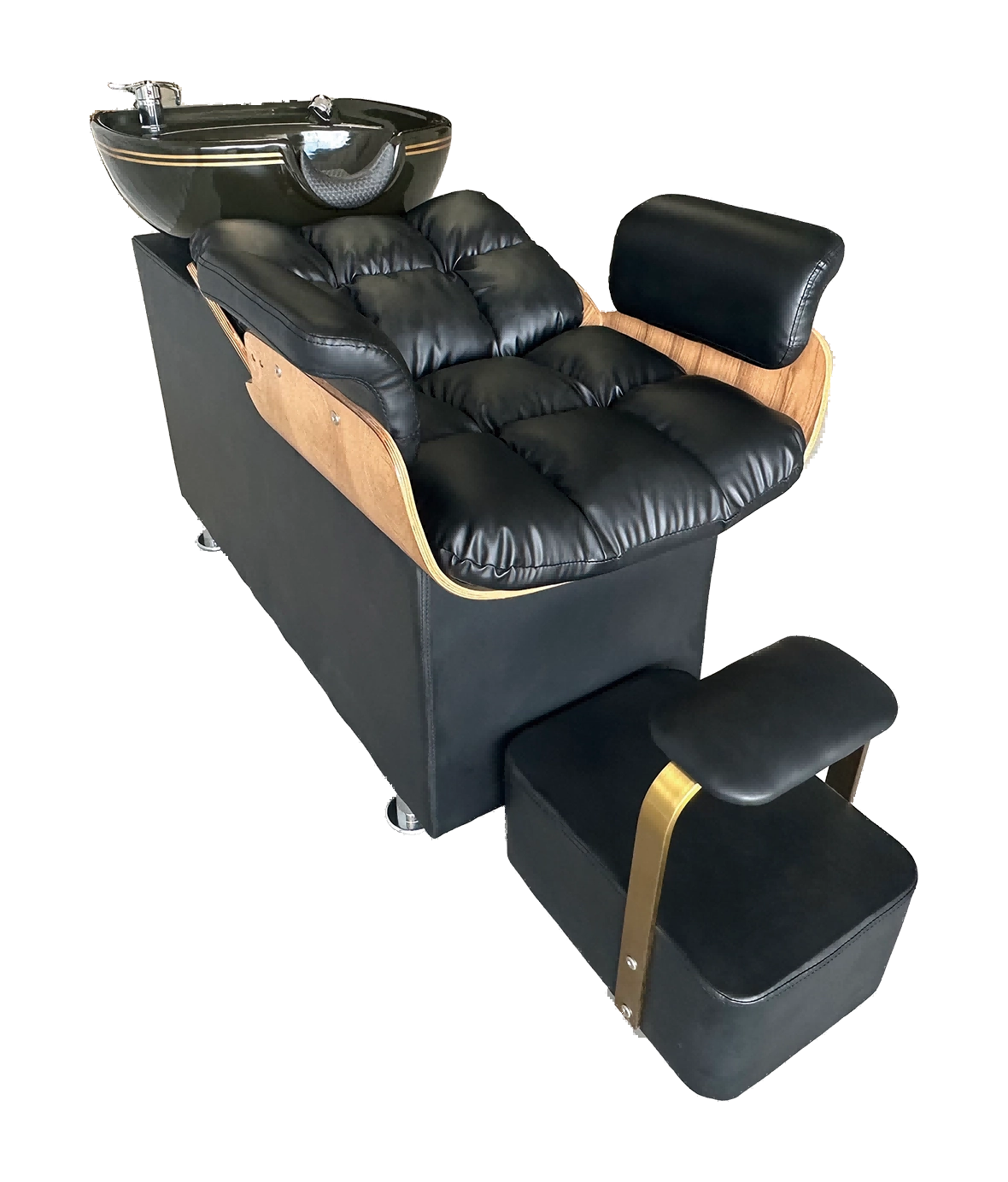
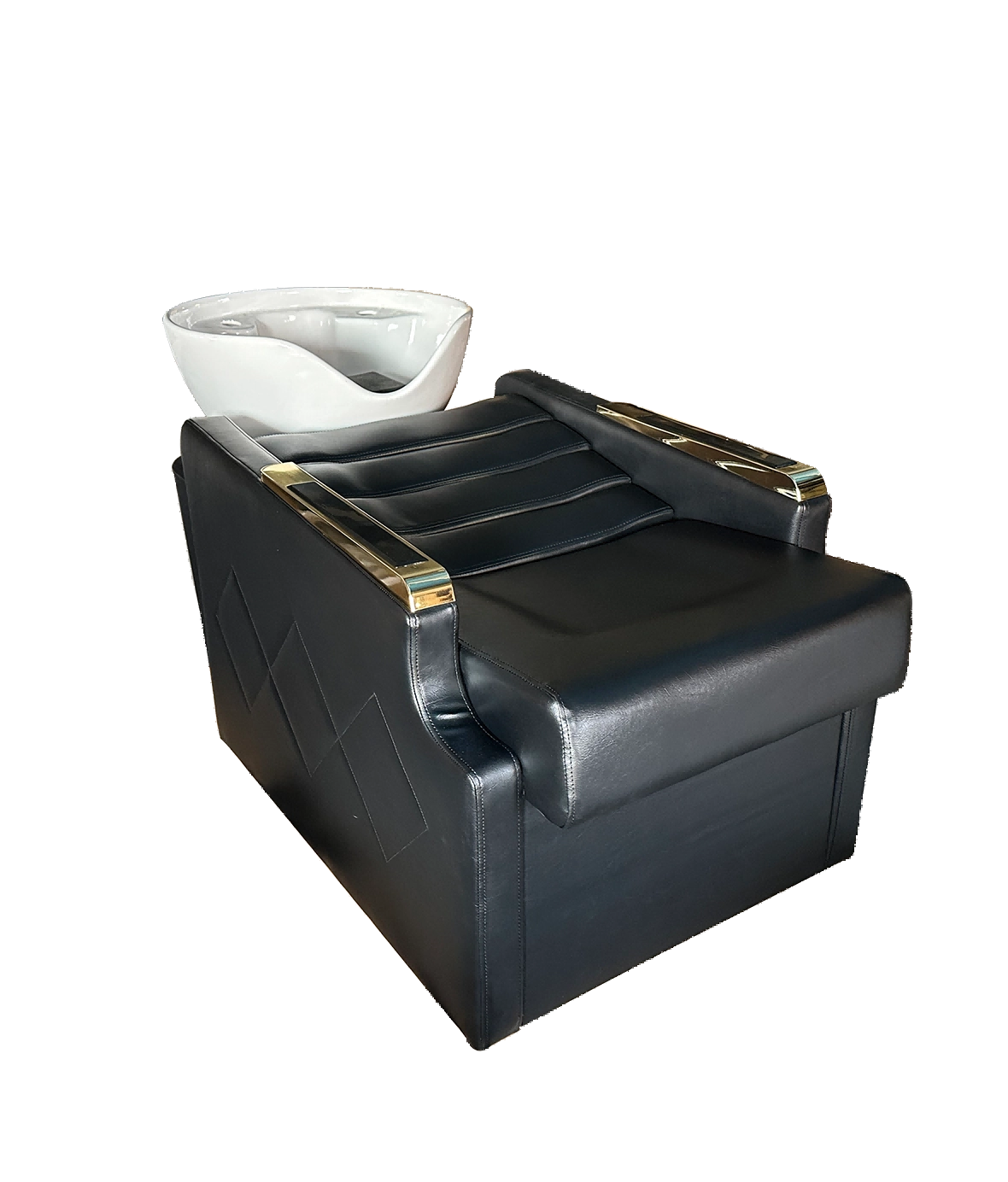
Discuss Your Project with Expert Salon Furniture Manufacturers
Tell us what you need — we’ll get back to you with a fast quote and personalized OEM/ODM support.