
How Does a Hydraulic Barber Chair Improve Client Comfort?
Quick Answer
A hydraulic barber chair improves client comfort by supporting controlled height adjustment, stable reclining, balanced cushioning, and better alignment between the client, barber, and service area. Senkelly can help evaluate seat ergonomics, lift performance, upholstery, base stability, and service requirements. Final solutions depend on the project, product testing, user profiles, and site conditions.
How Senkelly Supports Projects
Senkelly develops commercial barber chairs through in-house 3D design, material selection, and precision production. Its OEM and ODM support can address seat proportions, reclining configuration, upholstery selection, hydraulic components, footrest design, and visual specifications for a brand or salon concept.
For evaluation, buyers should confirm target user dimensions, working height, recline range, load requirements, upholstery expectations, floor conditions, and cleaning routines. MOQ, lead time, testing scope, and quotation must be confirmed for each project with Senkelly before production planning.
Discuss Your Client-Comfort Chair Requirements
Send the target market, chair quantity, intended services, preferred dimensions, upholstery preference, color direction, and required functions. These details allow discussion of suitable configurations, sample steps, packaging considerations, and project testing. Visit www.senkelly.com or email jinhechair@outlook.com to discuss a client-comfort-focused barber chair project.
Frequently Asked Questions
What makes hydraulic lift movement feel comfortable during long barber services?
Comfortable lift movement is controlled rather than abrupt. The hydraulic pump, release mechanism, cylinder, base, and chair load must work together so height changes occur smoothly without sudden drops or excessive resistance. A barber should be able to position the client at a practical working height while limiting repeated repositioning during cutting or shaving. Buyers should test the chair with representative users and observe movement at both unloaded and occupied conditions. Uneven floors, incorrect assembly, excessive load, or poor maintenance can affect perceived smoothness. The lift mechanism supports comfort, but it does not replace correct seat depth, back support, or foot positioning.
How should seat width and cushioning support different client body types?
Seat comfort depends on the relationship between seat width, usable depth, cushion firmness, edge shape, and backrest contour. A seat that is too narrow can create lateral pressure, while excessive width may reduce side support during reclining. Cushioning should distribute contact pressure without allowing the pelvis to sink into an unstable posture. Buyers should assess seated posture using users with different heights and body proportions, not only showroom models. Check the front edge for pressure behind the thighs, confirm that the backrest supports the lumbar area, and review how upholstery tension changes after repeated use. Foam specification, density, resilience, and construction should be confirmed with the manufacturer rather than judged by softness alone.
Can a reclining backrest reduce neck strain during shampoo-free services?
A reclining backrest can reduce neck strain when it supports the torso and head in a balanced position for shaving, beard work, facial services, and extended styling. Recline alone is not sufficient: the pivot location, headrest shape, lumbar contour, seat angle, and leg support influence how the client distributes weight. An excessive recline angle may make communication or breathing feel less natural for some users, while limited head support can leave the neck extended. Test several positions with the client’s head, shoulders, and pelvis supported. The barber should also retain clear access to the face and neck without leaning across the client.
Why does footrest geometry matter for client comfort and stability?
A footrest gives the lower legs a defined support point and can reduce pressure caused by unsupported feet during reclining. Its height, projection, width, surface shape, and attachment strength should correspond with the chair’s seat angle and the intended user range. If the footrest is too high, the knees may rise and increase hip compression; if it is too far forward, the legs may lose useful support. A stable footrest also helps clients feel secure when the chair changes position. Inspect the mounting area, edges, cleanability, and resistance to repeated loading. The footrest should complement the chair structure rather than function as a decorative attachment.
How can salons prevent hydraulic chair vibration during height adjustment?
Vibration during height adjustment may originate from an uneven floor, loose fasteners, a misaligned base, a damaged pump, an unsuitable load, or contact between moving components. Start with installation: place the chair on a sound, level surface and follow the manufacturer’s assembly sequence. Check base connections and accessible fasteners according to the service instructions, then test movement with and without a user. Avoid forcing the release lever or applying unapproved lubricant to hydraulic components. If vibration continues, remove the chair from service for inspection instead of masking the problem with extra padding. Maintenance records help distinguish installation issues from component wear.
Which upholstery details affect heat buildup during extended appointments?
Heat buildup is influenced by upholstery type, surface texture, color, foam construction, ventilation around contact areas, clothing, room temperature, and appointment duration. A dense, non-breathable surface can feel warmer when the client remains reclined, while perforation or textile choices may change cleaning and liquid-resistance requirements. Buyers should compare material samples for tactile feel, seam construction, wipe-clean performance, abrasion expectations, and compatibility with the salon’s approved cleaning routine. Softer upholstery is not automatically more comfortable because excessive sink can restrict movement and increase pressure at the thighs or lower back. Comfort testing should include realistic service durations, clothing, ambient conditions, and cleaning procedures.

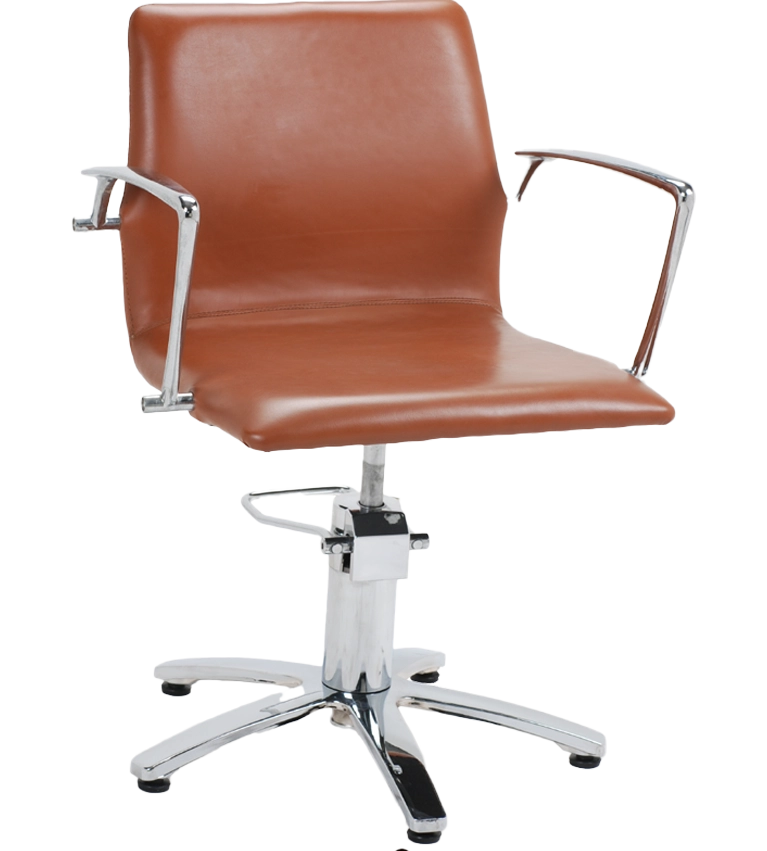
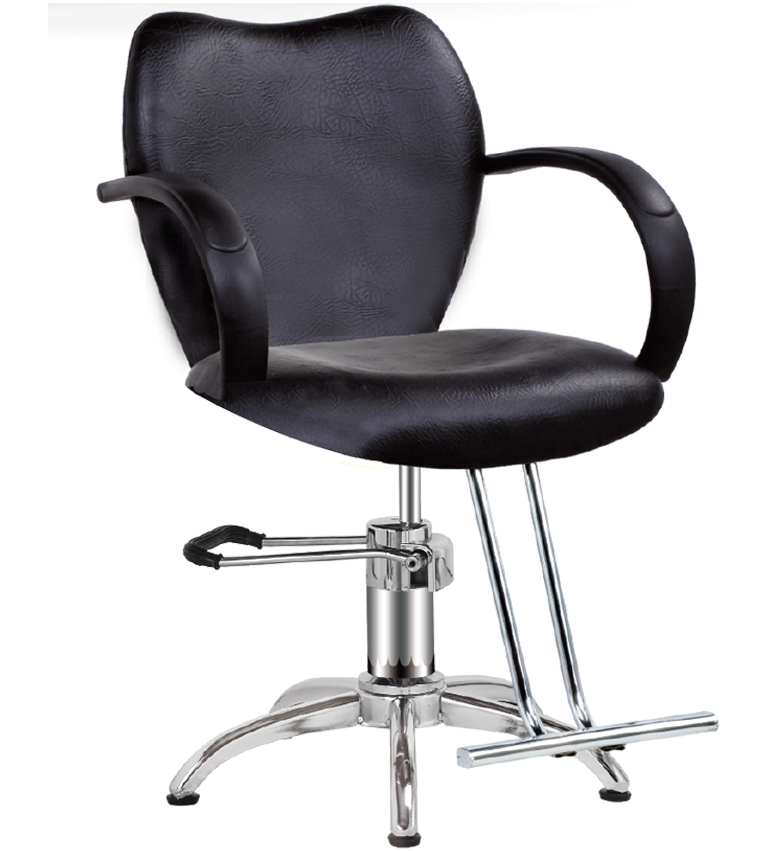
Styling Chair 8135
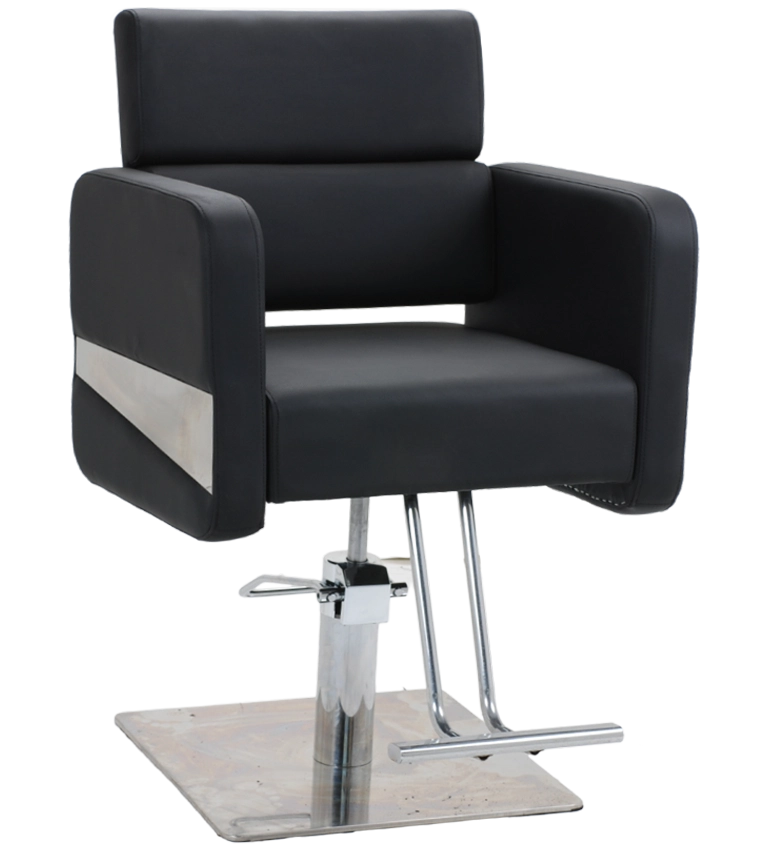
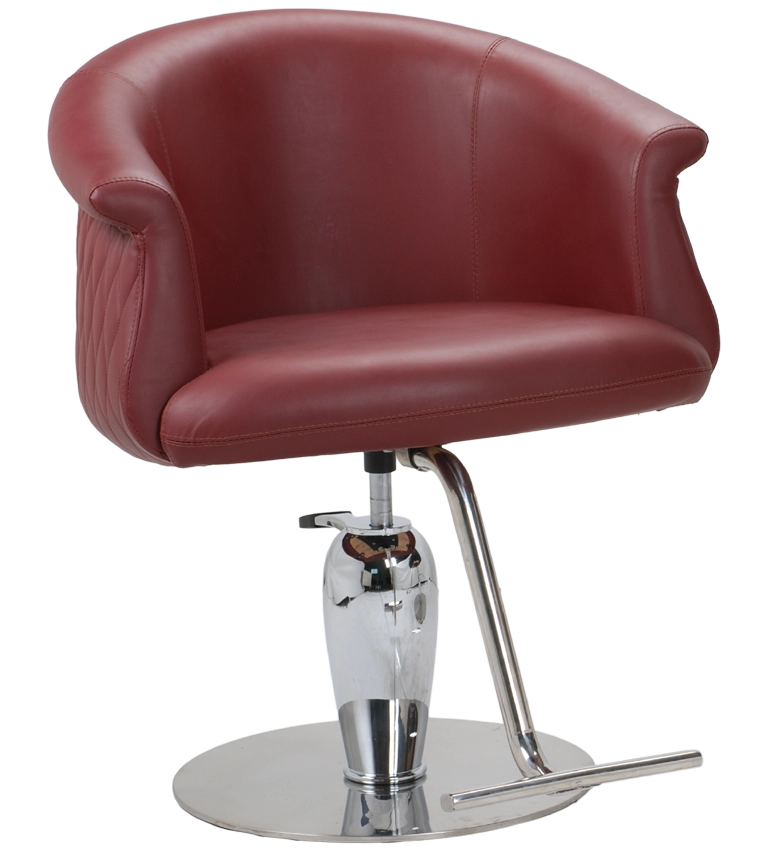
Styling Chair 8151
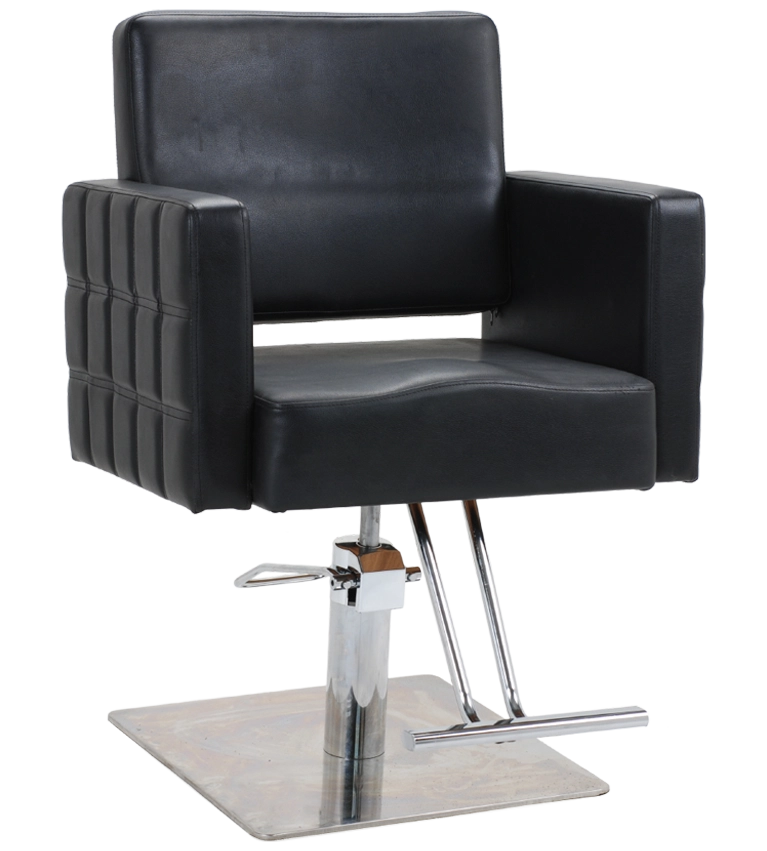
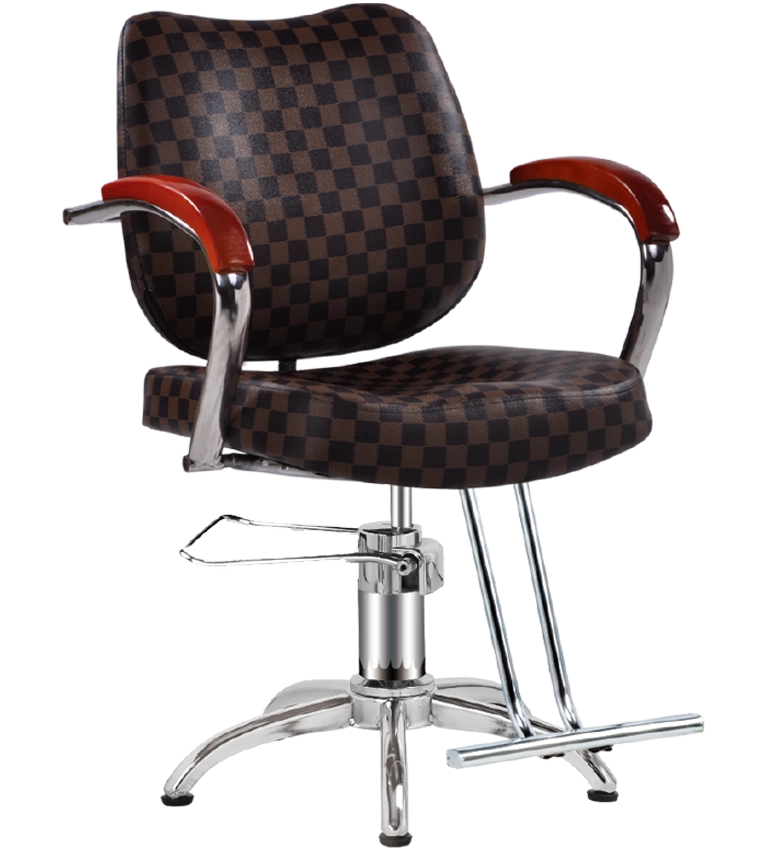
Styling Chair 8152
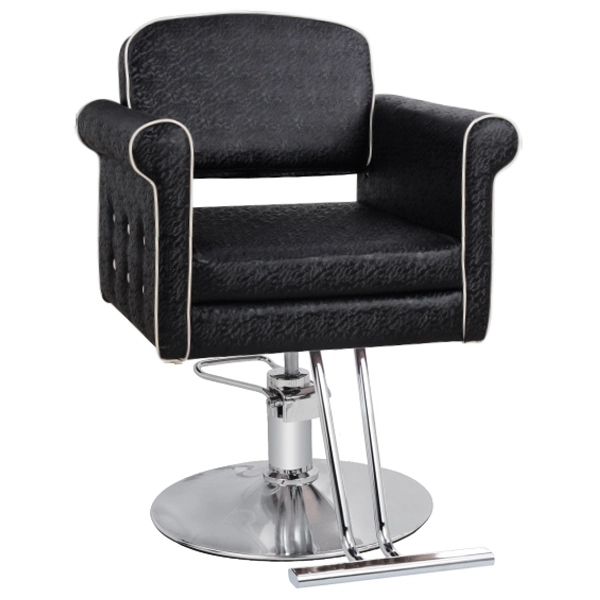
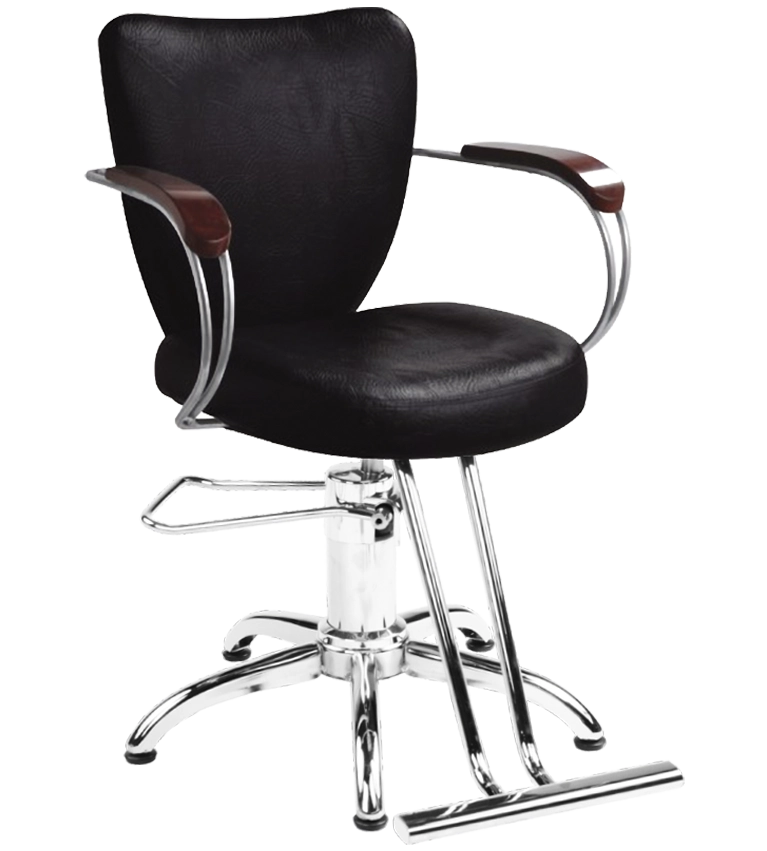
Styling Chair 8819
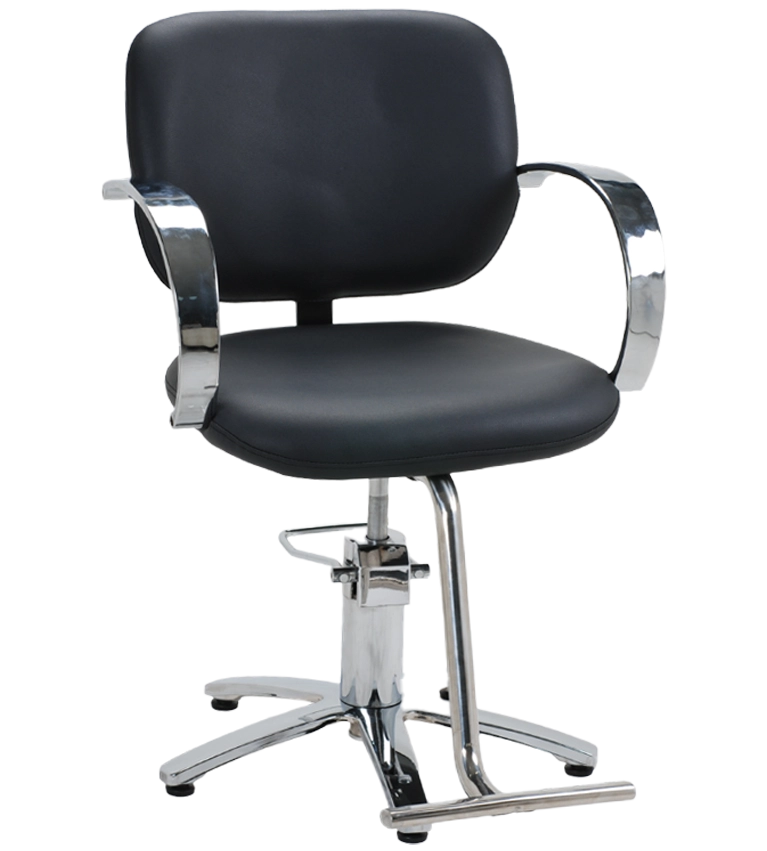
Styling Chair 8185
Discuss Your Project with Expert Salon Furniture Manufacturers
Tell us what you need — we’ll get back to you with a fast quote and personalized OEM/ODM support.