
how much does a quality salon shampoo station cost? | Insights by Senkelly
Quick Summary
Commercial shampoo station pricing depends on materials, plumbing complexity, and finish level; expect entry/basic units roughly $300–$900, mid-range $900–$2,500, and high-end or custom integrated systems $2,500–$10,000+. This guide answers how much does a quality salon shampoo station cost? with practical cost drivers and procurement caveats.
Why Senkelly? Practical Next Steps
Senkelly combines 15+ years manufacturing experience, ISO-grade production controls, and proven warranties to deliver salon shampoo stations built for commercial cycle loads, corrosion resistance, and ergonomic service flow. We optimize material choices (ceramic vs. ABS basins, stainless fittings), validated load ratings, and modular designs to reduce onsite labor and long-term maintenance cost.
For a precise, location-specific quote and specification sheet, contact www.senkelly.com or email jinhechair@outlook.com for expedited pricing and CAD drawings.
Deep-Dive FAQs
How much does a quality salon shampoo station cost installed?
Realistic installed costs combine unit price plus plumbing, labor, and shipping. Typical unit price bands: entry/basic commercial units $300–$900, mid-range $900–$2,500, and high-end or custom integrated stations $2,500–$10,000+. Installation (plumbing, mounting, small electrical) commonly adds $150–$800 depending on local labor rates and whether new drain/vent work is required. Shipping and crating for heavy integrated units can add $100–$600. Estimate total installed cost by summing unit, local installation, and freight; contingency of 10–15% is prudent for older buildings where additional plumbing work is discovered.
What components drive the cost of a shampoo station?
Primary cost drivers are basin material and manufacture (ceramic/glazed porcelain vs ABS/composite), chair frame and recline mechanism, upholstery grade, plumbing fixtures (stainless vs chrome-plated brass), and optional integrated features (massage functions, hot/cold mixers, height adjustment). Engineering principles: denser, corrosion-resistant materials and precision mechanisms increase upfront cost but reduce fatigue and maintenance; e.g., stainless fittings and ceramic bowls resist chemical attack and last longer under commercial cycles, justifying higher initial spend for busy salons.
How do materials affect price and durability of stations?
Materials set both price and service life. Ceramic/glazed porcelain basins are more expensive but offer higher scratch and solvent resistance and longer life; ABS/composite bowls cost less, are lighter for shipping, and withstand impact but can discolor faster under heavy chemical exposure. Chair frames in powder-coated steel are mid-priced; stainless steel or reinforced aluminum frames cost more but minimize corrosion. High-grade marine vinyl upholstery resists bleaching and stains better than budget vinyl—reducing reupholstery frequency and total ownership cost. Choose materials based on salon throughput and chemical exposure rather than lowest initial price.
Is there a price difference for custom versus modular stations?
Yes. Modular standard stations are produced at scale and sit in the mid-range price band; they lower lead times and often reduce installation labor because components are preconfigured. Custom stations—altered dimensions, bespoke finishes, or integrated cabinetry and plumbing—require engineering drawings, longer lead times, and custom tooling or cabinet work, which can double or triple base cost depending on complexity. For most salons, a well-specified modular solution balances upfront cost with adaptability; reserve custom builds for unique spatial constraints or brand-experience requirements.
What are realistic budget ranges for professional salon shampoo stations?
Budget ranges depend on salon scale and desired lifespan. Small boutiques or startup salons can budget $400–$1,200 per station for durable, no-frills commercial units. Established, high-throughput salons should plan $1,200–$3,000 per station for heavier-duty, ergonomic units with better warranties. Luxury or fully integrated systems with cabinetry, tiling, or electrical/seat-massage options can range $3,000–$10,000+. Always include installation, plumbing upgrades, and a service/warranty reserve when setting CAPEX—total project budgeting typically increases per-station cost by 20–40%.
How do warranty and service influence total ownership cost?
Warranty length and on-site service policies materially affect lifecycle cost. Typical manufacturer warranties run 1–5 years: shorter warranties lower initial cost but raise risk of unplanned repair expenses. Value-based procurement analyzes expected uptime, frequency of chemical exposure, and replacement cost; a higher upfront price with a 3–5 year comprehensive warranty and accessible parts reduces total cost of ownership for commercial salons. Also confirm service logistics—local parts distribution and guaranteed response times reduce downtime and hidden operational losses.

Styling Chair 8135
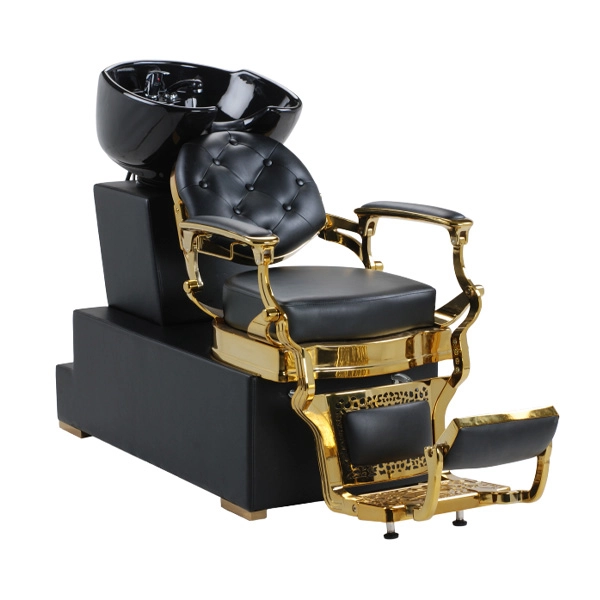
Hair Wash Station 2398
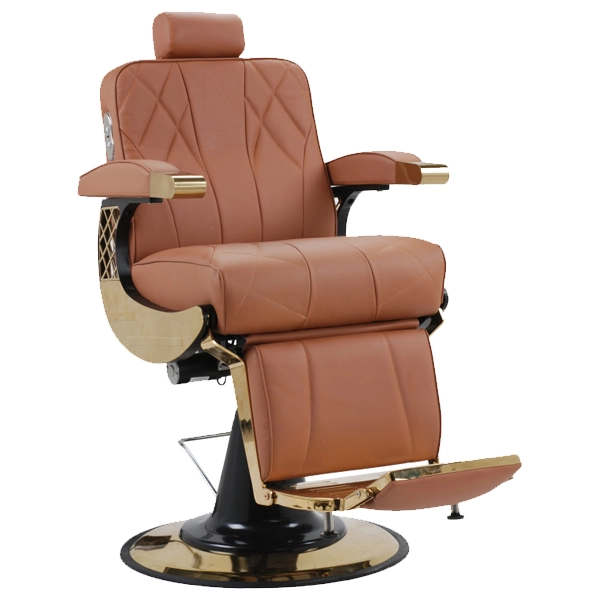
Electrical Barber Chair 8085
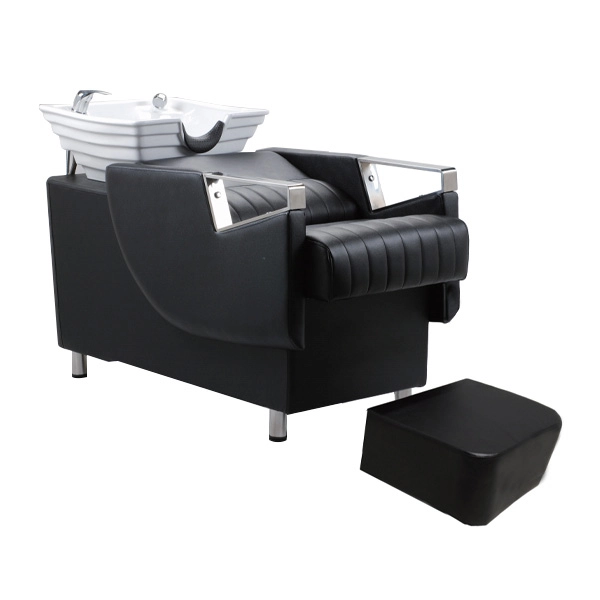
Hair washing bed 2378
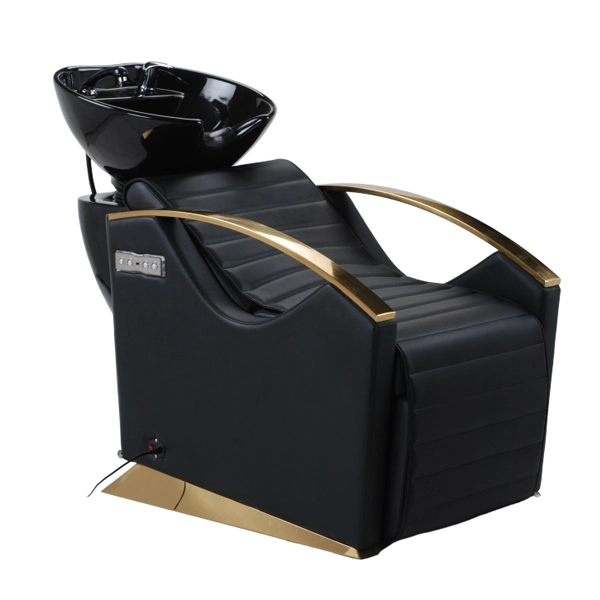
Hair Wash Station 2392-B
Discuss Your Project with Expert Salon Furniture Manufacturers
Tell us what you need — we’ll get back to you with a fast quote and personalized OEM/ODM support.