
How Much Should a Quality Salon Styling Chair Cost?
How Much Should a Quality Salon Styling Chair Cost? Practical Buying Guide
Buying a styling chair is more than picking a look. Salon owners need durable upholstery, reliable hydraulic/gas lift systems, corrosion-resistant bases, and a supplier with clear warranties and spare-part support. This guide answers six beginner-focused, industry-specific questions many online resources miss, so you can evaluate salon furniture manufacturers with confidence.
How do I verify hydraulic pump reliability and what load or endurance tests should I ask a manufacturer to provide?
Hydraulic or gas-lift failure is one of the most common causes of chair replacement. Rather than taking claims at face value, request documented test data from the manufacturer: manufacturer endurance/cycle tests, load-bearing test results, and failure-mode analysis. Reputable component suppliers will provide details such as tested stroke cycles, maximum static load and whether components passed third-party inspections (for example, SGS or equivalent test reports).
Practical checks when evaluating a supplier:
- Ask for an endurance test report: many quality gas-lift units are tested to tens of thousands of cycles. A supplier should provide the exact cycle count and test conditions (load applied, cycle speed, ambient conditions).
- Request static load and drop tests: the report should show the maximum safe static load (in kilograms) and whether the unit sustained any permanent deformation in drop or shock tests.
- Inspect component branding and traceability: quality pumps/gas lifts are often branded by the component maker and come with batch numbers you can verify with the supplier.
- Confirm corrosion-resistant finishes: pumps with anti-corrosion coatings or stainless sleeves last longer in humid salon environments.
- Arrange a sample stress test: if feasible, purchase one sample and run it under your typical salon conditions for several weeks to observe performance before a larger order.
When manufacturers cannot provide clear test reports or only offer vague claims, treat the product as higher risk. Insist on third-party testing documentation or choose suppliers who use known component brands with verifiable histories.
What foam density, thickness and upholstery specs ensure long-term shape and comfort for 8+ hour daily use?
Comfort longevity depends on foam density, core thickness, and upholstery durability. For commercial salon use (multiple clients per day), prioritize high-density foam and abrasion-resistant cover materials.
Key specifications to request:
- Foam density: look for high-density polyurethane foam in the 30–40 kg/m3 range for seating cores in professional chairs; higher-density options (35–45 kg/m3) are used in High Quality chairs for longer shape retention.
- Foam firmness and thickness: seat cores typically combine a firmer base layer (to support weight) with a softer top layer for comfort; total seat thickness of 60–100 mm is common in commercial styling chairs.
- Abrasion ratings: ask for Wyzenbeek or Martindale abrasion test results. For commercial upholstery, aim for Wyzenbeek >100,000 double rubs or Martindale equivalent; if the supplier uses PU leather, request specific abrasion and colorfastness reports.
- Fire retardancy: verify compliance with local fire-retardant regulations for upholstery in your market; request test certificates if required.
- Water and chemical resistance: salons need upholstery that tolerates hair dyes, disinfectants and frequent cleaning—request stain resistance and cleanability information.
Samples are essential: order an upholstered sample to check compression, hand-feel and cleanability under your salon’s cleaning agents before committing to bulk orders.
How can I evaluate the metal base and weld quality to prevent corrosion and wobble in humid salon environments?
Wobble or corrosion often comes from poor welding, thin base material, or inadequate surface treatment. Ask for material grade, wall thickness, welding method and surface finish details.
What to check with manufacturers:
- Base material: stainless steel (SS304) or heavy-duty cold-rolled steel with proper anti-corrosion coating is preferable. SS304 offers better rust resistance; chrome-plated steel bases must use sufficient plating thickness and proper undercoating.
- Weld quality: request photos or videos of weld seams and ask whether welds are TIG or MIG; TIG welding is common for cleaner, higher-quality welds on stainless steel parts.
- Dimensional specs and wall thickness: for column and base tubing, request wall thickness (in mm) and diameter to assess rigidity. Thicker walls and larger-diameter bases reduce wobble under lateral loads.
- Surface treatment: ask for passivation reports for stainless parts or salt-spray (corrosion) test results for coated components. A salt-spray rating or test duration gives an objective measure of corrosion resistance.
- On-site QC photos or third-party inspection: request third-party inspection reports (pre-shipment) that include torque tests for fasteners and wobble checks.
During receiving inspection, perform a quick wobble test and check exposed welds and coatings for any signs of pitting or uneven finish.
What realistic warranty, spare-part availability and MOQ should I require from salon furniture manufacturers to avoid costly downtime?
Warranty terms and spare-part support materially affect total cost of ownership. Typical industry practice for salon furniture manufacturers is a 1–3 year parts warranty, with longer structural warranties (2–5 years) on frames for higher-end suppliers.
Purchasing checklist:
- Warranty breakdown: ask for a written warranty that separates wear items (upholstery, foam) from mechanical parts (hydraulics, swivel bearings) and structural parts (frame, base). A clear RMA process and response times are crucial.
- Spare-part policy and lead times: confirm availability of common spare parts (pumps, footrests, casters, upholstery panels) and the supplier’s shipping time for replacements. Reputable manufacturers keep spare parts inventory and can ship spares within days to weeks depending on location.
- MOQ and sample policy: many manufacturers accept low MOQs for stocked models (10–50 units), while custom OEM runs may require higher MOQs. Clarify whether samples are chargeable and how sample lead times impact your order schedule.
- After-sales service: identify whether the supplier provides local distributors or service partners in your region, or whether they ship parts directly from their factory. Local partners reduce downtime.
Avoid suppliers that provide only verbal warranties. Insist on a written warranty and documented spare-part pricing and delivery commitments before purchase.
How much should a quality salon styling chair cost for different tiers (entry, professional, High Quality), including import and customization costs?
Pricing varies by materials, components and customization. Below are realistic price bands based on current global manufacturing and import factors (factory FOB ranges). Final landed cost will include shipping, duties and local distribution margins.
- Entry-level styling chairs: factory FOB typically $80–$250. These chairs use basic foam, standard vinyl upholstery, generic gas lifts and simpler bases. Suitable for low-volume salons or starter kits, but expect shorter service life under heavy daily use.
- Professional mid-range chairs: factory FOB typically $250–$650. These include higher-density foam, branded or better-tested gas lifts, stronger bases (thicker steel or SS components), better upholstery (higher-grade PU) and often a 1–3 year warranty. This tier balances cost and longevity for busy salons.
- High Quality/professional plus chairs: factory FOB typically $650–$1500+. High Quality chairs use top-grade materials (SS304 bases, high-density layered foam, High Quality upholstery or genuine leather), branded hydraulic systems, advanced recline mechanisms and longer structural warranties. Custom upholstery, embroidered logos and special finishes increase costs further.
Customization and import cost factors:
- Customization: custom upholstery, logo embroidery, bespoke dimensions and special finishes typically add 10–30% to the base price depending on complexity and MOQ.
- MOQ impact: small OEM runs incur higher per-unit costs; negotiating higher MOQs reduces unit price. Many factories offer tiered pricing for 50, 200, 500+ units.
- Shipping and duties: sea freight on pallets and duties can add 5–20%+ to landed cost depending on origin and destination tariffs. Airfreight for urgent shipments is substantially more expensive.
- Sample and tooling fees: expect sample charges; tooling for custom molds or metalwork may be a one-time cost amortized over production runs.
When comparing suppliers, always calculate total landed cost per unit (including spare parts buffer and expected service life) rather than just the FOB price.
Which certifications and testing reports (CE, ISO 9001, SGS) should I require, and how do I verify their authenticity with manufacturers?
Certifications show whether a supplier follows quality systems or third-party testing practices. Common marks and reports to request:
- ISO 9001: indicates the factory has a documented quality management system. Ask for the certificate number and issuing body, then verify on the registrar’s website.
- SGS/Intertek/TUV test reports: third-party labs provide component and material testing (abrasion, flammability, salt-spray corrosion, hydraulic endurance). Request full reports with sample IDs and testing dates.
- CE marking: relevant when chairs include electrical components (e.g., motorized recline). CE documentation should include the declaration of conformity and the technical file; verify CE only applies if electrical safety standards are relevant to the product.
- Material certificates: for stainless steel (SS304) or foam, request material certificates or supplier declarations that detail composition and test results.
How to verify authenticity:
- Check certificate numbers and issuing body online: most registrars publish certificate details that you can cross-check with the document provided by the supplier.
- Request recent test reports with batch/sample numbers and testing dates within the last 12–24 months.
- Ask for third-party inspector contact details or a copy of a pre-shipment inspection report that includes photos and measured tolerances.
- When in doubt, order a lab verification of critical parts (e.g., foam density, stainless grade or hydraulic seals) through an independent lab in your region.
Reputable manufacturers will welcome verification; lack of documentation or evasive answers are red flags.
Conclusion: Evaluating a styling chair requires technical checks beyond aesthetics: verify hydraulic endurance data, specify high-density foam and abrasion-tested upholstery, confirm stainless or properly coated bases and obtain clear warranty and spare-part policies. Use FOB price bands as a starting point, but calculate total landed cost and expected service life. Prioritize suppliers that provide verifiable SGS/third-party reports, ISO 9001 certification, clear MOQs, and transparent lead times for parts.
Choosing the right salon chair from a reliable manufacturer reduces downtime, improves client comfort and lowers lifecycle cost. For tailored quotes, OEM options or to request samples, contact us at www.senkelly.com or jinhechair@outlook.com for a quote.
- How do I verify hydraulic pump reliability and what load or endurance tests should I ask a manufacturer to provide?
- What foam density, thickness and upholstery specs ensure long-term shape and comfort for 8+ hour daily use?
- How can I evaluate the metal base and weld quality to prevent corrosion and wobble in humid salon environments?
- What realistic warranty, spare-part availability and MOQ should I require from salon furniture manufacturers to avoid costly downtime?
- How much should a quality salon styling chair cost for different tiers (entry, professional, High Quality), including import and customization costs?
- Which certifications and testing reports (CE, ISO 9001, SGS) should I require, and how do I verify their authenticity with manufacturers?
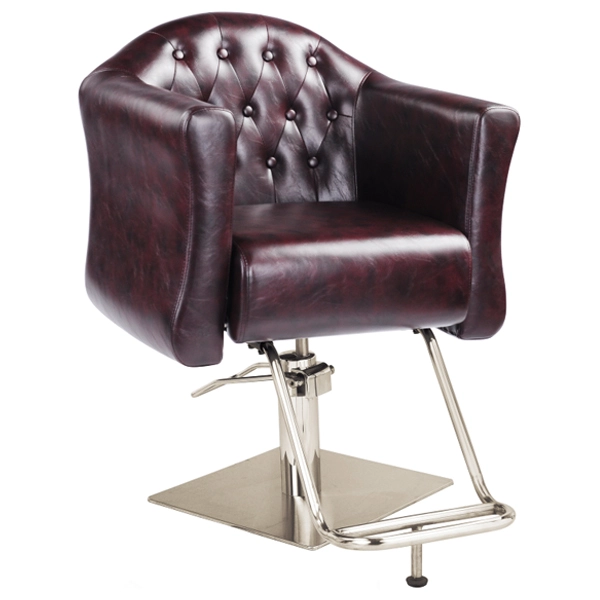
Styling Chair 8832
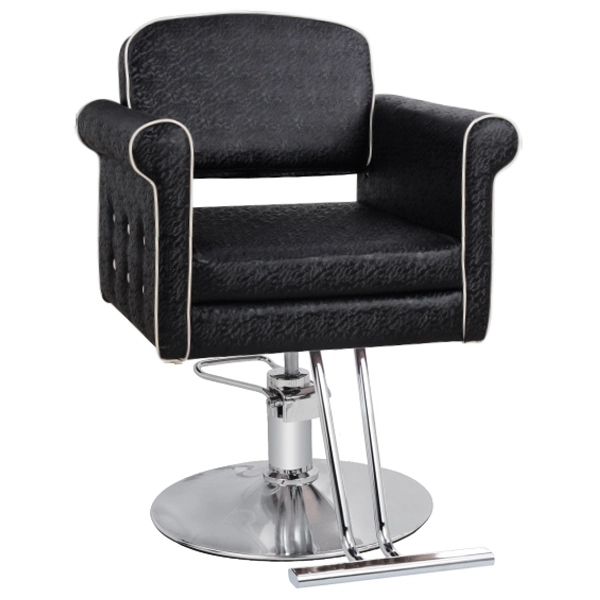
Styling Chair 8819
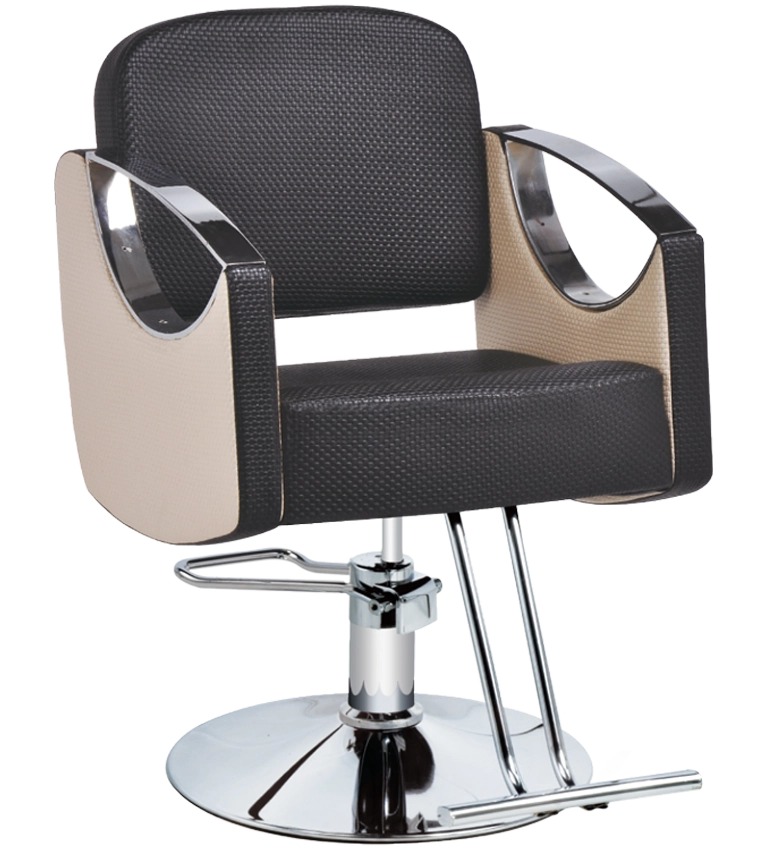
Styling Chair 8938

Styling Chair 8135

Hair Wash Station 2398





Discuss Your Project with Expert Salon Furniture Manufacturers
Tell us what you need — we’ll get back to you with a fast quote and personalized OEM/ODM support.