
How to choose adjustable styling chairs for busy salons?
Article Title: How to choose adjustable styling chairs for busy salons?
Choosing adjustable styling chairs for high-volume salons requires prioritizing hydraulic longevity, ergonomic adjustability, durable base materials, and serviceability; this guide gives measurable selection criteria, inspection tests, and supplier verification steps tailored to salon furniture manufacturers.
How to assess hydraulic pump durability for heavy daily use?
Focus on test evidence rather than marketing adjectives. Request the manufacturer’s cycle test report for the hydraulic pump or gas lift and examine the documented cycle count to failure and the test protocol used. Reputable suppliers perform endurance tests under loaded conditions and provide pass/fail data for seals, piston wear, and leakage. If the supplier cannot provide lab reports, ask for field data from other salons or independent third-party tests. For procurement, require replaceable cartridge cylinders rather than monolithic units so the pump can be serviced or swapped without discarding the whole base. Finally, include a maintenance clause in your purchase: periodic seal replacement and a spare part kit reduce downtime in busy environments.
What seat foam density withstands back-to-back appointments in busy salons?
Insist on specifications for foam density and resilience rather than vague terms like High Quality foam. Commercial salon seating typically uses high-resilience foam with specified density and ILD or indentation values; ask the manufacturer for the foam density in kg/m3 and for compression set or recovery measurements after standardized loading. Higher density and good resilience reduce bottoming out in high-use chairs. Also specify multi-layer cores where a firmer base layer supports a softer top layer for client comfort and longevity. Require that foam be glued or mechanically fixed to the pan and that upholstery is removable so cushions can be replaced without replacing the chair.
Which base materials reduce tipping and wobble over years?
Base material selection directly affects stability and long-term stiffness. Prefer bases manufactured from forged or cast steel or heavy-gauge tubular stainless steel for corrosion resistance and stiffness. Aluminum can be lightweight but requires thicker section design to match rigidity. Evaluate base diameter and footprint: a larger footprint reduces tipping moment and distributes salon traffic loads. Check for fatigue-resistant welds, post-weld heat treatment where applicable, and surface treatments such as powder coat or electroplating that resist salon chemicals. Request load and fatigue test documentation and, if possible, sample inspection to detect micro-cracks or inadequate weld penetration.
How to choose adjustable height range for mixed client demographics?
Define the real operating range required for your salon before selecting a chair. Measure your typical stylist working height and the tallest and shortest clients you serve. For mixed demographics, prioritize a chair with a broad, easy-to-operate adjustment range and fine-grain control so stylists can lock at intermediate positions. Consider both minimum seat height for child or mobility-impaired clients and maximum height that allows stylists to avoid shoulder elevation. Combine height adjustment with features such as seat swivel, tilt lock, and footrest positioning to reduce repetitive strain injuries among staff. Demand actuator travel specifications and the number of locking positions from your manufacturer.
Which upholstery cleanability standards minimize downtime and product damage?
Ask for upholstery technical data instead of generic terms like easy-clean. Look for fabrics or synthetic leathers rated for abrasion resistance and with documented resistance to common salon chemicals such as alcohol-based sanitizers, oxidizers, and permanent wave solutions. Request Martindale or similar abrasion test results and chemical resistance testing summaries. Prioritize smooth, low-porosity coverings that can be wiped and disinfected without degrading seams or adhesives. Specify double-stitched seams and reinforced stress points in high-contact zones. Where rapid turnaround is essential, design chairs with removable upholstery panels or replaceable seat cartridges to return a station to service in minutes.
Do warranty terms cover hydraulic seals and actuator failures?
Carefully parse warranty language. Many suppliers exclude wear items while covering manufacturing defects; hydraulic seals and actuators are often considered wear items unless explicitly listed. Negotiate warranty terms that specify coverage periods for hydraulic components, foam collapse, upholstery delamination, and structural fatigue. Require a service-level agreement that guarantees spare-part availability and maximum turnaround time for replacements. For high-volume salons, make spare hydraulic cartridges and a small parts kit part of the contract to limit downtime. Verify the manufacturer’s repair network and request references from other commercial clients to confirm reliable claims handling.
Conclusion: Selecting adjustable salon seating for a busy operation is a technical procurement exercise, not a retail purchase. Evaluate components by documented tests, insist on modular serviceability, and set contractual requirements for spare parts and warranty coverage. Senkelly brings 15 years of salon furniture manufacturing expertise, proven supply-chain controls, and a service-first approach to solve these exact operational pain points for salon owners and designers.
Contact us for a tailored quote at www.senkelly.com or jinhechair@outlook.com.
- How to assess hydraulic pump durability for heavy daily use?
- What seat foam density withstands back-to-back appointments in busy salons?
- Which base materials reduce tipping and wobble over years?
- How to choose adjustable height range for mixed client demographics?
- Which upholstery cleanability standards minimize downtime and product damage?
- Do warranty terms cover hydraulic seals and actuator failures?
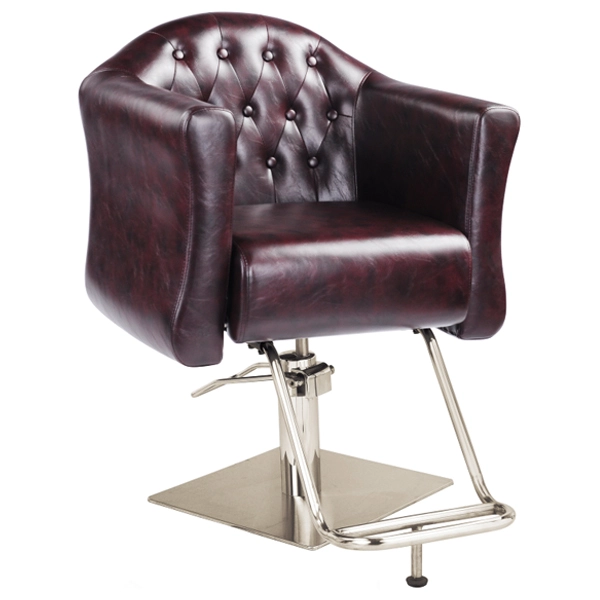
Styling Chair 8832
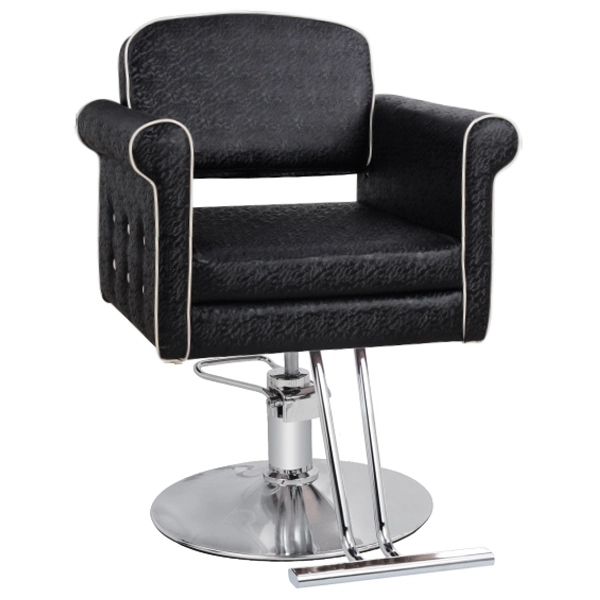
Styling Chair 8819
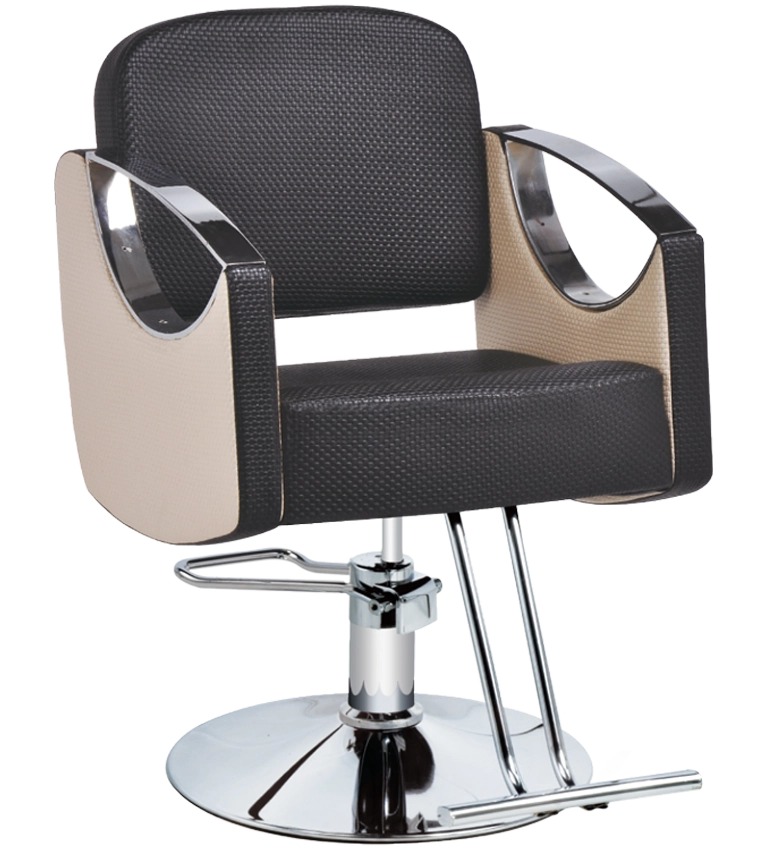
Styling Chair 8938

Styling Chair 8135

Hair Wash Station 2398





Discuss Your Project with Expert Salon Furniture Manufacturers
Tell us what you need — we’ll get back to you with a fast quote and personalized OEM/ODM support.