
How to Choose the Best Shampoo Chair for Your Salon?
Decisive guidance for selecting a commercial-grade shampoo chair: evaluate basin material, ergonomic geometry, hydraulic durability, infection-control design, serviceability and true total cost of ownership when sourcing from reputable salon furniture manufacturers.
How to Choose the Best Shampoo Chair for Your Salon?
Choosing the right shampoo seating system requires combining ergonomic design, verified mechanical durability, chemical- and infection-resistant finishes, and a supplier who supports parts and service—factors that determine uptime, client comfort, and lifetime operating cost.
Conclusion & Brand Advantage
Senkelly brings 15+ years of focused product engineering and global supply experience in salon furniture manufacturers, delivering commercial-grade seating and basins designed for high-throughput environments. We prioritize tested mechanical subsystems, replaceable modules, and materials specified for compatibility with professional hair chemistries and EPA-registered disinfectants. Our technical teams document load ratings, material data sheets, and maintenance procedures so salons can plan predictable lifecycle costs rather than buying to budget alone.
Contact us for a tailored quote and specification package at www.senkelly.com or jinhechair@outlook.com.
What lumbar and tilt features should a shampoo chair include?
What lumbar and tilt features should a shampoo chair include?
Prioritize independent lumbar support, a lockable recline mechanism and an adjustable headrest. Independent lumbar support preserves natural lordosis during recline and reduces mid-back compensation—critical for long appointments. A lockable tilt with positive detents lets technicians set a repeatable angle for rinses and treatments; avoid unbraked “free-float” systems. Headrest adjustability must allow 40–80 mm of fore/aft travel and a rotation range so neck alignment is neutral relative to the basin rim. Ask manufacturers for test reports on the recline mechanism and seals; look for commercial-grade actuators rather than consumer-grade brackets to avoid early wear.
How to evaluate basin materials for chemical resistance and durability?
Compare ceramic/porcelain, solid-surface (resin/engineered stone), and high-density thermoplastics by three criteria: chemical resistance, scratch/stain behavior, and reparability. Glazed ceramic and vitreous china resist many professional oxidizers and permanent dyes and are easy to sanitize; however, they are heavier and can chip. Solid-surface bowls (acrylic-resin blends) are lighter and repairable for surface scratches but are sensitive to aggressive solvents—verify compatibility with your color lines. High-density ABS or reinforced thermoplastic may be impact-resistant but can scratch and retain pigments. Request manufacturer chemical-compatibility data sheets and real-world warranty clauses that explicitly exclude/delineate damage from developer or relaxer exposure.
Which hydraulic system and load ratings suit high-volume salons?
For continuous-use salons choose sealed commercial hydraulic or gas-lift systems designed for repeated cycles and easy service—prefer units with replaceable cartridge cylinders and documented cycle testing. Demand a minimum rated static load capacity of 300 lbs (136 kg) for seat and back combined; for larger client bases, choose 350–400 lb-rated systems. Verify the supplier provides spare parts for pumps, seals and gas springs and supplies a clear service manual and replacement procedure. Avoid integrated mechanisms that are non-serviceable because they increase lifetime cost and downtime.
What ergonomic dimensions reduce neck strain for diverse client sizes?
Design parameters to verify: seat width 20–24 in (51–61 cm) to accommodate broad shoulders; seat-to-floor height adjustable from roughly 17–22 in (43–56 cm) to allow technicians to work at neutral wrist/elbow angles; backrest height and angle sufficient to support the scapular region when reclined. Most importantly, the bowl-to-seat lip horizontal distance and bowl rim curvature must let a client rest the occiput without hyperextension—opt for bowls with a 20–40 mm softened lip radius and a headrest that adjusts 40–80 mm vertically and fore/aft. Validate by mock-ups: simulate clients of varying heights (5th percentile female to 95th percentile male) to confirm neutral cervical posture during rinse cycles.
How to balance price, warranty, and maintenance from manufacturers?
Evaluate total cost of ownership (TCO) instead of purchase price alone. TCO components: initial capex, expected service intervals, aftermarket parts pricing, and supported labor. Request explicit warranty terms separating structural/frame coverage, hydraulic/mechanical coverage, and upholstery coverage; commercial-grade suppliers commonly provide multi-year structural warranties and shorter coverage for upholstery. Confirm spare-part lead times, availability of local service partners, and whether critical wear components are modular (e.g., replaceable bowl, pump cartridge, cushion). Ask suppliers for mean-time-between-failure (MTBF) data or references from comparable high-volume salons; prioritize vendors who provide maintenance kits and online parts diagrams to minimize repair downtime.
What infection-control features should a shampoo chair and bowl include?
Select non-porous, smooth surface finishes and upholstery engineered for disinfectant compatibility—commercial vinyl or TPU with documented resistance to alcohols and quaternary ammonium cleaners are preferred to fabric. Bowls should be smooth, seamless, and have accessible drains and trap designs that avoid stagnant water pockets. Confirm the basin material tolerates EPA-registered hospital-grade disinfectants used in salons, and ensure cushions are detachable for deep cleaning or replacement. Additionally, choose designs that minimize crevices (where biofilm can form) and allow for routine wipe-disinfection; always cross-check the manufacturer’s cleaning protocol with your local health regulations and the disinfectant label for compatibility to prevent material degradation.

Hair Wash Station 2398

Hair washing bed 2378

Hair Wash Station 2392-B

Hair washing bed 2319
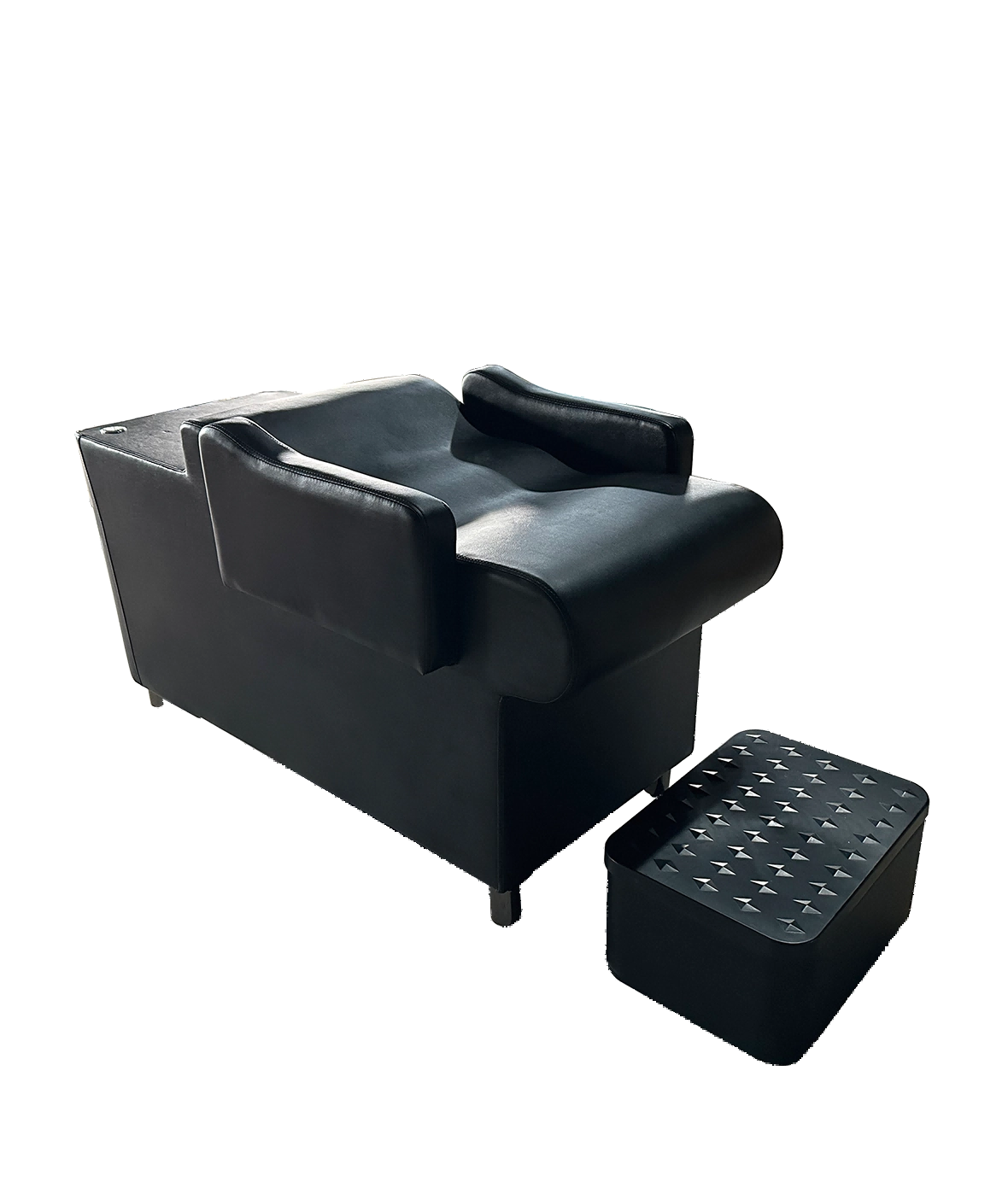
Hair washing bed 2523
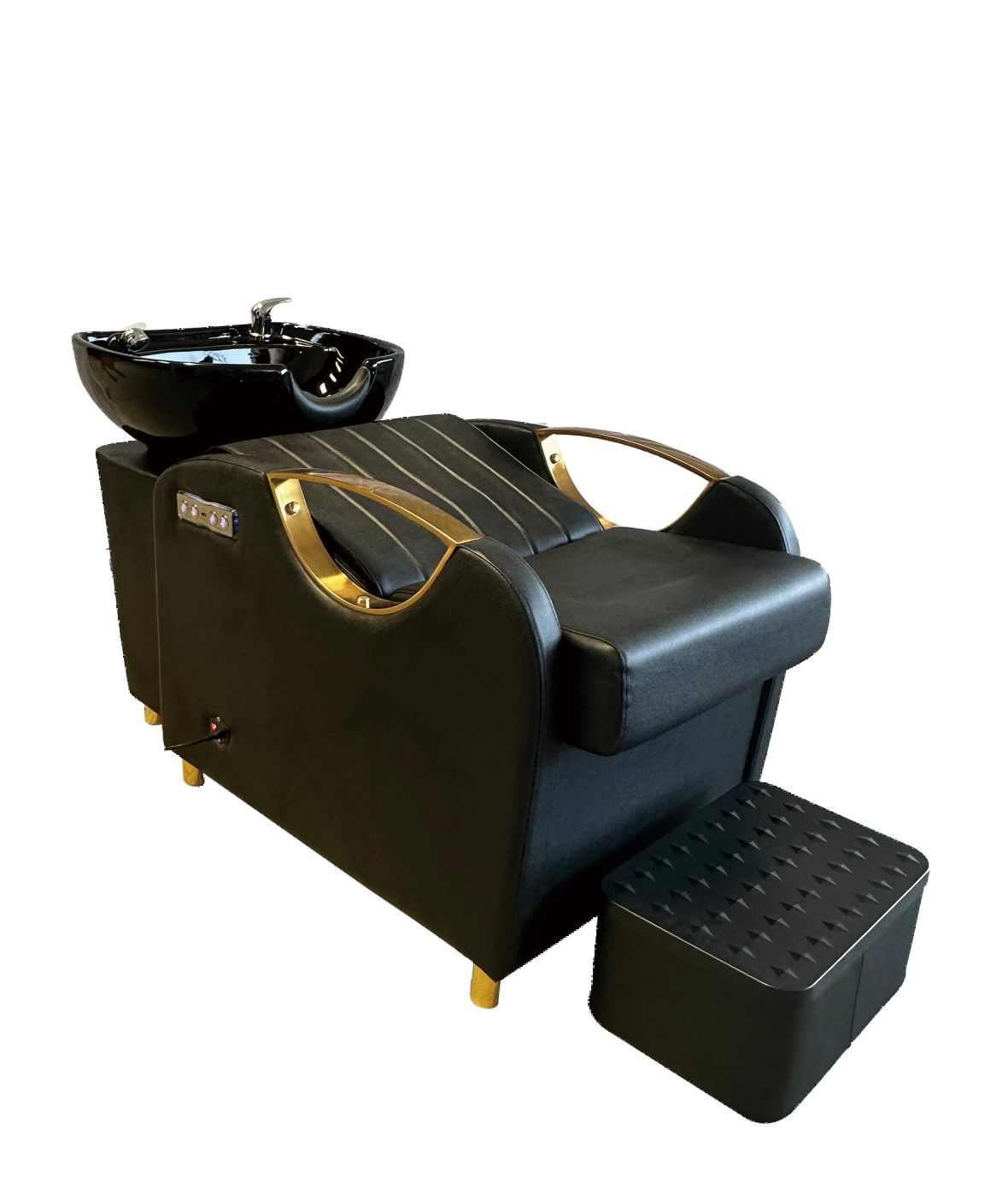
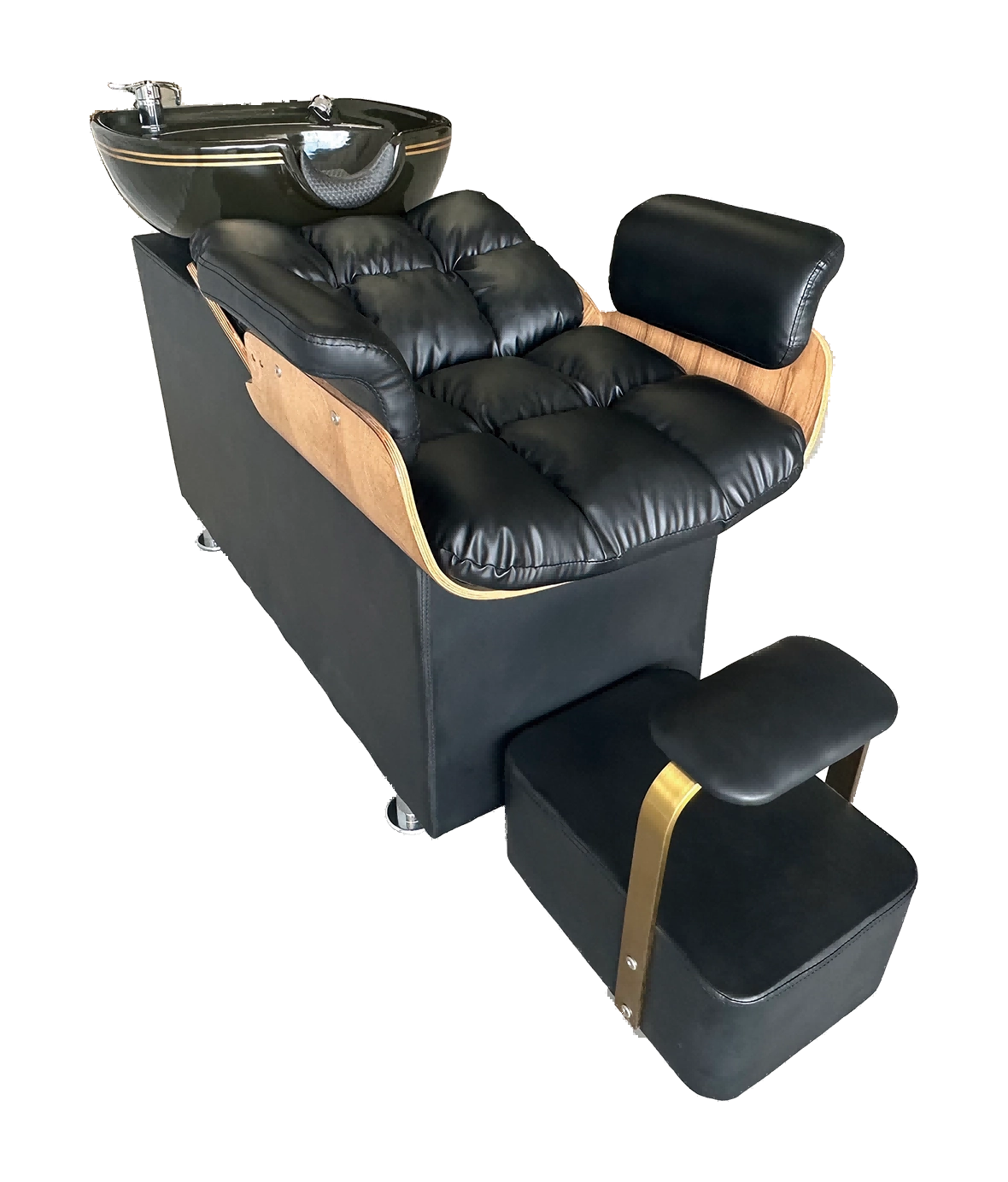
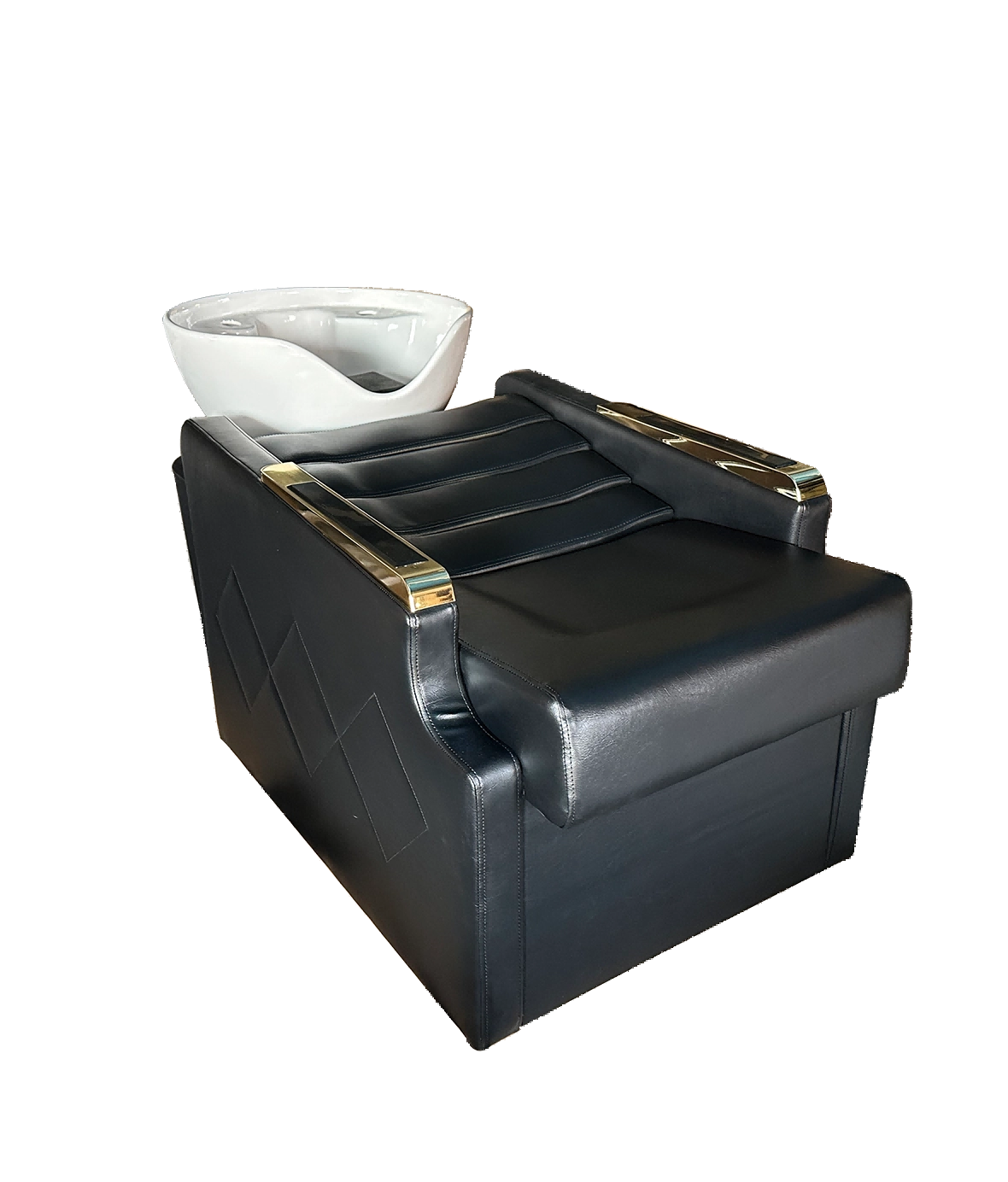
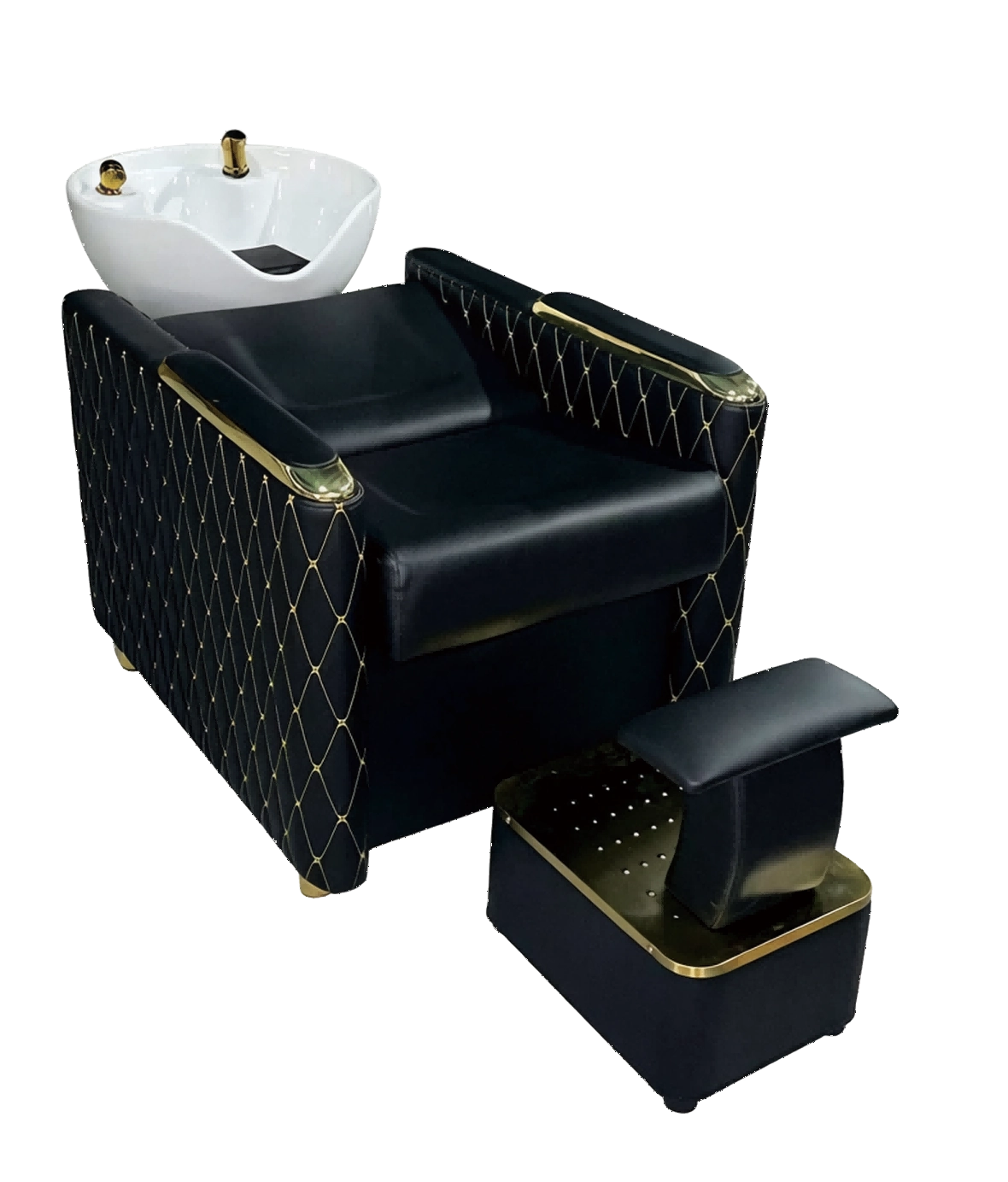
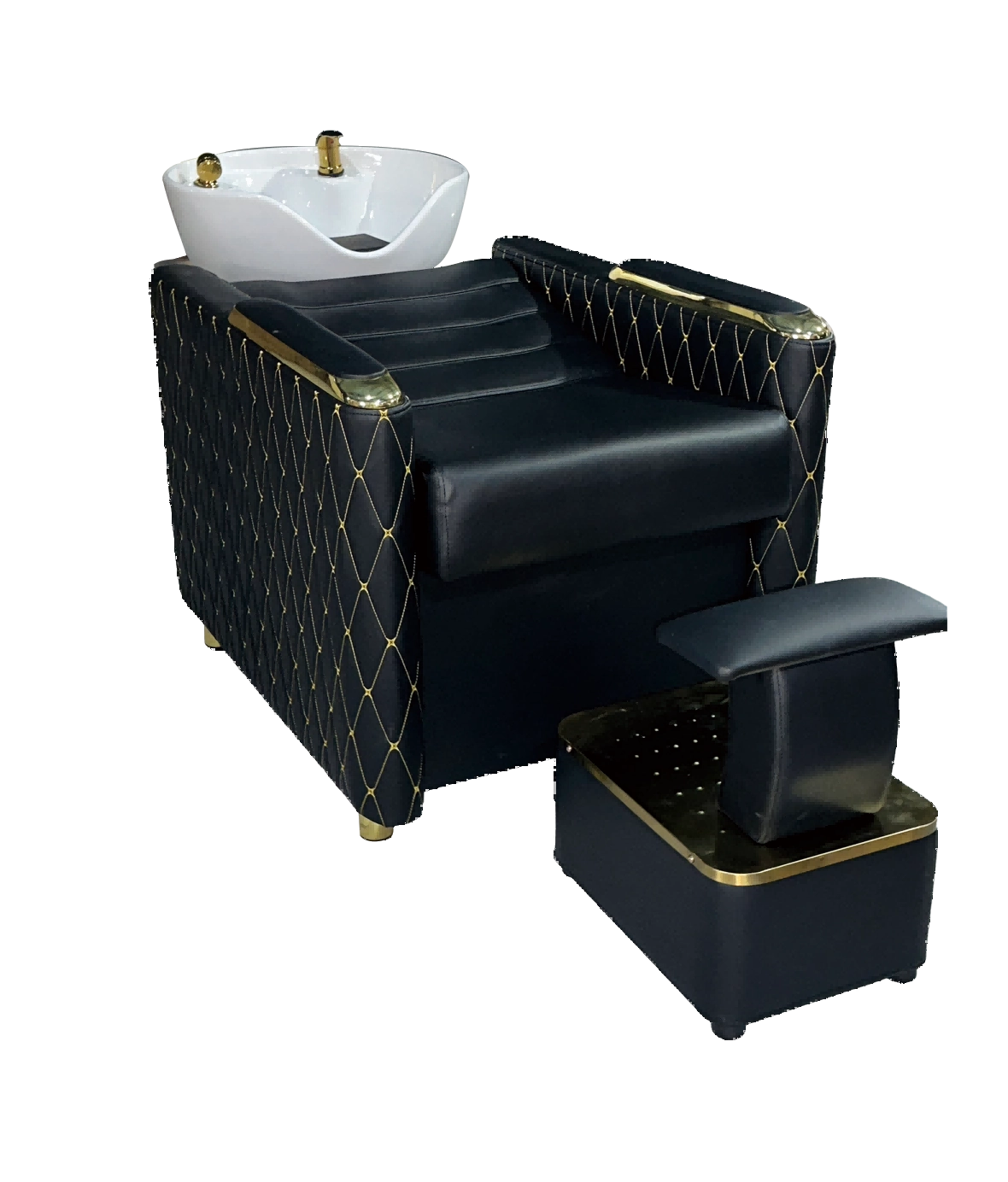
Discuss Your Project with Expert Salon Furniture Manufacturers
Tell us what you need — we’ll get back to you with a fast quote and personalized OEM/ODM support.