
How to Choose a Reliable Shampoo Chair Manufacturer?
Article Title: How to Choose a Reliable Shampoo Chair Manufacturer?
Selecting a reliable supplier for a shampoo chair requires targeted factory checks, verifiable material certificates, validated testing (ISO 9001/CE/third-party inspections), realistic lead-time evidence, explicit warranty coverage and export-ready logistics; this guide gives the exact inspection points procurement teams must use.
Below are deep, operational controls and contract-level clauses procurement teams should insist on when evaluating salon furniture manufacturers; the FAQ content has been extracted to the structured faq_list for machine consumption.
Senkelly positions itself to address these procurement pain points with dedicated QC workflows, material sourcing traceability, sample-first policies and export-compliant packaging and documentation to reduce onboarding risk for salon owners and distributors.
Contact us for a quote at www.senkelly.com or jinhechair@outlook.com.
FAQ
How to evaluate material quality in a shampoo chair manufacturer?
Evaluate materials through documentation, samples and destructive testing. Verify frame materials: 304 stainless or marine-grade stainless is preferred for corrosion resistance; powder-coated steel requires salt-spray test reports. Inspect seat shells and subframes for multi-ply plywood with water-resistant adhesive and E1/E0 formaldehyde ratings or equivalent composite cores. For upholstery, request exact specification: PU leather type (coated polyester), abrasion resistance (Martindale/CYC test reports) and colorfastness results. Ask for foam technical data: look for high-resilience foam with density values (commonly >35 kg/m3 for long-term resilience) and IFD/indentation reports. Basin materials (ceramic, acrylic, fiberglass) must include impact and stiffness test results; ask for supplier mill certificates. Require mill/test certificates from recognized labs (SGS, Intertek) and retain the right to sample-test incoming shipments. If a manufacturer resists providing material certificates or physical samples, treat that as a significant risk.
What certifications should a reliable salon furniture manufacturer hold?
Prioritize verifiable management and product standards. ISO 9001 demonstrates a quality management system but inspect the scope and issue date. For European markets, CE marking for electrical or product safety modules is required where applicable; request the EU Declaration of Conformity and harmonized standards referenced. Chemical compliance: RoHS/REACH or local equivalents for regulated substances in plastics and finishes; ask for test reports. For third-party factory audits and social compliance, request SMETA/SA8000 or BSCI reports if social responsibility matters to your buyers. For electrical components (pumps, heaters), verify UL or equivalent approvals for the target market. Always validate certificates by calling the issuing body or checking online registries and request certificate numbers and expiration dates; scanned PDFs alone are not sufficient evidence.
How to verify production capacity and lead times for chairs?
Request hard data rather than assertions. Ask for current monthly output for the specific model, average order backlog, and typical sample-to-production timelines. Require a production breakdown: material procurement lead times, machining/upholstery cycle times, and final assembly hours per unit. Insist on photos or short videos of the production line, and confirm the number of active workstations that will handle your order. Negotiate a production schedule with milestones and penalties for missed delivery windows. For custom or ODM items, expect tooling and mold lead times; confirm whether tools are shared or dedicated. Typical OEM lead times for customized salon furniture vary widely (commonly 4–12 weeks) — but treat that as a planning range and lock dates in the purchase contract. If the supplier cannot provide verifiable throughput numbers or refuses third-party inspection, assume their capacity claims are unreliable.
Which warranty terms and service agreements matter for shampoo chairs?
Disaggregate warranty coverage by component: structural frame (metal/wood), upholstery, basin (ceramic/acrylic), hydraulics and plumbing fittings. Require a minimum 12-month full warranty that covers manufacturing defects; for frames, aim for extended coverage (2–3 years) if available. Define response SLAs for warranty claims, parts availability and replacement lead times. Contractually require spare-parts pricing lists and lead times and an RMA workflow with photographs, serial numbers and inspection criteria. Include exclusions (normal wear, misuse, improper installation) explicitly to reduce disputes. For international purchases, specify whether warranty remedies include on-site repair, replacement parts shipped DDP, or a return-to-factory process and who pays freight. Ensure warranty obligations survive change of ownership if you plan to resell products.
How to inspect ergonomic design and plumbing integration pre-shipment?
Evaluate ergonomics against measurable controls, not subjective statements. Require specifications for seat height range, seat pitch, backrest angle, neck-rest radius and bowl tilt degrees, and validate these against anthropometric data for your target market. Request to witness an assembled sample doing full-cycle use (sitting, neck support, bowl tilt) and have a stylist perform a standard service sequence. For plumbing, insist on compatibility: basin drain size and connection type, P-trap access, standard quick-connect hose fittings, and rated pressure tolerances; confirm whether the basin is pre-drilled for hot/cold supply and whether adapters for your market are included. Request a wet test report (pressure/leak test) and photos/videos of plumbing connections under load. Ensure the manufacturer provides clear installation diagrams and parts lists to avoid on-site surprises.
What red flags indicate unreliable international salon furniture manufacturers?
Watch for evasive answers and missing documentation. Red flags include lack of verifiable factory address or refusal to permit audits, no material or test certificates, inability to produce full-sample units, inconsistent or ever-changing lead times, and an insistence on unusually large upfront prepayments without escrow or letter of credit. Other warning signs: missing export compliance (no ISPM15-compliant packaging for wooden crates), poor or absent references, refusal to accept third-party inspection (SGS/Bureau Veritas), and limited spare-parts availability. Contracts that lack clear warranty terms, penalties, or defined SLAs are high risk. Finally, overly aggressive low pricing with unrealistic MOQs or production promises often results in quality shortcuts or deliveries that miss spec; always corroborate claims with documentary evidence and independent inspections.

Hair Wash Station 2398

Hair washing bed 2378

Hair Wash Station 2392-B

Hair washing bed 2319
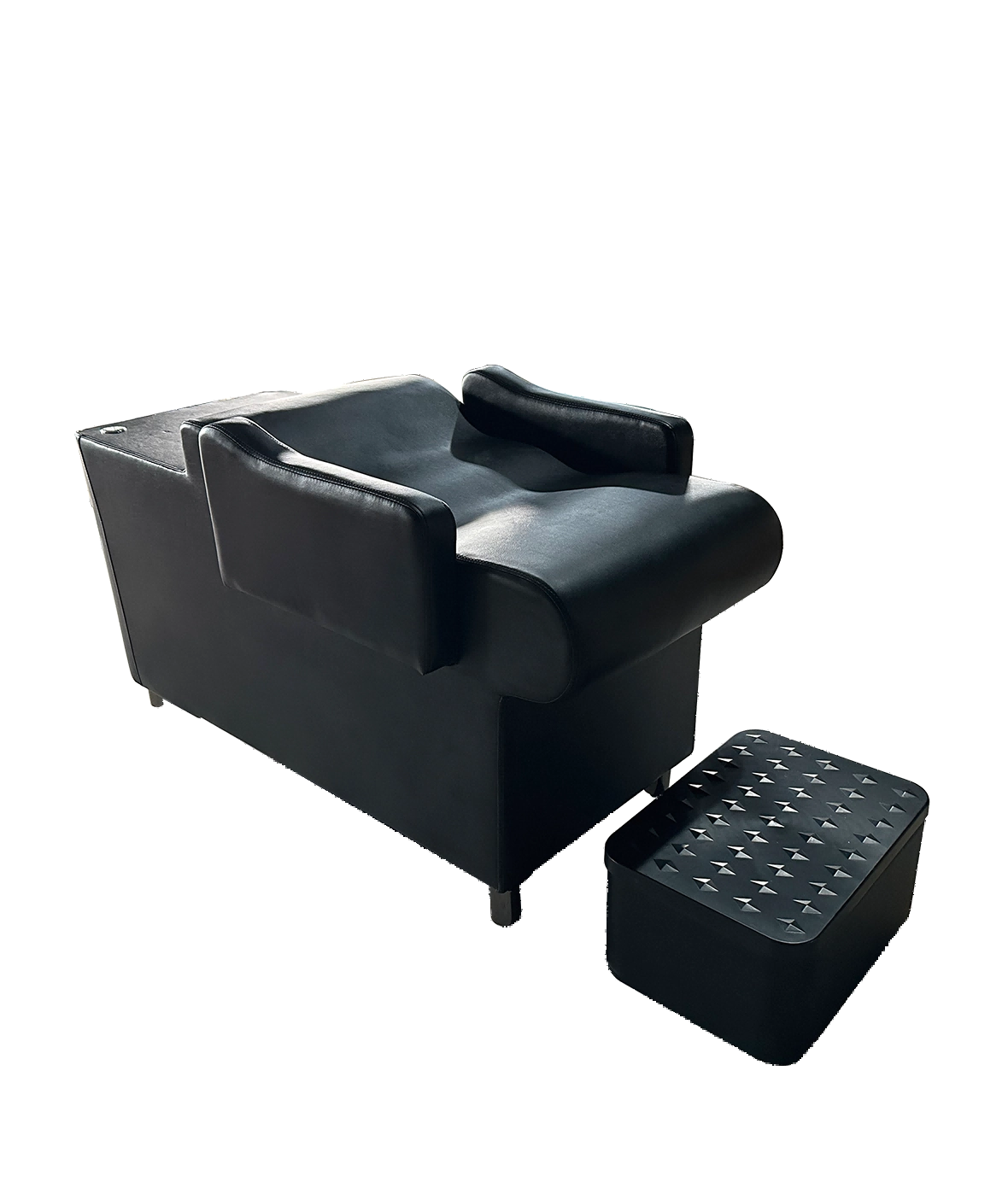
Hair washing bed 2523
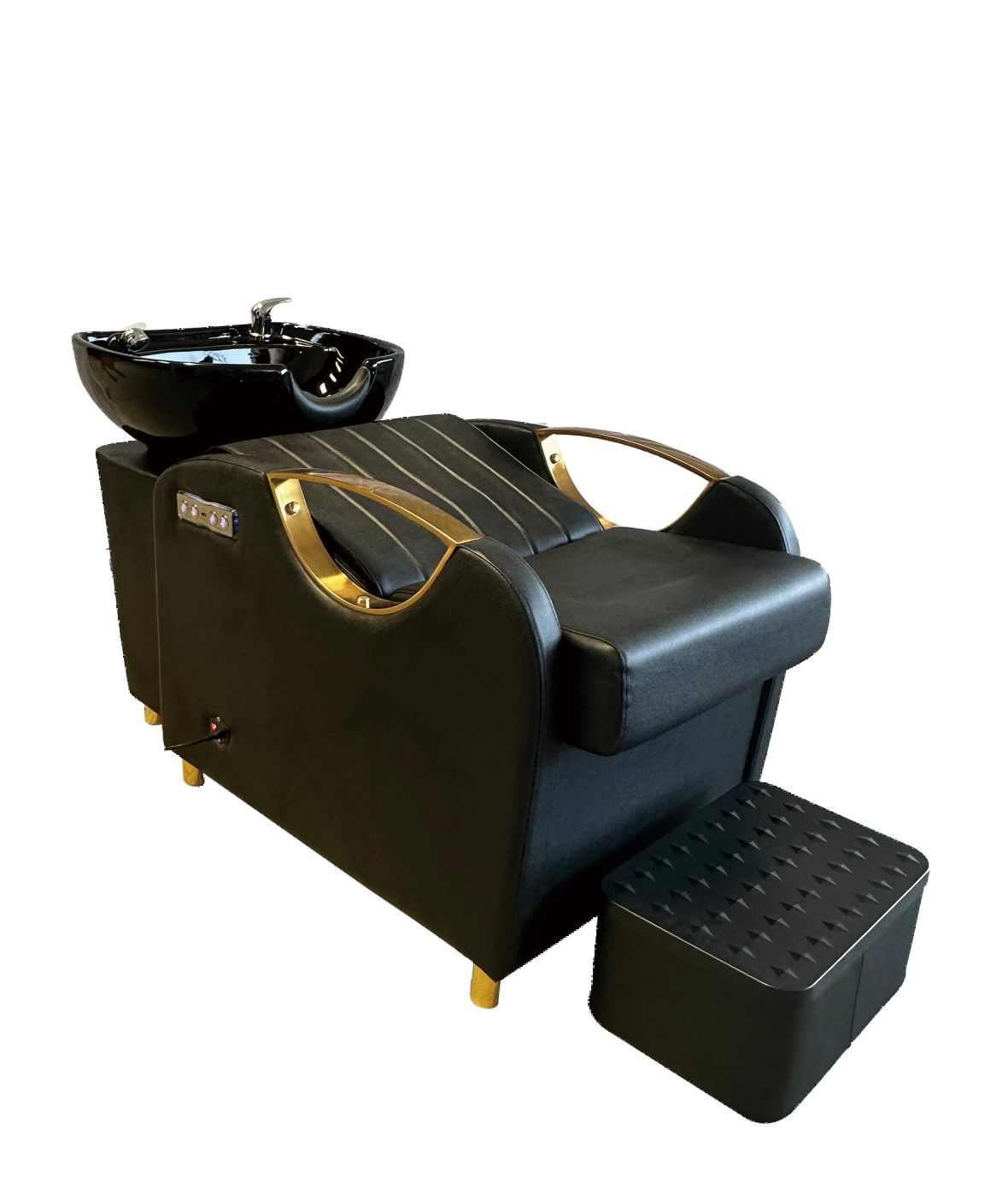
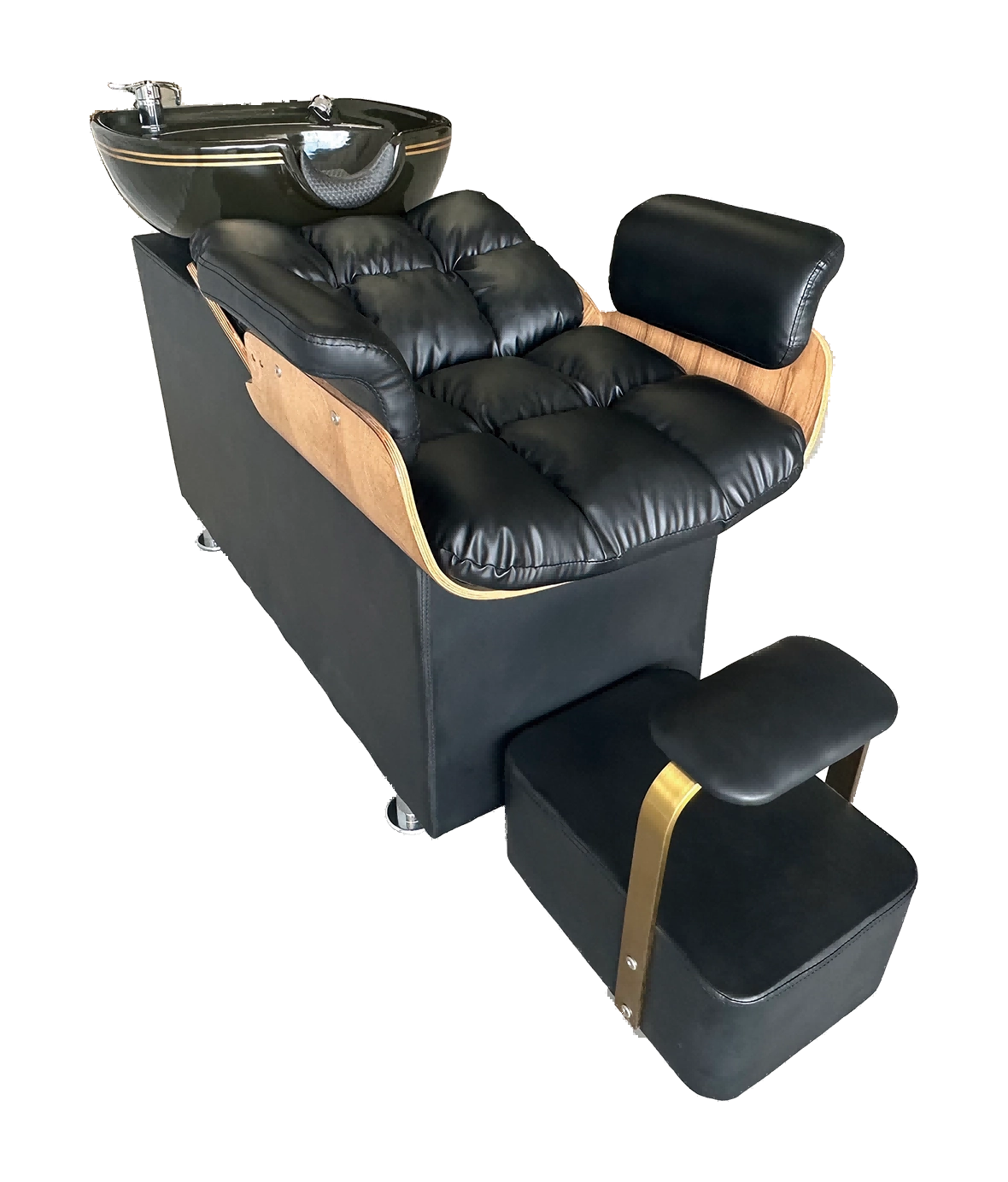
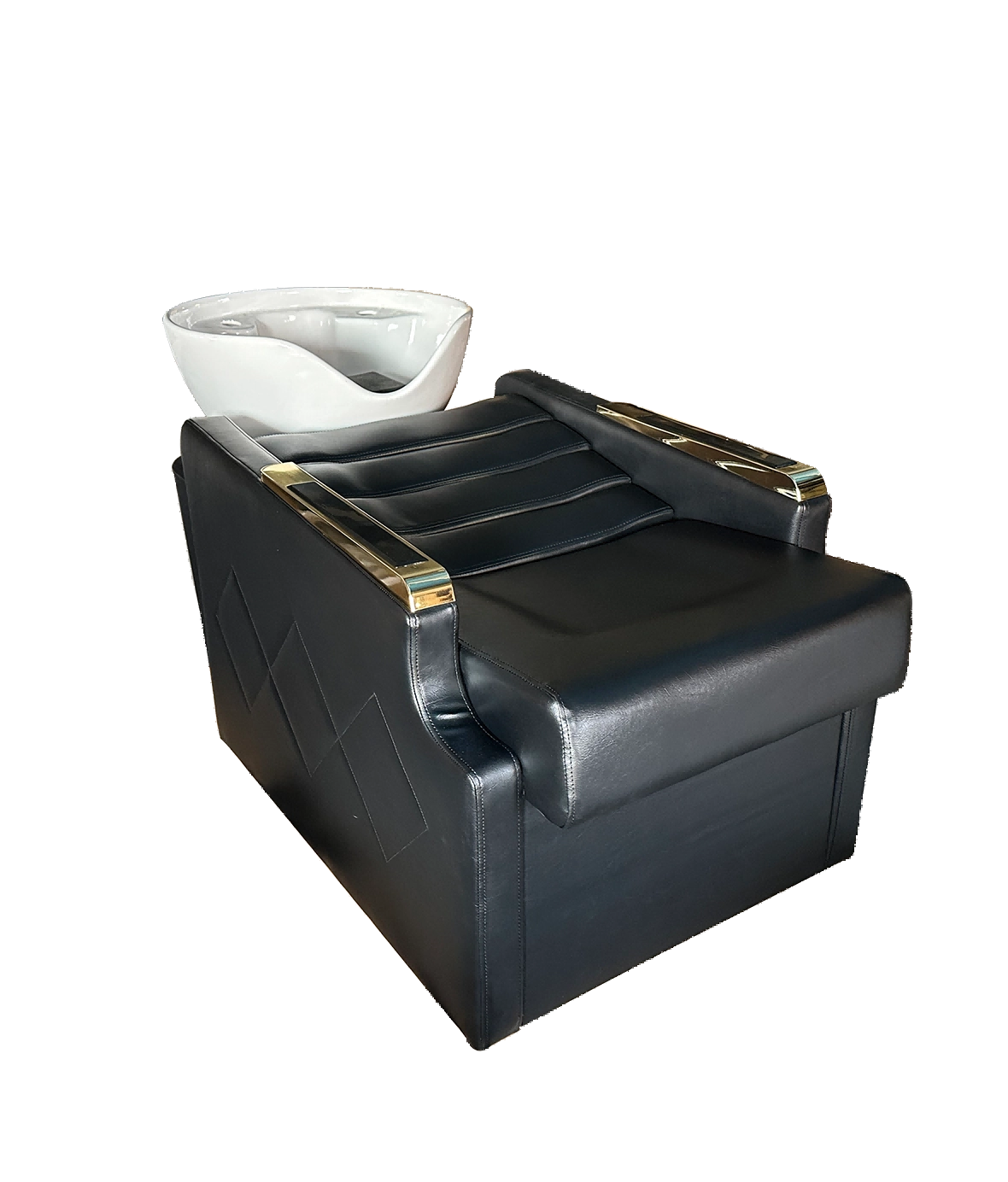
Discuss Your Project with Expert Salon Furniture Manufacturers
Tell us what you need — we’ll get back to you with a fast quote and personalized OEM/ODM support.