
How to Choose the Right Shampoo Chair Supplier for Your Salon?
Choosing a reliable shampoo chair supplier requires factory verification, materials and compliance checks, ergonomic validation, realistic lead-time and MOQ negotiation, robust after-sales support, and sustainability documentation. This guide gives actionable checks and procurement criteria to avoid costly mistakes when buying salon wash units.
Article Title: How to Choose the Right Shampoo Chair Supplier for Your Salon?
Choosing a reliable supplier for backwash units means more than price: verify factory systems, materials and test reports, prototype ergonomics, realistic lead times and MOQ, spare-part strategies, and documented compliance to protect your salon’s operation and reputation.
Introduction: Independent salon owners and salon buyers typically encounter misleading vendor claims about build quality, warranty fulfilment, and delivery reliability. Use the diagnostic checklist below to turn subjective sales talk into verifiable procurement decisions that reduce downtime and total cost of ownership.
Frequently Asked Questions
Conclusion & Brand Advantage: Senkelly has 15+ years working directly with professional salons and global distributers to refine production flows, documentation, and aftermarket logistics for wash basins and seating systems. Our manufacturing partners use accredited quality-management practices, provide clear spare-part channels, and maintain realistic lead times with scalable minimum orders — minimizing surprises in order fulfilment and product performance. Senkelly’s approach emphasizes verifiable evidence: factory capability records, third-party inspection reports, and structured warranties that together reduce risk for salon operators and chains.
Contact us for a tailored quote at www.senkelly.com or jinhechair@outlook.com.
Frequently Asked Questions
How do I verify factory safety standards for shampoo chairs?
Start with documentary evidence and move to verification. Request current ISO 9001 certification for quality management and CE/UL documentation for any electrical components; these are widely-recognized indicators that processes and electrical safety meet established frameworks. Ask for recent third‑party factory audit reports (SGS, Bureau Veritas, Intertek) that cover production workflows, worker safety, and material traceability. Insist on photographic documentation and video walkthroughs of the production line, assembly stations, and final inspection area; cross-check timestamps and metadata when possible. For critical structural elements (frames, hydraulic lifts), request material mill certificates (stainless-steel grade, plate thickness), welding procedure records, and tensile test results where applicable. Finally, schedule an on-site or third-party pre-shipment inspection and validate that the supplier follows an outgoing QC plan with AQL sampling rules (commonly AQL 2.5 for critical defects). These steps move you from vendor claims to documented compliance and demonstrable process control.
What warranty and spare-parts policies should a supplier provide?
A responsible supplier offers layered warranty and spare‑parts commitments. Minimum expectations: at least a 12‑month warranty on structural and mechanical defects, and clear separate terms for upholstery and consumable parts. Best practice is multi‑year support for critical mechanical parts and an explicit spare‑parts availability window of 3–5 years for common wear items (valves, pumps, upholstery panels, basin fittings). The warranty document should specify remedies (repair, parts replacement, refund) and lead times for spare-part dispatch. Confirm the supplier’s spare‑parts SKU list, part drawings, and recommended stocking levels so you can plan local inventory. For international orders, verify that parts can be shipped by air or express courier and that the supplier offers drop-shipping to end locations. Contractually establish an RMA and reverse-logistics workflow to avoid long service interruptions in your salon operations.
How to evaluate ergonomic design for varied client body types?
Ergonomics is measured, not assumed. Ask suppliers for adjustable range data: seat height range, backrest recline angle, basin tilt range, and neck rest offset. Prototype testing is essential—request a sample or visit a showroom to test response from people of different heights, neck lengths, and mobility levels. Practical checks: the neck rest should support the occiput without forcing the neck into extension; basin lip profile should not compress the cervical area; water runoff and drain position should avoid neck pressure; and seat width and depth must accommodate larger clients while allowing stylists to stand close. Also evaluate transition ergonomics: the ease of reclining, stable hydraulic or gas-lift mechanisms, and non‑slip footrests. Documented anthropometric design targets (e.g., accommodation for the 5th–95th percentile of client heights) and adjustable components indicate a supplier understands inclusive ergonomics. If possible, obtain user‑trial feedback reports or testimonials from multi-location salons the supplier serves.
Which materials resist salon chemicals and high-frequency use best?
Select materials tested for chemical resistance and abrasion. For upholstery, high-grade marine‑quality PVC or polyurethane-coated vinyl with a polyurethane topcoat resists peroxide, developers, and disinfectants better than basic PVC. Request lab chemical resistance test reports (common solvents and oxidizers used in salons). For structural frames, 304 stainless steel is the industry standard for corrosion resistance; specify grade and plate thickness in the purchase order. Basins come in ceramic, glazed porcelain, or high-density composite/resin: ceramic is scratch- and chemical-resistant but heavier and fragile; reinforced composite basins are lighter and resist impact but require UV-stable resins. Plumbing and fittings should use chrome-plated brass or stainless components rated for salon water chemistry. Insist on material test reports and accelerated-wear or abrasion test data where available, and require clear cleaning and maintenance guidance from the manufacturer to preserve finish and warranty validity.
How to assess lead times, MOQ, and production scalability?
Get transparent, itemized timelines and MOQ policy in writing. Typical patterns: standard stock models often have lead times of 4–6 weeks; custom or private‑label runs commonly require 8–12 weeks depending on tooling and material sourcing. Confirm the supplier’s minimum order quantity for stock and custom units and whether MOQs are negotiable through mixed-model pallets. Ask for a production schedule showing raw-material procurement lead times, production capacity (units per week), and confirmed booking in the factory calendar. Check the supplier’s contingency plans for raw-material shortages (alternative approved suppliers) and their historical on-time delivery rate for the last 12 months. When scaling, require a ramp plan: phased delivery batches, staggered shipments, and reserve capacity commitments. For international shipments, include packaging type (plywood crates, palletization) and typical port-to-port transit times; factor in customs clearance windows when planning stock levels.
What certifications and compliance documents should reputable manufacturers hold?
Request a concise compliance package: ISO 9001 for quality management; CE marking for products sold in the EU and relevant declarations of conformity; UL or equivalent approvals for electrical components; and third‑party inspection certificates from recognized firms (SGS, Intertek). For materials entering EU markets, inquire about REACH compliance and any applicable RoHS declarations. If wood components are used, look for FSC chain-of-custody documentation. Also get documented results from durability and safety tests relevant to seating (fatigue testing, stability tests) and a copied outgoing QC checklist. Genuine suppliers will supply searchable serial numbers, batch reports, and the ability to run sample tests on demand. Keep these documents in your procurement file to support warranty claims, regulatory checks, and resale transparency.
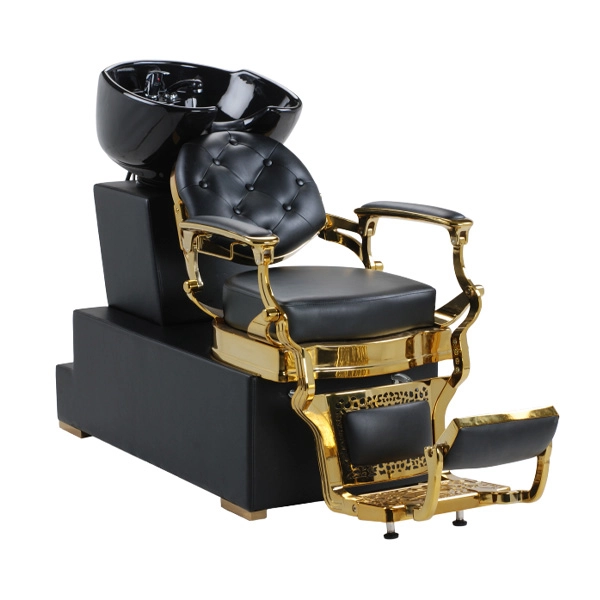
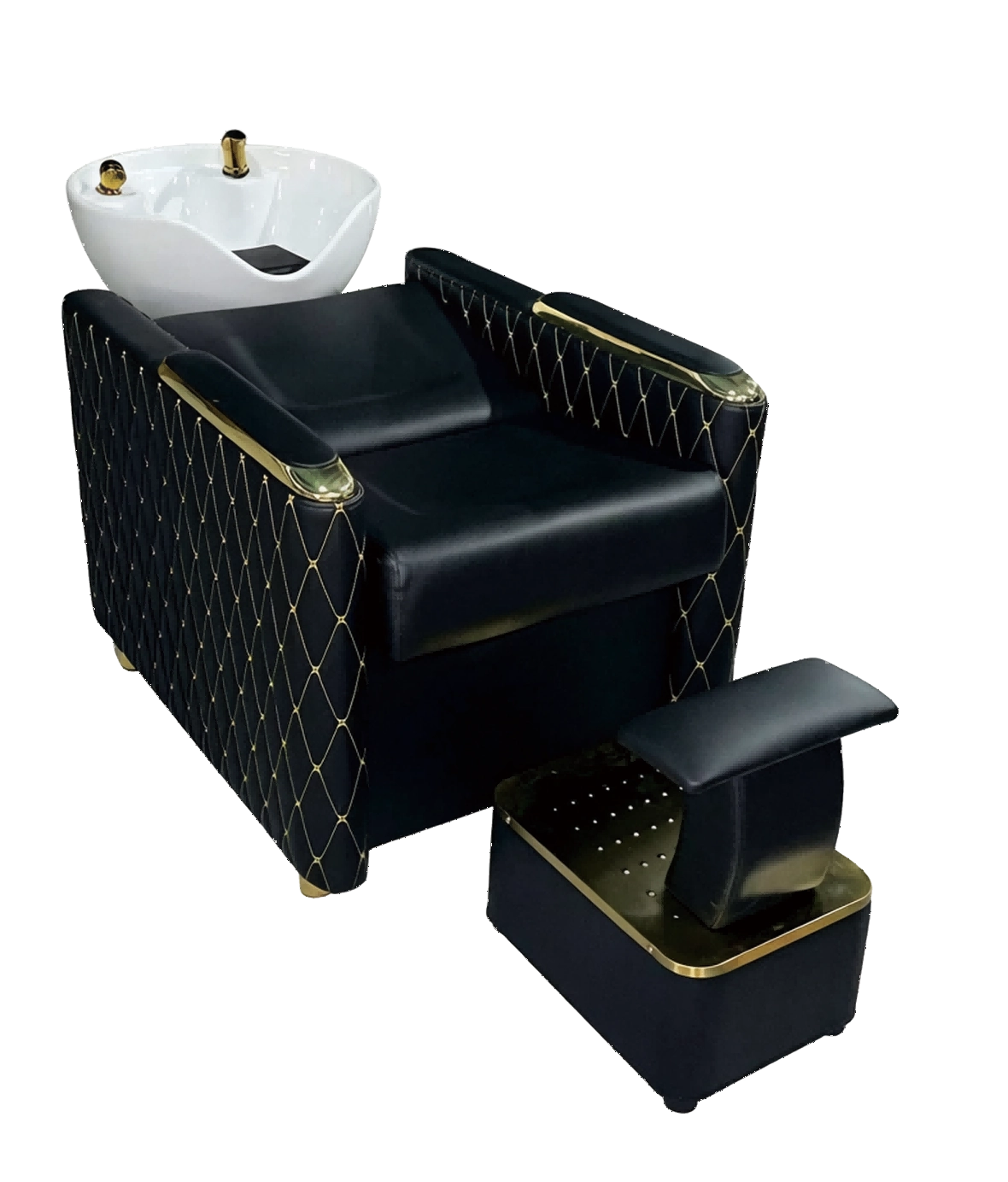
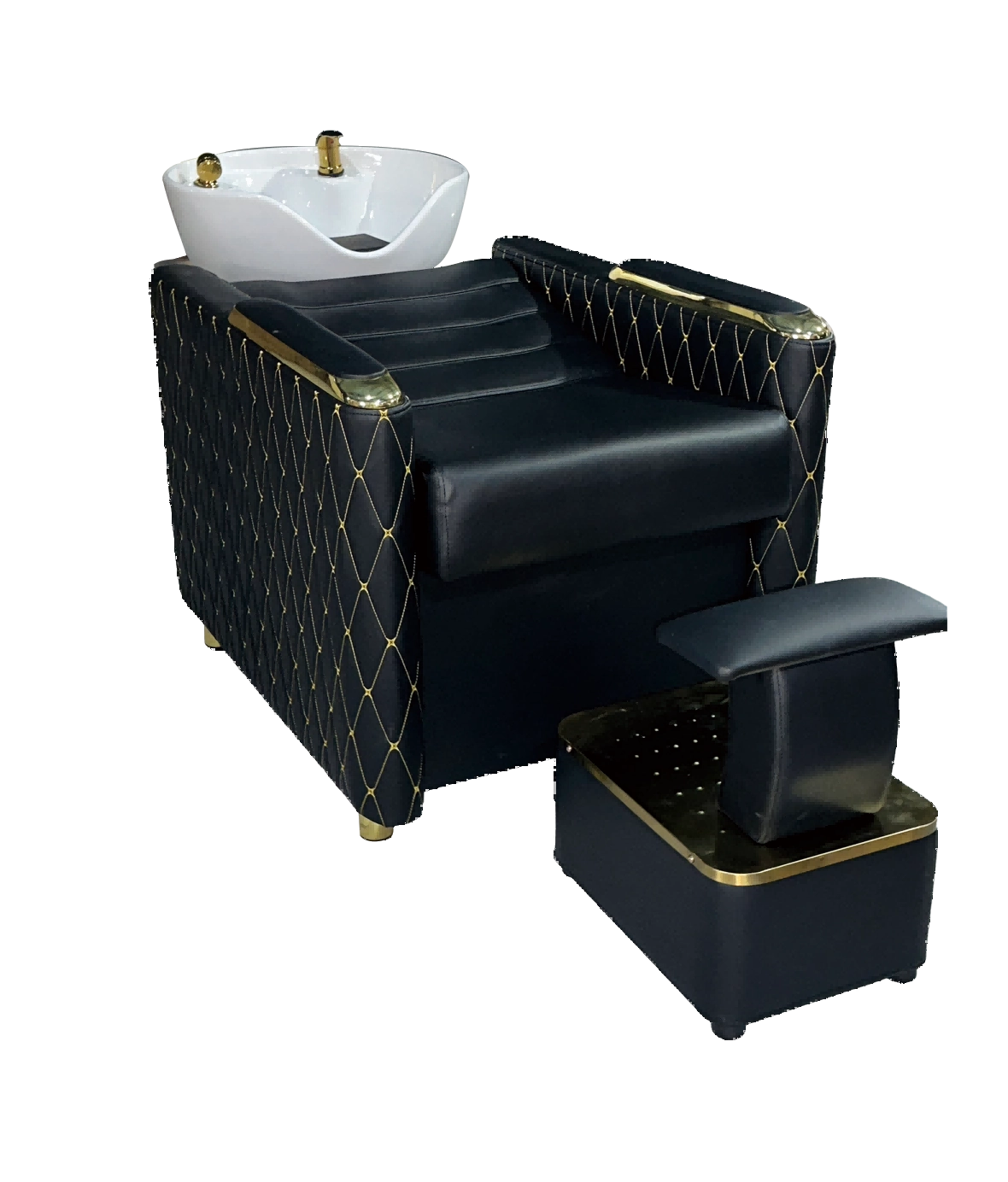
Hair Wash Station 2398
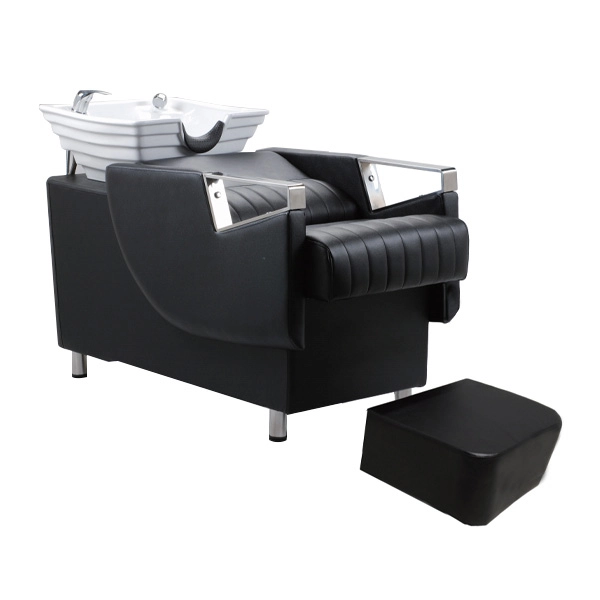
Hair washing bed 2378
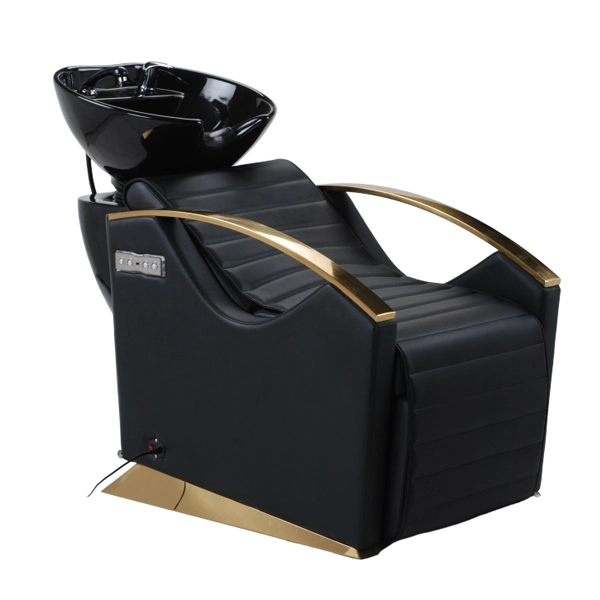
Hair Wash Station 2392-B
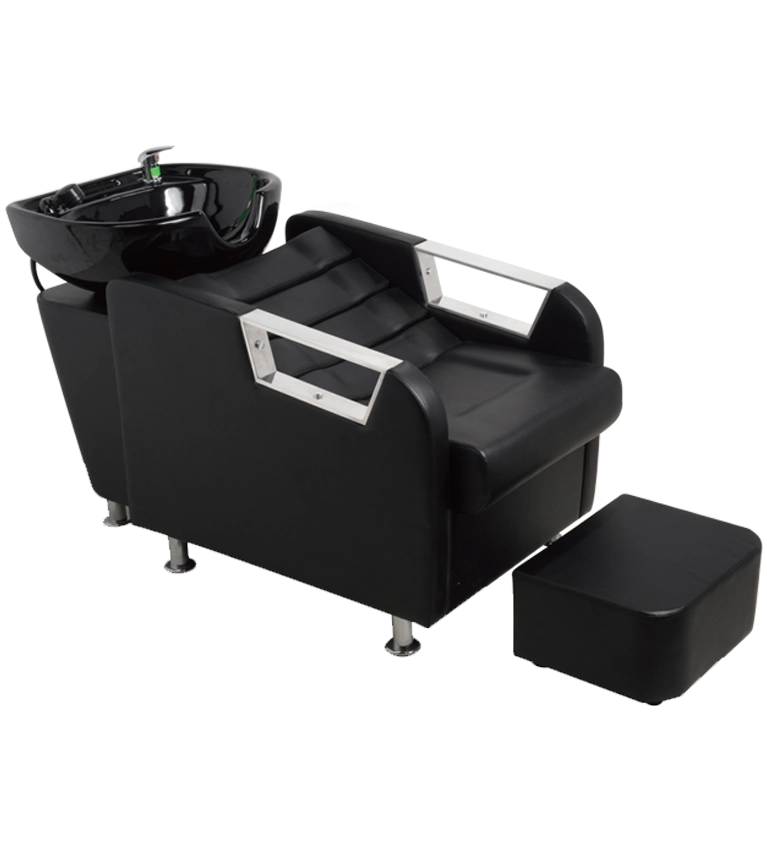
Hair washing bed 2319
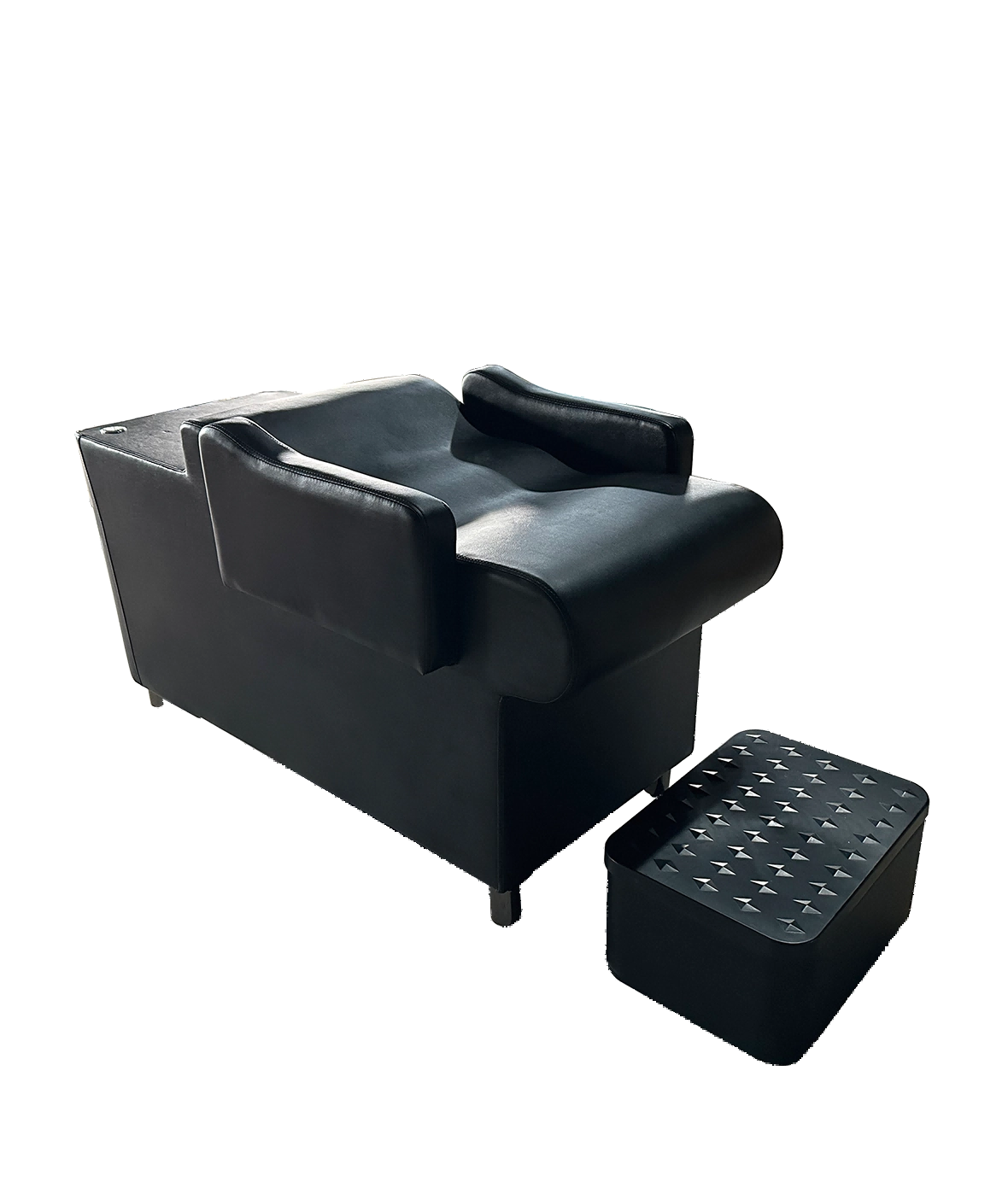
Hair washing bed 2523
Discuss Your Project with Expert Salon Furniture Manufacturers
Tell us what you need — we’ll get back to you with a fast quote and personalized OEM/ODM support.