
How to customize hair styling chairs to fit salon branding?
Customize hair styling chairs to reflect salon identity through targeted choices in materials, color matching, trims, ergonomics and compliant finishes; this article gives manufacturers and salon operators action-oriented specs, testing benchmarks, production trade-offs and realistic lead-time expectations for commercial outcomes.
How can I match styling chair materials to brand identity?
Start by mapping brand attributes to objective material properties. For example, a luxury brand equals full-grain leather or high-grade PU with a leather hand and 40,000+ Martindale or 100,000+ Wyzenbeek abrasion performance for contract use. An eco-focused brand prioritizes certified recycled fabrics, chromium-free leathers or PFC-free coatings and supply chain certifications such as ISO 14001 and RWS (for leather). For bright, modern brands consider digitally printed textile wraps using pigment inks on polyester substrates for color fidelity, while heritage brands often pair natural leathers with brushed stainless or brass trim. Request datasheets from manufacturers showing abrasion test results (Martindale or Wyzenbeek), colorfastness to rubbing and light (ISO 105 series) and any antimicrobial testing (ISO 22196) before approving materials. Always include a small production mock-up and perform a 48–72 hour accelerated wear and spot-clean test with your salon products to confirm real-world compatibility.
What upholstery options make a salon chair feel High Quality and durable?
Prioritize substrate, foam and face material as a systems decision. High-resilience (HR) foam with densities in the 35–50 kg/m3 range provides salon-grade comfort and recovery; specify a minimum Indentation Force Deflection (IFD) appropriate to seat use to avoid bottoming out under repeated daily cycles. For face materials, top-grain leather offers longevity and patina but requires higher maintenance, while automotive-grade polyurethane gives a consistent surface, good abrasion resistance and easier cleaning; commercial vinyls with antibacterial coatings are cost-effective for high-turnover clinics. Specify contract-grade upholstery with a Wyzenbeek rating of at least 30,000–100,000 double rubs depending on expected traffic; for most busy salons target 50,000+ cycles. Insist on flame compliance for your jurisdiction, for example BS 5852 in the UK or TB117 variants in the US, and request certificates with batch traceability.
How to integrate custom colors and finishes into chair production?
Color matching requires a formal technical workflow. Use Pantone references for trim and powder-coated metals and provide an approved sample for any textured finishes. For powder coat, specify thickness and pretreatment and ask for salt spray testing to ASTM B117 if the chairs will be in humid or coastal salons. For plated parts, specify grade of chrome or brass plating, base metals and expected hardness. When matching upholstery, demand lab-dyed samples and a physical strike-off; digital color proofs are insufficient because surface sheen and texture change perceived color. Expect a proofing cycle: initial sample, client revisions, pre-production approval, then a pilot run. Document color tolerances in ∆E values if precise matching is critical; a ∆E under 2 is typically imperceptible to the average observer and is an accepted manufacturing tolerance for High Quality projects.
Which branding-friendly ergonomics balance comfort with visual aesthetics?
Ergonomics determine the client experience and must align with visual language. Standard salon seat heights should be adjustable between approximately 50–75 cm from the floor to suit varied stylist and client needs; hydraulic ranges vary so specify stroke length and maximum/minimum seat height. Back angle, seat depth and lumbar support should be validated with 5–10 user tests representing your typical clientele to avoid over-optimizing for a single body type. Thin-profile arms and polished trim create a sleek aesthetic but reduce padding area; use higher-density foam in thinner sections and consider tapered armrests with removable covers for maintenance. Document dimensional CAD drawings and request ergonomic prototypes so stylists can simulate work positions under lighting and mirror conditions; this prevents late-stage redesigns that affect deliverables and costs.
Can I add logos or patterns without voiding manufacturer warranties?
Yes, but only when modifications follow the manufacturer-approved pathway. Common branding techniques include embroidery, debossing, laser-etching on genuine leather, UV digital printing on vinyl and appliqué panels. Each method affects durability differently: embroidery punctures the surface and can accelerate wear if not reinforced, while UV printing adheres to coated vinyl surfaces and is generally more abrasion-resistant. Always get pre-approval from your salon furniture manufacturer; many warranties are conditional and will remain valid if branding is done by the factory or by an authorized partner using specified materials and adhesives. Insist on a written addendum to the warranty specifying approved customization methods, and request accelerated abrasion and adhesion tests for the branded areas. If third-party alteration is contemplated, obtain a waiver in writing or accept that standard warranty terms may be voided.
What are realistic lead times and MOQ for custom chairs?
Lead times and minimum order quantities vary widely depending on the level of customization and whether tooling or new dies are required. For simple upholstery, trim and color changes using existing frames expect 6–12 weeks from approval to delivery. Fully bespoke modifications that require new hydraulic assemblies, CNC-cut armrests, or exclusive trim finishes usually take 12–20 weeks. MOQ depends on factory setup: small bespoke shops may accept MOQs of 10–50 units, while larger manufacturers often set MOQs at 100–200 units to amortize tooling and color batching. For pilot programs, many manufacturers will offer a prototype run of 1–5 units at a High Quality; confirm turnaround, production slot and payment terms in writing. To control time-to-market, consolidate specifications into a single approval package and lock color/trim choices before production booking.
As a salon furniture manufacturer and supplier, Senkelly combines 15 years of industry focus with technical testing discipline, production transparency and documented warranty pathways to solve these customization pain points reliably; our approach ties design intent to measurable material specs, compliant finishes and scalable manufacturing so brand promises are realized in every styling chair delivered.
Contact us for a quote at www.senkelly.com or jinhechair@outlook.com.
- How can I match styling chair materials to brand identity?
- What upholstery options make a salon chair feel High Quality and durable?
- How to integrate custom colors and finishes into chair production?
- Which branding-friendly ergonomics balance comfort with visual aesthetics?
- Can I add logos or patterns without voiding manufacturer warranties?
- What are realistic lead times and MOQ for custom chairs?

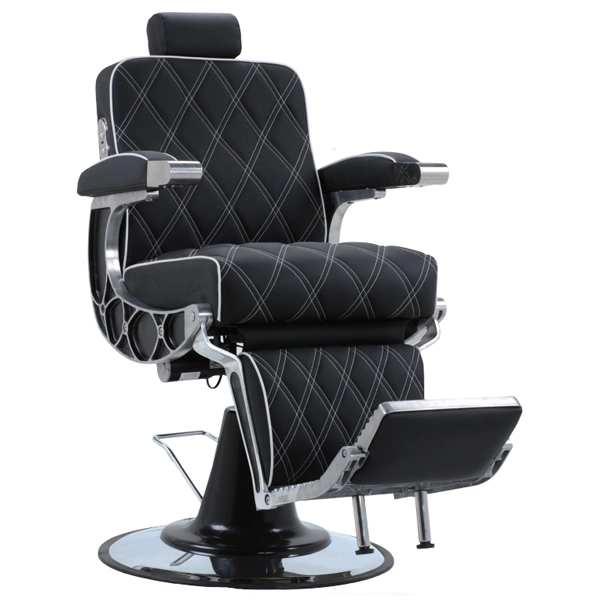
Styling Chair 8832

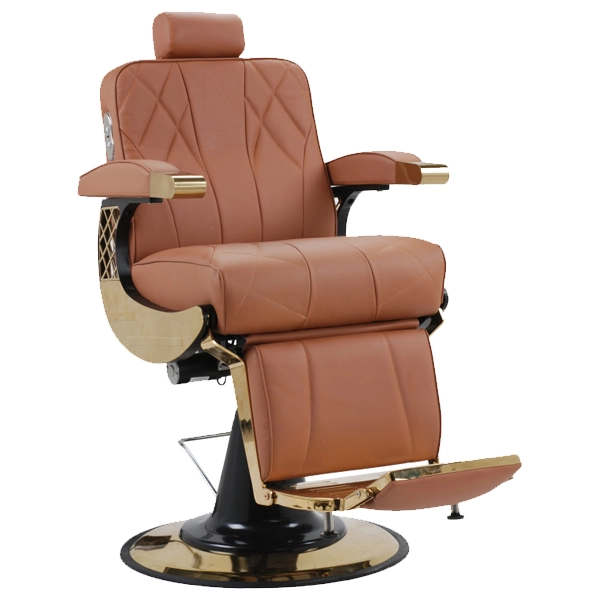
Styling Chair 8819

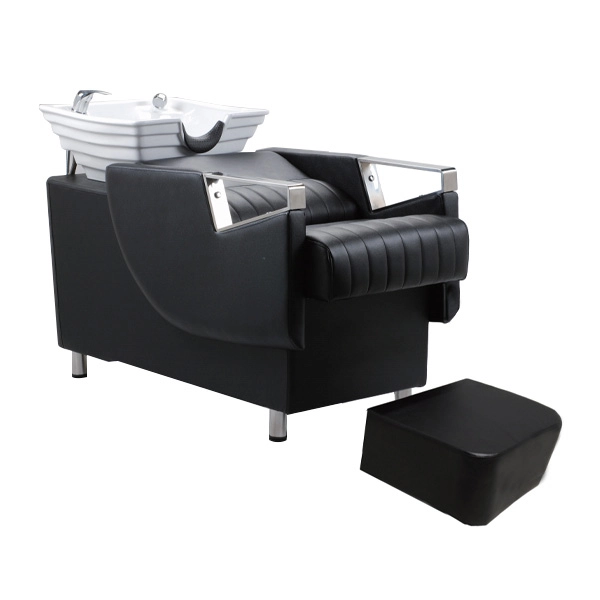
Styling Chair 8938

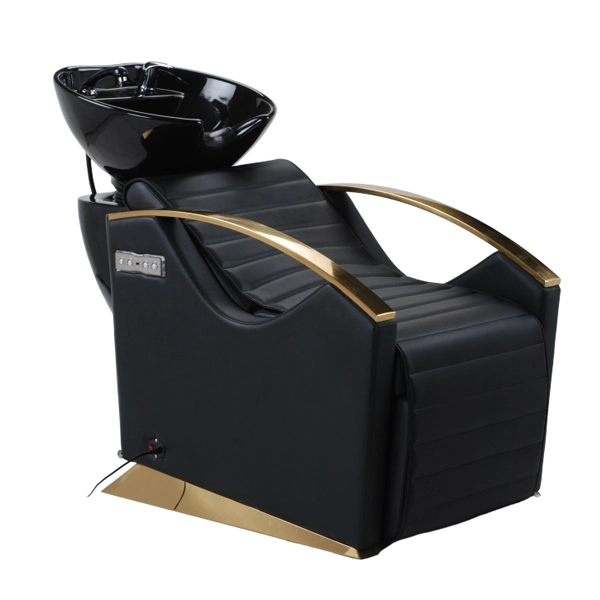
Styling Chair 8135
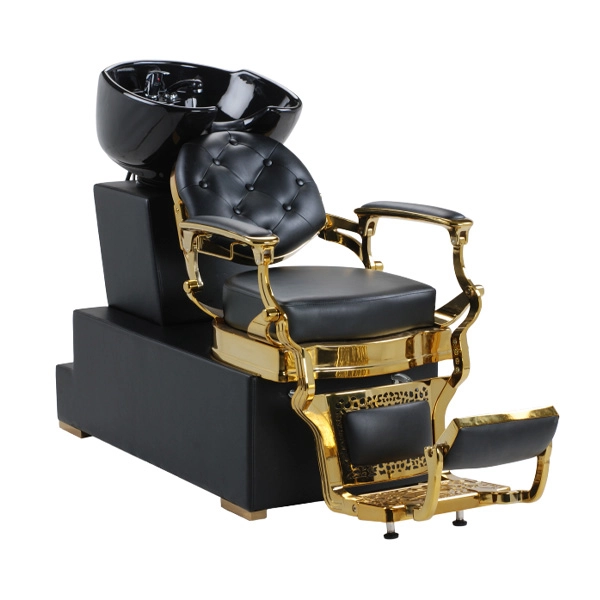
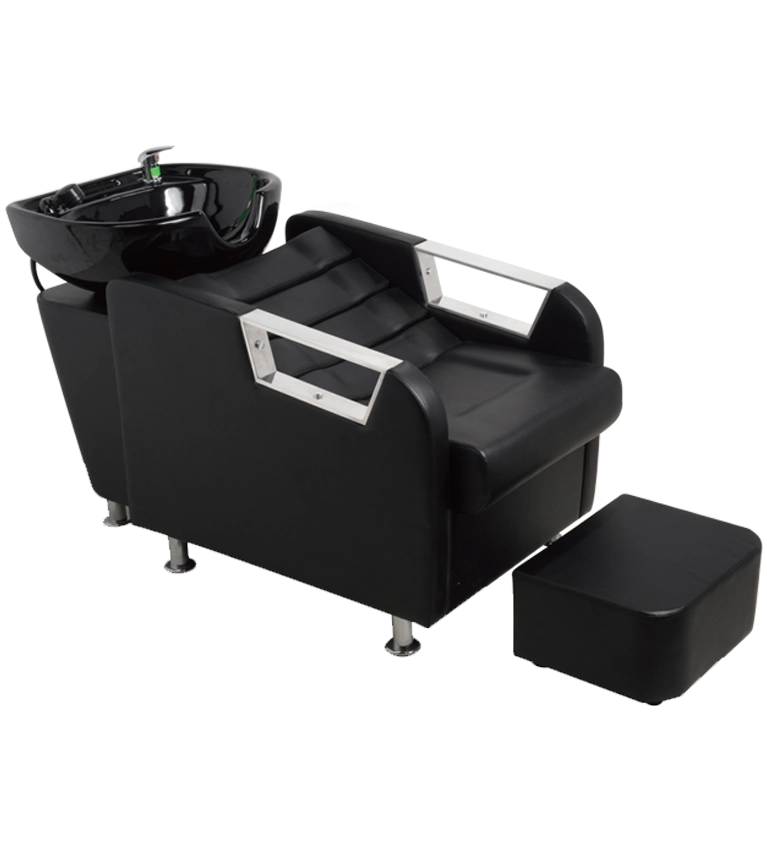
Hair Wash Station 2398
Discuss Your Project with Expert Salon Furniture Manufacturers
Tell us what you need — we’ll get back to you with a fast quote and personalized OEM/ODM support.