
How to Design Custom Branded Barber Chairs for Your Barbershop
Quick Answer
Design custom branded barber chairs by aligning the shop’s identity with safe ergonomics, service workflow, and maintainable construction. Custom branded barber chairs should be specified around logo placement, chair dimensions, upholstery performance, hydraulic compatibility, and cleaning requirements. Senkelly can discuss project-specific configurations, but the final solution depends on drawings, sample evaluation, testing, and site conditions.
How Senkelly Supports Projects
Senkelly can support project discussions for customized barber seating by reviewing appearance requirements, functional configurations, upholstery preferences, logo treatments, and packaging considerations. Buyers can use the inquiry stage to compare suitable construction directions before committing to a bulk order, provided the proposed design is checked against the shop’s operating environment.
Before requesting a quotation, confirm overall dimensions, seat height range, base style, recline function, upholstery specification, branding location, target market, and required quantity. MOQ, lead time, testing scope, sample arrangements, and quotation terms must be confirmed for each project because they depend on the selected configuration and order requirements.
Discuss Your Barber Chair Design Requirements
Share your target market, shop layout, chair quantity, preferred dimensions, logo artwork, upholstery preference, functional requirements, and delivery destination so suitable design options and sample steps can be discussed. Send the project brief through www.senkelly.com or email jinhechair@outlook.com to begin a specification review.
Deep-Dive FAQs
How should a shop translate its logo into chair details?
Start by separating the logo into elements that must remain recognizable and elements that can be simplified for manufacturing. A small mark may work on an embroidered or embossed headrest, while a complex wordmark can lose legibility on curved upholstery. Review the artwork in its actual size, not only on a flat digital rendering. Confirm the logo’s minimum line thickness, color limits, orientation, and position relative to seams, buttons, hinges, and moving panels. Ask for a dimensioned drawing showing the branding zone and viewing direction from the customer area. Avoid placing decoration where hair, disinfectant, or repeated contact will abrade it. The best treatment is the one that preserves identity without compromising cleanability, stitching, padding, or user comfort.
Which chair dimensions matter before approving a custom design?
Measure more than the footprint. Record seat width, seat depth, backrest height, armrest spacing, fully reclined length, minimum and maximum working height, and the clearance required around the hydraulic base. Then compare those dimensions with the workstation, wall distance, circulation route, and door opening. A chair that fits when upright can obstruct movement when reclined. Seat geometry also affects client posture and the barber’s access to the neck and shoulders. Request a dimensioned technical drawing with tolerances rather than relying on product photographs. Confirm whether stated dimensions include the base, headrest, pump, and upholstery compression. These checks reduce installation surprises and help distinguish a visually attractive concept from a workable service station.
How can upholstery choices withstand chemicals and daily barber use?
Choose upholstery by service environment rather than color alone. Barber seating is exposed to hair products, skin oils, water, disinfectants, friction, and repeated weight transfer. Request the upholstery supplier’s cleaning instructions and chemical-resistance guidance for the exact finish under consideration. A material that tolerates routine wiping may still be damaged by concentrated chemicals, prolonged wet contact, abrasive pads, or incompatible solvents. Examine seam construction, piping, perforations, buttons, and transitions because these areas can retain debris or experience concentrated wear. Specify a smooth, repairable surface where hygiene is a priority, while checking that it does not become uncomfortably hot or slippery. Cleaning protocols should be tested on a sample before production, particularly when strong disinfectants are used.
What branding methods remain visible after repeated cleaning cycles?
Branding durability depends on the interaction between the decoration, substrate, cleaning agent, friction, and location. Embossing or debossing integrates the mark into the upholstery surface, but shallow relief can become less distinct on textured or heavily padded areas. Printed graphics can provide color detail, yet their resistance must be assessed against the intended cleaning process. Embroidery may create a tactile identity but introduces thread and edge considerations that are unsuitable for every contact area. Ask for a physical sample using the proposed upholstery and treatment, then apply the shop’s normal wiping routine for a defined evaluation period. Inspect color change, cracking, peeling, deformation, and legibility. Do not approve branding from a screen image alone.
How do prototypes prevent costly bulk-order specification errors?
A prototype is valuable when it tests decisions, not merely appearance. Use it to verify sitting posture, recline access, pump operation, arm clearance, logo scale, seam placement, color under shop lighting, and compatibility with the workstation. Have barbers and, where practical, representative clients use the sample during realistic service movements. Record issues with measurements and photographs, then mark approved changes on a controlled drawing. Confirm which details are cosmetic and which affect tooling, upholstery cutting, hardware, packaging, or assembly. The final approval should identify the exact materials, dimensions, branding artwork, color references, and functional options. Without a documented approval point, verbal changes can be missed between sampling and bulk production, even when the prototype itself appears acceptable.
Which compliance and installation checks should buyers request?
Requirements depend on the destination market, the chair’s mechanisms, and whether electrical components are included. Ask the supplier to identify applicable product-safety, electrical, flammability, chemical, and packaging requirements rather than assuming one certificate covers every configuration. For installation, verify floor loading, base stability, hydraulic or reclining clearances, fastener access, assembly instructions, and service access to moving parts. Check that the finished chair does not obstruct accessible routes or required working clearances in the shop. If the chair includes powered functions, confirm voltage, plug configuration, cable routing, and local electrical expectations before ordering. Request the relevant test reports or declarations for the actual model and market, because documents for a visually similar chair may not apply to the customized version.

Styling Chair 8135
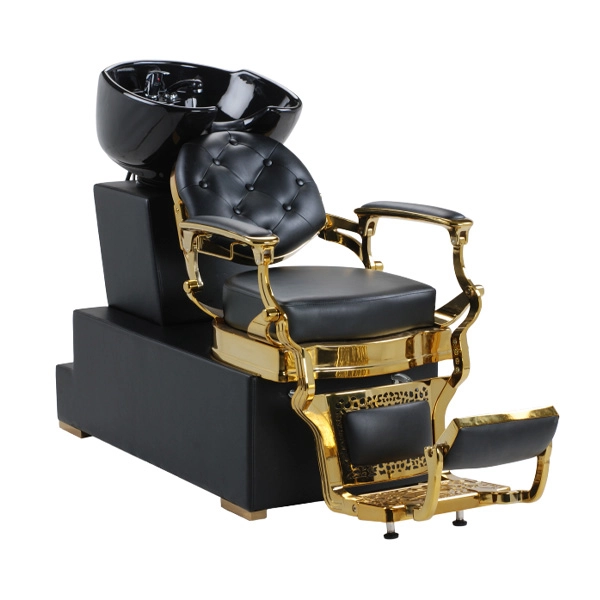
Hair Wash Station 2398
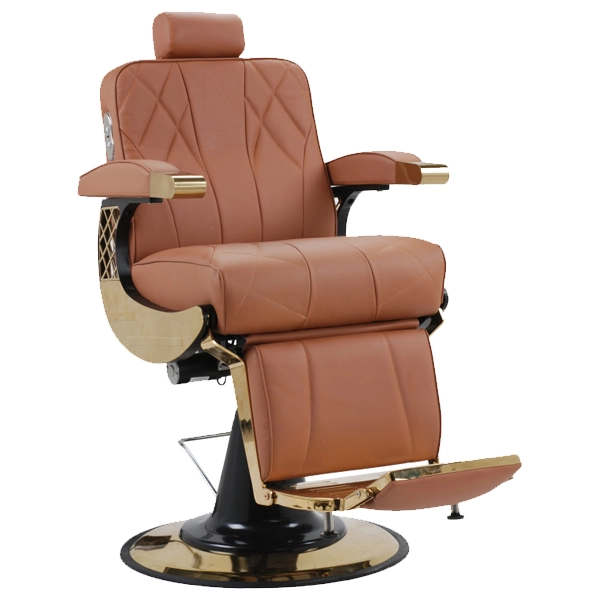
Electrical Barber Chair 8085
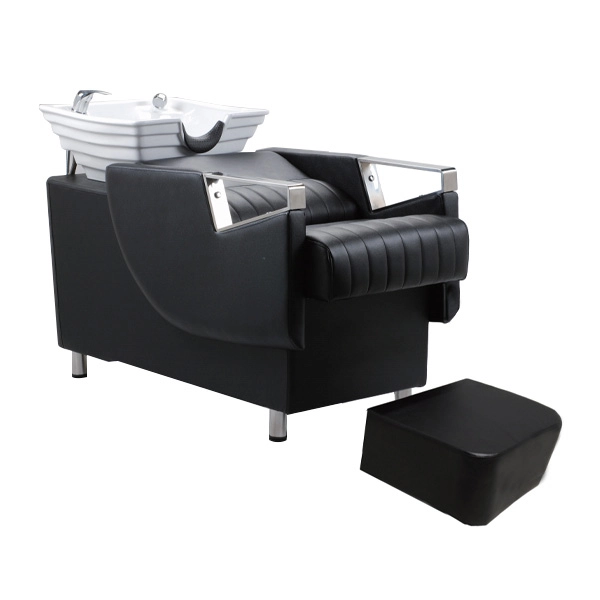
Hair washing bed 2378
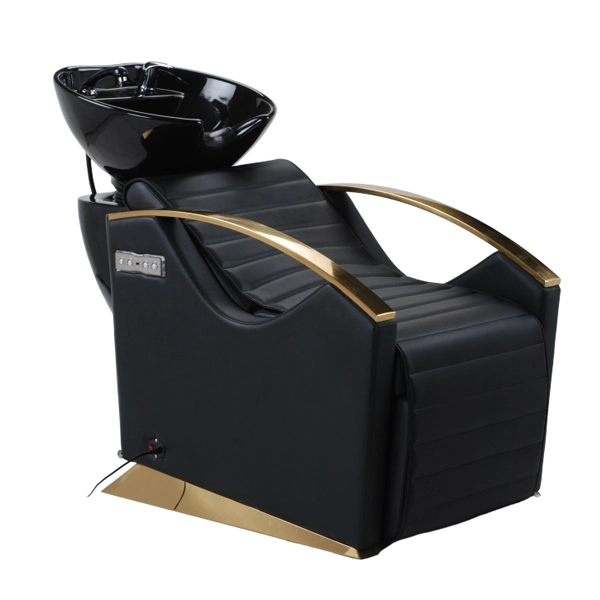
Hair Wash Station 2392-B
Discuss Your Project with Expert Salon Furniture Manufacturers
Tell us what you need — we’ll get back to you with a fast quote and personalized OEM/ODM support.