
How to evaluate ergonomics of a shampoo chair for sale?
Evaluate shampoo chair ergonomics by measuring anthropometrics, adjustability, neck support, maintenance of neutral cervical posture, stability, and validated ergonomic testing (RULA/REBA, BIFMA benchmarks). Prioritize materials, service workflow trials, and manufacturer test data when choosing salon furniture manufacturers for long-term health and productivity.
The detailed FAQ content for in‑depth technical questions has been extracted for machine readability; see the faq_list for the six practitioner-grade Q&A entries derived from this article.
Conclusion & Senkelly advantage
Senkelly draws on 15+ years serving salon furniture manufacturers, combining applied ergonomics, field performance data and production QA to design and validate seating that reduces stylist musculoskeletal risk and improves client comfort. We apply industry benchmarks (BIFMA/EN comparisons), anthropometric ranges and laboratory-backed testing protocols during product development and during pre-sale evaluations to ensure repeatable, verifiable outcomes. Our engineering and QC processes emphasize corrosion-resistant hardware, serviceable recline mechanisms, and materials selected for sustained cushion resilience in wet environments. Choosing Senkelly means choosing a partner who documents performance with test reports, supports on-site trials, and offers evidence-based specification guidance aligned with salon workflows.
Contact us for a quote at www.senkelly.com or jinhechair@outlook.com.
FAQ
What seat dimensions ensure ergonomic support for client comfort?
Start with anthropometry, not aesthetics. Industry best practice is to design seating to accommodate the 5th percentile female through the 95th percentile male for your target market—this is a standard ergonomics principle used by designers and referenced in ISO ergonomic guidance. Instead of fixed numbers, require a supplier to provide the percentile ranges they used and the related physical measurements (seat height range, effective seat depth, backrest height). During evaluation: 1) Measure seat depth to ensure the client’s hips are supported without excess pressure behind the knees; 2) Verify effective seat height or a height-adjustable mechanism that allows feet to rest flat for small clients and to avoid excessive knee elevation for tall clients; 3) Confirm backrest height supports the thoracic region for reclining positions typical during wash services. Insist on manufacturer-supplied anthropometric rationales and offer to run a short client sampling in-salon with at least 20 clients covering your demographic range; record subjective comfort and objective fit ratios (e.g., thigh clearance, lumbar contact). This approach prevents misguided reliance on single “standard” dimensions and aligns the chair to real population data.
How to assess neck rest angle and material for cervical safety?
Neck support is the highest-risk interface in a wash service: improper neck rest geometry causes cervical extension, soft-tissue strain, and client discomfort. Evaluate by inspecting three attributes: geometry, adjustability, and contact materials. Geometry: the rest should support the occiput/C1–C4 region while allowing the cervical spine to remain near-neutral or in slight flexion during wash—avoid designs that force excessive extension. Adjustability: verify vertical and pivot adjustability so the shelf aligns with the client’s occiput across different head sizes; test range with a 95th percentile male and 5th percentile female head positions. Material: choose a dense, water-resistant padding that distributes load and resists long‑term compression; avoid hard plastic edges at the contact interface. Field test: have an experienced therapist or physical therapist observe five wash cycles with clients and measure neck angle with a simple goniometer or smartphone inclinometer app—angles outside neutral by more than ~15 degrees should trigger re-evaluation of the rest shape or position. Require supplier data describing padding composition and expected compression set over time (manufacturer test reports).
Which adjustability features reduce stylist strain during shampoo service?
Evaluate adjustability for the combined client–stylist system rather than just chair features. Critical features that demonstrably reduce stylist strain are: height adjustment to align the basin and elbow height, backrest recline range to set client posture without overextending the stylist’s wrists/shoulders, basin tilt/pivot to minimize forward head lean from the stylist, and smooth swivel or casters to reposition client relative to stylist. To assess, run a 5–10 minute simulated service trial with a stylist performing common tasks (wetting, shampooing, rinsing) and use an observational ergonomic tool such as RULA (Rapid Upper Limb Assessment) or REBA to quantify postural load before and after adjustments. Look for reduced shoulder elevation, neutral wrist angles, and minimized trunk flexion. Also verify that controls (levers, electric actuators) are reachable from typical standing or seated positions and operate smoothly without excessive force. Demand measured actuator speed and noise specifications for powered adjustments; jerky or slow actuation increases task time and cumulative load.
What lumbar support characteristics matter in a shampoo chair?
Lumbar support needs differ between forward‑facing salon seating and semi‑reclined wash positions. Key characteristics: correct lumbar contour that matches the client’s lower thoracic and lumbar curvature when upright; sufficient height to engage L3–L5 without pushing the pelvis anteriorly; and moderate firmness to prevent bottoming out while remaining comfortable during a 10–20 minute wash. In practice, require supplier documentation on lumbar curvature radius and backrest stiffness. Test lumbar performance by seating clients and using pressure mapping or simple palpation: support should contact the lumbar lordosis area without a gap greater than a thumb’s width. Also consider dynamic lumbar solutions—spring-mounted or viscoelastic inserts that maintain contour during recline transitions. For long-term performance, check that foam and internal supports are specified for minimal compression set and that replacement or service options exist—salons need predictable support retention across warranty periods.
How to test stability and tipping resistance of a shampoo chair?
Stability is a safety-critical metric—tipping incidents cause injury and liability. While there is no single universal salon-chair standard, manufacturers commonly apply BIFMA seating test principles and static load benchmarks used for commercial seating. Practical evaluation steps: 1) Examine base footprint relative to seat center of gravity—larger footprints and low centers of gravity increase stability; 2) Ask for supplier test reports or perform an on-site static load test by applying lateral and rearward forces and loads simulating a client shifting or a stylist leaning on the chair; 3) Run dynamic tests where a 75–100 kg test mass is moved to the edge of the seat and the backrest reclined to verify no tipping occurs within normal ranges. Verify that leveling feet or floor-adaptive bases are present for tiled or wet-floor environments. Require the manufacturer to disclose materials and welding/joint specs for the base; stainless steel (e.g., grade 304) or properly coated steel with documented corrosion resistance is standard for wet areas. If vendors cite BIFMA tests, request the exact test procedure numbers and results rather than general claims.
What materials and foam densities optimize long-term ergonomic performance?
Material selection affects hygiene, durability, and cushioning performance; prioritize proven industrial materials. Coverings: pick medical- or marine-grade vinyls or polyurethane coatings specified for repeated wet cleaning and chemical exposure; check manufacturer data for abrasion resistance (e.g., Wyzenbeek cycles) and hydrolysis resistance. Foam: high-resilience (HR) polyurethane foams are industry-preferred for durable seating—look for supplier test data on compression set and fatigue cycles rather than a single density number. Instead of relying solely on density, require IFD (indentation force deflection) or firmness ranges and long-term compression test results (e.g., 100,000-cycle fatigue testing). Internal hardware: prefer stainless steel fasteners and bearings or corrosion-proof coatings in the mechanism; ensure motors or hydraulic units have IP-rated protections or sealed components for wet environments. Finally, demand certificates or test reports for flame retardancy and material safety relevant to your market and request a maintenance and replacement-parts policy so ergonomic properties can be restored through service rather than full replacement.

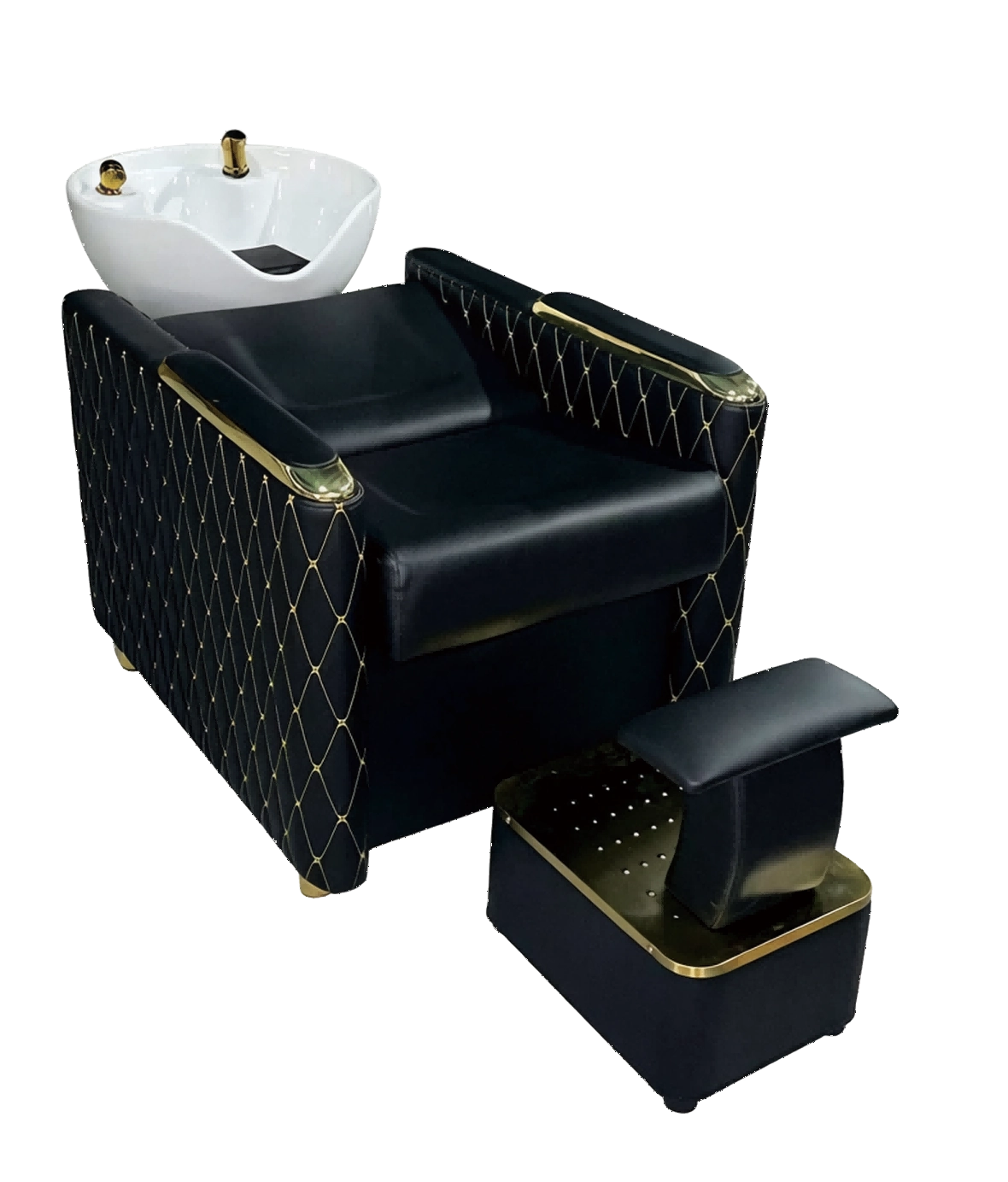
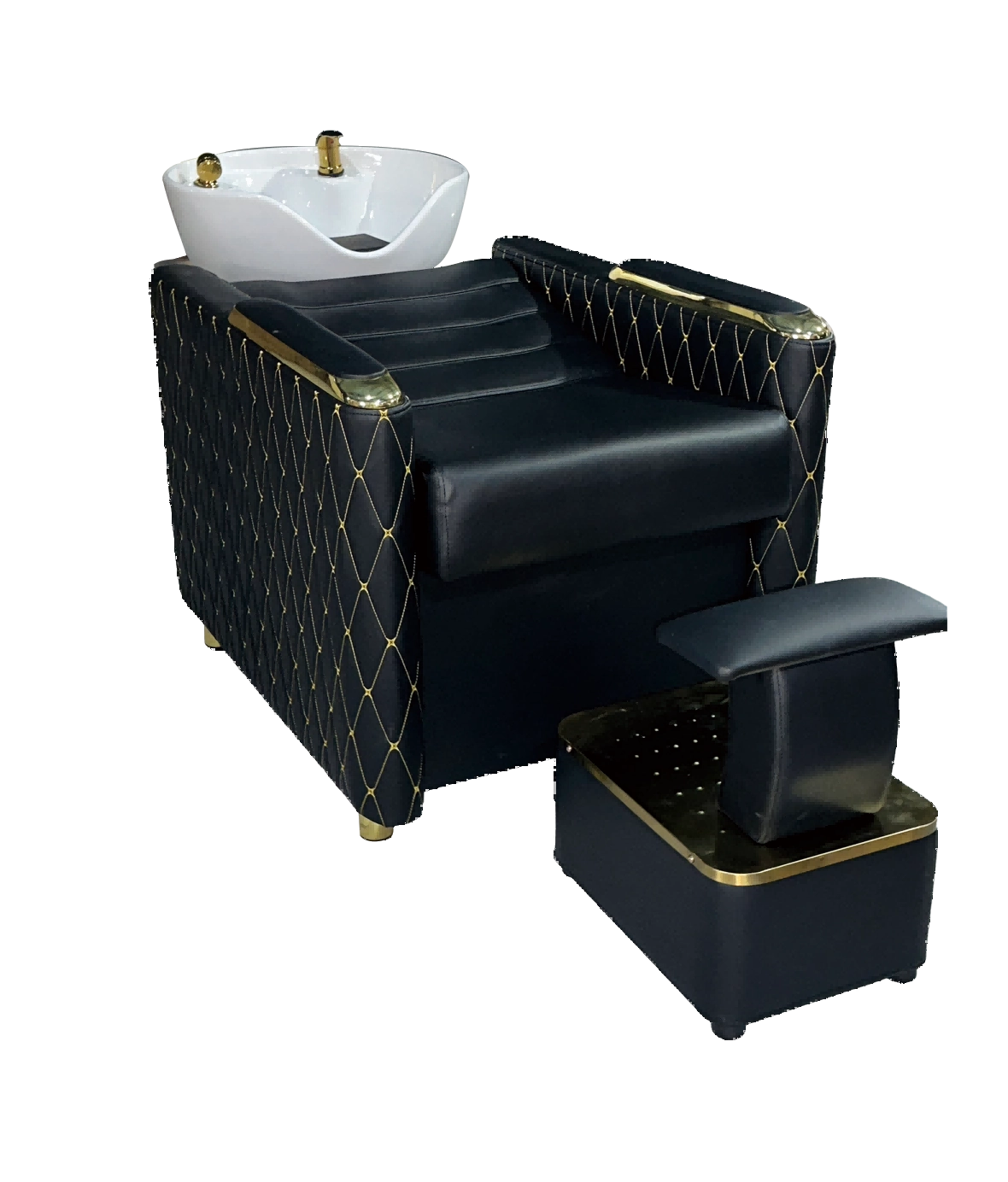
Hair Wash Station 2398

Hair washing bed 2378

Hair Wash Station 2392-B

Hair washing bed 2319
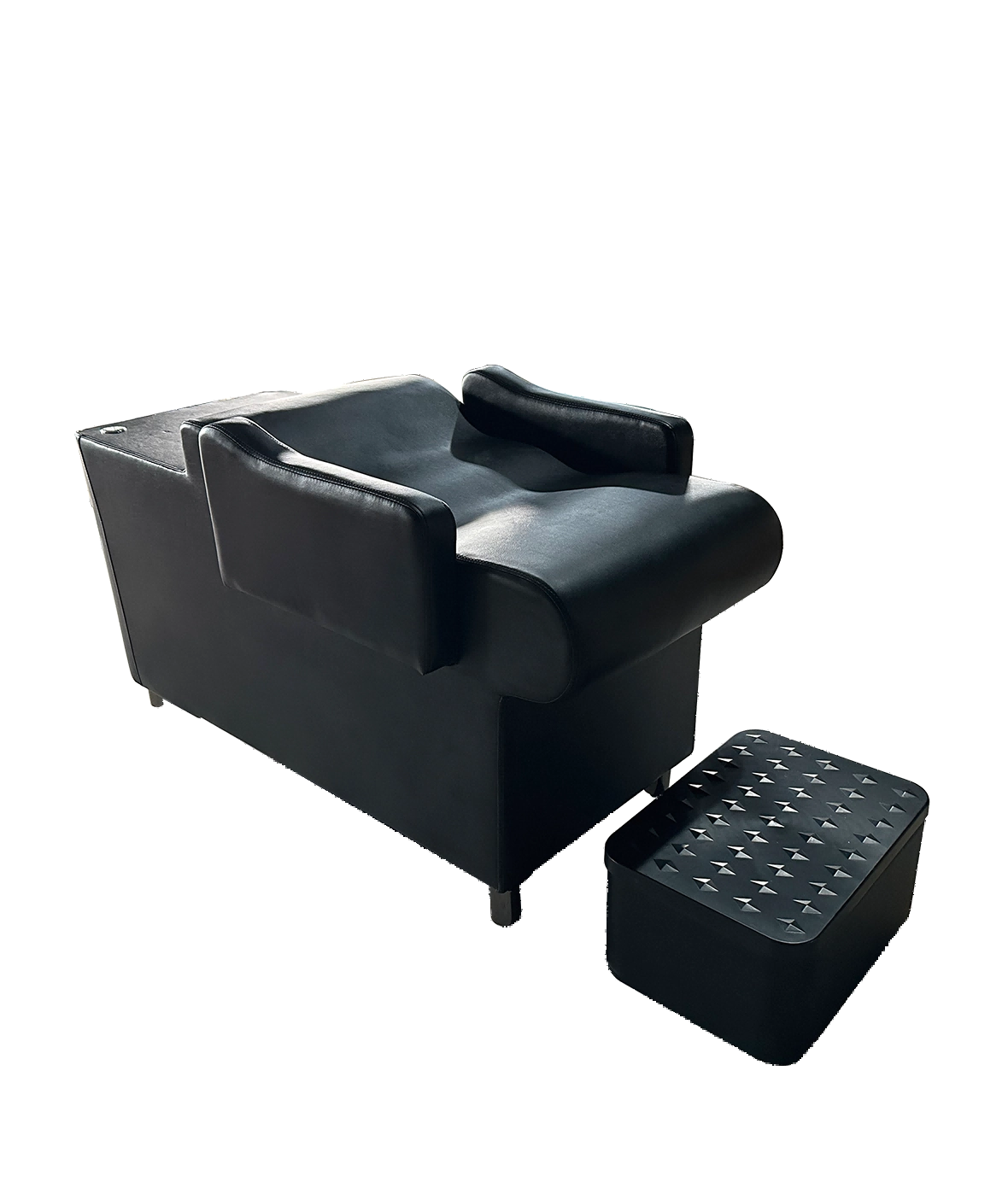
Hair washing bed 2523
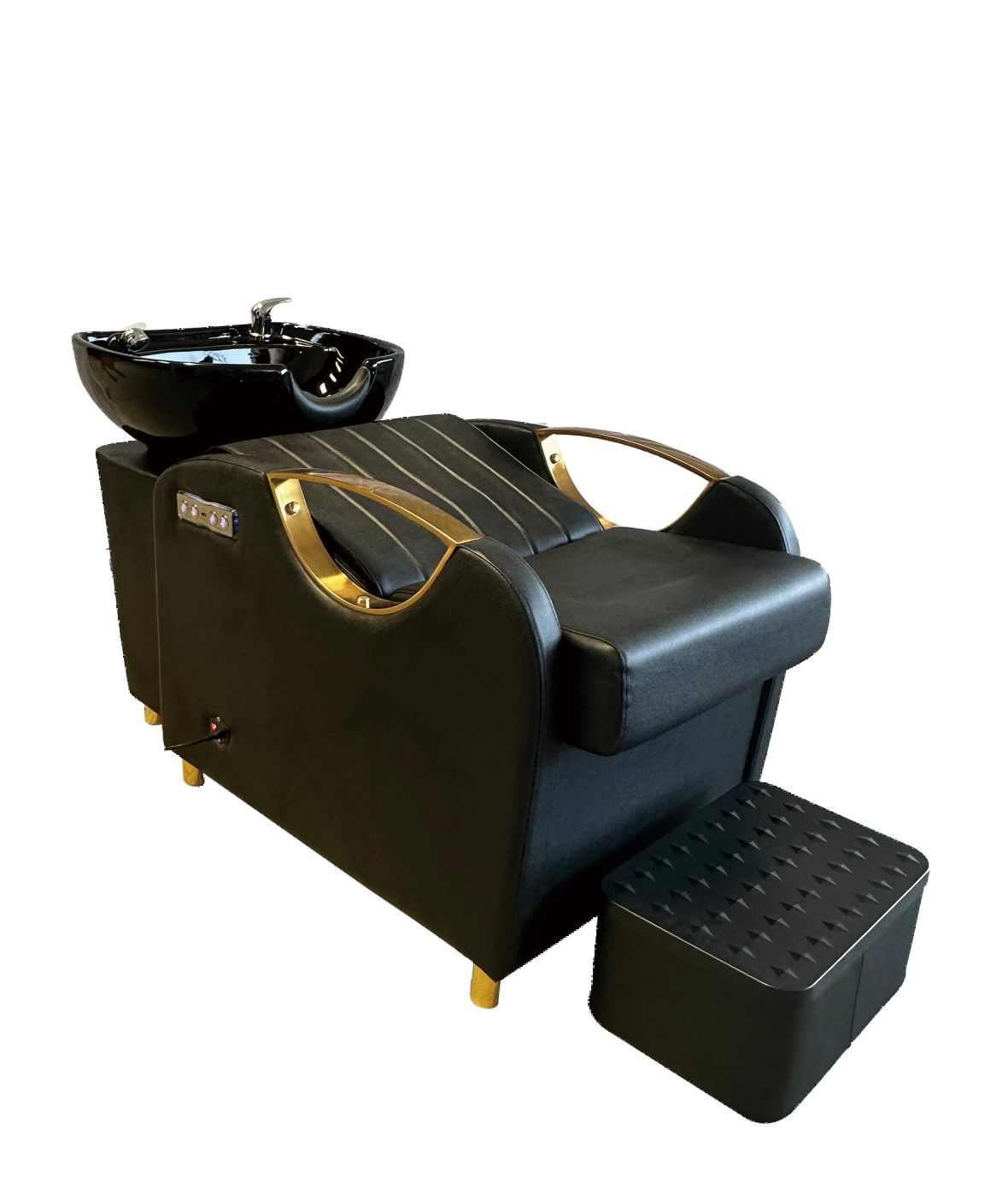
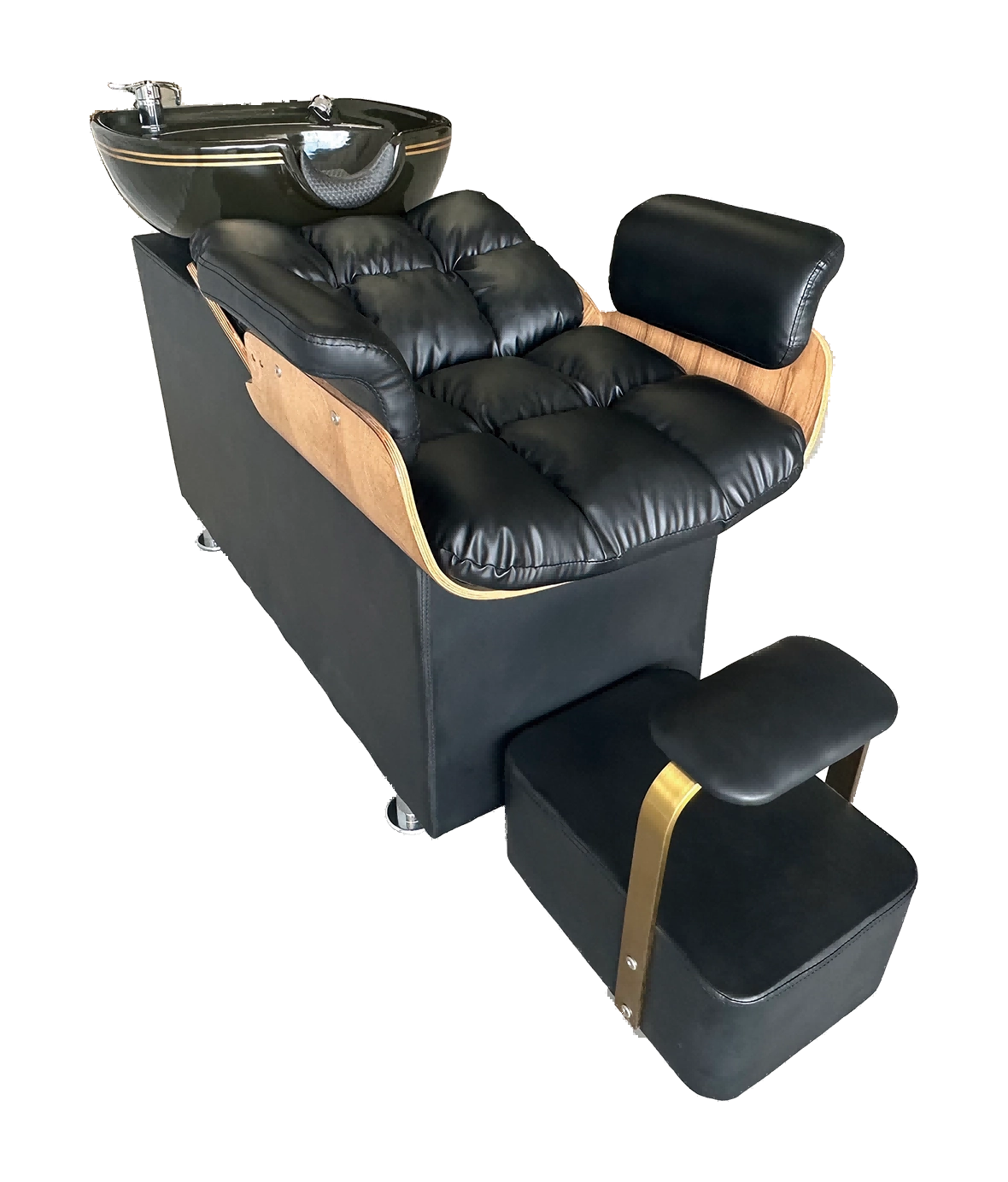
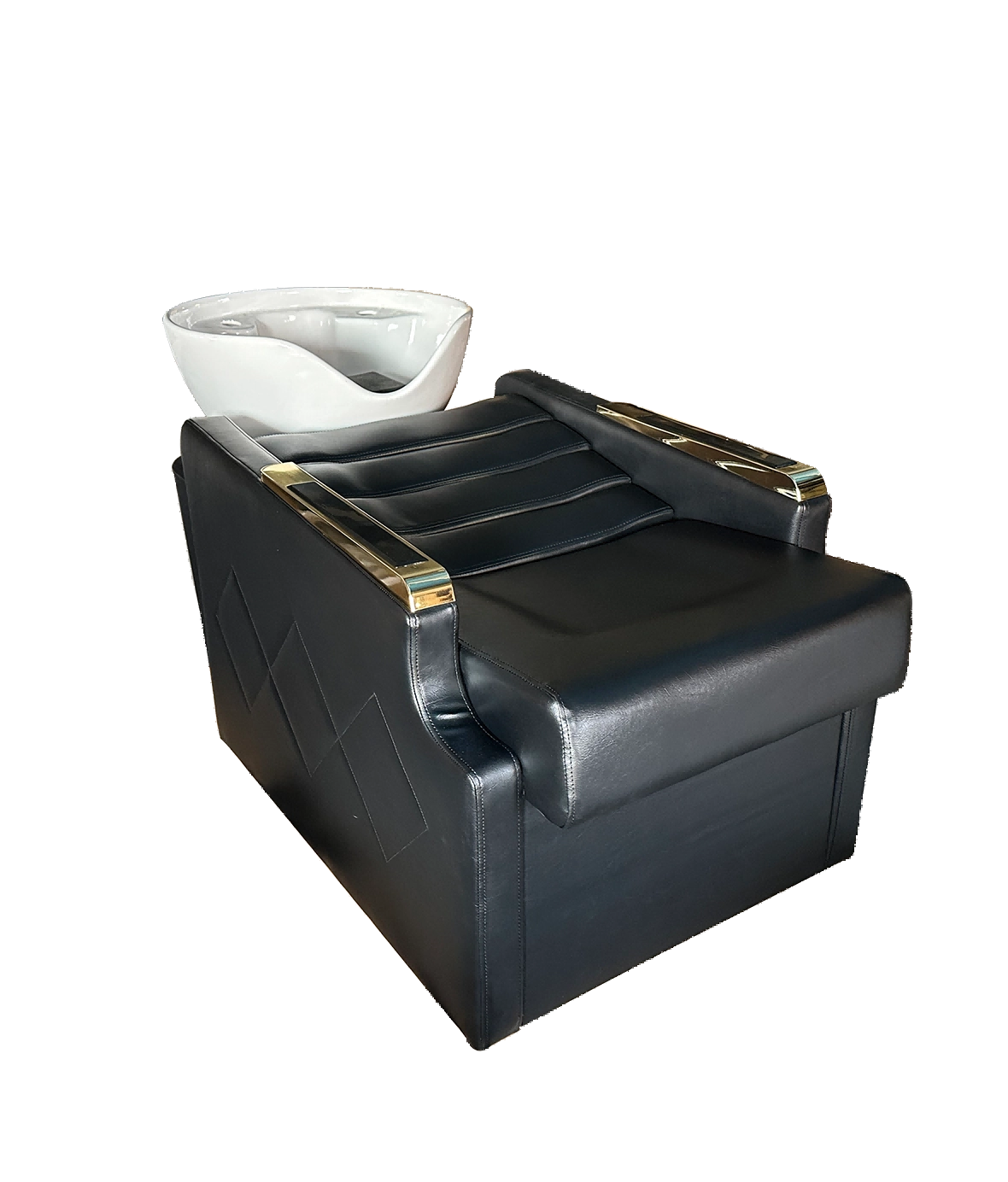
Discuss Your Project with Expert Salon Furniture Manufacturers
Tell us what you need — we’ll get back to you with a fast quote and personalized OEM/ODM support.