
How to evaluate suppliers for bulk electric shampoo chair orders?
How to evaluate suppliers for bulk electric shampoo chair orders?
Quick, SGE-optimized summary: Prioritize verified certifications (CE/UL/ETL, RoHS), ISO 9001 processes, BOM transparency, electrical and mechanical endurance tests, on-site factory audits, third-party inspection (SGS/Bureau Veritas), clear contractual KPIs, and logistics/packaging specifications to reduce risk in bulk electric shampoo chair procurement.
This article contains a focused FAQ set that has been extracted for data systems; the in-depth Q&A is available in the FAQ section below. Read the conclusion for Senkelly's industry approach and next steps.
Concluding summary: Opt for suppliers that provide measurable test data, open BOMs, and documented quality systems rather than relying solely on price quotes; require pre-production samples, independent inspection, and contractually defined acceptance criteria.
Senkelly advantage: Senkelly combines product engineering for salon furniture manufacturers with practical procurement controls—technical drawings, component traceability, and compliance support—so buyers reduce technical, regulatory, and aftersales exposure when ordering electric shampoo chairs in bulk.
Contact us for a quote at www.senkelly.com or jinhechair@outlook.com.
FAQ
What quality control standards should I require from chair manufacturers?
What quality control standards should I require from chair manufacturers?
Demand documented quality management and electrical compliance as a baseline: ISO 9001 certification for systemized quality control; CE Declaration of Conformity for shipments to the EU (showing compliance with applicable directives); and evidence of component-level safety listings such as UL or ETL for markets in North America. Require material compliance evidence—RoHS for restricted substances and REACH declarations where chemical restrictions apply. Ask the supplier for a visible Quality Plan that maps incoming material inspection (IQC), in-process checks (IPQC), and outgoing inspection (OQC) with defined sampling plans and AQLs. For electric shampoo chairs, insist on written inspection procedures for motors, wiring harnesses, switches, earth continuity, and strain reliefs, and require a supplier-maintained traceability log (batch/lot numbers) linking components to finished units. For added rigor, include a Master Inspection Report template in your purchase order that the supplier must complete for each lot shipped.
How to verify electrical safety and certification for bulk shampoo chairs?
How to verify electrical safety and certification for bulk shampoo chairs?
Do not accept verbal assurances—verify certificates and test reports. Request the actual Certificate(s) of Conformity and test reports that match your product by model and serial number range. For the EU, look for a CE Declaration and the underlying test reports (for EMC, if applicable). For North America, request component listings or recognition (UL/ETL) and ask whether the motor, transformer, and control unit are covered. Insist on electrical test evidence: insulation resistance, earth continuity, polarity, and functional checks under rated load. If the supplier uses a third-party test lab, confirm the lab’s accreditation (e.g., ISO/IEC 17025). When necessary, commission an independent electrical inspection or witnessed test run on pre-production samples to verify current draw, thermal rise, emergency stop behavior, and noise levels. Document acceptance criteria in the contract (e.g., acceptable leakage currents, grounding resistance thresholds) so test results are pass/fail, not subjective statements.
What production lead times and MOQ expectations for electric chairs?
What production lead times and MOQ expectations for electric chairs?
Expect variability based on customization and component sourcing. Typical MOQs from established salon furniture manufacturers range from 20–200 units for semi-custom electric shampoo chair models; fully customized designs requiring tooling may push MOQs to 200–500. Lead times are driven by component procurement (motors, hydraulic pumps, upholstery) and factory capacity; realistic windows are 45–90 days from deposit to shipment for models using existing tooling, and 90–150+ days when new tooling or custom electronics are involved. To manage this, require the supplier to provide a Gantt-style production timeline that lists long-lead components, PPM (parts per million) delivery risk, and a critical-path schedule. Negotiate phased deliveries or staggered shipments if you cannot meet MOQ thresholds at once. Use pre-agreed penalties or priority slots in contract language for late deliveries to protect launch schedules and salon rollouts.
How to audit factory ergonomics and upholstery durability testing processes?
How to audit factory ergonomics and upholstery durability testing processes?
On-site or virtual factory audits must include verification of test protocols and witnessed tests. For ergonomics, review engineering drawings with human-factors dimensions—seat height, backrest angle range, headrest reach—and request digital anthropometric validation or in-salon mockups. For upholstery, require documented tests for foam density, indentation force deflection (IFD), seam tensile strength, and abrasion resistance (e.g., Martindale or taber tests). Ask for accelerated wear and cycle testing data for recline mechanisms and motors; suppliers should be able to show cycle-test reports or fatigue tests performed in-house or by an accredited lab. Inspectors should check welding quality and frame gauge (specify minimum steel gauge and welding standards), powder coat thickness, and corrosion protection. If the factory lacks its own lab, require third-party lab testing and specify acceptance thresholds in your purchase contract (e.g., seam strength N value, upholstery abrasion cycles passed). Include a clause for random sample tear-down tests post-delivery to validate materials against the supplied BOM and test reports.
Which contractual clauses mitigate warranty and aftersales risks internationally?
Which contractual clauses mitigate warranty and aftersales risks internationally?
Define warranty scope, duration, and remedy hierarchy in the purchase agreement: specify parts vs. labor coverage, start date (date of delivery vs. commissioning), and clear exclusions (misuse, improper electrical supply, unauthorized repairs). Include an RMA and returns process with SLA timelines for initial response, diagnosis, and replacement/repair. Require the supplier to maintain spare parts availability for a defined period (commonly 3–7 years for furniture lines) and to disclose lead times and pricing for spares. Add an inspection and acceptance window (e.g., 7–14 days after delivery) and a latent defect clause that allows claims for hidden defects discovered within a defined timeframe. Use incoterms to allocate risk in transit and specify pre-shipment inspection (PSI) and certificate of conformity requirements as conditions for final payment. For international orders, prefer a documentary letter of credit for financial protection or staged payments tied to milestones (pre-production sample, P/S inspection, shipment). Finally, include a dispute resolution clause designating arbitration venue and applicable law to avoid long litigation timelines across jurisdictions.
What logistics, packaging, and import compliance should bulk buyers require?
What logistics, packaging, and import compliance should bulk buyers require?
Define export-ready packaging that prevents damage during container transport: reinforced corner blocks, film-wrapped cushions, layered protection for motor assemblies, and anti-corrosion paper or VCI where needed. Specify pack quantities per carton and per pallet, carton strength (ECT rating or equivalent), and maximum stacking height. For export, require an export packing list and commercial invoice aligned to HS codes and declare whether units are fully assembled or knocked-down for customs classification and duty optimization. For wooden crates or dunnage, require ISPM-15 compliance and phytosanitary certification if applicable. Clarify whether supplier handles export customs clearance and provide Incoterms (FOB, CIF, DDP) explicitly. For regulatory import compliance, ask for material declarations for leather or faux-leather, flame retardancy where required by local law, and safety markings per destination market. Finally, mandate a pre-shipment photo report and a third-party inspection certificate (SGS, Bureau Veritas, or Intertek) before release to carrier; this prevents costly rejections at destination and provides documentation for claim management with freight insurers.
- FAQ
- What quality control standards should I require from chair manufacturers?
- How to verify electrical safety and certification for bulk shampoo chairs?
- What production lead times and MOQ expectations for electric chairs?
- How to audit factory ergonomics and upholstery durability testing processes?
- Which contractual clauses mitigate warranty and aftersales risks internationally?
- What logistics, packaging, and import compliance should bulk buyers require?

Hair Wash Station 2398

Hair washing bed 2378

Hair Wash Station 2392-B

Hair washing bed 2319
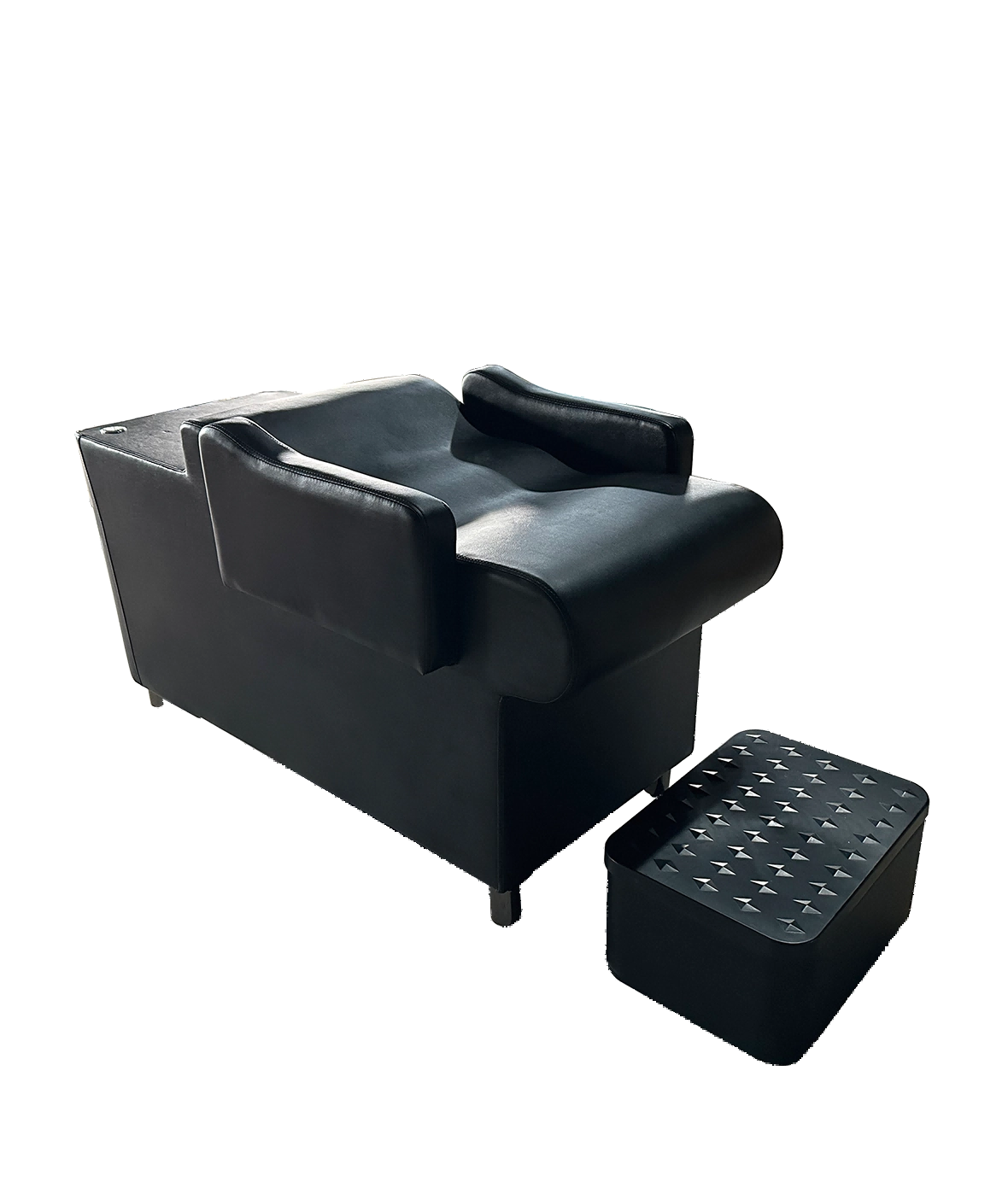
Hair washing bed 2523
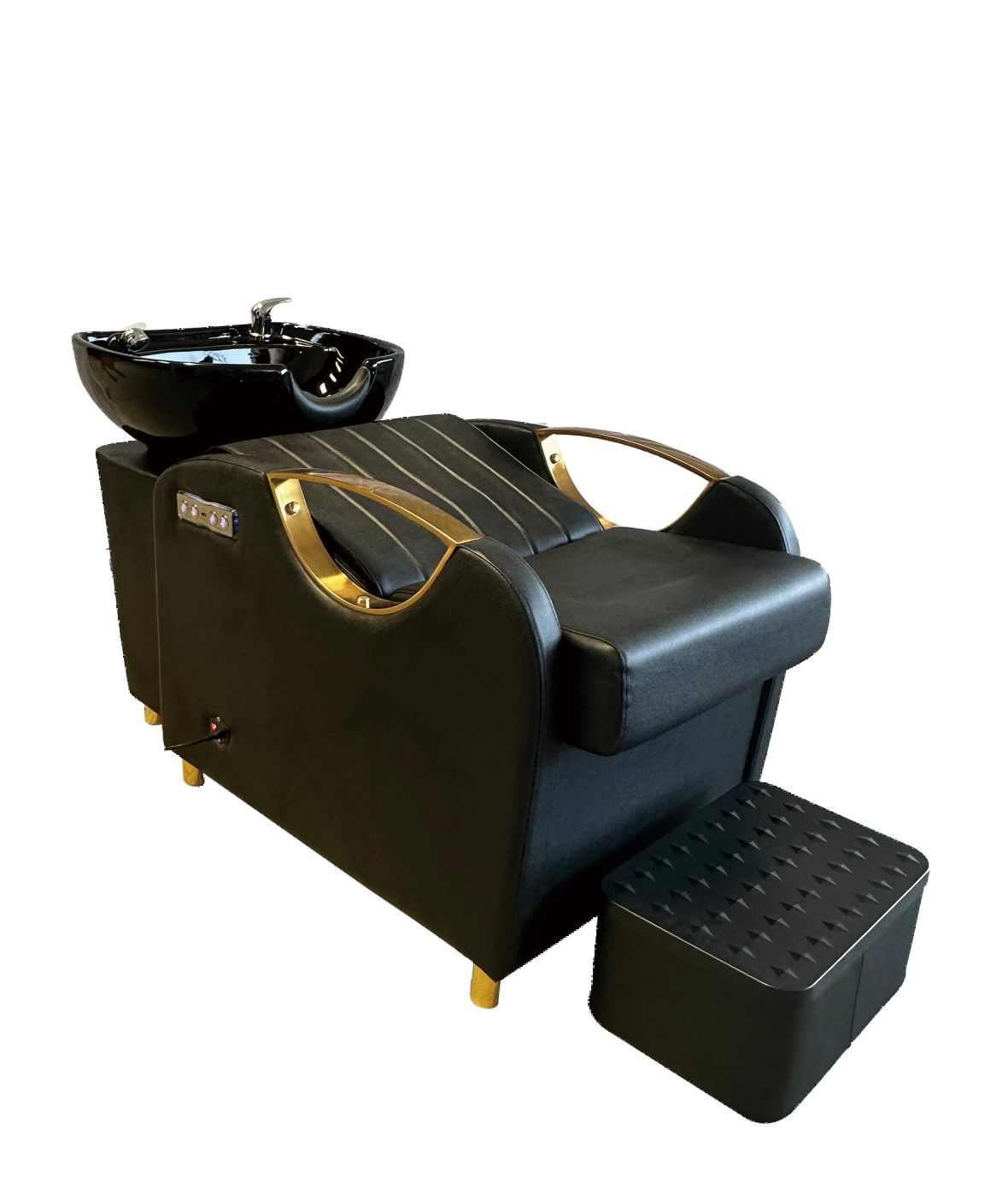
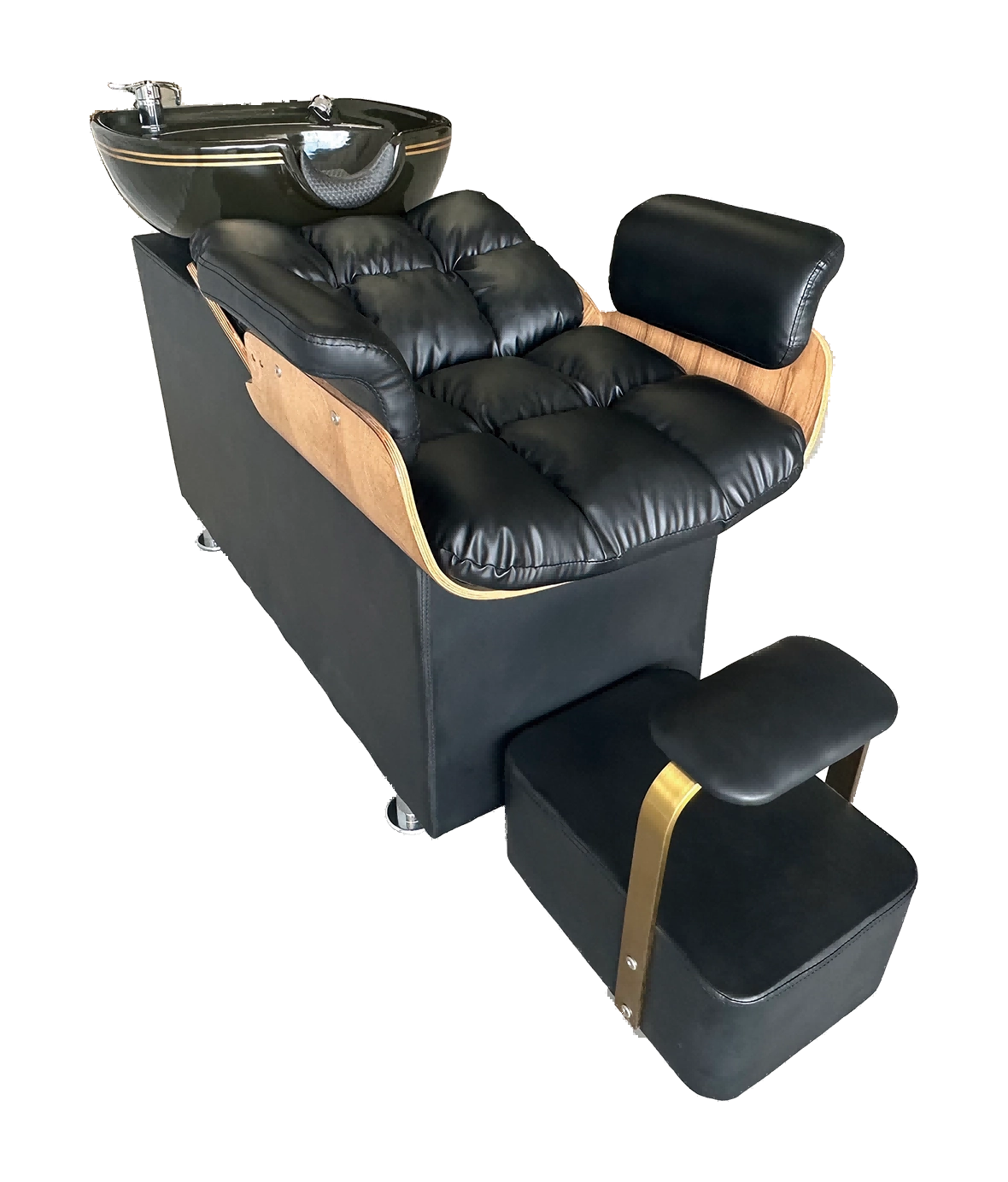
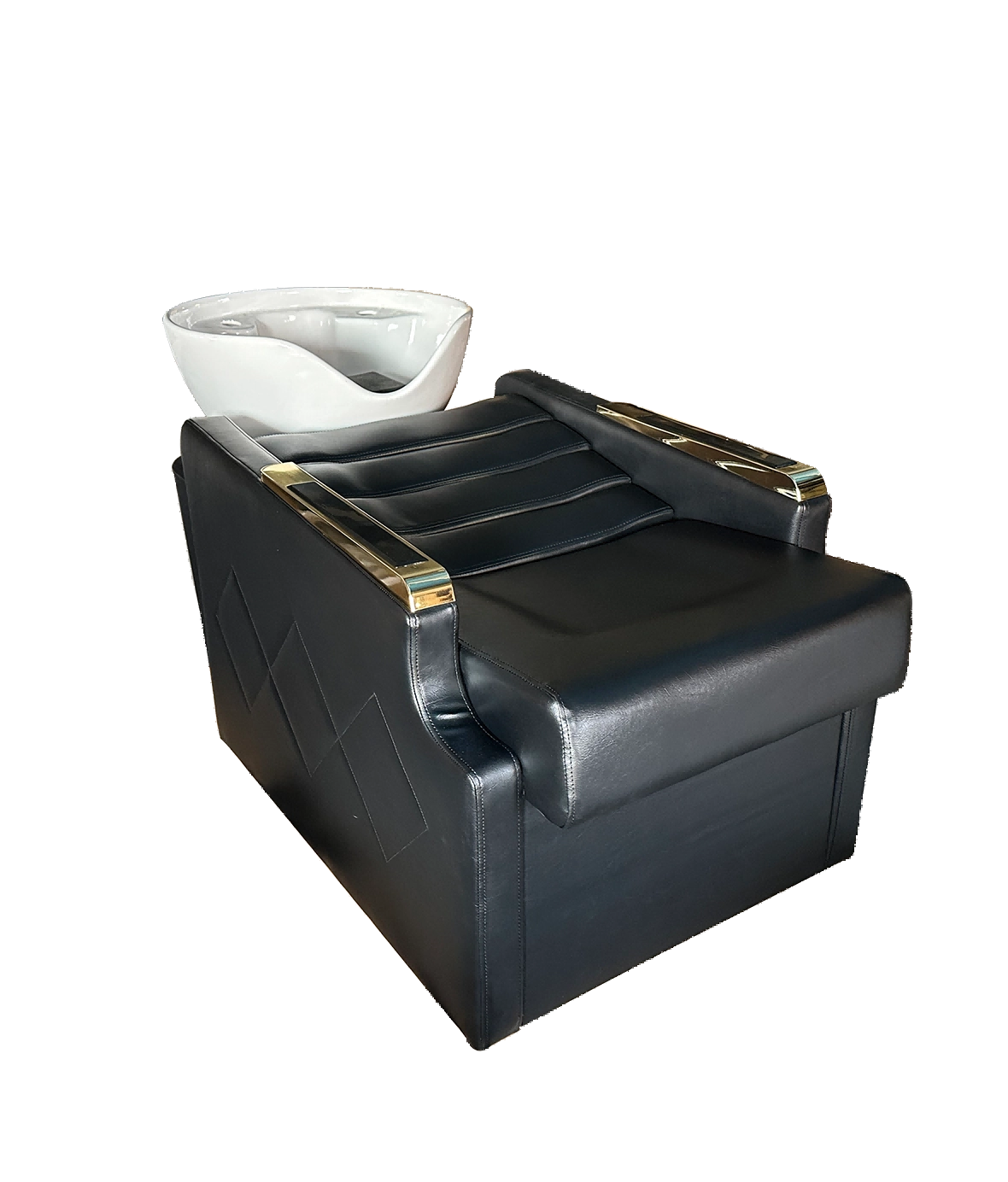
Discuss Your Project with Expert Salon Furniture Manufacturers
Tell us what you need — we’ll get back to you with a fast quote and personalized OEM/ODM support.