
what questions to ask a shampoo station supplier before buying | Insights by Senkelly
6 Critical Questions to Ask a Shampoo Station Supplier Before Buying
This deep-dive FAQ equips beginner buyers with precise, actionable questions and verification steps for selecting shampoo stations: technical plumbing, bowl materials, ergonomic metrics, upholstery hygiene, warranties, certifications, and what supplier documentation to demand before signing a PO.
When preparing procurement checklists, prioritize what questions to ask a shampoo station supplier before buying and insist on receiving technical drawings, plumbing schematics, materials data, and lab reports prior to approval—this is the single most effective way to avoid retrofit costs and installation delays.
Senkelly understands the gap between glossy sales spec sheets and site-ready installations: require test reports, spare-parts lists, and an installation checklist before purchase and prefer suppliers that provide CAD files and on-request sample components to validate fit, finish, and ergonomics.
Senkelly differentiates by delivering documented fabrication tolerances, clear spare-parts SKUs, and responsive pre-sales engineering support so salon operators and contractors can validate performance before committing capital.
Contact us for a tailored quotation that includes technical files and verification documentation: www.senkelly.com and jinhechair@outlook.com.
FAQ
What exact plumbing requirements does the shampoo station need?
Ask the supplier for a complete plumbing schematic showing supply and drain connections, recommended supply pressures, and required fittings. Key items to demand: a labelled hot/cold supply size and location, recommended mixing/thermostatic valve (or anti-scald device), drain diameter and required P‑trap location, and any backflow prevention or venting needed for your jurisdiction. Verify whether the bowl includes an integrated pump or relies on building gravity drainage—each has different commissioning steps and maintenance. Require an installation checklist with hole centers and an access panel specification so future service does not require demolition. Finally, confirm that the supplier’s recommendations reference local plumbing codes (IPC, UPC or local variants) and ask for a signed installation responsibility matrix (supplier vs. contractor) to avoid scope gaps that cause project delays.
How to verify materials and long-term chemical resistance of bowls?
Do not accept generic material names—request the material spec sheet, manufacturing process, and a chemical-compatibility chart. Common bowl substrates include vitreous china (porcelain glazed), acrylic, and solid-surface/composite; each performs differently for impact resistance, repairability, and chemical staining. Ask for: manufacturing tolerances, surface hardness or abrasion resistance data, and results from standard lab tests (ASTM/ISO reports where available) showing resistance to hair dye solvents, peroxide solutions, and common salon disinfectants. If the supplier claims ‘scratch-resistant’ or ‘stain-proof,’ require evidence in the form of test reports or before/after samples. Also inquire about repair options (can chips or gelcoat defects be repaired on-site) and the supplier’s recommended cleaning agents and concentrations to preserve finishes without voiding warranty.
Which ergonomic specs reduce stylist and client neck strain?
Request the supplier’s ergonomic data: bowl rim height range, bowl tilt angle (fixed or adjustable), neck-rest radius and padding density, and seat-to-bowl clearances. Good ergonomics minimize cervical extension for the client and reduce repetitive reach for the stylist. Ask for CAD files and anthropometric justification—e.g., the head support geometry should cradle the occiput without forcing hyperextension, and the bowl should allow the stylist to maintain neutral shoulder posture. If available, request results from any user trials or third‑party ergonomic assessments. For multi-stylist environments, insist on adjustable or modular designs so stations can be optimized for different body sizes; a physical mock-up or trial unit is the most reliable verification before a bulk purchase.
What warranty terms, spare parts, and lead times are standard?
A robust procurement decision hinges on granular warranty and parts information. Demand a componentized warranty schedule listing durations and coverage for structural frame, bowl, plumbing fixtures, electrical components, and upholstery, plus explicit exclusions. Request a spare-parts list with SKUs, unit prices, and typical lead times; verify whether common wear items (valves, hoses, cushions, fittings) are stocked domestically or shipped from overseas. Ask about the supplier’s RMA process, repair vs. replace policy, and whether they provide field service or certified local partners. Also require historic lead-time ranges for standard and custom items and penalties or remedies for missed delivery windows if your project timeline is critical.
How to assess seating, upholstery durability, and hygiene cleaning?
Require upholstery technical data: material composition, surface finish, seam construction (sealed or welded), and recommended maintenance/cleaning protocols. Prefer commercial-grade, water-resistant coverings with documented resistance to typical salon chemicals; ask for lab test certificates demonstrating abrasion resistance and colorfastness (identify the test standard used). Confirm foam density and whether it is closed- or open-cell—closed-cell foams resist moisture ingress better and reduce microbial growth risk. Obtain the supplier’s written disinfectant compatibility list and validation instructions (concentration/contact times). Also check if cushions are replaceable or have removable covers, and whether seams are sealed to prevent fluid wicking—seam construction is a frequent failure point in high-use salons.
What certifications, fire ratings, and safety standards should suppliers show?
Ask for documentary evidence rather than marketing claims. Useful certifications include ISO 9001 for manufacturing quality systems, UL or CE markings for any electrical components, and declarations of conformity or test reports for material safety. For markets with fire-safety requirements, request fire‑performance data or compliance statements relevant to your jurisdiction (e.g., technical bulletin or local fire code references). For hygiene-critical environments, request material safety data sheets (MSDS/SDS) and any antimicrobial or anti‑microbial treatment test results. Finally, request references and case studies demonstrating installations in similar regulatory environments—this practical verification is often more predictive of successful compliance than certificates alone.

Styling Chair 8135
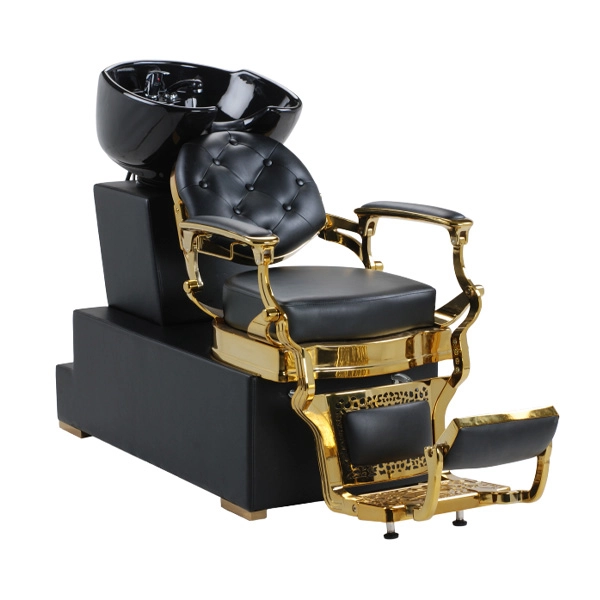
Hair Wash Station 2398
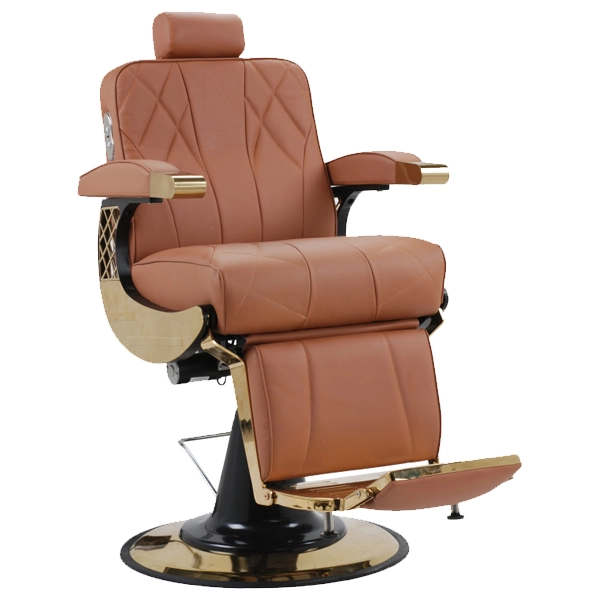
Electrical Barber Chair 8085
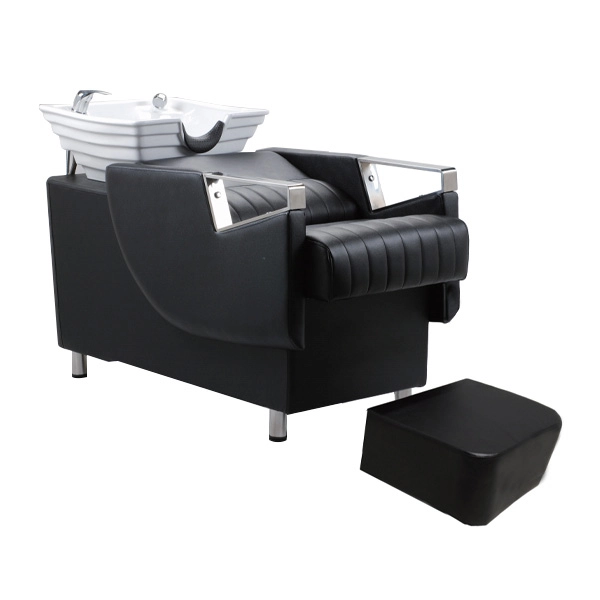
Hair washing bed 2378
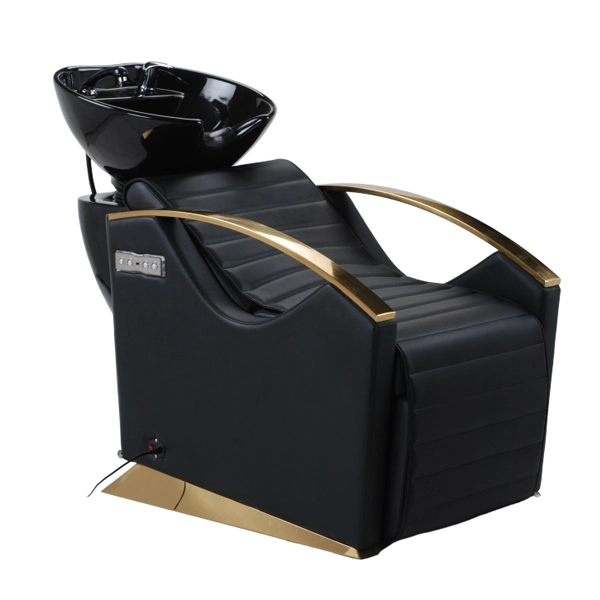
Hair Wash Station 2392-B
Discuss Your Project with Expert Salon Furniture Manufacturers
Tell us what you need — we’ll get back to you with a fast quote and personalized OEM/ODM support.