
What Are the Key Features Buyers Look for in a Shampoo Chair?
Senkelly breaks down the technical checklist buyers use when choosing a shampoo chair: ergonomic measurements, basin material and drainage, plumbing and installation compatibility, upholstery resistance, frame durability, warranty and serviceability—plus practical procurement checks and testing criteria for salon furniture manufacturers.
Most online guidance on salon seating is high-level and manufacturer marketing; procurement teams need measurable checkpoints. This article translates industry practice into actionable specs and acceptance tests used by experienced salon furniture manufacturers and commercial buyers to reduce returns, service calls, and ergonomic injuries.
Practical procurement checklist
Successful buyers create a checklist grouped around six pillars: client comfort and technician ergonomics, basin material and geometry, plumbing and install tolerance, mechanical reliability (recline/lift), upholstery and surface hygiene, and access to spare parts/warranty. Express these as testable requirements in purchase orders: e.g., seat height range in mm, bowl chemical-resistance class, applicable plumbing connection standard, hydraulic cycle rating, upholstery abrasion and disinfectant resistance, and spare-parts lead time.
Below are the technical considerations to include in specification documents and factory acceptance tests before shipment. These reduce ambiguity between salon owners and salon furniture manufacturers and limit post-delivery disputes.
Key feature details buyers must specify
Ergonomics: specify headrest adjustability, neck cradle radius, seat and leg support dimensions, and swivel range. For technician ergonomics require a seat-to-bowl centerline relationship that permits neutral wrist posture for most stylists—include a target range rather than a single measurement to accommodate staff variability.
Bowl and basin materials: list allowable materials and surface treatments. Porcelain/ceramic is scratch-resistant but heavier and prone to chipping; composite/resin bowls (e.g., ABS with gelcoat) are lighter, impact resistant, and often more stain- and chemical-tolerant; stainless steel bowls are very durable but require thermal mitigation for client comfort. Require a manufacturer statement on chemical compatibility with common salon chemicals and an accelerated stain test if needed.
Plumbing and installation: require clear documentation of inlet/outlet sizes, recommended water pressure range, integrated trap access, and whether flexible hoses are supplied. Specify regional thread standards or adaptor requirements and ask for a plumbing shop drawing. For modular salon layouts, demand quick-disconnect fittings and accessible service panels.
Mechanical systems: distinguish gas-lift, hydraulic, or fixed systems and request cycle-life data or manufacturer test reports. Ask for load ratings, recommended maintenance intervals, and ease of replacing seals or cartridges. For reclining systems require measured recline angles and positive-lock positions to avoid slippage during shampooing.
Upholstery and hygiene: mandate non-porous, seam-sealed upholstery with disinfectant compatibility; specify abrasion resistance (e.g., Martindale cycles or equivalent) and whether antimicrobial finishes are factory-applied. Require documentation of solvent resistance for common salon disinfectants and guidance on approved cleaning agents to avoid warranty voidance.
Frame, finish, and corrosion resistance: define frame materials (powder-coated steel vs stainless vs aluminum) and surface-treatment specifications. For wet environments prefer stainless or marine-grade coatings and sealed welds. Include salt-spray or corrosion resistance expectations if servicing coastal salons.
Serviceability and parts: require an exploded parts list, lead times for common wear items (seals, bowls, headrests), and a suggested preventative maintenance schedule. Contractually include initial spare-parts kits for multi-unit orders to reduce downtime.
Compliance and accessibility: ensure equipment complies with local building and accessibility codes where applicable; reference ADA reach and clearance criteria when planning station layouts for accessible service.
Acceptance testing and documentation to request
Before approval of shipments, buyers should require: dimensional verification, a functional test of recline and swivel, a water-flow and leak test at expected operating pressures, a chemical-resistance spot test of upholstery and bowl finish, and complete installation drawings. Ask for certificate copies of third-party testing when available (e.g., material safety data, ISO factory certifications, or independent cycle testing reports).
How to avoid common procurement mistakes
Avoid accepting marketing claims without measurable tolerances. Don’t rely solely on photos—request measurements and test documentation. Insist on a small pilot run or a single sample unit for hands-on evaluation when ordering multiple stations. Clarify warranty coverage boundaries for wear items versus structural failures.
Buyers who align specifications, test criteria, and spare-parts plans with their salon workflow reduce long-term cost of ownership and protect client experience.
Senkelly has 15 years serving salon furniture manufacturers with practical specification templates, factory acceptance protocols, and after-sales service models that help domestic and international buyers reduce risk and improve uptime.
Contact us for a quote at www.senkelly.com or jinhechair@outlook.com.
Frequently Asked Questions
How to assess ergonomic support in a salon shampoo chair?
Assess ergonomic support by collecting measurable dimensions and test criteria: headrest vertical and horizontal adjustability ranges, neck-cradle radius (to support occiput without hyperextension), seat-to-bowl centerline distance range, seat height adjustment range, swivel degrees, and footrest position. Require these values in procurement documents and test a sample with technicians to confirm neutral wrist and shoulder postures during typical shampoo tasks. Include an ergonomic acceptance test as part of the factory inspection.
Which basin materials reduce staining and chemical corrosion long-term?
Basin material selection balances weight, durability, thermal comfort, and chemical resistance. Ceramic/porcelain resists scratching but chips and is heavier; composite/resin bowls (ABS with gelcoat) are lightweight, impact-resistant, and often formulated for stain and solvent resistance; stainless steel is highly durable but can feel cold and may require surface treatment for water-color aesthetics. Require manufacturer chemical-compatibility data and accelerated stain/solvent exposure tests when procurement will face aggressive products.
What plumbing compatibility checks are required for installation?
Verify inlet/outlet thread type and size for the target market, specified operating water pressure range, trap location and access, and whether flexible hoses and strainers are included. Request plumbing shop drawings, a description of supplied fittings, and a water-flow/leak test at expected pressure during factory acceptance. For modular installations, ask for quick-disconnect options and clear service access to avoid rework on-site.
How to evaluate recline range and hydraulic reliability effectively?
Ask for measured recline angles, incremental locking positions, and the mechanism type (gas-spring, hydraulic pump, or manual). Require cycle-life data or test reports from the manufacturer; if unavailable, include an on-sample cycling test during inspection. Confirm ease and cost of replacing seals or cartridges and whether adjustment tools are standard. Specify maximum static load ratings and include slip/resistance acceptance criteria to prevent unintentional movement.
Which upholstery types withstand disinfectants and heavy daily use?
Prefer non-porous, seam-sealed upholstery with documented disinfectant compatibility. High-quality PU/vinyl with anti-microbial finish is common; full-grain leather is durable but harder to maintain in high-chemical environments. Request abrasion-resistance data (e.g., Martindale or Wyzenbeek equivalent), solvent resistance tests against common salon disinfectants, and a cleaning protocol from the manufacturer to preserve warranty. Demand double-stitched seams and replaceable cushions where possible.
What warranty, service, and parts support should buyers demand?
Require a clear warranty that differentiates structural failures from wear items, and specify minimum response times for parts and technical support. Request an exploded parts list with local lead-time estimates for common consumables (seals, headrests, bowls). For larger orders insist on initial spare kits and a preventative maintenance schedule. Contractually define remedies, RMA procedures, and on-site service availability for the region to limit salon downtime.

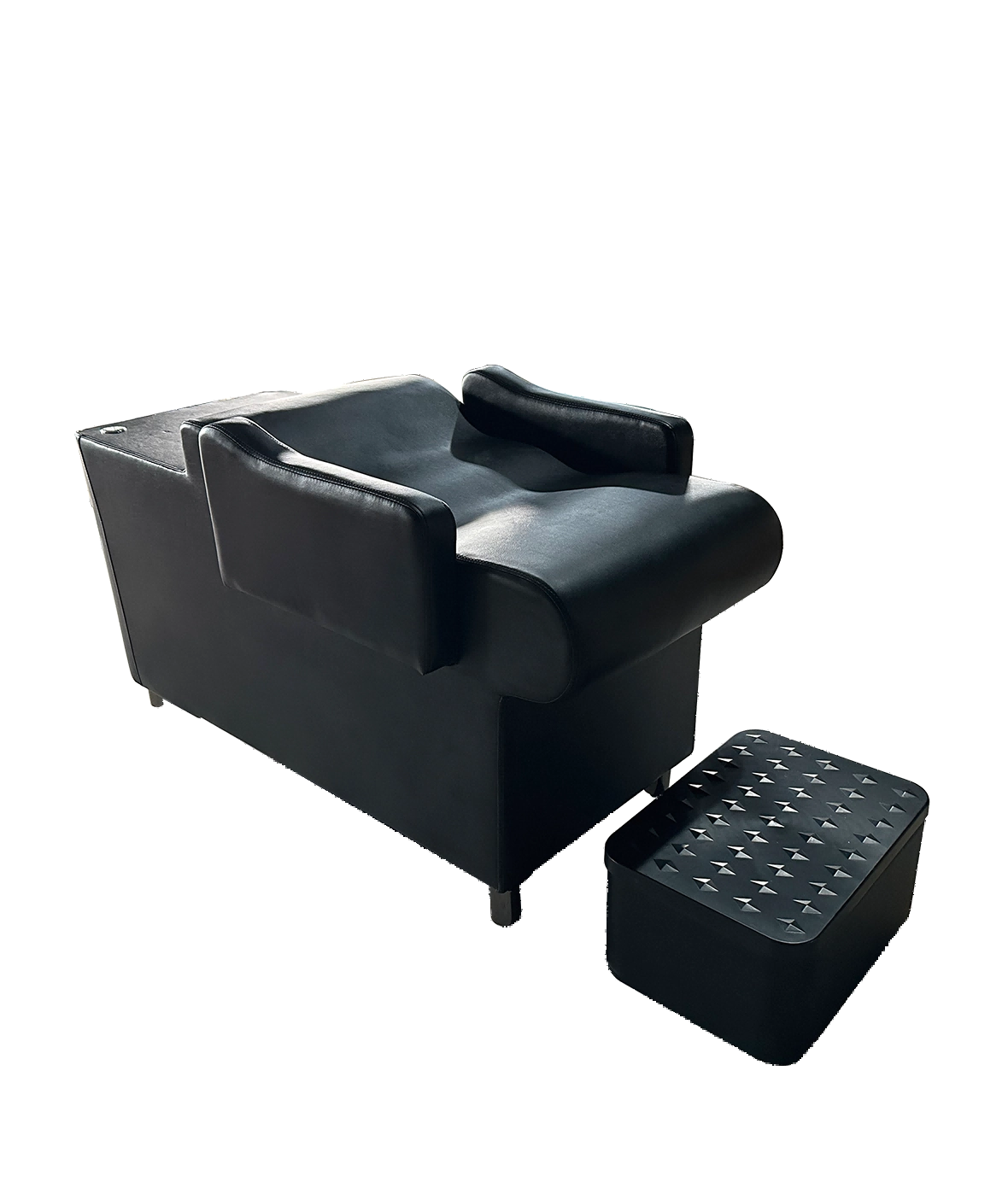
Hair Wash Station 2398

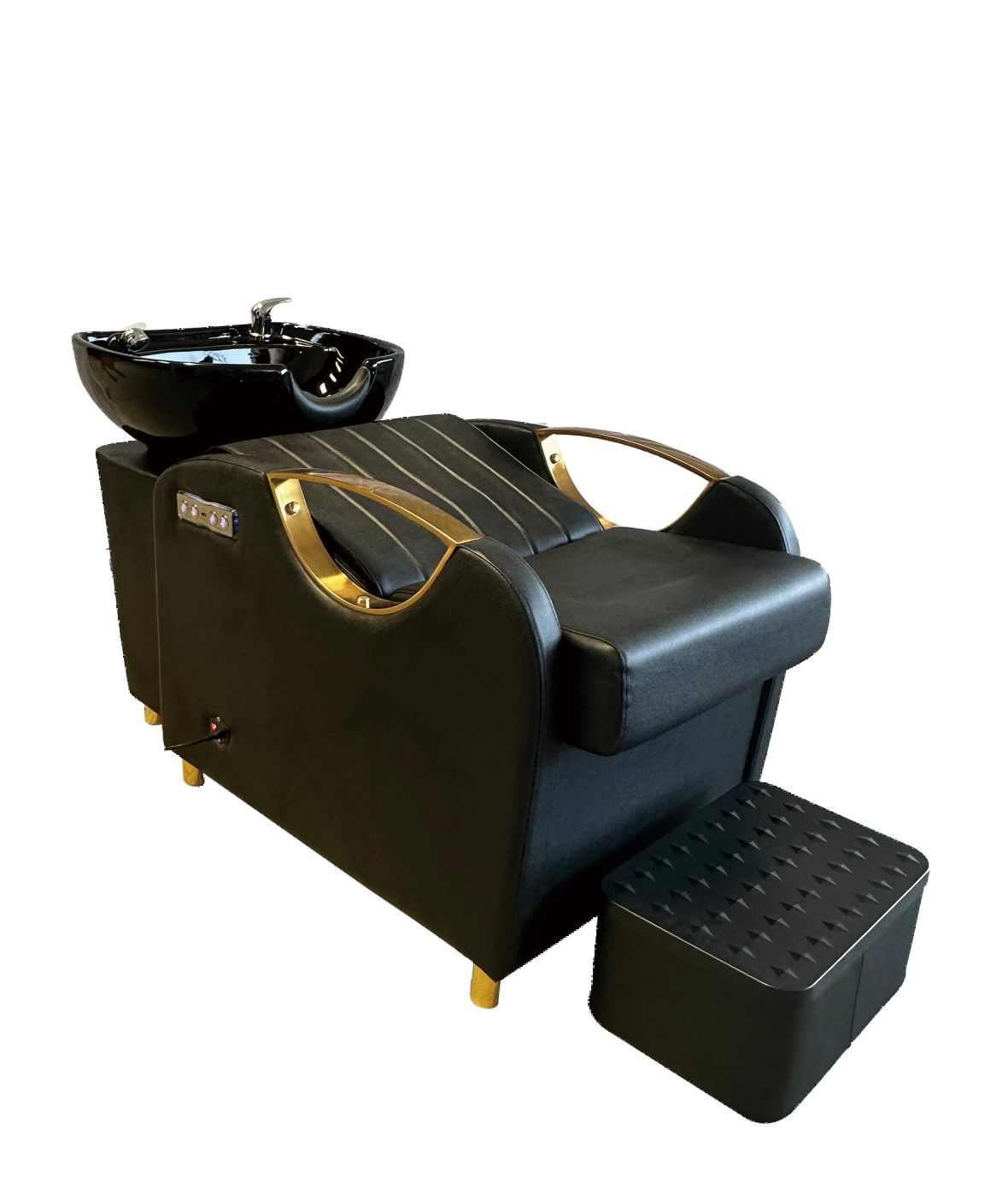
Hair washing bed 2378

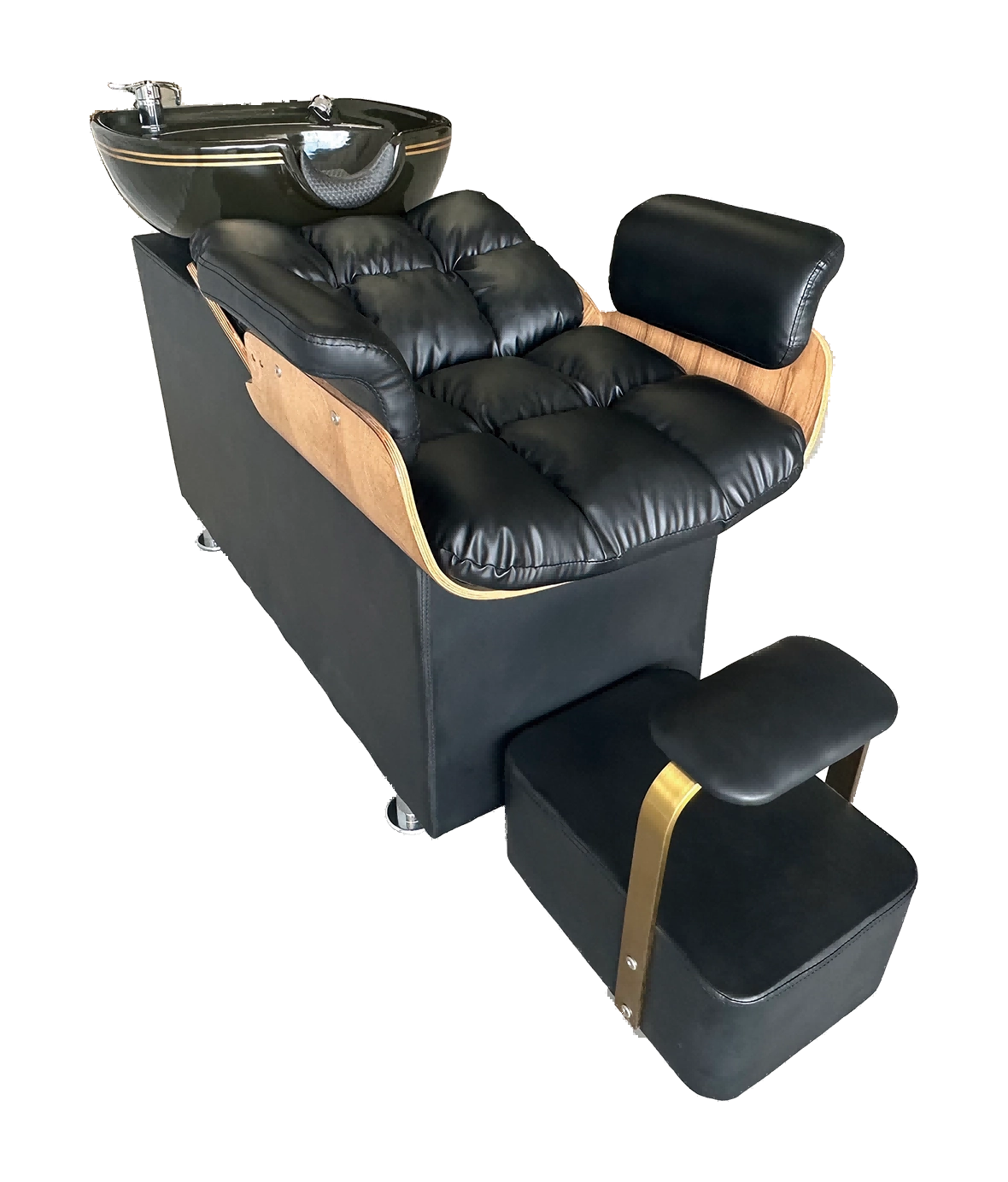
Hair Wash Station 2392-B

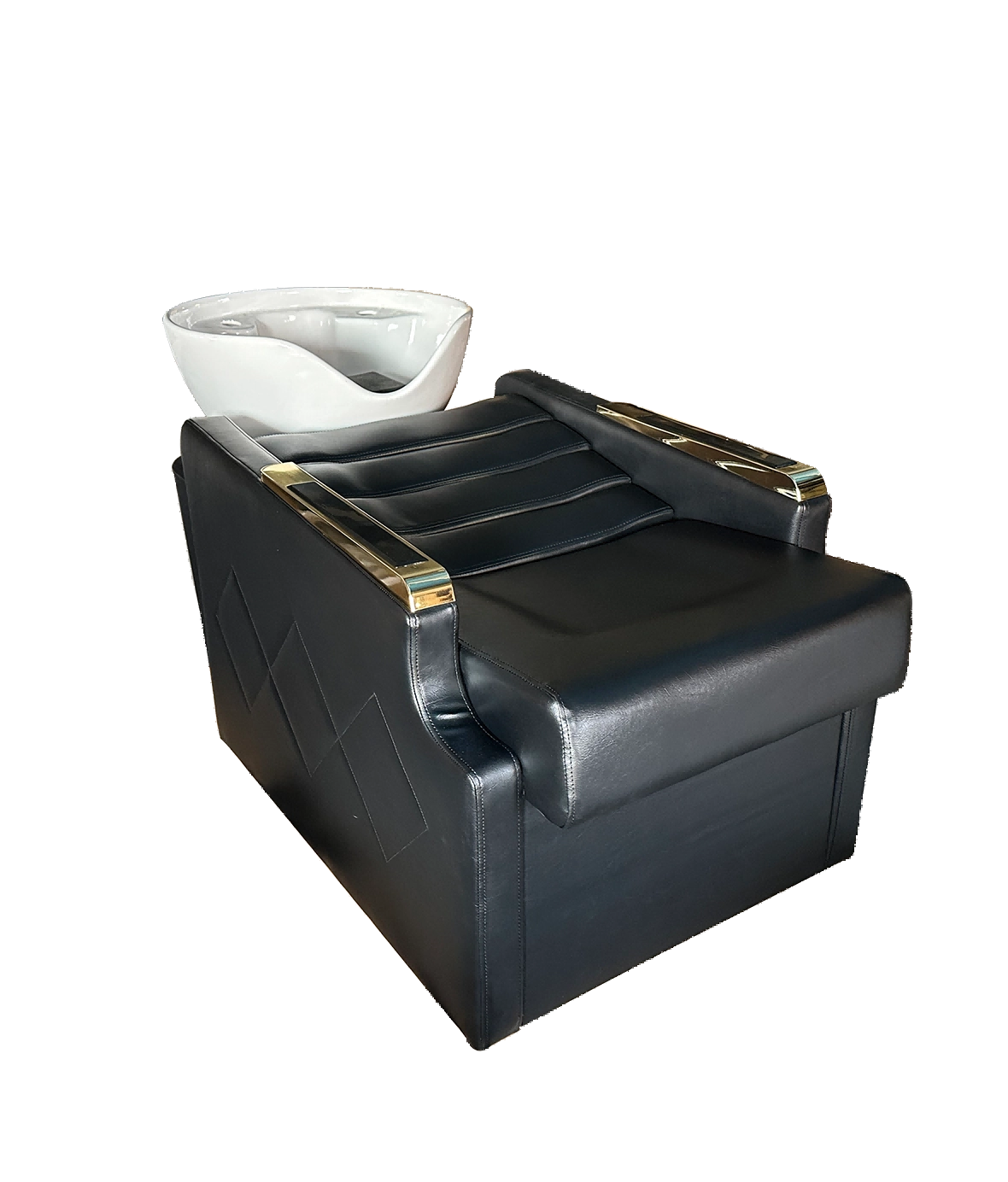
Hair washing bed 2319
Hair washing bed 2523
Discuss Your Project with Expert Salon Furniture Manufacturers
Tell us what you need — we’ll get back to you with a fast quote and personalized OEM/ODM support.