
What Space-Saving Shampoo Chair Designs Suit Small Salons?
In the competitive landscape of urban salon management, every square inch must be monetized. Traditional shampoo units often consume excessive floor space due to rigid plumbing requirements and oversized reclining mechanisms. Modern salon furniture manufacturers are now pivoting toward modular and multi-functional designs that prioritize a compact footprint. By selecting equipment with integrated vacuum breakers and internal plumbing shrouds, salon owners can place units closer to walls, reclaiming vital walkway space. Understanding the technical nuances of bowl tilt-angles and chassis depth is essential for creating a high-end experience in a restricted environment.
How do integrated plumbing systems reduce the total footprint?
Standard units often require a significant clearance behind the chair to accommodate external pipes and trap assemblies. Advanced designs from leading manufacturers now feature internal plumbing manifolds. By housing the P-trap and supply lines within the pedestal of the shampoo chair, the unit can be installed flush against the wall. This design choice typically saves between 8 to 12 inches of depth per station, allowing for additional styling chairs or improved traffic flow in narrow layouts.
Are backwash units more space-efficient than side-wash models?
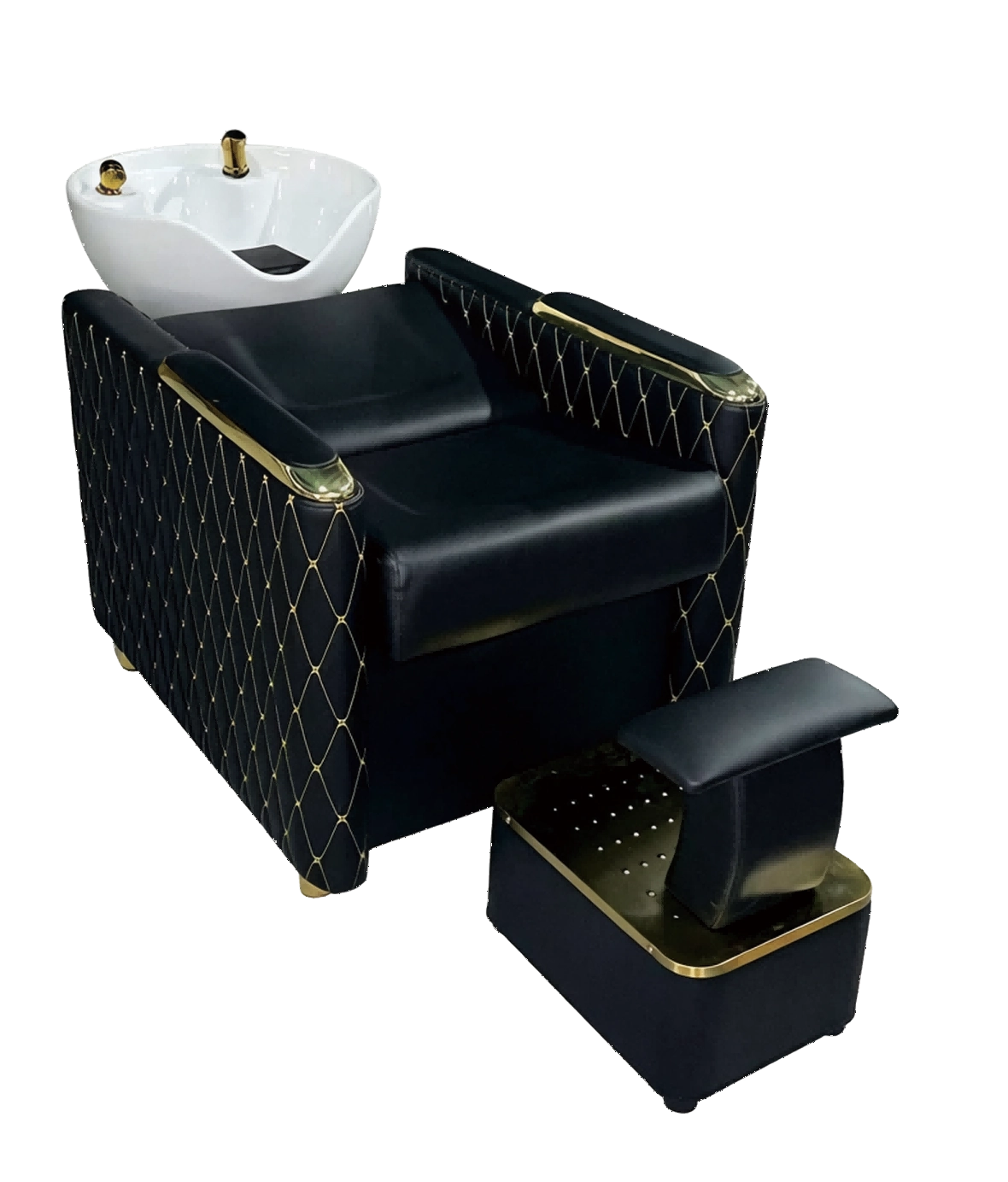
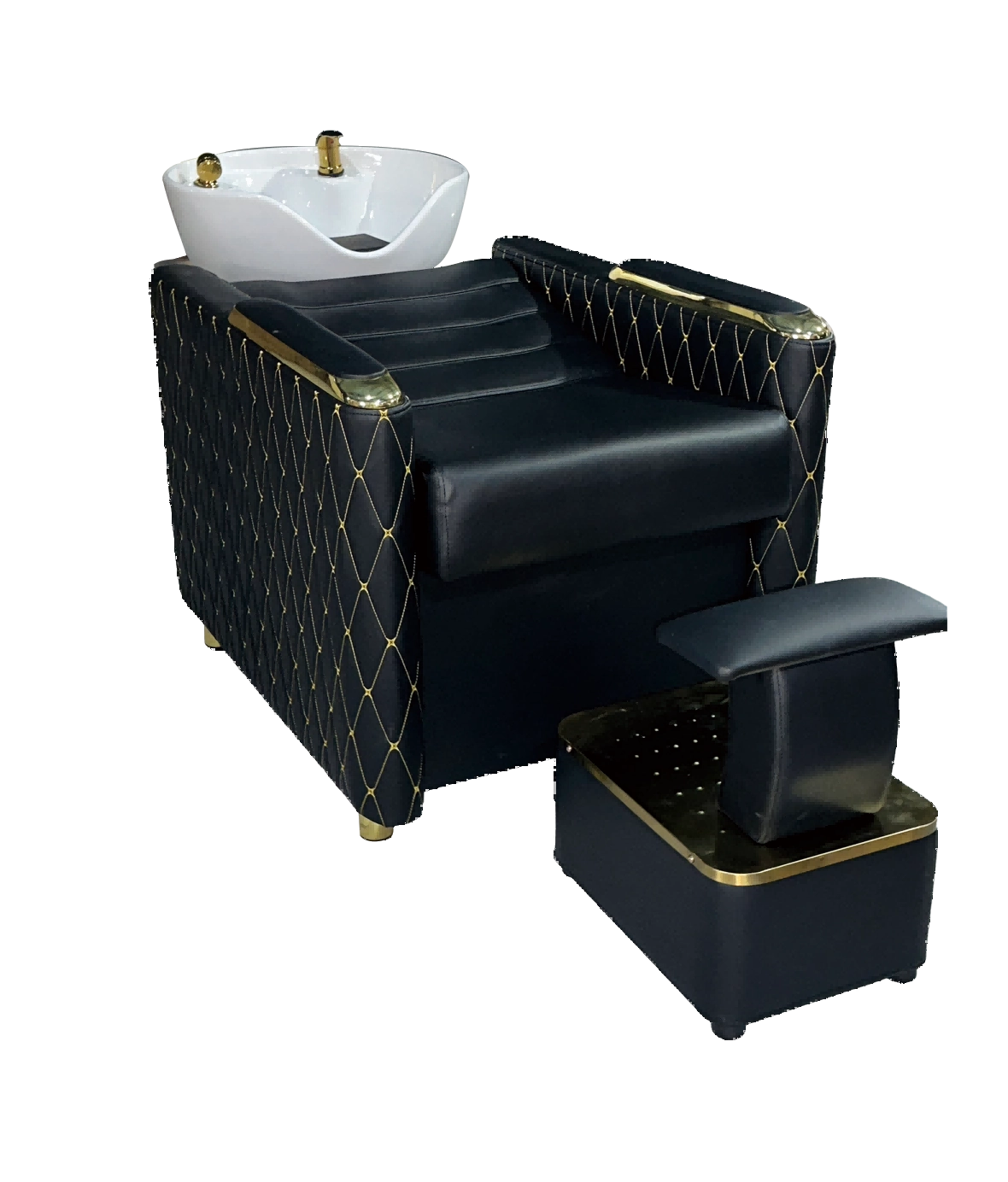
The industry consensus is shifting toward compact backwash units for small spaces. While side-wash designs were once thought to be flexible, they often require wider aisles for the stylist to maneuver. A streamlined backwash shampoo chair allows the technician to work from a fixed position behind the bowl, narrowing the required operational zone. Modern backwash systems with a vertical lift mechanism rather than a deep recline further minimize the longitudinal space needed during the service.
Can pivoting bowls improve ergonomics in tight salon corners?
Pivoting or tilting porcelain bowls are a game-changer for non-traditional salon layouts. In small salons, chairs are often placed in corners or near structural pillars. A bowl that rotates or tilts independently of the chair frame allows the stylist to adjust the workspace to the client's height and position without moving the entire heavy base. This flexibility ensures that the shampoo chair remains functional even when placed in architectural dead zones that would otherwise be unusable.
What role does the leg rest design play in space?
Manual or electric footrests that extend outward can block walkways in a busy salon. For small spaces, the most effective design is the integrated stationary footrest or a tuck-away ottoman. Some high-end models utilize a synchronized reclining movement where the seat slides forward as the back tilts, keeping the overall length of the unit consistent. This prevents the chair from encroaching into the stylist's path when fully deployed, maintaining a safe and professional environment.
Why is the chassis width critical for multi-station layouts?
Many salon owners overlook the external width of the armrests when planning their floor map. Selecting a shampoo chair with a slim-profile chassis—typically under 26 inches—allows for the installation of more units in a row. Professional manufacturers achieve this by using high-density molded foam and reinforced steel internal frames, providing the same interior seating width for client comfort while reducing the exterior bulk that creates visual and physical clutter.
Do wall-mounted bowls offer better value than floor units?
Wall-mounted bowls paired with separate mobile chairs offer the ultimate in space flexibility, but they require reinforced wall blocking and specific plumbing heights. For most small salons, a compact all-in-one pedestal unit is more cost-effective and easier to maintain. These self-contained units provide better stability and integrated drainage, which reduces the risk of leaks and long-term floor damage, making them a more reliable investment for high-traffic B2B environments.
At Senkelly, we leverage over a decade of manufacturing expertise to engineer salon furniture that balances aesthetic elegance with rigorous spatial efficiency. Our commitment to using High Quality materials and innovative mechanical designs ensures that even the most compact salon can provide a luxury experience. We understand the technical challenges of modern salon layouts and provide solutions that maximize both durability and floor utility.
Contact us today for a professional consultation and a customized quote at www.senkelly.com or via email at jinhechair@outlook.com.
Frequently Asked Questions
How do integrated plumbing systems reduce the total footprint?
By housing the P-trap and supply lines within the pedestal of the chair, units can be installed flush against the wall, saving 8 to 12 inches of depth compared to external plumbing setups.
Are backwash units more space-efficient than side-wash models?
Yes, compact backwash units allow stylists to work from a fixed position, reducing the need for wide aisles and minimizing the operational zone required for the service.
Can pivoting bowls improve ergonomics in tight salon corners?
Pivoting bowls allow the stylist to adjust the workspace without moving the chair base, making it possible to utilize corner spaces or areas near pillars effectively.
What role does the leg rest design play in space?
Integrated or synchronized leg rests prevent the chair from encroaching into walkways when reclined, keeping the unit's footprint consistent and the salon floor clear.
Why is the chassis width critical for multi-station layouts?
Slim-profile chassis designs (under 26 inches) allow salon owners to fit more stations into a single row without sacrificing client comfort, maximizing revenue per square foot.
Do wall-mounted bowls offer better value than floor units?
While wall-mounted bowls offer flexibility, compact all-in-one pedestal units are generally more stable, easier to install, and more cost-effective for high-traffic salons.
- How do integrated plumbing systems reduce the total footprint?
- Are backwash units more space-efficient than side-wash models?
- Can pivoting bowls improve ergonomics in tight salon corners?
- What role does the leg rest design play in space?
- Why is the chassis width critical for multi-station layouts?
- Do wall-mounted bowls offer better value than floor units?
- Frequently Asked Questions

Hair Wash Station 2398

Hair washing bed 2378

Hair Wash Station 2392-B

Hair washing bed 2319
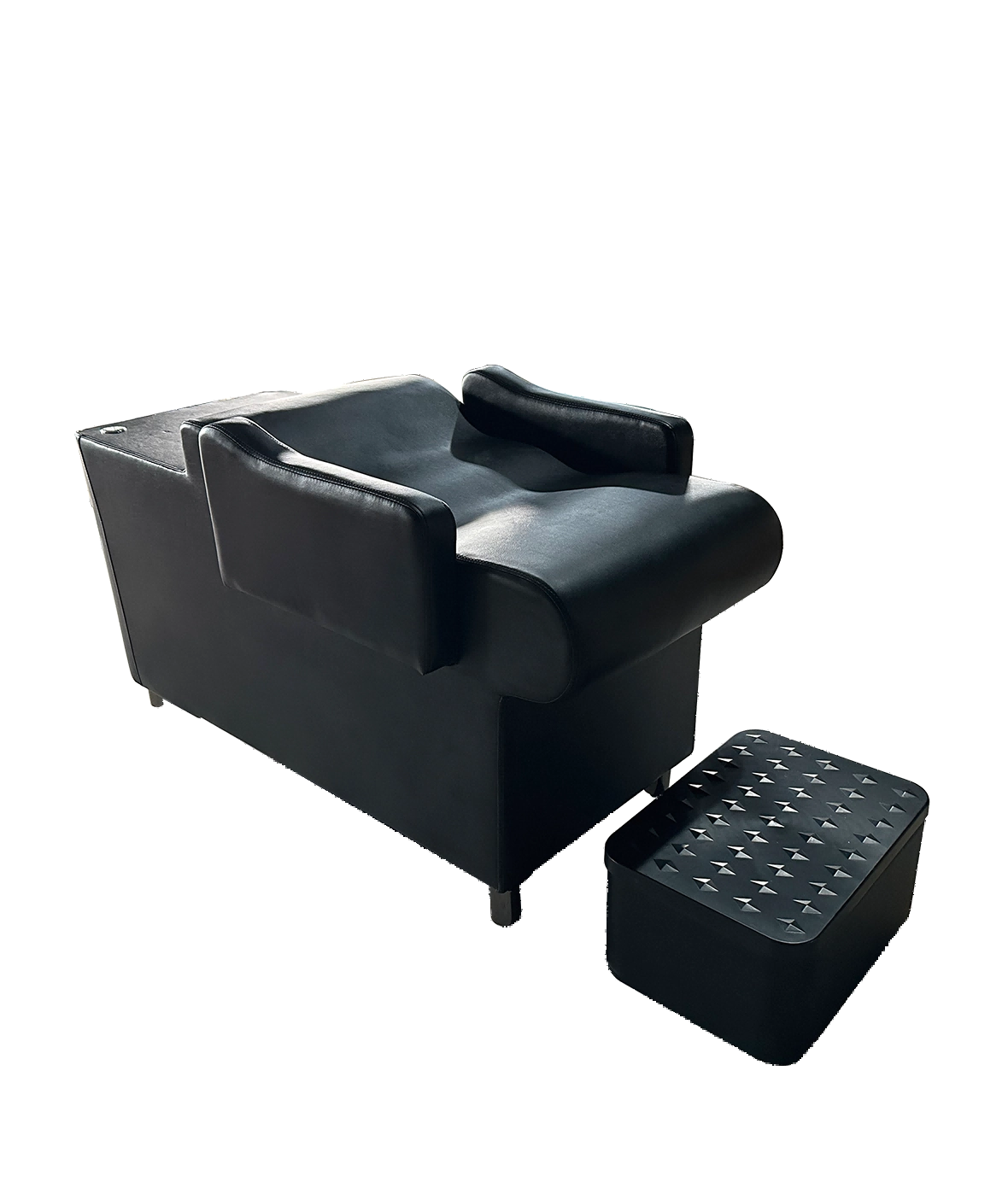
Hair washing bed 2523
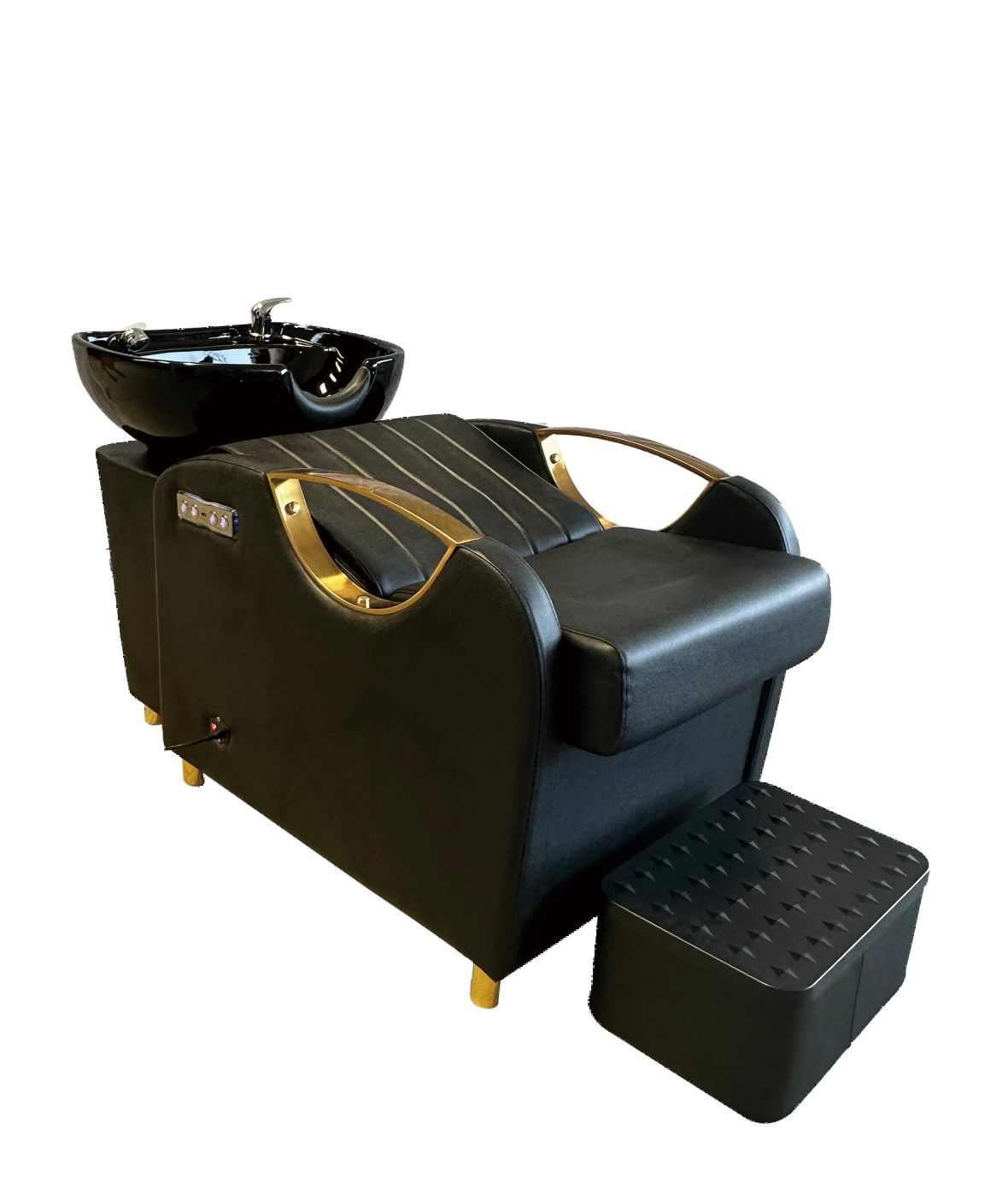
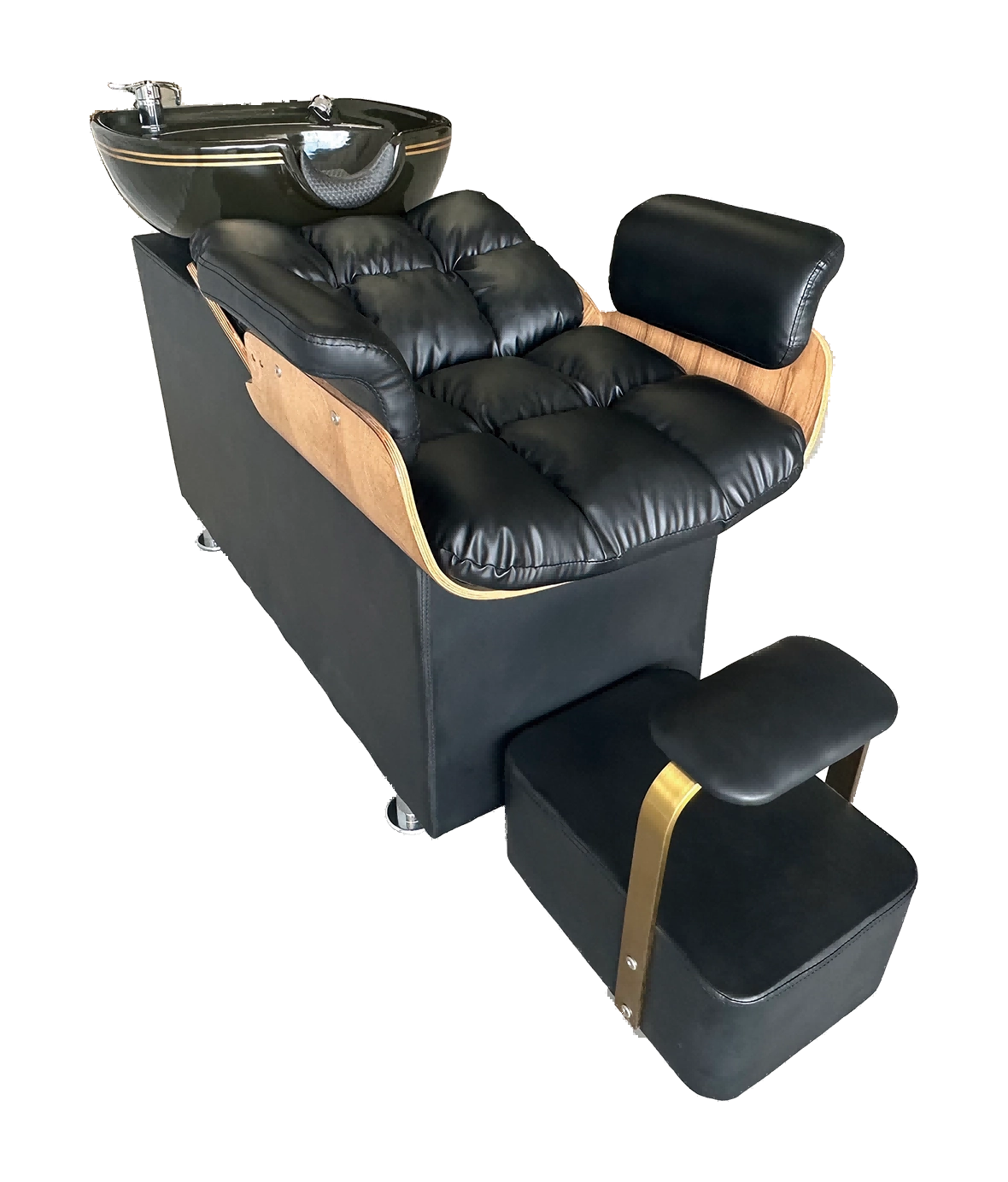
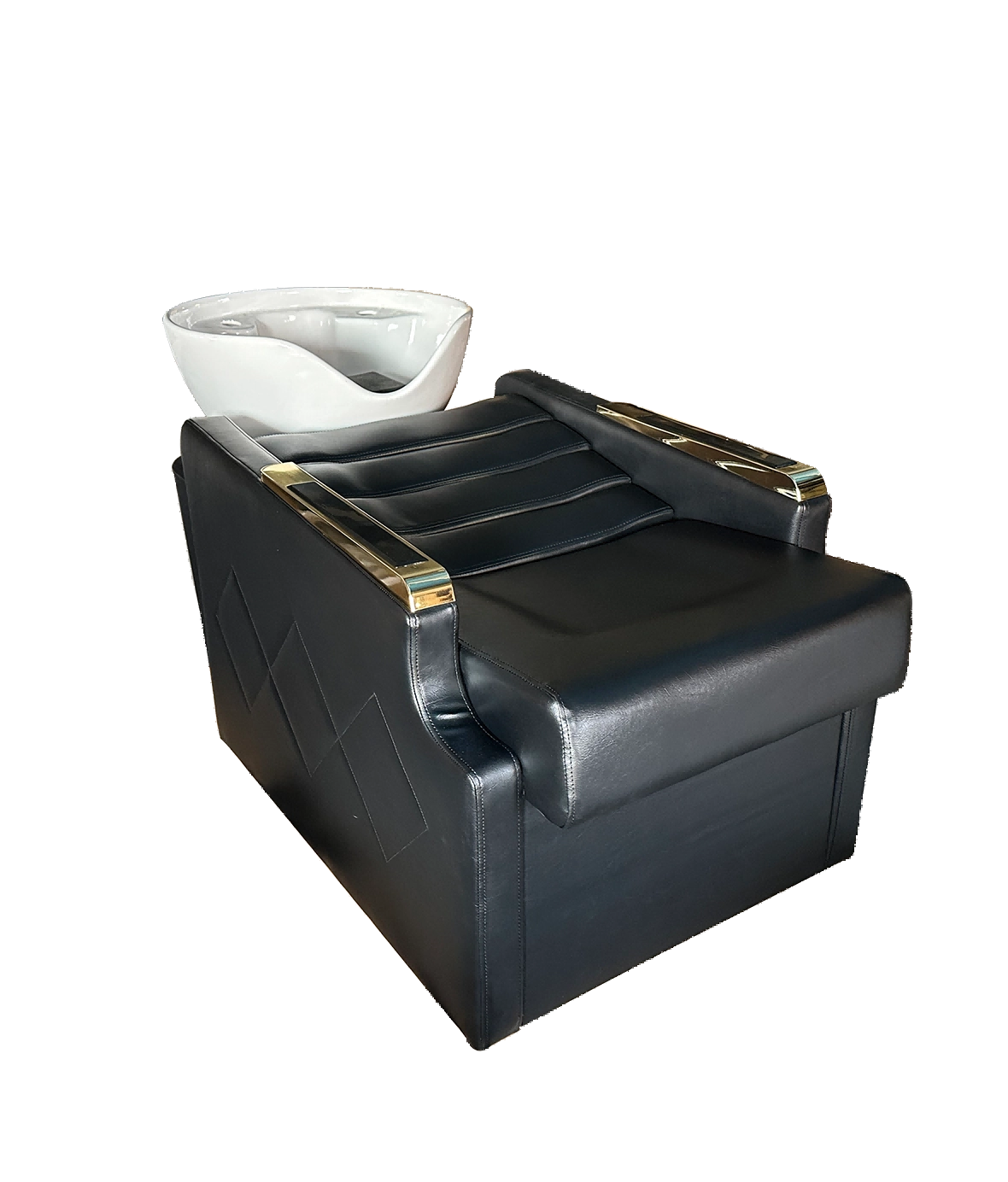
Discuss Your Project with Expert Salon Furniture Manufacturers
Tell us what you need — we’ll get back to you with a fast quote and personalized OEM/ODM support.