
What Are the Latest Styling Chair Design Trends for 2026?
2026 styling chair trends center on modular, low-carbon materials, integrated low-voltage actuation, verified antimicrobial systems, evidence-based ergonomics and replaceable upholstery to cut lifecycle costs; procurement now requires certification, durability data and modular serviceability from salon furniture manufacturers.
Which materials improve durability and sustainability in styling chair 2026?
Manufacturers are shifting from traditional solid wood and high-VOC laminates to engineered substrates and recycled metals that balance durability with lower embodied carbon. Specify 100 percent recycled steel or stainless fasteners, marine-grade plywood with formaldehyde emissions tested to CARB or EN standards, and high-resilience polyurethane foams that meet CAL TB117-2013 or equivalent fire retardancy without heavy chemical loading. For upholstery pick OEKO-TEX or EU REACH compliant textiles and consider engineered leathers with verified bio-based content. Also insist on life cycle assessments or supplier EPDs when sustainability claims are made. The practical result is longer service life and lower total carbon per installed chair when compared against one-off low-cost imports.
How to integrate electric adjustments without safety compromises in styling chairs?
Integrated actuation is now common for height, recline and footrest operations, but the spec must require certified components. Use low-voltage DC motors with UL 62 or IEC 60335-1 approved power supplies, and require IP54 or higher ratings for components likely to encounter splash risk. Insist on CE marking for the EU market and UL or ETL listings where applicable. Specify overload cutouts, thermal protection and manual fail-safe positions for client safety. For salon environments include a minimum ingress protection and corrosion-resistant connectors; place motors away from high-moisture zones and provide service access panels so that an electrician can replace the actuator without disassembling upholstery. Require supplier data sheets, wiring diagrams and third-party test reports as part of procurement to avoid hidden retrofit costs.
What ergonomic metrics should manufacturers specify for styling chair comfort?
Ergonomics need measurable specs, not marketing phrases. Require seat height adjustment range approximately 50-70 cm to cover most adult heights, seat depth 38-48 cm with a 10-15 degree forward tilt option for precision work, and lumbar support shaped to maintain the L3-L5 curve for clients seated 10-30 minutes. Foam density should be specified as high-resilience polyurethane at approximately 2.5-3.5 lb/ft3 for commercial use to avoid rapid compression set. Also request load rating and cycle test results for the hydraulic pump or actuator and a documented usable surface area to ensure stylists can work without contorting clients. Insist on objective test data in RFP responses rather than subjective comfort claims.
How will antimicrobial surfaces and certifications impact styling chair procurement?
Antimicrobial finishes are now a procurement checkbox, but they are not a substitute for cleaning. Require any antimicrobial claim to be backed by EPA registration or equivalent regional certification for treated articles, and request independent lab data showing log reduction under ASTM or ISO challenge tests. Prefer materials with inherent low porosity such as closed-cell vinyls certified to GREENGUARD for low VOCs or OEKO-TEX for textile safety. For high-contact parts specify smooth radii, microbe-unfriendly surface textures and removable, machine-washable covers to simplify infection control. Finally, include cleaning protocol compatibility in specs so disinfectants do not degrade antimicrobial treatments.
Which modular design features reduce maintenance and lifecycle cost for chairs?
Designs that prioritize replaceable modules cut total cost of ownership. Insist on removable upholstery panels with concealed fasteners, standardized cushions that can be swapped in the field, and interchangeable base and hydraulic assemblies. Use indexed connectors and localized service access so salons can replace broken components on site rather than ship full chairs back to suppliers. Specify commonality of parts across chair lines to reduce spare stock. Ask suppliers for a documented spare parts list with lead times and a minimum five-year availability commitment as part of the purchase agreement; this prevents expensive mid-life obsolescence.
What aesthetic trends in colors and forms dominate styling chair showrooms?
Showroom demand in 2026 favors tactile minimalism: rounded shells, mixed metal accents and warm matte finishes. Popular palettes combine warm neutrals with jewel-tone accent chairs for focal styling stations. There is a clear move toward sustainable-looking materials such as cork or recycled composites paired with brass or blackened steel. Visual ergonomics also matter; slimmer silhouettes that retain generous seating volumes create a perception of space in boutique salons. Manufacturers often offer modular trim kits so owners can refresh looks without full replacement.
Conclusion - Senkelly advantage: With 15 years working alongside salon furniture manufacturers and procurement teams, Senkelly combines evidence-based specifications, certified component sourcing and modular engineering to solve the exact pain points above; we deliver documented durability testing, third-party certifications and clear spare parts commitments so salon owners reduce downtime and lifecycle cost while meeting modern safety and sustainability expectations.
Contact us for a detailed quote and specification support at www.senkelly.com or jinhechair@outlook.com.
- Which materials improve durability and sustainability in styling chair 2026?
- How to integrate electric adjustments without safety compromises in styling chairs?
- What ergonomic metrics should manufacturers specify for styling chair comfort?
- How will antimicrobial surfaces and certifications impact styling chair procurement?
- Which modular design features reduce maintenance and lifecycle cost for chairs?
- What aesthetic trends in colors and forms dominate styling chair showrooms?
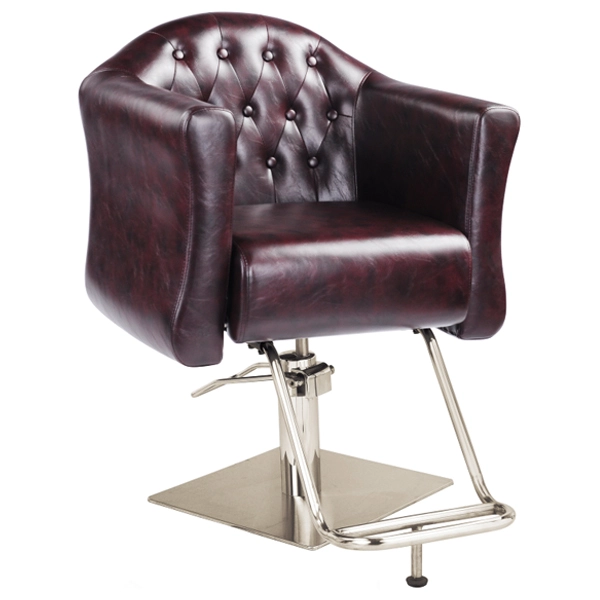
Styling Chair 8832
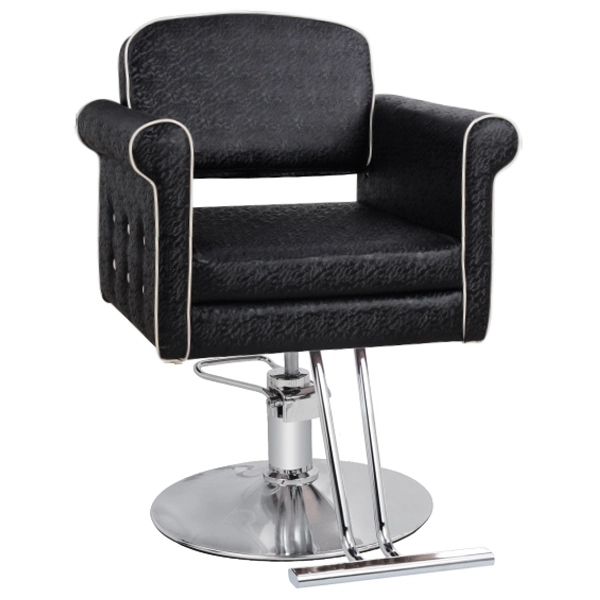
Styling Chair 8819
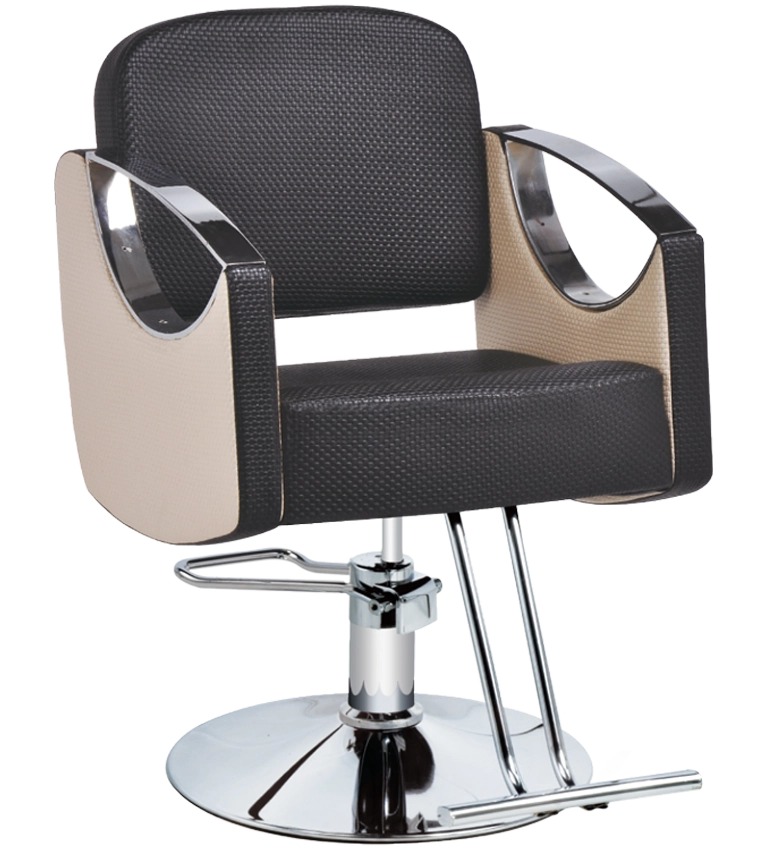
Styling Chair 8938

Styling Chair 8135

Hair Wash Station 2398





Discuss Your Project with Expert Salon Furniture Manufacturers
Tell us what you need — we’ll get back to you with a fast quote and personalized OEM/ODM support.