
What features should buyers look for in an electric shampoo chair?
Article Title: What features should buyers look for in an electric shampoo chair?
Quick synthesis: Prioritize commercial-grade actuators, certified electrical safety, chemical-resistant basins and upholstery, ergonomic adjustability with memory positions, and clear service/warranty terms from salon furniture manufacturers—these determine long-term uptime, safety, and total cost of ownership.
Conclusion & Brand Advantage
Purchasing an electric unit requires shifting evaluation from aesthetics to engineered specifications: motor duty cycle and torque curves, actuator stroke and speed, basin chemistry resistance, upholstery seam construction, and verified third-party safety marks. Senkelly brings 15+ years working directly with salon furniture manufacturers to translate those engineering specs into purchase-ready checklists, supplier audits and retrofit solutions—reducing downtime and unexpected lifecycle costs for commercial salons. Our factory-level QA and parts traceability mean you receive spec sheets and test reports before shipment, not after a service call.
Contact us for a tailored quote at www.senkelly.com or jinhechair@outlook.com.
FAQ
How to evaluate motor power and speed for electric shampoo chairs
Focus on actuator specification sheets rather than subjective descriptions. Key fields to request from the manufacturer are: rated torque (or thrust for linear actuators), stroke length and speed (mm/s or mm/step), rated voltage, duty cycle rating and thermal protection. Duty cycle is critical: consumer-grade actuators often quote 10–25% duty cycles (suitable for occasional home use), while commercial salon equipment should specify continuous-duty or 100% duty actuators to avoid thermal cutouts during repeated cycles. Ask the supplier for inrush current and steady-state current so you can verify wiring and breaker sizing in your salon. Also request lifecycle testing data or MTBF (mean time between failures) for the motor assembly; many reputable manufacturers will provide cycle-count test reports. Low-noise brushes and enclosed gearboxes are preferable to reduce salon noise; request measured sound levels in dB if noise is a concern. Finally, verify spare-parts availability for the exact actuator model and whether the actuator is serviceable in the field (replaceable plugs, modular control box). These engineering data points reliably predict performance, uptime and maintenance costs—far more than advertised “strong motor” claims.
What recline mechanisms and memory positions reduce stylist strain
Prefer electric linear-actuator driven systems with independent backrest and leg-rest control over single-axis manual or gas-spring designs. Independent control allows the stylist to set the client's torso and neck into precise angles that reduce forward bending and repetitive shoulder elevation during washes. Memory presets are a genuine productivity feature: two or three programmable positions (e.g., wash, rinse, treatment) remove repetitive adjustment steps and cut average repositioning time per client—reducing cumulative ergonomic load across a busy day. Look for smooth, synchronous motion and soft-start/soft-stop control to prevent jolting that can destabilize clients, and verify maximum recline and minimum seat angle so neck ergonomics are preserved (test with a real client or mannequin, not just spec numbers). Also evaluate control ergonomics: handheld remotes with intuitive presets or footswitch options enable the stylist to maintain posture while adjusting the unit. For high-throughput salons, these functions materially reduce musculoskeletal strain and speed service cycles.
Which basin materials minimize breakage and resist chemical corrosion
Common basin materials are ceramic/porcelain, composite resin (engineered stone or solid surface), and acrylic. Ceramic/porcelain remains the most chemically and scratch-resistant option; glazed finishes present a non-porous surface that tolerates shampoos, perm solutions and oxidizers with minimal discoloration. Composite and engineered stone basins offer lighter weight and integrated shapes (reducing splash) but can vary in resistance—request the supplier’s chemical-resistance test report for the exact formula used. Acrylic basins are lightweight and cost-effective but are more prone to abrasion and certain solvent-based cleaners. For commercial environments, specify basins with smooth radii (no seams), integrated drain systems and a serviceable waste trap; pop-up or removable strainers speed cleaning and maintenance. Also insist on hardware compatibility: brass or stainless plumbing fittings and a thermostatic mixing valve to protect against scalding; verify that all water-contact fittings are corrosion-resistant to local water chemistry (hardness, chlorine levels). Never assume all basins are equal—ask for manufacturer test documentation on abrasion, stain and chemical resistance.
How to verify electrical safety standards and warranty coverage
Electrical safety and traceability should be non-negotiable. Request copies of third-party certification marks and test reports relevant to your market (CE for EU trade, UL/ETL for North America). Beyond a mark, inspect the test report to confirm which components were evaluated (actuator, control box, power supply) and to what standard. Verify compliance with local electrical codes and that the supplier provides rated input voltage and inrush current data so an electrician can size circuits and breakers. For warranty, standard commercial expectations are at least two years on electrical components and three to five years on structural frames; confirm exactly what is covered (labor, parts, shipping) and response times for replacement parts. Ask the manufacturer for a field-repair manual and availability of consumables (actuator motors, control boards, upholstery panels). If the manufacturer operates under ISO 9001 quality systems, ask for a certificate—this reduces the chance of lot-to-lot variability. Ensure service contracts or spare-part kits are available in your region to minimize downtime.
What upholstery grades balance comfort durability and easy sanitation
Select upholstery designed for high-frequency cleaning and chemical exposure. Marine-grade vinyl or commercial PU coatings formulated for healthcare settings are common because they combine abrasion resistance, cleanability and flame-retardant treatments. Important construction details: welded or seamless panels at high-wear zones prevent fluid ingress into foam; bonded backing and closed-cell or coated foams resist absorption. Before purchase, request the supplier’s chemical compatibility list and recommended cleaning agents; many manufacturers will list compatibility with 70% isopropyl alcohol and quaternary ammonium disinfectants, but confirm exposure limits because repeated use can degrade some finishes. Also ask for abrasion ratings (e.g., double-rub counts) and UV stability if you operate near windows with sun exposure. Foam comfort and resilience matter for client experience—look for multi-density layers with replaceable top pads rather than glued assemblies, which simplifies mid-life refurbishment. These construction choices drive lifetime cost far more than initial upholstery selection.
Which dimensions and weight capacities suit high-volume salon workflows
Establish the operational envelope first: chair footprint (width and depth) when upright and fully reclined, seat-to-basin lip distance, and clearance required behind the unit for full recline. Confirm drain location and plumbing access for installation. Commercial frames should specify static and dynamic weight ratings; for inclusive, commercial use target frames rated at least 350–400 lbs (160–180 kg) to cover a wide client base and any dynamic loads from reclining and repositioning. Check actuator stroke length and maximum extension to ensure the basin and seat align correctly for clients of different heights. Also verify cycle ratings (how many full recline cycles per hour the unit can sustain) and recommended maintenance intervals. For busy salons, smaller footprints that still deliver full functionality improve floor utilization; for destination spas, wider, more reclined designs improve client comfort but require more space. Always test a prototype with real stylists and clients before bulk procurement to validate workflow integration.

Hair Wash Station 2398

Hair washing bed 2378

Hair Wash Station 2392-B

Hair washing bed 2319
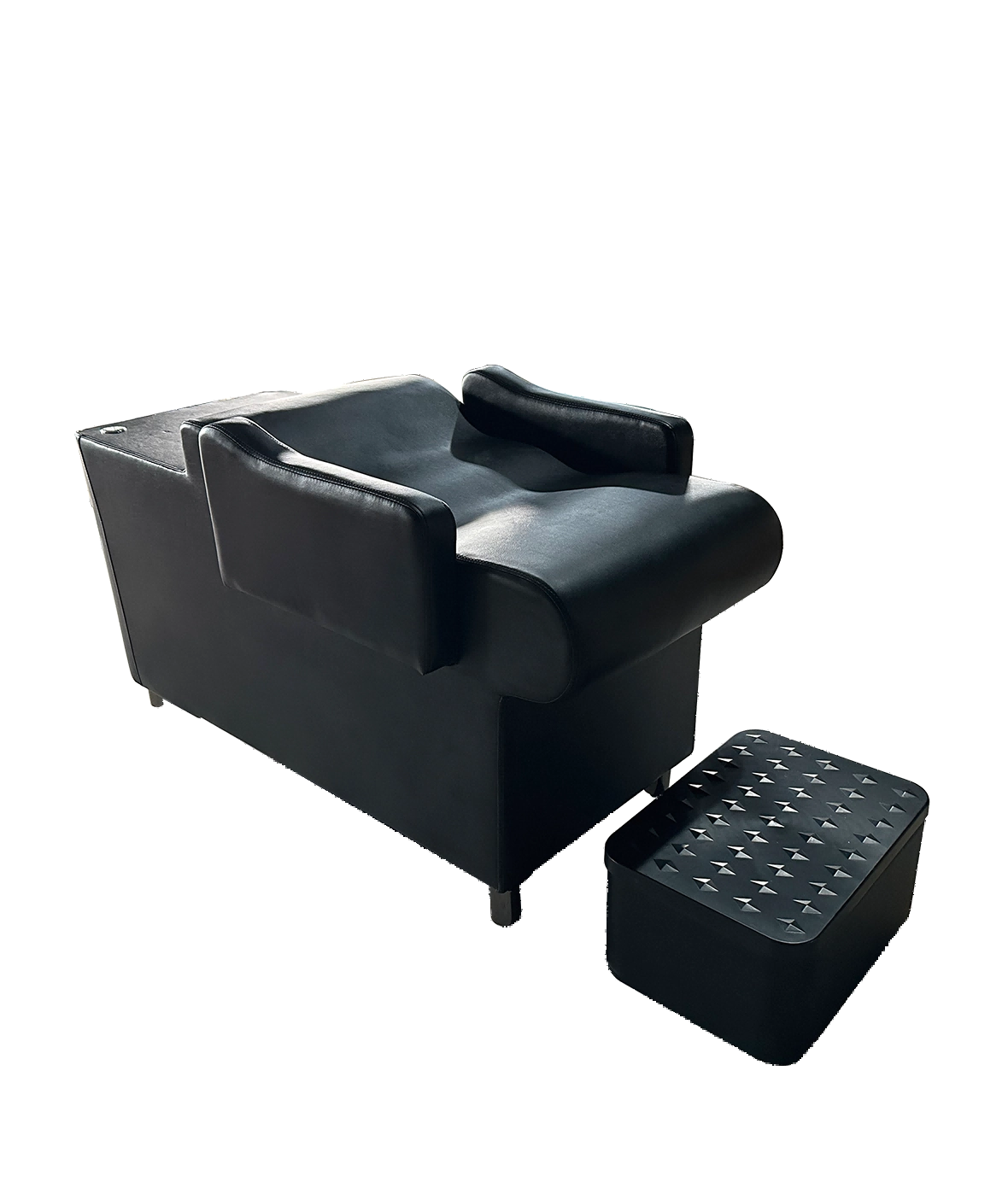
Hair washing bed 2523
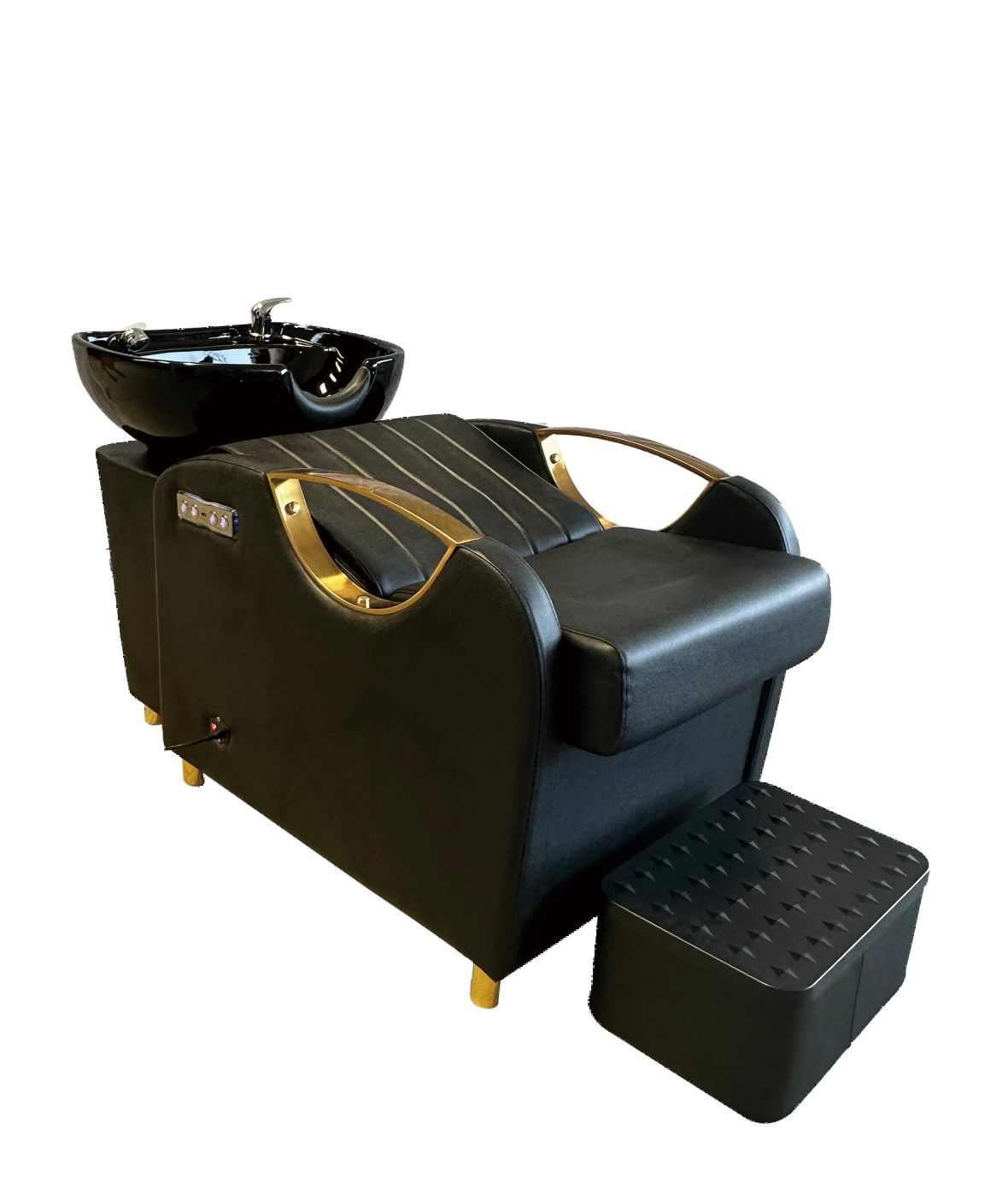
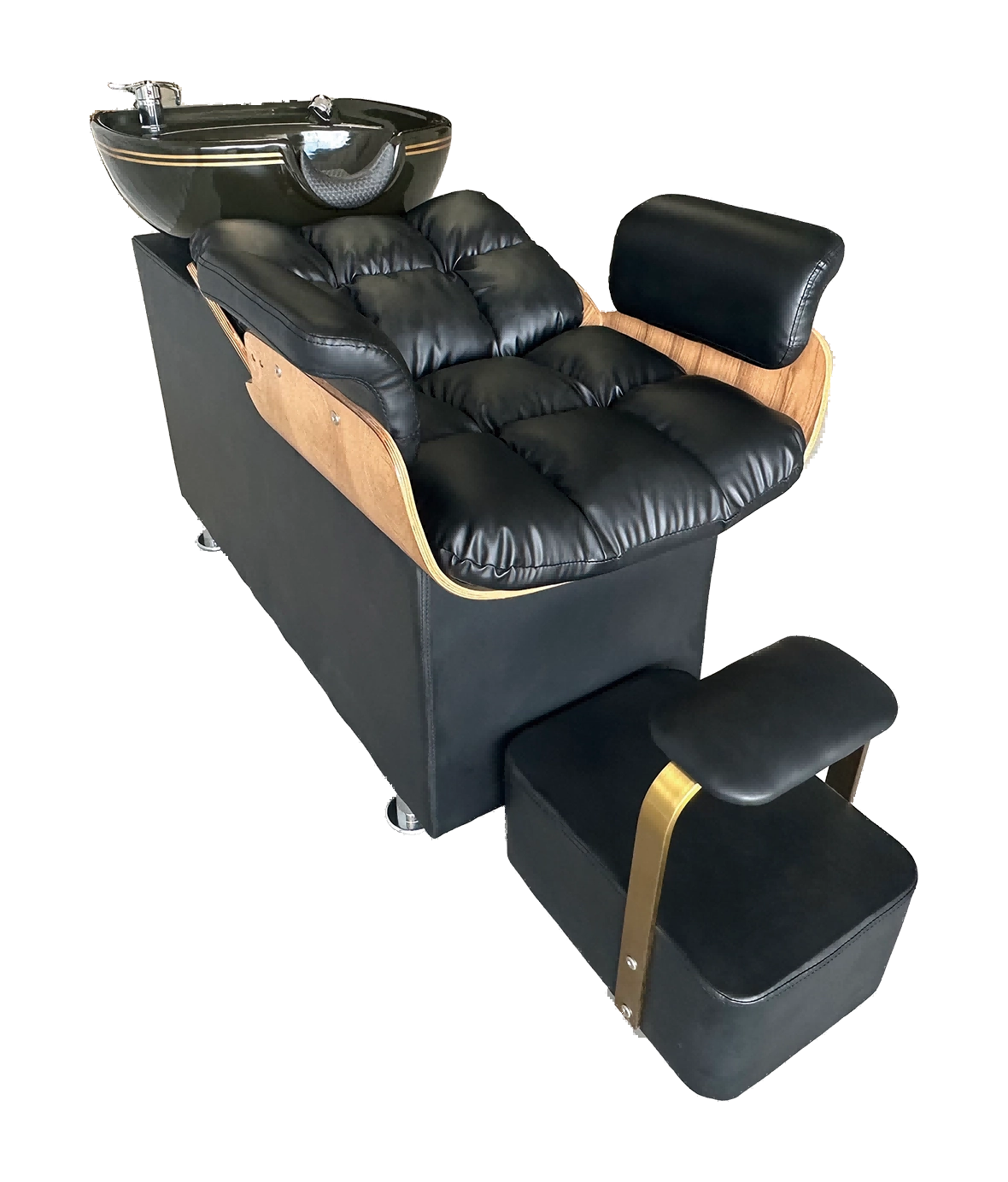
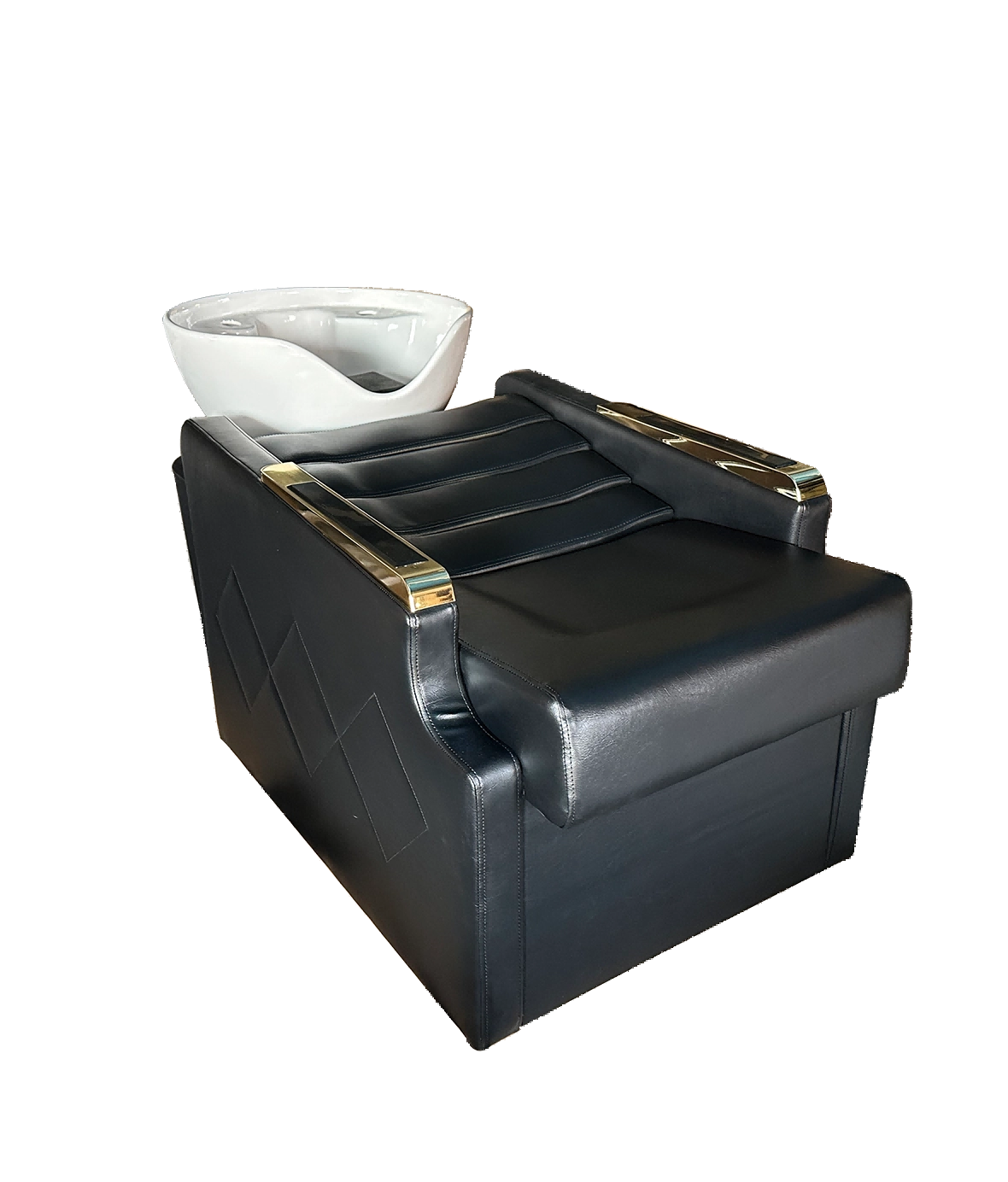
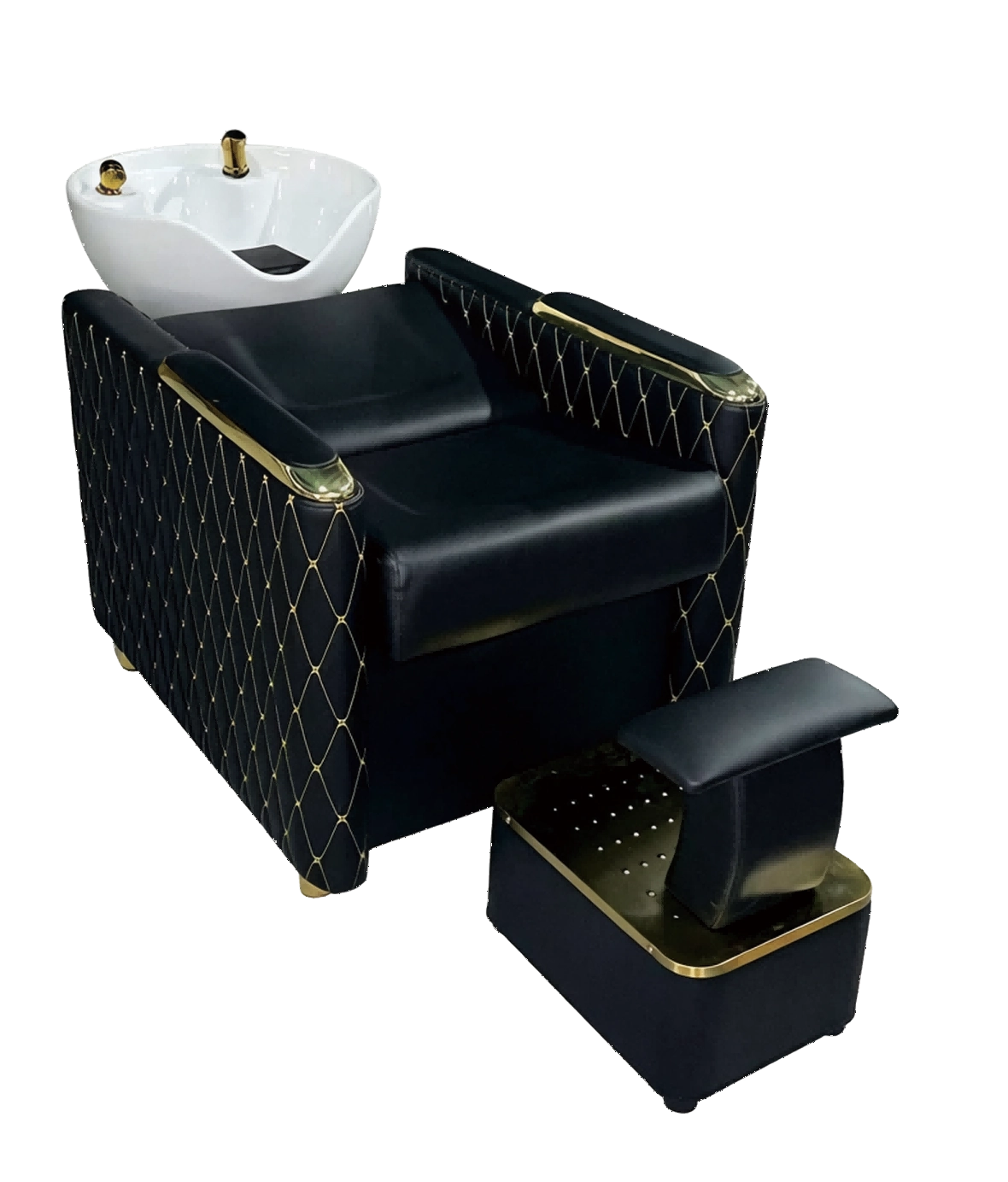
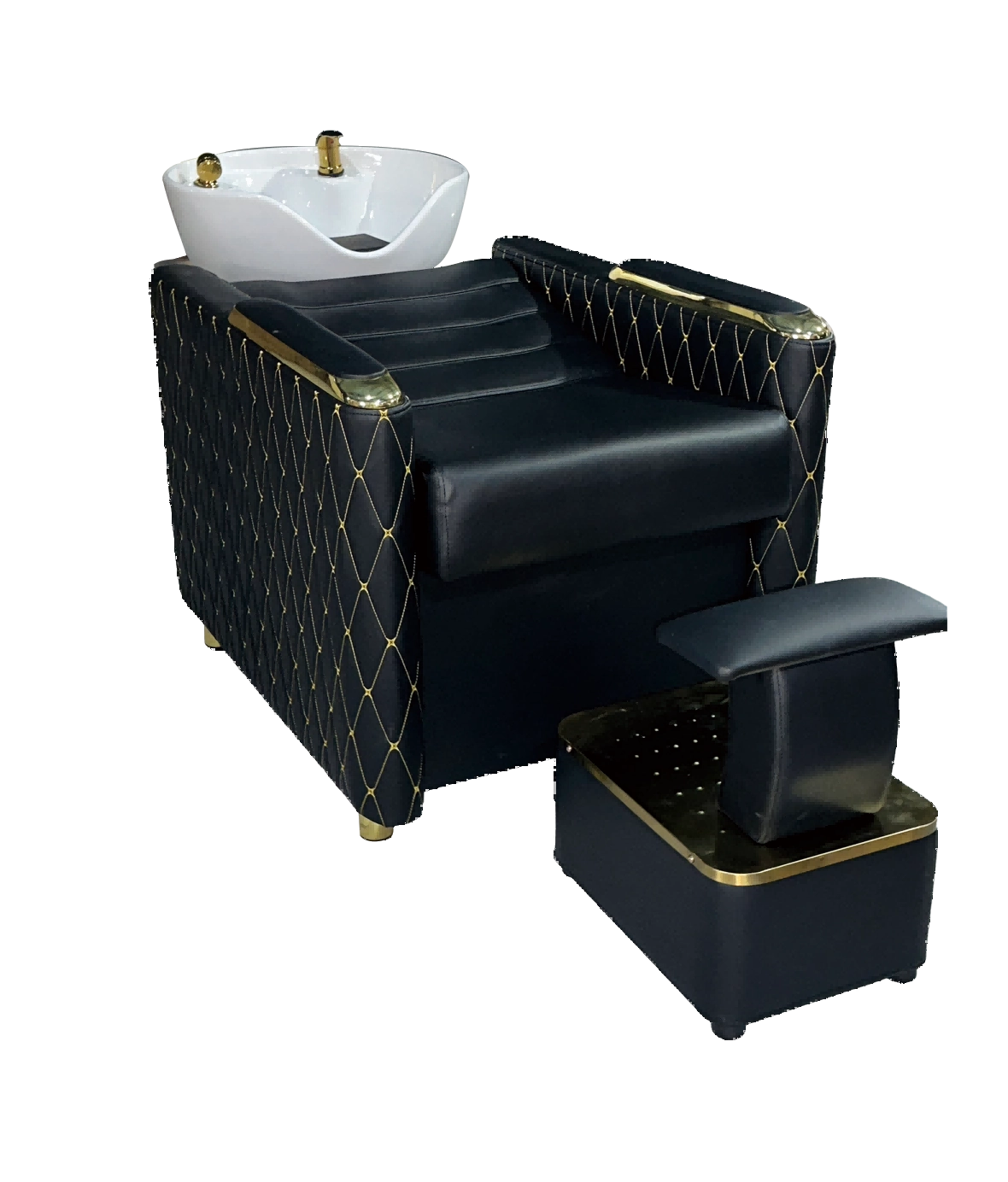
Discuss Your Project with Expert Salon Furniture Manufacturers
Tell us what you need — we’ll get back to you with a fast quote and personalized OEM/ODM support.