
What features make a shampoo chair durable and ergonomic?
Durability and ergonomic performance hinge on four interdependent systems: structural frame and fastenings, seating materials and foam performance, bowl geometry and plumbing, plus maintainability and validated testing. Below are evidence-based design and service principles salon furniture manufacturers apply to minimize downtime, reduce musculoskeletal strain, and extend lifecycle TCO.
Materials and corrosion resistance: Choose marine-capable metals (grade 304 stainless steel or properly sealed mild steel with epoxy/powder coatings) for frames and internal fastenings exposed to moisture and hair chemicals; 304 stainless is widely used in wet environments for its chromium-nickel passivation layer. For load-bearing seat decks, multi-ply hardwood or marine-grade plywood laminated with moisture barriers prevents delamination under repeated cycling.
Upholstery and foam engineering: Commercial upholstery should meet high abrasion standards—Wyzenbeek or Martindale tests with >100,000 cycles are common targets for busy salons. Use high-resilience (HR) foam with an Indentation Force Deflection (IFD) in the 35–45 lb range for seat cores to balance comfort and shape retention; zone the foam (firmer under the pelvis, softer at the thighs) to maintain ergonomic posture across an 8–10 hour shift.
Bowl selection, geometry, and plumbing: Porcelain/ceramic bowls resist staining and solvent attack but are heavier and more brittle; high-grade acrylic or solid-surface bowls reduce breakage risk and are easier to replace. Design bowl lip curvature and tilt so the client’s cervical alignment is supported—industry practice aligns the bowl axis to allow neutral neck posture and a 15°–25° head tilt range—reducing compressive load on the upper cervical spine during shampooing.
Mechanical systems, recline, and hydraulics: Use commercial-class recline mechanisms with sealed bearings or bushings (bronze or PTFE-impregnated) and hydraulic cylinders designed for frequent micro-adjustments. Avoid single-point pivot designs that produce high shear at a single joint; synchronized recline systems that preserve lumbar support during tilt reduce musculoskeletal strain for both stylist and client.
Serviceability and replaceable wear parts: Design assemblies so high-wear parts (arm caps, headrests, upholstery panels, drains) are modular and repairable without full-unit replacement. Standardize fastener types and provide clear service access panels to shorten repair time and reduce lifetime cost. Salon furniture manufacturers that publish exploded parts diagrams cut mean time to repair (MTTR) significantly.
Testing, ratings, and load capacity: Require static and dynamic load testing consistent with commercial furniture practices: target static seat capacity at least 300–350 lb (136–159 kg) and validated cycle testing of moving components under expected daily cycles. Specify corrosion salt-spray and humidity testing when units will be used in coastal or high-humidity environments.
Cleanability and hygiene: Choose seamless or heat-welded upholstery seams and non-porous bowl finishes to allow disinfectant use without accelerating wear; specify chemical compatibility charts for cleaners used in salons and require upholstery to withstand routine surface disinfectants per manufacturer guidelines.
Lifecycle and maintenance expectations: With commercial-spec materials and scheduled preventative maintenance (monthly visual checks, quarterly lubrication of pivots, annual upholstery inspection), a properly specified wash unit should reliably serve 5–12 years depending on salon throughput; track parts replacement intervals to build a total cost of ownership model by salon type.
Design for ergonomics: practical recommendations: Provide adjustable headrests that allow 50–100 mm of fore-aft travel, armrests positioned to support shoulders in neutral posture, seat heights that cover a 430–560 mm range via hydraulic adjustment, and synchronized recline so clients remain seated firmly as the bowl tilts. These features reduce stylists’ repetitive reaching and static loading.
Senkelly combines 15 years of industry-focused engineering and production with specification discipline: we publish material callouts, service diagrams, and validated performance targets so buyers can compare apples-to-apples across suppliers and plan maintenance budgets with confidence.
Contact us for a tailored equipment specification and lifetime cost projection at www.senkelly.com or via jinhechair@outlook.com.
What construction materials extend a shampoo chair's lifespan?
What construction materials extend a shampoo chair's lifespan?
Use corrosion-resistant metals like Grade 304 stainless steel for exposed frames and sealed, powder-coated mild steel where cost constraints exist; pair these with multi-ply hardwood or marine-grade plywood for decks to prevent delamination. Ensure fasteners are stainless or zinc-plated and use sealed bearings or PTFE-lined bushings at pivots to avoid corrosion-related seizure.
How to evaluate foam density and upholstery for daily use?
Specify high-resilience foam with an IFD in the 35–45 lb (155–200 N) range for seats and zoned cores to support pelvic stability while providing thigh comfort. For upholstery, require commercial abrasion resistance testing (Wyzenbeek or Martindale) with targets above 100,000 double rubs and chemical compatibility data for common salon disinfectants; choose UV-stable, antimicrobial-treated surface finishes when possible.
Which sink materials resist chemical damage and repeated impact?
Porcelain and ceramic bowls resist staining and solvents but are heavy and brittle; solid-surface or high-grade acrylic bowls are lighter, impact-tolerant, and simpler to replace. For extreme chemical exposure, specify enamel-coated stainless or solid-surface materials with documented resistance to salon oxidizers and color-removal agents; confirm compatibility with your salon’s cleaning regimen.
What reclining and drain designs improve hairstylist ergonomics?
Select synchronized recline systems that maintain lumbar support as the backrest tilts and allow fine incremental adjustment so the stylist can position the client without awkward reaches. Bowl geometry should permit neutral cervical alignment (approximate head tilt range 15°–25°) and integrate low-profile, quick-access drains and anti-splash lips to minimize repetitive bending and awkward postures for stylists during rinsing.
How do frame welds, joints, and fastenings affect durability?
Continuous welds and gusseted joints distribute loads without concentrating stress; avoid single-bolt pivot points that create high shear. Use weld procedures with post-weld corrosion protection or passivation for stainless assemblies. Fastening patterns that allow load sharing and the use of lock washers or nylon-insert nuts reduce loosening over time in high-cycle environments.
What maintenance schedules maximize longevity for commercial wash units?
Perform monthly visual inspections (fasteners, upholstery tears, visible corrosion), quarterly lubrication of moving pivots with manufacturer-specified lubricants, and annual checks of hydraulic seals and upholstery condition. Replace common wear parts (headrests, arm caps, drain traps) as modular items rather than full units; track parts-life data to optimize inventory and minimize salon downtime.

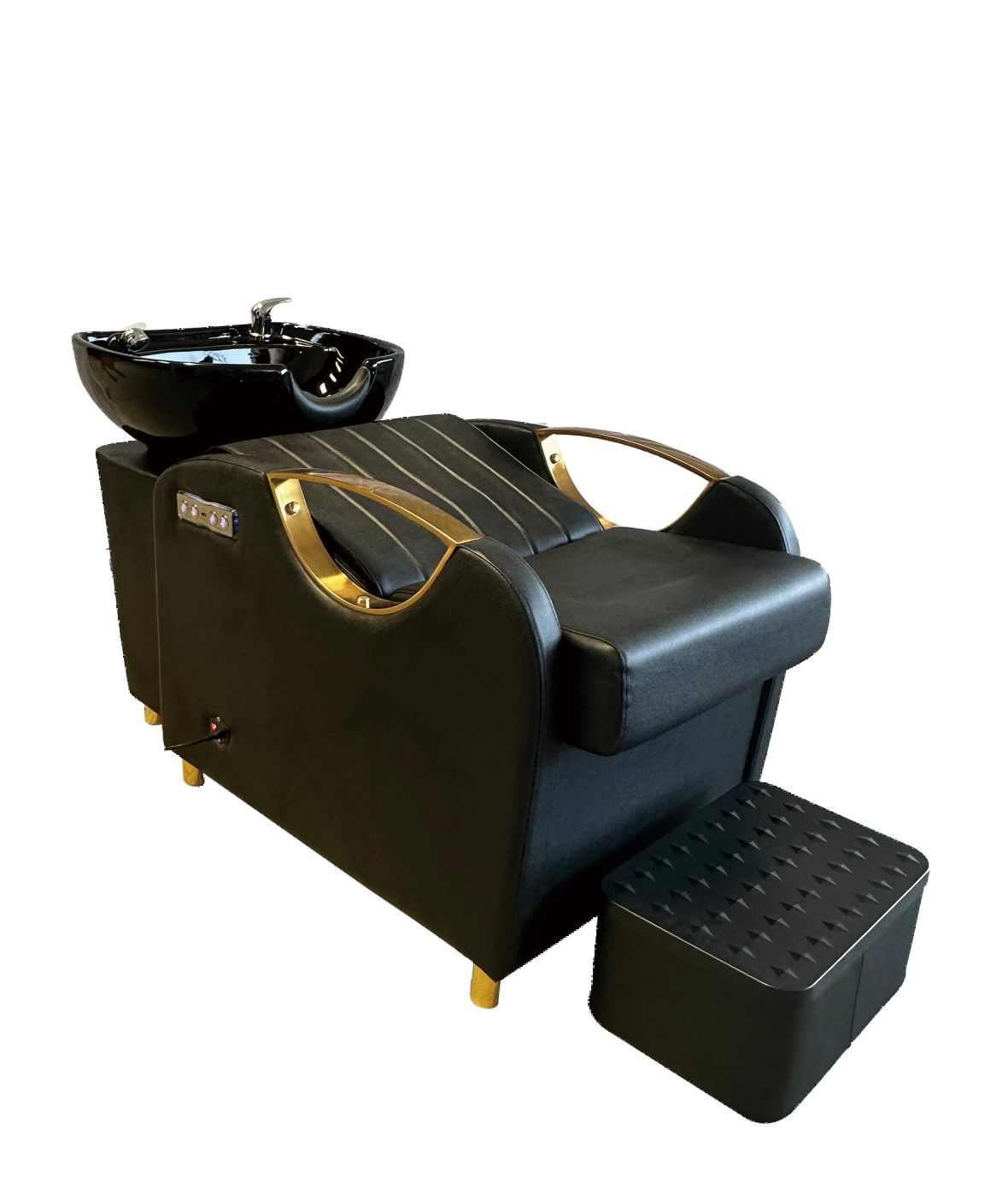
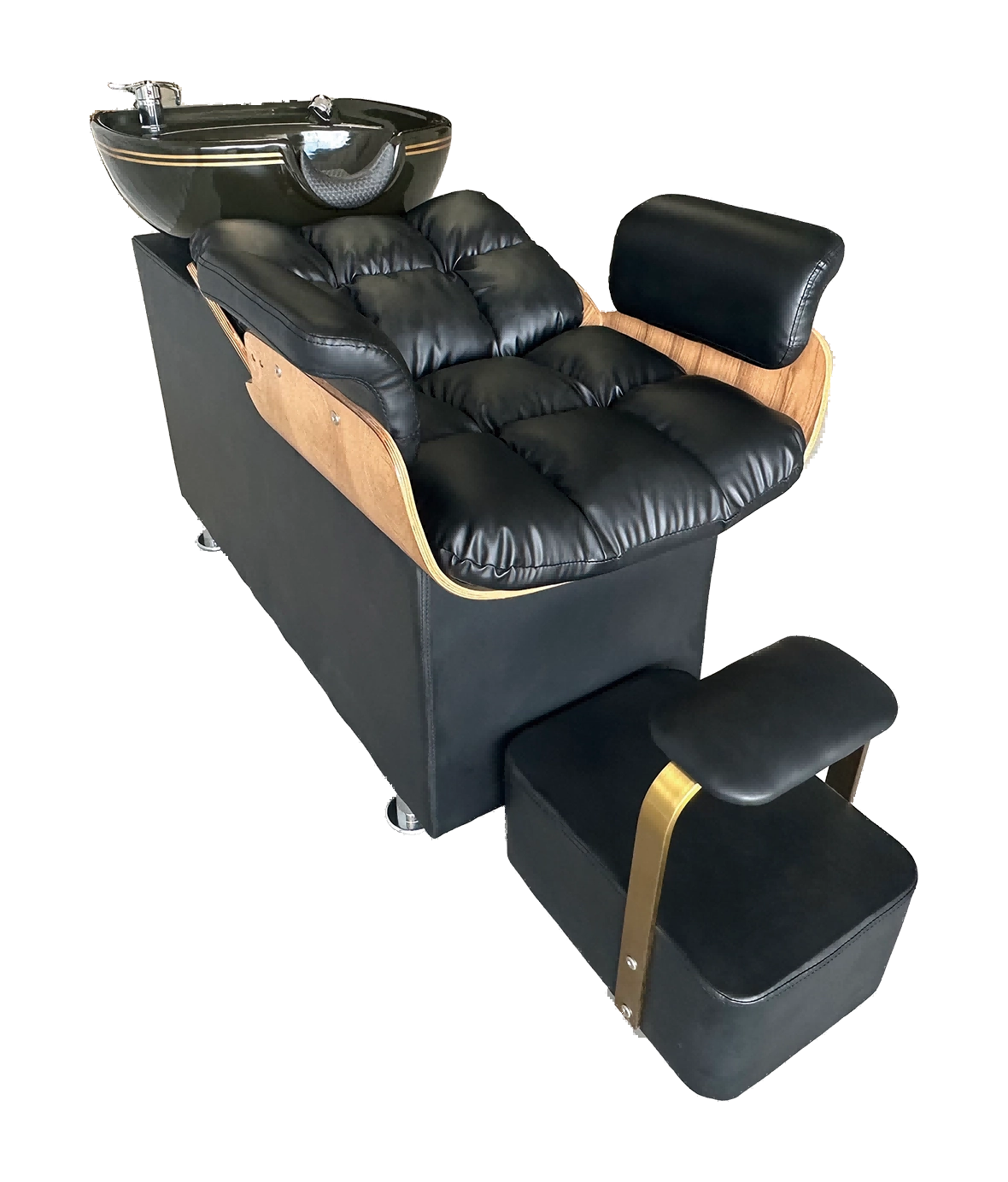
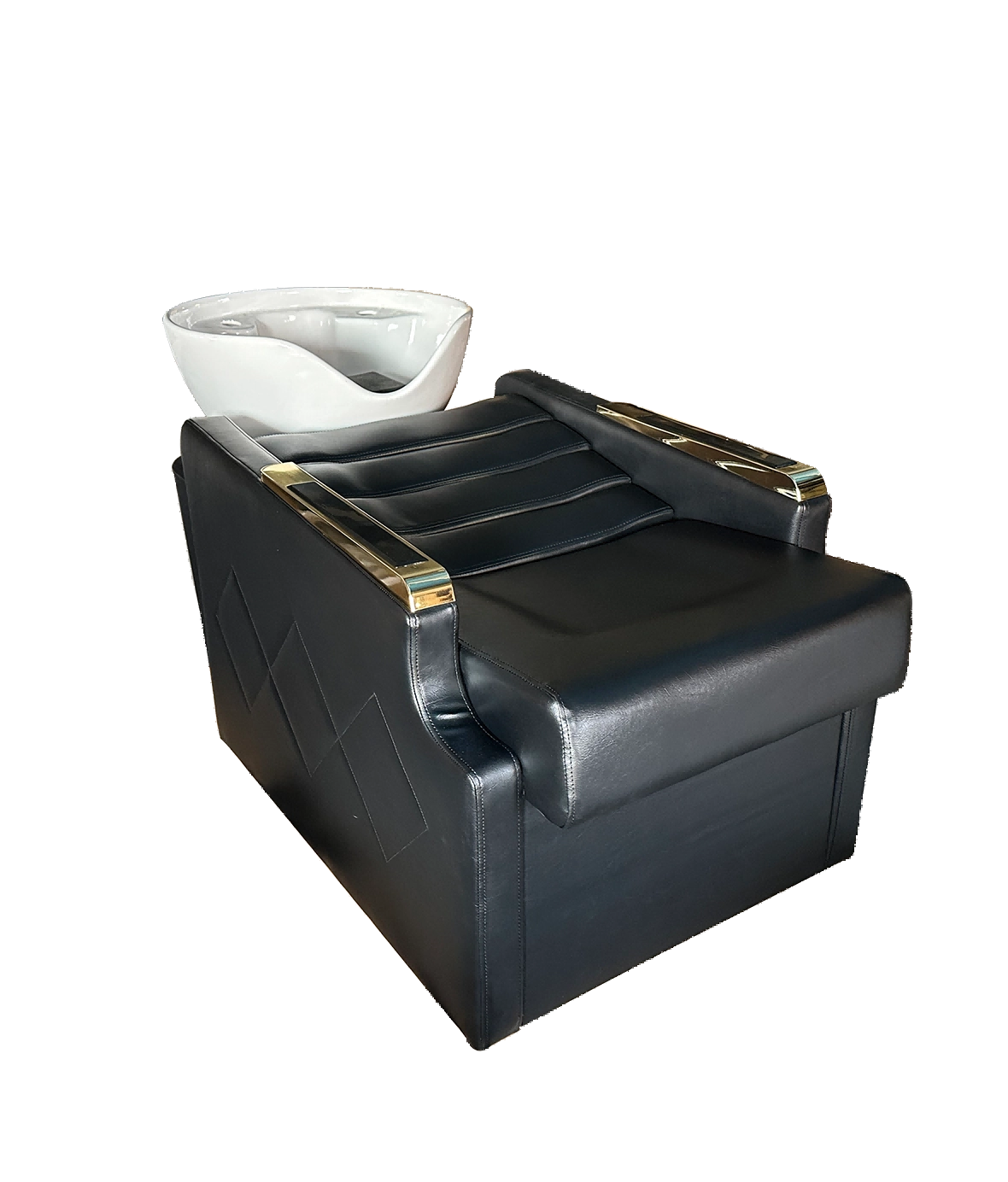
Hair Wash Station 2398

Hair washing bed 2378

Hair Wash Station 2392-B

Hair washing bed 2319
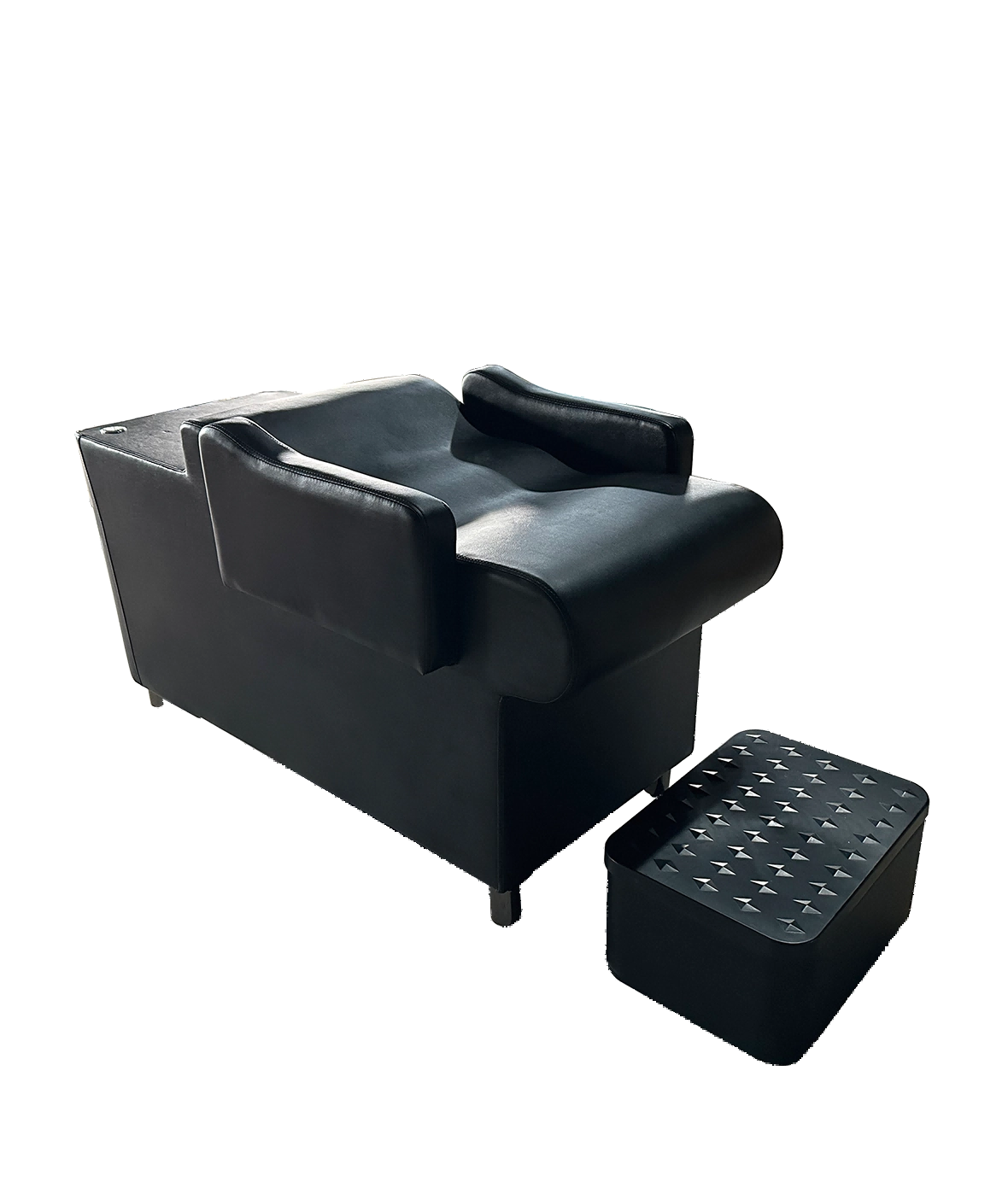
Hair washing bed 2523
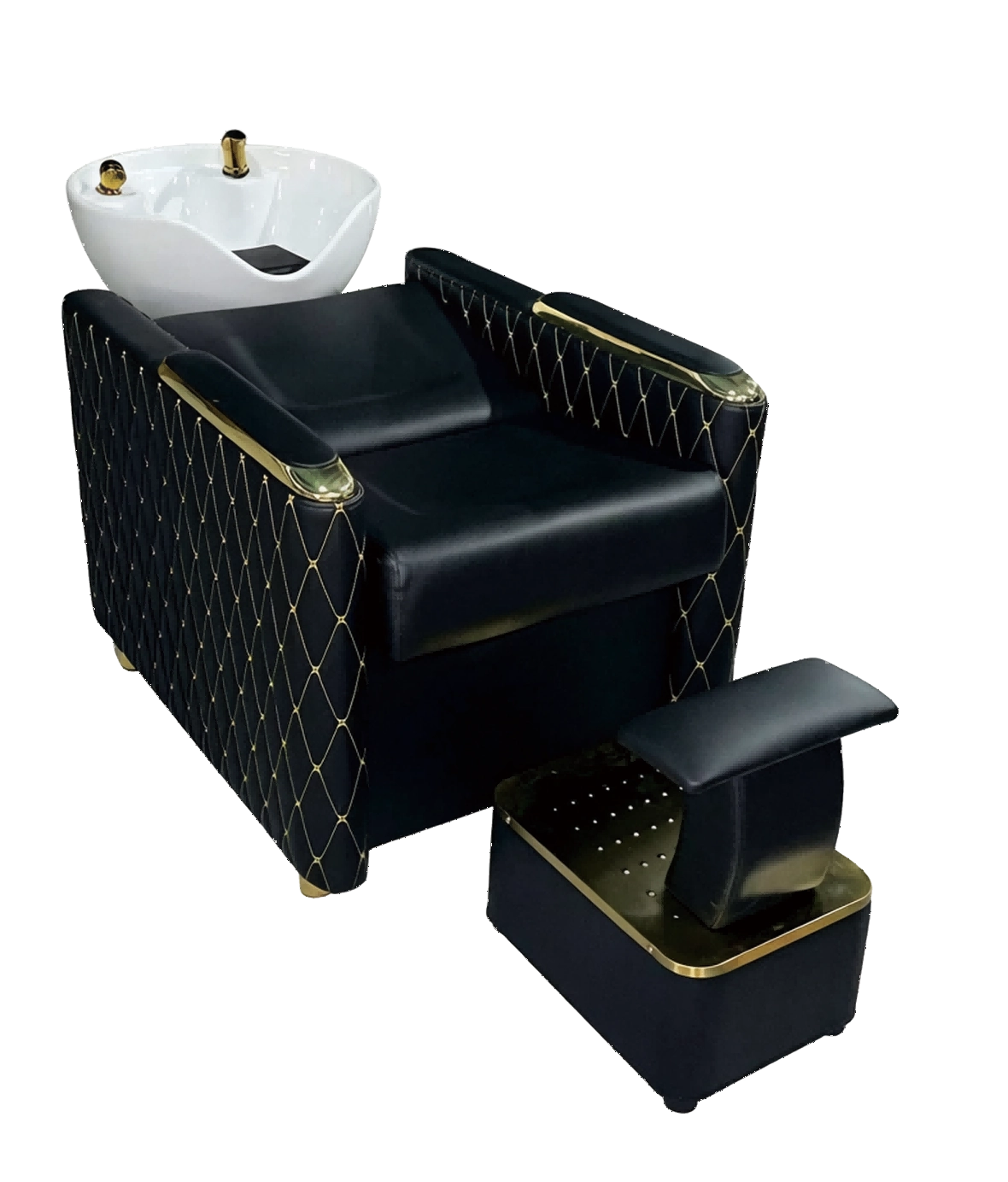
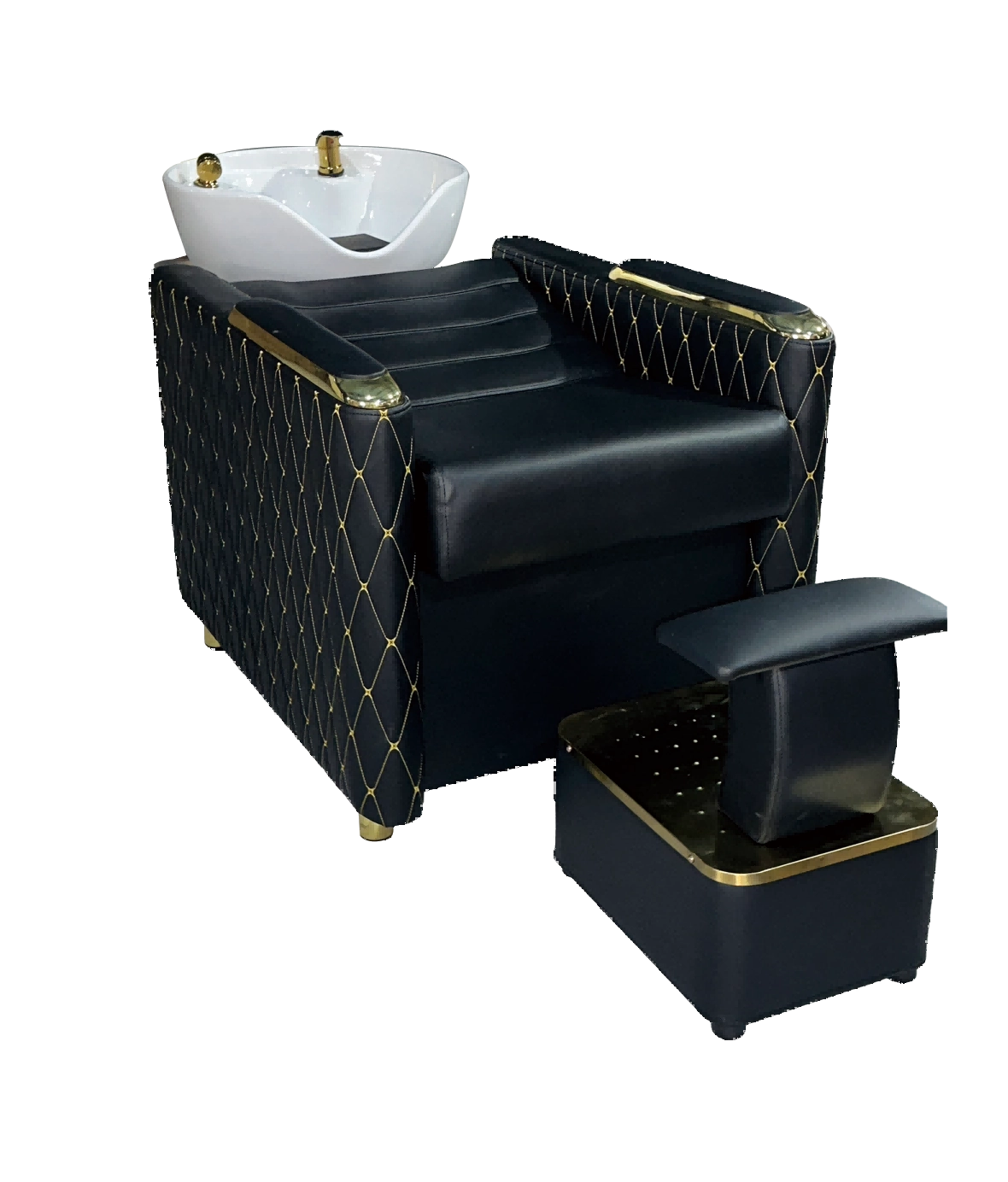
Discuss Your Project with Expert Salon Furniture Manufacturers
Tell us what you need — we’ll get back to you with a fast quote and personalized OEM/ODM support.