
Which Styling Chairs Offer the Best Ergonomics for Stylists?
Which Styling Chairs Offer the Best Ergonomics for Stylists?
Choose salon seating that actively reduces fatigue: prioritize true adjustability (seat height, depth, tilt), lumbar and arm geometry aligned to common anthropometrics, smooth 360° rotation with stable base, serviceable lifts, and resilient hygienic upholstery to protect stylists during long shifts.
Which styling chair features adjustable lumbar support for extended shifts?
True lumbar support is not a cosmetic bulge; it must match the lower lumbar curve and permit fine adjustment. The best chairs offer a contoured back shell with incremental lumbar depth or a separate adjustable pad that moves vertically at least 50–80 mm to align with different spinal levels. For salon settings where stylists twist, bend, and lean forward, a supportive lower back reduces paraspinal loading and limits cumulative microtrauma. Evaluate back geometry by checking if the chair maintains lumbar contact when the stylist leans forward 10–20 degrees; loss of contact signals inadequate support. From a procurement perspective, ask manufacturers for back shell curvature measurements, vertical lumbar travel, and whether the back padding uses a firm core with a softer top layer—this combination preserves shape under repeated compressive cycles common in commercial use.
How to evaluate seat depth and width for different body types?
Seat dimensions matter more than aesthetics. Seat depth should allow 10–12 cm of clearance behind the knee for most adults to avoid popliteal pressure that impedes circulation; a fixed depth that serves 5th-percentile to 95th-percentile anthropometry is rare, so choose seats with adjustable depth or a slightly deeper seat combined with a forward-angled edge. Width should comfortably accept two hand widths on either side when the stylist is seated and working—commercial styling chairs typically use 480–520 mm as a functional width, but confirm on a mock-up before purchase. Evaluate cushion firmness: medium-firm foams resist bottoming out during long shifts and maintain postural alignment, while overly soft cushions increase hip flexion and forward tilt. For multi-stylist salons, prioritize adjustable or modular seats to reduce the need for multiple seat sizes.
Are hydraulic pumps or electric lifts better for stylist ergonomics?
Hydraulic pumps remain the industry standard because they provide quick, reliable height changes without electrical infrastructure and have proven longevity when maintained. They permit micro-adjustments while the stylist is seated and resist drift under load. Electric lifts add precision and programmable positions, which can be useful in high-end salons or accessibility settings, but they introduce complexity, cost, and a need for electrical safety checks. From an ergonomic standpoint, the key requirement is a height adjustment range that lets stylists keep elbows roughly at client head level to avoid shoulder elevation; this can be achieved by either system. Procurement tip: choose hydraulic or electric units rated for continuous commercial use, with documented cycle life and a clear maintenance schedule, and ensure serviceability (replace seals, cartridges) rather than full-chair disposal when components age.
What armrest and swivel designs reduce shoulder and neck strain?
Armrests and swivel mechanics directly affect upper quadrant load. Fixed, high, or non-adjustable armrests force stylists to abduct the shoulder or shrug during cutting and coloring. Prefer low-profile or removable armrests positioned so the stylist can rest the working forearm when seated and still access clients at multiple angles. A full 360° swivel with low rotational resistance minimizes trunk twisting and reduces repetitive spinal rotation; the option to set a slight damping or detent can help stabilize the chair during precision work. Also consider an elevated footrest that allows alternating leg positions—this reduces static shoulder elevation by enabling subtle posture shifts. When testing chairs, simulate common tasks (blow-drying, cutting, coloring) and observe whether shoulder elevation and neck extension are minimized.
Which materials and cushions balance comfort, hygiene, and durability?
Commercial salons demand materials that withstand chemical exposure, frequent cleaning, and heavy use. Closed-pore synthetic leathers and high-performance fabrics that resist absorption of dyes and oxidizers are industry-preferred because they reduce microbial growth and enable routine disinfection without degrading seams. Cushions should use high-recovery, medium-firm foam with a resilient core or multi-density layers to preserve posture-supporting geometry over thousands of compression cycles. Assess upholstery seams and zippers for sealed construction to prevent liquid ingress. For sustainability-conscious buyers, inquire about certifications (PVC-free or PU blends) and test reports for abrasion resistance (Martindale cycles or similar) provided by the manufacturer.
How do chair base footprint and casters influence stylist posture?
A stable, wide base prevents tipping when stylists lean forward or pivot; a five-star base with a low center of gravity is ideal. The base footprint should balance floor footprint with stability: too narrow increases tip risk, too wide impedes movement between stations. Casters matter—soft polyurethane casters roll smoothly on both hard and covered floors, reduce vibration transmitted to the pelvis, and protect flooring. Locking or directional casters can secure the chair during precision tasks but avoid permanent locks that force static postures. When choosing casters, verify load ratings match or exceed chair capacity and test for debris-resistance to minimize maintenance downtime.
Conclusion: Selecting the right salon seat requires assessing adjustable lumbar geometry, seat dimensions, lift reliability, armrest ergonomics, hygienic materials, and base/caster engineering. Buyers should insist on test seating, specification sheets with adjustability ranges, cycle-life data for lifts, and upholstery cleaning protocols. For salon furniture manufacturers, building modular, serviceable designs with clear ergonomic intent reduces long-term occupational injuries and lifecycle costs.
Senkelly leverages deep industry experience in salon furniture manufacturing to deliver ergonomic styling chairs engineered for commercial longevity and stylist health; visit www.senkelly.com for product specifications and samples.
Contact us for a tailored quote at www.senkelly.com or jinhechair@outlook.com.
- Which styling chair features adjustable lumbar support for extended shifts?
- How to evaluate seat depth and width for different body types?
- Are hydraulic pumps or electric lifts better for stylist ergonomics?
- What armrest and swivel designs reduce shoulder and neck strain?
- Which materials and cushions balance comfort, hygiene, and durability?
- How do chair base footprint and casters influence stylist posture?
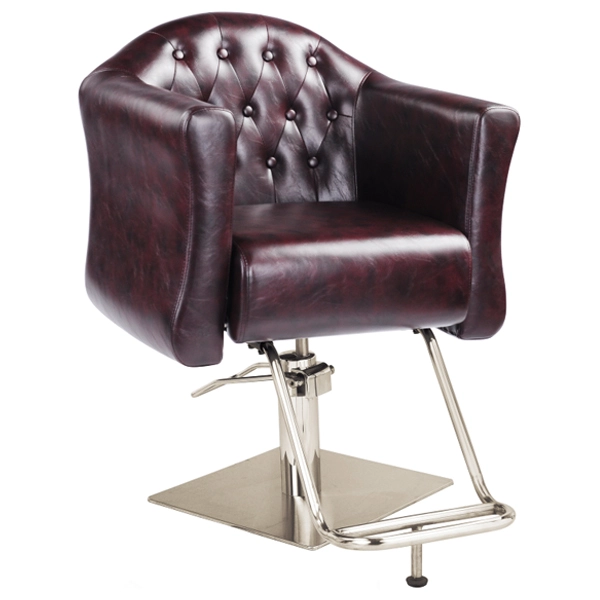
Styling Chair 8832
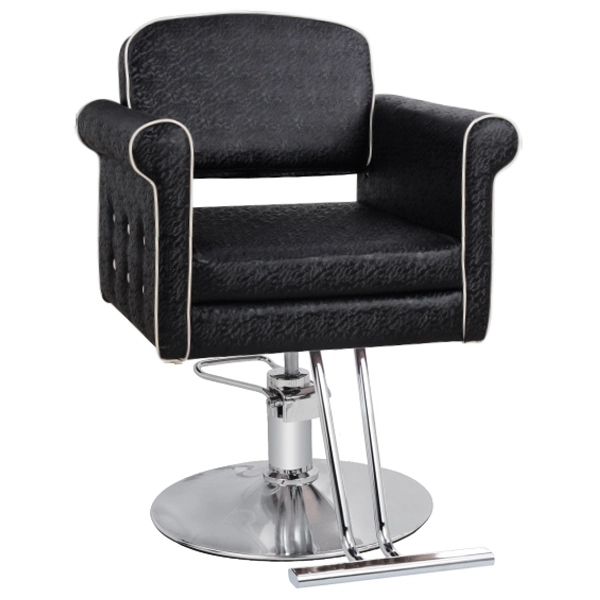
Styling Chair 8819
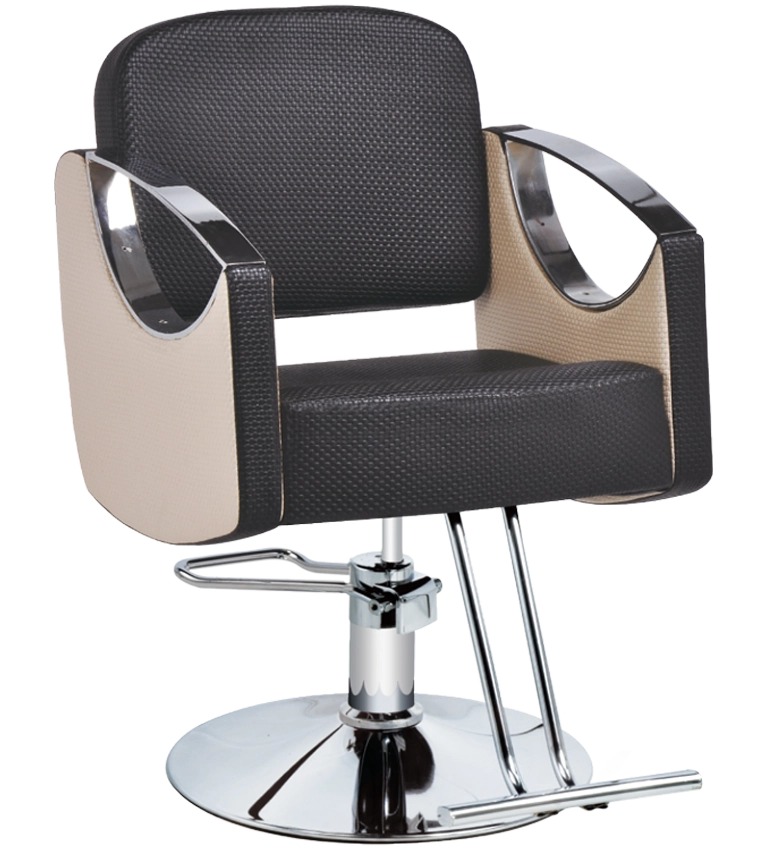
Styling Chair 8938

Styling Chair 8135

Hair Wash Station 2398





Discuss Your Project with Expert Salon Furniture Manufacturers
Tell us what you need — we’ll get back to you with a fast quote and personalized OEM/ODM support.