
how much does a commercial barber chair cost? | Insights by Senkelly
How Much Does a Commercial Barber Chair Cost? In-Depth Buying Guide for Salon Owners
Purchasing commercial barber chairs is one of the largest furniture investments for a barbershop or salon. This guide provides detailed, practical answers to six long-tail, buyer-focused questions that are often poorly answered online. It embeds real-world procurement considerations—unit price, freight, duties, warranty, customization and total cost of ownership—so you can buy smarter from salon furniture manufacturers.
1) How much does a commercial barber chair cost delivered to a small U.S. salon (20 chairs), including shipping, duties, and a 2-year warranty?
Answer: Use a transparent landed-cost approach rather than relying on an advertised unit price. Typical factory (FOB) prices for commercial barber chairs vary by quality and features: budget commercial units often start around $250–$450, mid-tier quality $450–$900, and high-end electric/fully upholstered chairs $900–$2,000+. For a realistic delivered cost estimate to a U.S. address for 20 chairs, follow this method:
- Step 1 – Select FOB unit price (example): choose a mid-tier hydraulic chair at $600 FOB.
- Step 2 – Multiply by quantity: 20 × $600 = $12,000 FOB.
- Step 3 – Add sea freight and insurance (example approach): sea freight for a small commercial shipment (LCL or shared container) can range notably; as an estimating method, add 5–12% of FOB for consolidated freight and insurance. Using 8% → $960.
- Step 4 – Add customs duties & import fees: barber chairs often fall under furniture/tables/seat tariff lines. For the U.S., most seating furniture duties are low to moderate; for estimation, budget 0–5% depending on classification. Use 2% → $240.
- Step 5 – Inland delivery and handling: add last-mile trucking, customs clearance, and warehouse handling — estimate $200–$800 depending on distance and whether delivery is palletized. Use $400.
- Step 6 – Add warranty/reserve for spare parts and field service: manufacturers often include a 1–3 year warranty; factor $10–$50 per unit reserve for parts and extended service if not included. Use $20 × 20 = $400.
- Total delivered estimate (example): $12,000 + $960 + $240 + $400 + $400 = $14,000 → per-chair landed cost ≈ $700.
Notes: This is an illustrative worked example. Real landed cost depends on exact FOB price, whether you ship FCL vs LCL, current freight rates, destination port, and tariff classification. For accurate numbers, request a pro forma from the manufacturer that itemizes FOB price, packaging dimensions/weight, insurance, and suggested shipping terms. Always ask suppliers to quote CIF or DDP to compare delivered costs directly.
2) What price difference should I expect between a standard hydraulic barber chair and an electric recline/commercial power chair?
Answer: Expect a meaningful High Quality for electric/power features. Standard hydraulic barber chairs that are built for commercial use (heavy-duty base, commercial hydraulic pump, quality upholstery) typically cost less than powered models. Professional price differentials commonly observed in the industry:
- Hydraulic commercial chair (commercial pump, steel base, PU or microfiber upholstery): baseline cost.
- Electric/power recline and lift chairs (integrated motor, remote control, more complex wiring, upgraded base): typically add 30%–100% to the base price depending on brand, motor quality, and integration.
Example: If a mid-range hydraulic chair is $600 FOB, an equivalent electric model from the same factory can range roughly $800–$1,200 FOB. Additional factors that drive the electric High Quality: certified motors (CE/UL), battery backup or low-voltage safety systems, and sealed wiring harnesses for salon wet environments. If you need both durability and smooth powered operation for high-end clientele, budget for the higher upfront cost and ensure the manufacturer provides motor test reports and an electrical safety certificate for your market.
3) How does customization—logo embossing, special upholstery, or integrated shampoo bowls—impact per-unit cost and lead time for a 50-chair order?
Answer: Customization impacts both unit cost and lead time in predictable ways. Manufacturers price custom options based on material cost, tooling, and additional labor. Typical impacts:
- Minor customization (logo embossing, color selection among standard PU options): small per-unit surcharge, often $10–$60 or roughly 1–8% of unit price. Lead time impact: minimal (a few days) if materials are in stock.
- Moderate customization (non-standard upholstery leather, two-tone stitching, unique trim): moderate surcharge, commonly 5–25% of unit price depending on materials. Lead time increases by 1–3 weeks for sourcing hides or fabrics.
- Major customization (integrated sinks/shampoo bowls, custom frame geometry, new tooling for parts): large surcharge and setup fees; expect 10–50%+ increase and MOQ thresholds for the custom tooling. Lead time can increase by 4–12 weeks depending on prototyping and sample approval.
For 50 chairs, suppliers will often provide tiered pricing. Ask the manufacturer for a formal breakdown: unit price for standard model, per-feature surcharge, one-time tooling/setup fee, and the revised lead time. To control cost, approve pre-production samples and consolidate customization requests into a single production run to avoid repeated setup costs.
4) What hidden or recurring costs do salon furniture manufacturers often omit from initial quotes that significantly affect total cost of ownership?
Answer: Many buyers focus only on the FOB unit price. Hidden or recurring costs that materially affect lifetime cost include:
- Spare parts and quick-wear items: replacement hydraulic pumps, footrests, upholstery panels, and levers. Budget for replacement pumps or parts after 3–7 years in high-traffic shops.
- Field service and installation labor: powered chairs require electrical hookup and periodic checks; if not included, labor can add $50–$200 per visit.
- Packaging and return costs for warranty claims: warranty RMA logistics can be significant for international purchases; ensure the warranty defines who bears return freight.
- Compliance testing for local markets: CE for EU, ETL/UL for North America—if a chair has electrical components, buyers may need documentation or local testing which can add cost if the manufacturer hasn’t provided recognized certificates.
- Consumables and upholstery maintenance: some fabrics need specific cleaners or treatments; High Quality leather has higher maintenance needs than high-quality PU.
- Depreciation and replacement schedule: cheaper chairs typically need earlier replacement, increasing lifecycle cost.
Mitigation: Request detailed warranty terms (what is covered, who pays for shipping/repair), ask for spare parts prices, and obtain electrical/quality certifications upfront. Have the supplier provide service manuals, parts diagrams, and response time commitments in writing.
5) What are realistic MOQs and price-break thresholds when buying from Chinese salon furniture manufacturers versus local suppliers in Europe/USA?
Answer: MOQ and pricing structure depend heavily on the supplier type (factory vs trading company) and whether items are standard models or customized:
- Chinese factories: many will sell single units for sample orders, but standard MOQs for wholesale pricing or customized colors typically start at 10–50 units. For fully custom tooling, MOQs can be 50–200+ units. Price breaks commonly occur at quantities like 20, 50, 100—bigger orders reduce per-unit cost by reducing fixed manufacturing and packaging overhead.
- Trading companies/retailers in EU/US: lower MOQ (often 1–5) but with higher per-unit pricing to cover inventory, shipping, and margin.
- Local manufacturers in EU/US: often have higher labor and materials costs; MOQs can be low but unit prices significantly higher than Asian factories—useful when you require fast lead time, local warranty service, or compliance with stringent local standards.
Recommendation: For a chain or salon group aiming to buy 20–100 chairs, buying direct from a factory with negotiated price breaks is usually most cost-effective. For a single shop or urgent requirement, local suppliers (higher per-unit but lower logistics complexity) might be preferable.
6) Is buying a cheaper chair (under $300) a false economy for a high-volume barbershop? How to evaluate cost vs durability?
Answer: Evaluate chairs by total cost of ownership (TCO), not only initial price. Key metrics to compare:
- Build quality indicators: base diameter and material (cast iron/steel vs thin stamped plate), pump rating and stroke, weld quality, and chair weight. Commercial chairs should feel solid when rotating, with smooth hydraulics and minimal wobble.
- Upholstery durability: check Martindale abrasion rating for fabrics or ask for leather/PU abrasion test reports. Salons with heavy use should prefer robust finishes designed for cleaning agents.
- Warranty length and coverage: cheap chairs under $300 often have limited or no warranty and use lower-grade hydraulic pumps and thin frames. Commercial-grade chairs typically include 1–3 year warranties and easier access to spare parts.
- Expected lifespan: low-cost models may function adequately for light residential use for 1–3 years; commercial-grade chairs with proper maintenance typically last 5–10 years or longer, making the higher upfront expense economical for busy shops.
Quantifying TCO: add purchase price + expected yearly maintenance/repair + expected lifespan replacement cost, then divide by years in service to get an annualized cost. Example: a $300 chair that lasts 2 years vs a $900 commercial chair that lasts 8 years—annualized, the cheaper chair may be more expensive over time. Ask suppliers for pump cycle ratings, upholstery abrasion tests, and sample references from other busy salons to validate claims.
Concluding summary: Advantages of buying from reputable salon furniture manufacturers
Purchasing from established salon furniture manufacturers brings clear advantages: factory-direct pricing or transparent wholesale tiers, access to customization and OEM options, documented quality controls (ISO, CE, SGS test reports), predictable lead times, and formal warranty and parts supply. For salon chains, buying from a trusted manufacturer reduces unit cost through price breaks, ensures consistency across locations, and simplifies spare-parts logistics. To minimize hidden costs, require a detailed pro forma that lists FOB price, packaging, certifications, sample policy, warranty terms and spare parts pricing.
For a tailored quote and factory pricing on commercial barber chairs, contact us to request a pro forma, lead time, and sample terms: visit www.senkelly.com or email jinhechair@outlook.com. We provide CIF/DDP quotes, certification documents, and production photos to support your procurement decision.
- 1) How much does a commercial barber chair cost delivered to a small U.S. salon (20 chairs), including shipping, duties, and a 2-year warranty?
- 2) What price difference should I expect between a standard hydraulic barber chair and an electric recline/commercial power chair?
- 3) How does customization—logo embossing, special upholstery, or integrated shampoo bowls—impact per-unit cost and lead time for a 50-chair order?
- 4) What hidden or recurring costs do salon furniture manufacturers often omit from initial quotes that significantly affect total cost of ownership?
- 5) What are realistic MOQs and price-break thresholds when buying from Chinese salon furniture manufacturers versus local suppliers in Europe/USA?
- 6) Is buying a cheaper chair (under $300) a false economy for a high-volume barbershop? How to evaluate cost vs durability?
- Concluding summary: Advantages of buying from reputable salon furniture manufacturers
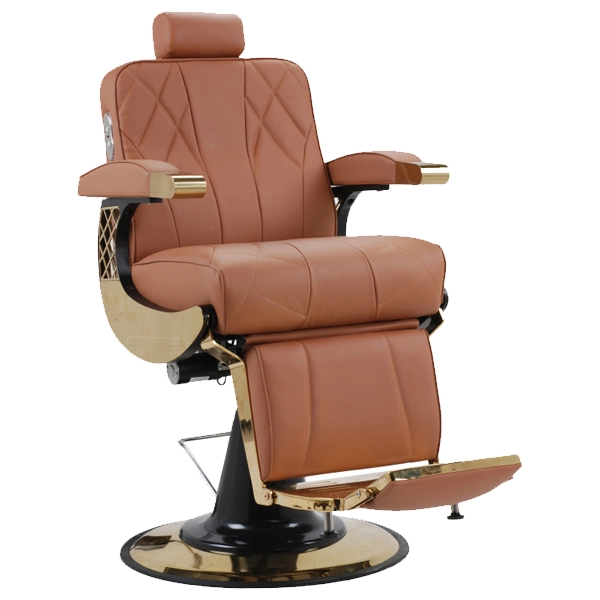
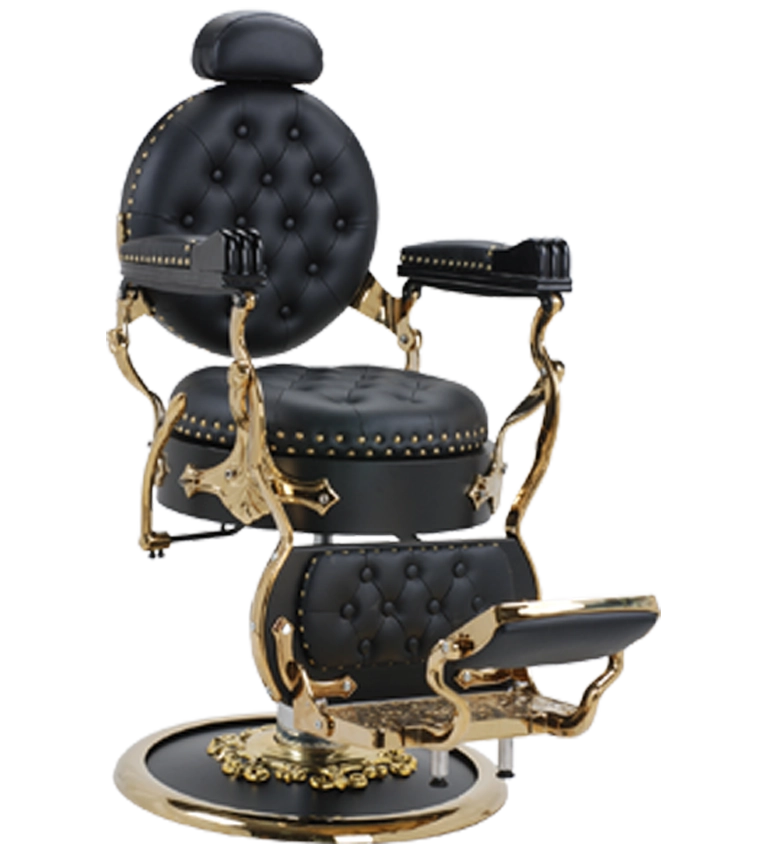
Electrical Barber Chair 8085
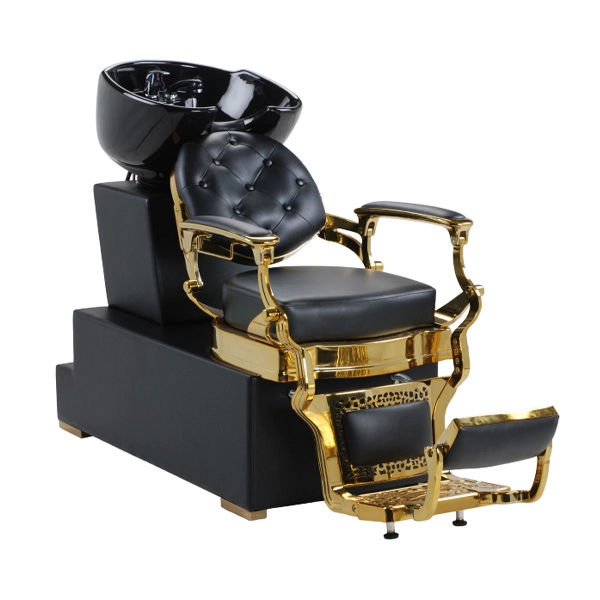
Hair Wash Station 2398
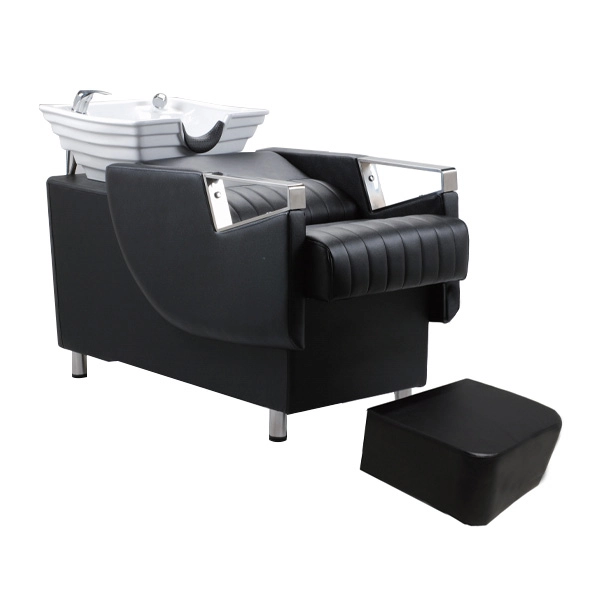
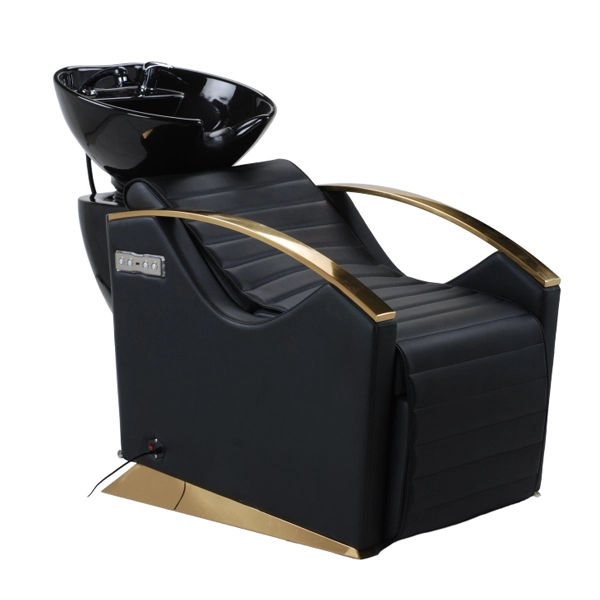
Hair washing bed 2378
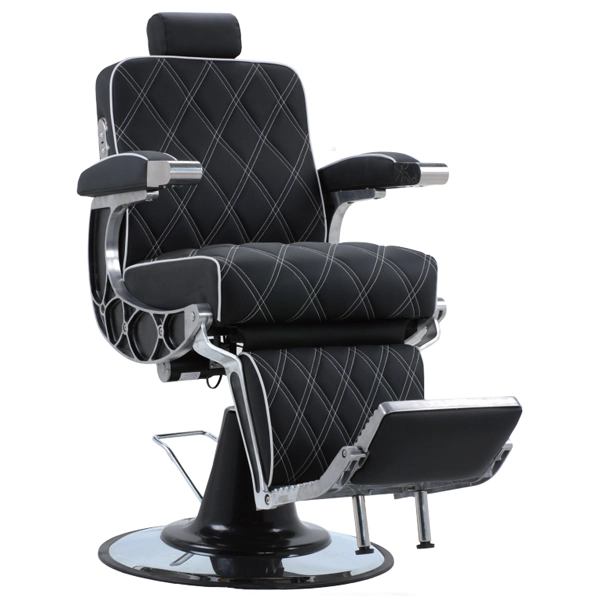
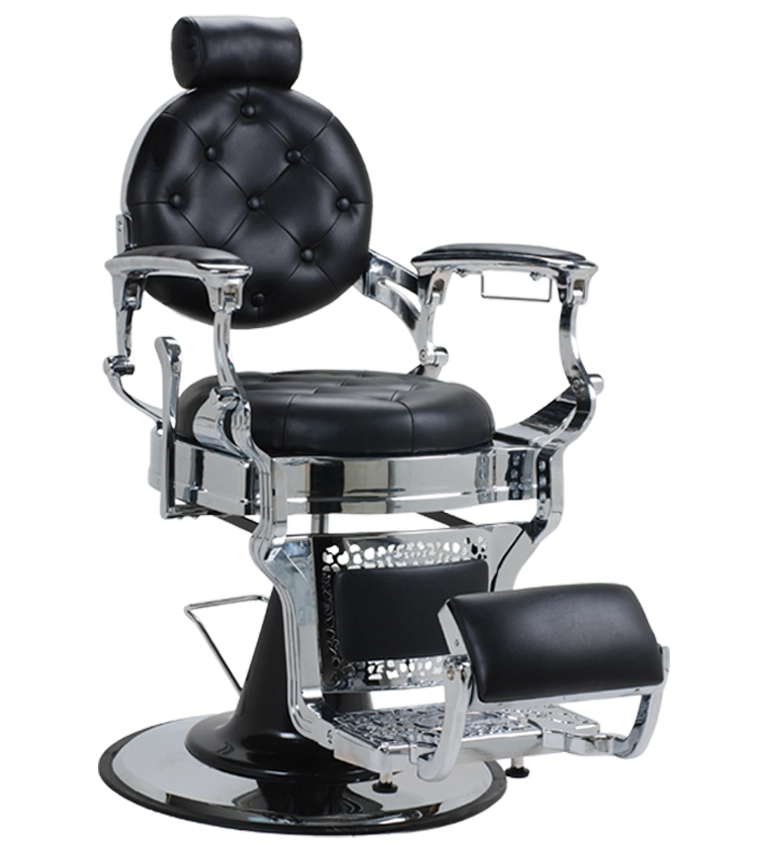
Electrical Barber Chair 8086
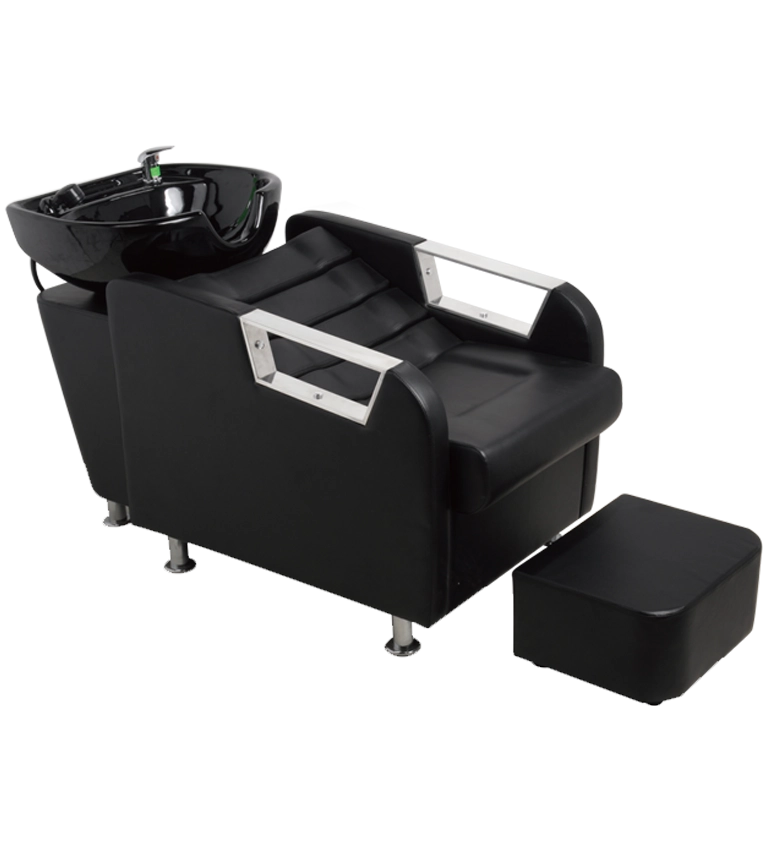
Hair washing bed 2319
Discuss Your Project with Expert Salon Furniture Manufacturers
Tell us what you need — we’ll get back to you with a fast quote and personalized OEM/ODM support.