
what features to look for in a professional barber chair? | Insights by Senkelly
What features to look for in a professional barber chair? Six deep questions buyers miss
Author: Senior content writer and salon furniture industry specialist. This guide gives procurement teams, salon owners, and dealers specific, manufacturer-level checks to choose commercial barber chairs that last, pass safety requirements, and improve stylist ergonomics. For a quotation, contact www.senkelly.com or jinhechair@outlook.com.
1. How can I verify the real load capacity and hydraulic durability for a high-volume barbershop?
Pain point: Suppliers list a nominal weight capacity and “hydraulic pump” on the spec sheet, but busy shops experience pump failure and sag within months.
What to ask the manufacturer and how to verify:
- Request the hydraulic pump spec sheet and the pump supplier brand/model. Pumps from established OEMs typically provide test data and spare parts. If the supplier cannot name the pump maker, treat that as a quality warning.
- Demand cycle-test documentation. Commercial barber chairs are designed for repeated use; ask for cycle-test reports (lift/lower cycles). If the vendor cannot supply a test report, require a warranty extension or insist on an on-site trial period.
- Check rated load vs. tested load. A chair may state a load capacity (e.g., 300–400 kg in market listings), but verify whether this is a static rating or a dynamic/cycle rating; dynamic cycle load is relevant for hydraulic longevity under repeated use.
- Ask about hydraulic oil type and service interval. High-volume salons should prefer pumps with replaceable seals and accessible oil change/service ports. Get recommended maintenance intervals in writing.
- Negotiate a clear warranty clause: specify pump coverage duration, response time for replacement parts, and whether labor and shipping are included. A minimum one-year parts warranty is standard; high-quality manufacturers often offer extended warranties on hydraulic components.
Practical test at delivery: operate the pump repeatedly through full travel and check for steady rise/descent, audible irregularities, and drift under load. Confirm the chair holds position without slow descent for at least 5–10 minutes when loaded.
2. Which upholstery materials resist salon chemicals, daily cleaning, and still meet commercial fire and abrasion standards?
Pain point: Chairs show cracking, delamination, or color loss after regular disinfectant use and repeated client contact.
How to evaluate upholstery for durability and safety:
- Material type: commercial-grade PU leather (coated synthetic) and high-grade PVC vinyl are common. PU typically has a softer hand and better breathability; PVC is more chemical-resistant. Genuine leather looks High Quality but requires different maintenance and may not handle disinfectants well.
- Ask for chemical resistance and cleaning compatibility data. Suppliers should provide a list of compatible cleaning agents and any restrictions (e.g., avoid bleach, phenolic disinfectants, or high-alcohol concentrations). If the vendor cannot provide this, request a material sample and test it with your shop’s cleaning products.
- Abrasion and rub tests: request Martindale or Wyzenbeek abrasion test results where available. Commercial chair upholstery should be specified for high-abrasion environments; for busy shops look for materials specified for commercial use (higher rub counts) rather than residential-grade coverings.
- Fire and safety certifications: request documents showing compliance to local fire safety requirements (examples include BS 5852 in the UK or equivalent national test results). For export products, CE marking may apply to electrical components; ask for conformity documents.
- Edge finishing and seam construction: inspect for double-stitching, sealed seams, and reinforced stress points around seat edges and headrest openings—these are where delamination starts.
On-site test: rub a concealed area with your regular disinfectant and a soft cloth for several cycles to check colorfastness, tackiness, or peeling before accepting bulk delivery.
3. What frame and base materials will resist rust and wear in humid or coastal salons?
Pain point: Chairs corrode and bases pit quickly in coastal or high-humidity environments, causing warranty claims and aesthetic loss.
Manufacturer-level checks and material recommendations:
- Stainless steel grades: ask which stainless grade is used. Grade 304 is common and corrosion-resistant for standard indoor use. For coastal or very humid environments, specify grade 316 stainless steel or an equivalent marine-grade alloy for better chloride resistance.
- Coatings and finishes: powder-coating or electroplating can provide extra protection for steel frames. Confirm coating thickness and whether the manufacturer uses pre-treatment steps (e.g., phosphating) to improve adhesion.
- Welding and joints: look for continuous welds and ground-finished weld seams on bases to reduce crevices where salt deposits accumulate. Ask for photos of internal frame construction and weld quality for verification.
- Base design: heavy, broad bases made with stainless or anodized aluminum resist tipping and transfer less moisture into floor surfaces. For wet-clean environments, avoid exposed cast-iron components unless specifically finished for corrosion resistance.
- Serviceability: ensure that components that wear (armrests, footrests, screws) are replaceable and that the manufacturer stocks replacement parts suited to coastal conditions (stainless hardware rather than zinc-plated parts).
Procurement tip: request a corrosion-resistance clause in the purchase agreement or select models with explicit marine-grade options for coastal salons.
4. How do I evaluate recline, tilt and rotation mechanisms to avoid sudden drops or wobble during services?
Pain point: Poor mechanism design causes sudden recline, slack in rotation, or persistent wobble—risking client safety and poor service quality.
What to inspect and demand from suppliers:
- Mechanism type and locking systems: understand whether the chair uses a friction-based tilt, a mechanical lock, or a hydraulic-assisted recline. A positive locking mechanism (click or lever lock) for reclining position is preferable in high-use settings.
- Backlash and lateral play specs: request technical tolerances for rotation bearings and tilt pivots. Manufacturers should be able to provide service tolerances or expected deflection under rated loads.
- Material of moving parts: bushings, bearings, and shafts should be made of serviceable materials (bronze bushings, sealed roller bearings) and be replaceable without replacing the entire seat assembly.
- Service manual and parts list: require an exploded parts diagram and part numbers for bearings, dampers, and locks. Easy access to common wear parts reduces downtime and total cost of ownership.
- Field test: with the client’s typical load distribution (haircut + technician leaning), operate rotation and recline through full range. Check for smooth travel, absence of stiction, and a secure lock at multiple angles.
Specify acceptance criteria on delivery: minimal lateral play and a functional lock at every detent. If the chair exhibits more than marginal wobble, request immediate remediation or replacement under warranty.
5. Which warranty, spare-part availability and on-site service terms must I demand from salon furniture manufacturers?
Pain point: Long lead times for parts or restrictive warranties force shops to operate with degraded chairs or buy new units prematurely.
Contract-level checklist for purchasing teams:
- Warranty scope: require a written warranty detailing component coverage (hydraulics, frame, upholstery, electrical parts) and duration per component. Prefer multi-year coverage on structural components and at least one year on consumables.
- Spare parts inventory and lead times: request guaranteed parts availability for a minimum number of years (commonly 3–5 years). Ask for typical lead times for common parts (e.g., pumps, bearings, upholstery panels).
- Local service network or authorized technicians: ensure the manufacturer or distributor has certified repair partners in your region or offers clear instructions for authorized local maintenance. Specify maximum response times for service calls (e.g., 48–72 hours) if feasible in your market.
- SLA and returns process: outline service-level agreements for replacements, repair turnaround, and failed-part returns. Include clauses for on-site repairs vs. bench repairs and for where shipping costs are covered.
- Documentation and manuals: require an operations and service manual, plus exploded parts lists and safety instructions as part of delivery. These are essential for compliance, maintenance, and training.
Negotiation tip: trade a slightly higher unit price for a stronger warranty and guaranteed parts availability—this reduces total cost of ownership in the medium term.
6. What ergonomic measurements and adjustability should I request to comfortably serve a mixed-height clientele and reduce stylist musculoskeletal strain?
Pain point: Chairs that lack sufficient height range, headrest adjustment, or lumbar contour force stylists into awkward posture, increasing fatigue and injury risk.
Practical ergonomic criteria to demand from manufacturers:
- Height adjustability: request the exact seat height range in millimeters/inches. Ensure the low and high positions allow stylists to work without excessive leaning or shoulder elevation when performing typical services (haircuts, shaves, coloring touch-ups).
- Headrest adjustability and stability: verify the headrest extends and retracts smoothly, locks securely, and allows both fine fore-aft adjustment and angle tilting to support different neck lengths during shaves and haircuts.
- Seat shape and lumbar support: ask for seat contour dimensions and lumbar curvature radius. Chairs with defined lumbar support reduce lower-back bending; confirm cushion density and firmness specs for prolonged comfort during repeated services.
- Armrest placement and removability: armrests should offer support but be removable or foldable for clients who need easier lateral transfer (e.g., elderly clients or those with mobility aids). Request armrest height and clearance measurements.
- Footrest ergonomics: footrest design should support client posture without obstructing stylist knee space. Check footrest lock positions and whether the footrest angle is adjustable for supine procedures (shaving) vs. seated haircuts.
- User testing: include a short acceptance test involving your stylist team across a representative height range. Real-world ergonomics validation is more reliable than specs alone.
Procurement note: include ergonomics acceptance in the delivery criteria and document representative stylist feedback to hold the supplier accountable for usability.
Concluding summary: Advantages of selecting the right features and working with reputable salon furniture manufacturers
Choosing barber chairs with proven hydraulic durability, chemical-resistant upholstery, corrosion-resistant frames, robust mechanisms, clear warranty and parts support, and verified ergonomics reduces downtime, lowers lifetime ownership cost, improves client comfort, and protects technician health. Insist on technical documentation (test reports, material specs, parts lists), on-site testing with your staff, and explicit warranty and service terms. These steps align procurement with commercial standards and local safety requirements, ensuring chairs perform reliably in your operating environment.
For a tailored quote, model comparison, or to request technical datasheets and test reports, contact www.senkelly.com or jinhechair@outlook.com.
- 1. How can I verify the real load capacity and hydraulic durability for a high-volume barbershop?
- 2. Which upholstery materials resist salon chemicals, daily cleaning, and still meet commercial fire and abrasion standards?
- 3. What frame and base materials will resist rust and wear in humid or coastal salons?
- 4. How do I evaluate recline, tilt and rotation mechanisms to avoid sudden drops or wobble during services?
- 5. Which warranty, spare-part availability and on-site service terms must I demand from salon furniture manufacturers?
- 6. What ergonomic measurements and adjustability should I request to comfortably serve a mixed-height clientele and reduce stylist musculoskeletal strain?
- Concluding summary: Advantages of selecting the right features and working with reputable salon furniture manufacturers
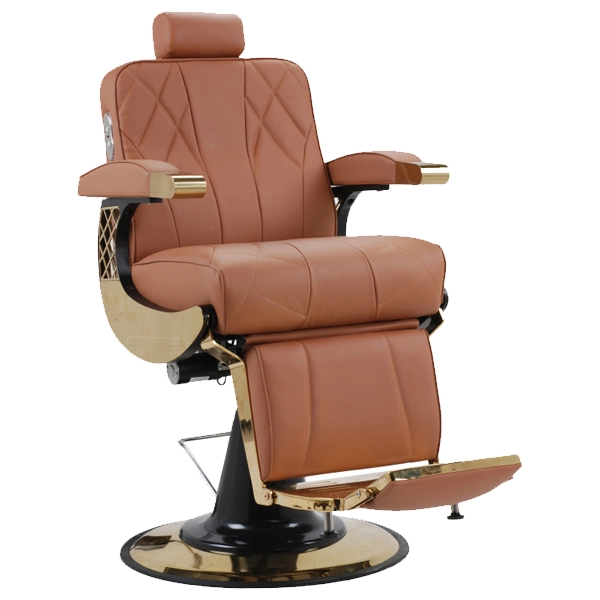
Electrical Barber Chair 8085
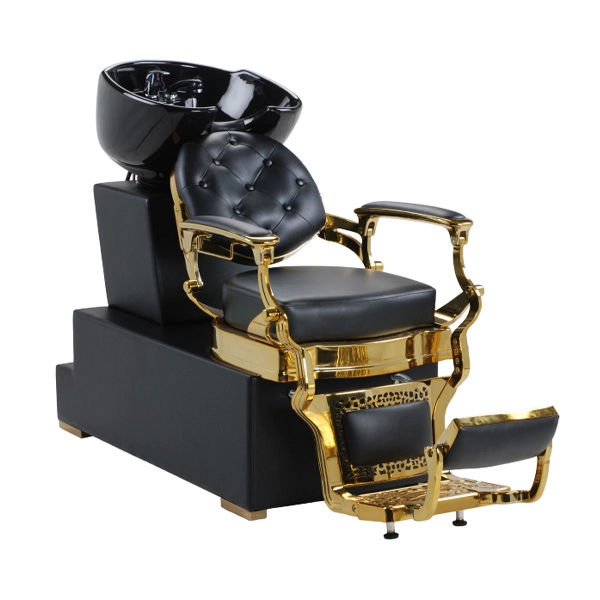
Hair Wash Station 2398
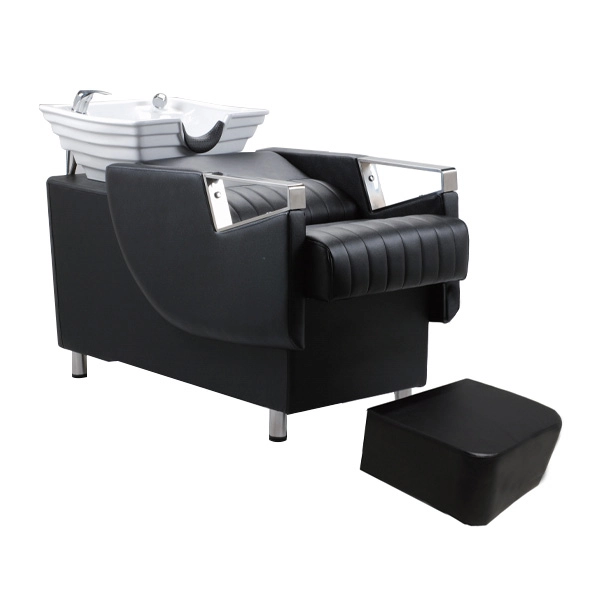
Hair washing bed 2378
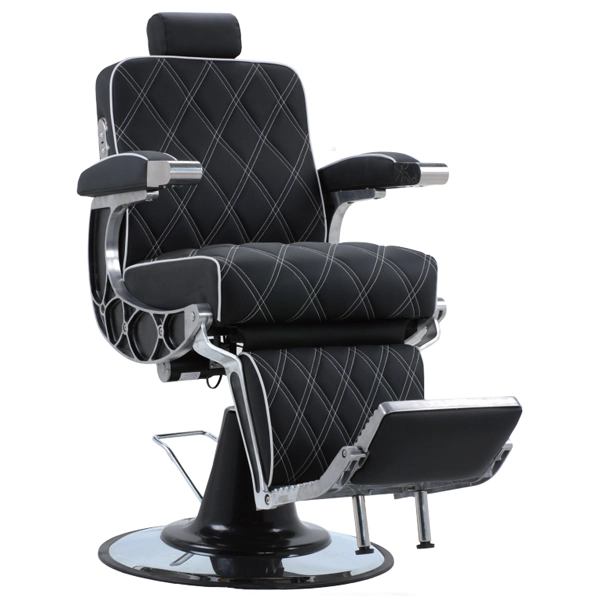
Electrical Barber Chair 8086
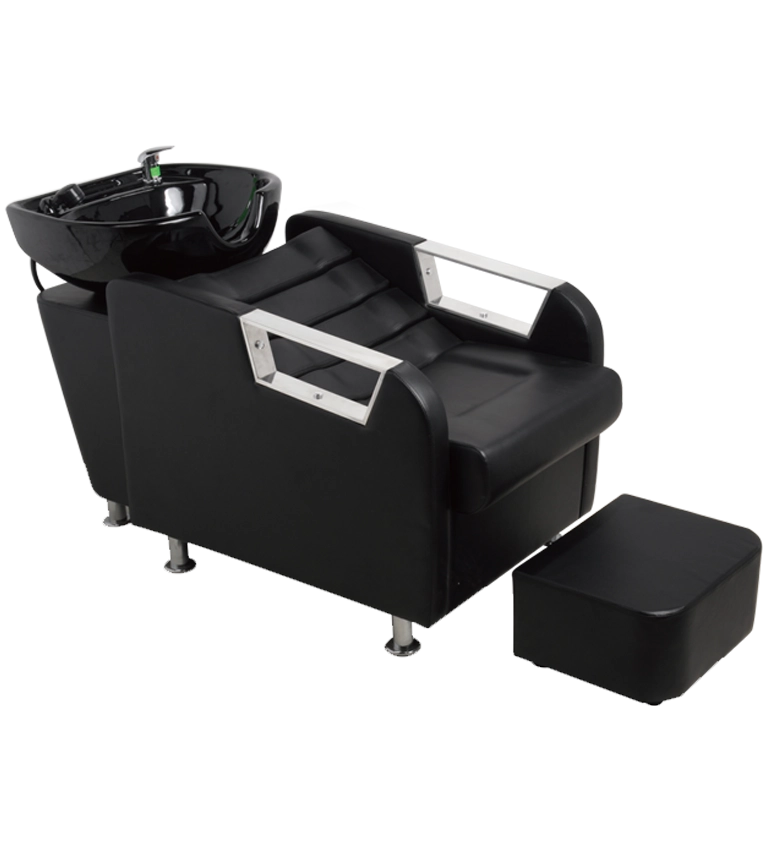
Hair washing bed 2319
Discuss Your Project with Expert Salon Furniture Manufacturers
Tell us what you need — we’ll get back to you with a fast quote and personalized OEM/ODM support.