
Salon Furniture Manufacturer: 7 Powerful Insights for OEM/ODM Success in Commercial Salon Equipment
The global beauty industry continues to grow, driving demand for high-quality salon environments. A professional Salon Furniture Manufacturer plays a key role in delivering durable, ergonomic, and stylish equipment. This guide explores OEM and ODM manufacturing, materials, design trends, and how to choose the right partner for commercial salon success.
Commercial Salon Furniture Manufacturing
The global beauty and wellness industry is expanding rapidly, and with it, the demand for high-quality salon environments. A professional Salon Furniture Manufacturer plays a critical role in shaping functional, stylish, and durable salon spaces. From barber chairs to shampoo units and reception desks, commercial salon furniture must meet strict performance, ergonomic, and aesthetic standards.
Manufacturers today are no longer just suppliers—they are strategic partners offering OEM (Original Equipment Manufacturing) and ODM (Original Design Manufacturing) solutions tailored to brand owners, distributors, and salon chains.
Companies like Senkelly specialize in producing salon furniture such as chairs, stools, and beauty equipment, supporting both customization and bulk production for global clients.
What Defines a Professional Salon Furniture Manufacturer
Core Capabilities in Manufacturing
A reliable manufacturer must possess:
- Advanced production facilities
- Skilled craftsmanship
- Quality control systems
- Material sourcing expertise
These capabilities ensure consistency, scalability, and compliance with international standards.
Commercial vs Residential Furniture Standards
Commercial salon furniture differs significantly from residential furniture:
- Higher durability requirements
- Resistance to chemicals and moisture
- Ergonomic design for long working hours
- Frequent usage tolerance
Professional-grade furniture is engineered for daily wear and tear in high-traffic environments.
Understanding OEM and ODM in Salon Furniture
What is OEM Manufacturing?
OEM allows clients to:
- Provide their own designs
- Customize branding (logo, colors, materials)
- Maintain intellectual property control
What is ODM Manufacturing?
ODM involves:
- Pre-designed product catalogs
- Faster production cycles
- Lower development costs
Choosing Between OEM and ODM
| Factor | OEM | ODM |
|---|---|---|
| Customization | High | Medium |
| Cost | Higher | Lower |
| Lead Time | Longer | Shorter |
| Branding | Fully unique | Semi-custom |
Key Categories of Commercial Salon Furniture
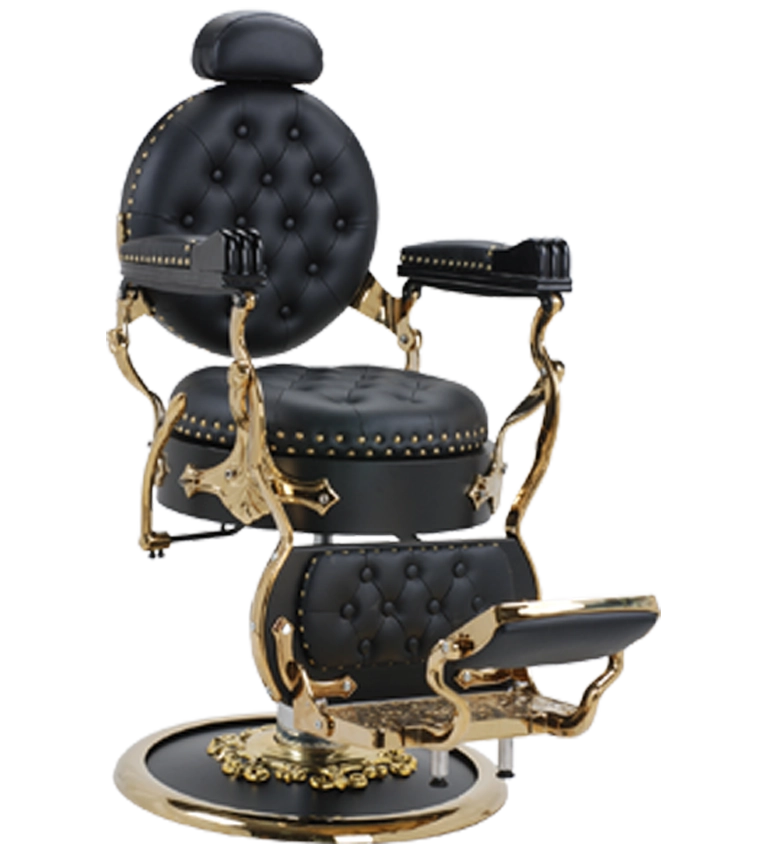
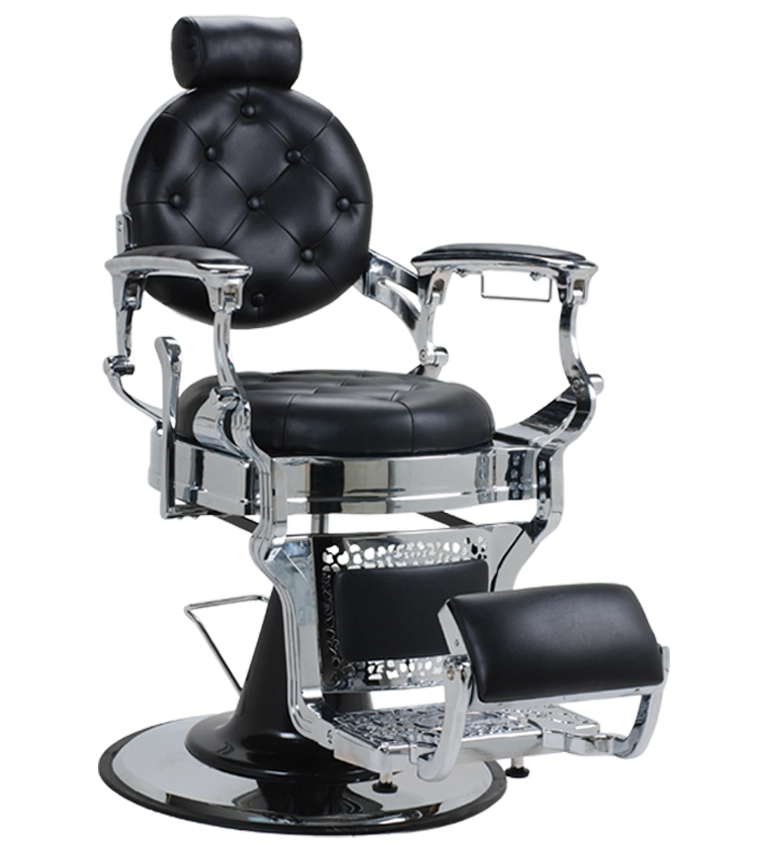
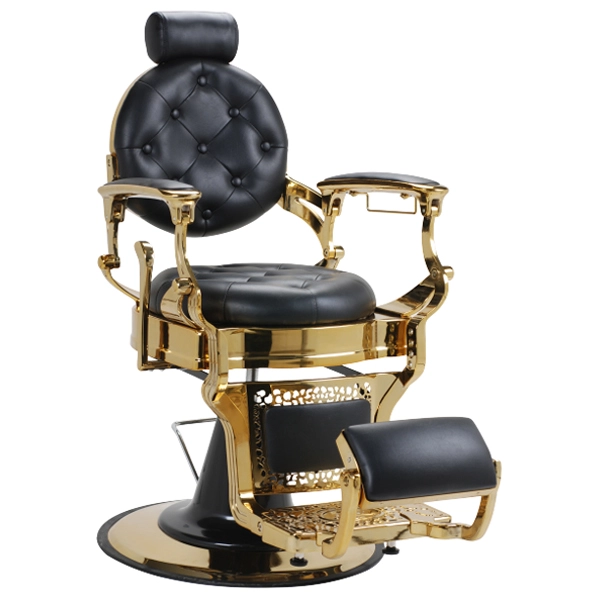
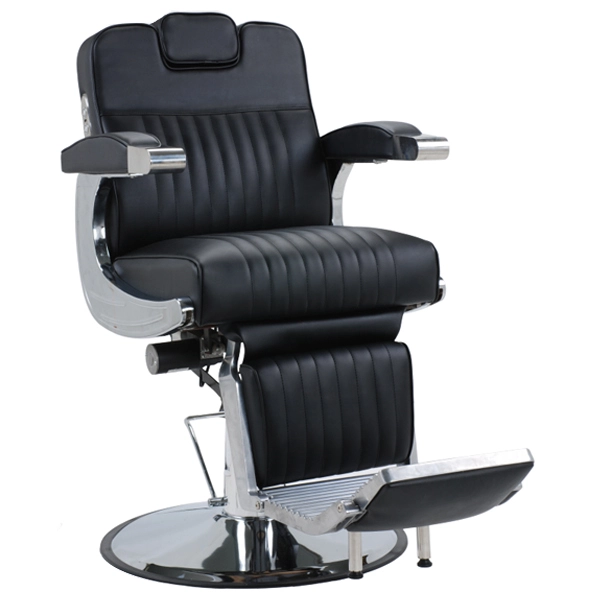
Styling Chairs and Barber Chairs
These are the centerpiece of any salon. Features include:
- Hydraulic pumps
- 360° rotation
- Adjustable height
- Heavy-duty frames
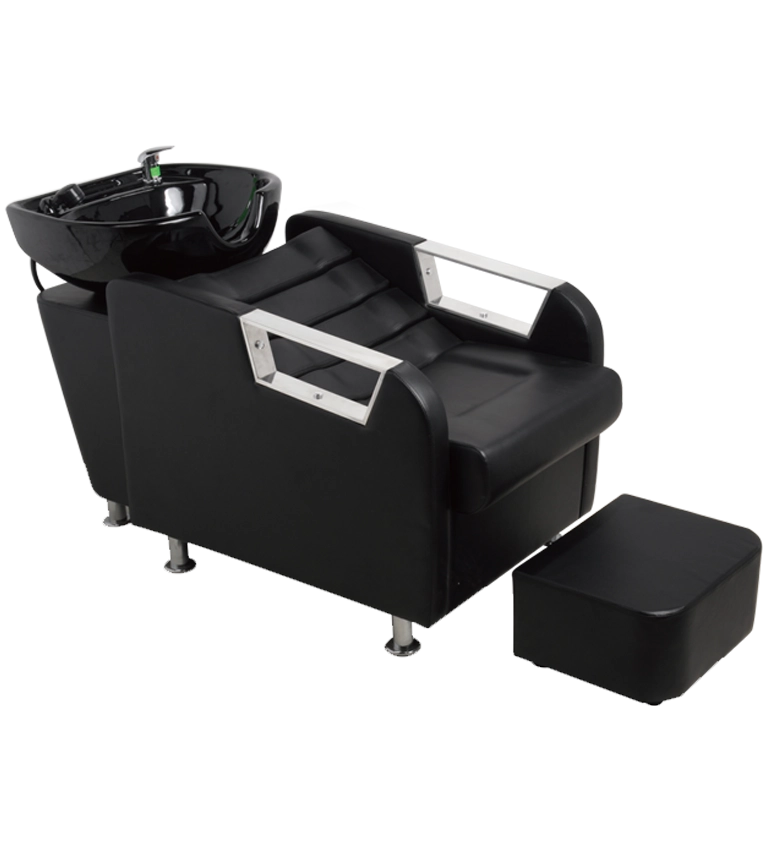
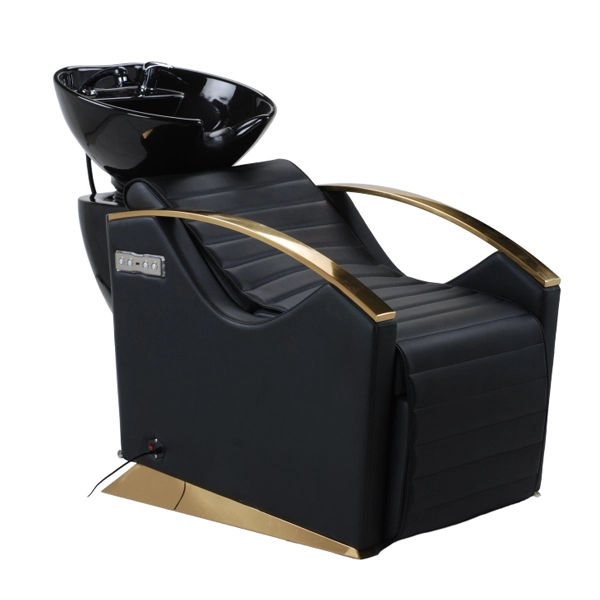
Shampoo Units and Backwash Stations
Designed for comfort and hygiene:
- Integrated plumbing systems
- Reclining seating
- Water-resistant materials
Reception Desks and Waiting Area Furniture
First impressions matter:
- Modern aesthetics
- Functional storage
- Brand-aligned design
Salon Stools and Technician Seating
Ergonomic stools improve productivity:
- Adjustable height
- Mobility (casters)
- Lumbar support
Ergonomic stools are designed to reduce spinal pressure and improve posture during long work sessions.
Materials Used in Salon Furniture Manufacturing
Metal Frames and Structural Components
- Stainless steel for durability
- Powder-coated finishes for corrosion resistance
Upholstery and Cushioning
- PU leather (easy to clean)
- High-density foam for comfort
Wood and Composite Materials
- MDF and plywood for cabinets
- Solid wood for premium collections
Material selection directly impacts longevity, maintenance, and brand perception.
Design Trends in Modern Salon Furniture
Minimalist and Contemporary Styles
Clean lines and neutral tones dominate modern salons.
Luxury and Spa-Inspired Designs
- Soft textures
- Curved silhouettes
- Premium finishes
Modular and Space-Saving Solutions
Ideal for urban salons with limited space.
The Manufacturing Process Explained
Product Design and Prototyping
- CAD modeling
- Sample development
- Ergonomic testing
Mass Production and Assembly
- CNC machining
- Upholstery
- Assembly lines
Quality Control and Testing
- Load-bearing tests
- Hydraulic system checks
- Surface durability testing
Customization Options for Global Buyers
Branding and Private Labeling
- Logo embossing
- Custom color schemes
Size and Functional Adjustments
- Height variations
- Multi-function features
Packaging and Logistics Solutions
- Flat-pack shipping
- Export-ready packaging
How to Choose the Right Salon Furniture Manufacturer
Evaluating Production Capacity
Ensure the manufacturer can handle bulk orders without compromising quality.
Certifications and Compliance
Look for:
- ISO certifications
- Safety standards compliance
Communication and After-Sales Support
Clear communication reduces errors and delays.
Cost Factors in Salon Furniture Manufacturing
Material Costs
Premium materials increase cost but enhance durability.
Labor and Production Costs
Varies by region and manufacturing scale.
Shipping and Logistics
Bulk orders benefit from optimized freight solutions.
Global Supply Chain and Export Considerations
Lead Time Management
Typical production cycles range from 20–40 days depending on complexity.
Shipping Methods
- Sea freight for bulk
- Air freight for urgent orders
Import Regulations
Understand duties, taxes, and compliance requirements.
Sustainability in Salon Furniture Manufacturing
Eco-Friendly Materials
- Recycled metals
- Low-VOC finishes
Sustainable Production Practices
- Waste reduction
- Energy-efficient machinery
The Role of Innovation in Salon Equipment Manufacturing
Smart Furniture Integration
- Built-in charging ports
- Adjustable automation systems
Ergonomic Enhancements
Improved posture support boosts productivity and reduces fatigue.
Case Insight: Manufacturing Excellence in Practice
Experienced manufacturers like Senkelly demonstrate how combining ergonomic design with scalable production can meet the needs of international salon brands. Their product range includes stools, chairs, and accessories designed for professional environments, emphasizing durability and comfort.
Common Challenges and How to Overcome Them
Quality Inconsistency
Solution: Work with manufacturers with strict QC systems.
Long Lead Times
Solution: Opt for ODM models or pre-designed catalogs.
Communication Barriers
Solution: Choose partners with global trade experience.
Future Trends in Salon Furniture Manufacturing
Customization at Scale
Mass customization will dominate future production.
Digital Integration
Smart salons will require tech-enabled furniture.
Sustainable Innovation
Eco-conscious production will become standard.
FAQs About Salon Furniture Manufacturer
1. What does a Salon Furniture Manufacturer do?
They design, produce, and supply furniture and equipment specifically for salons, including chairs, stations, and storage units.
2. What is the difference between OEM and ODM?
OEM uses your design, while ODM offers pre-designed products that can be customized.
3. How long does production take?
Typically 20–40 days depending on order size and customization.
4. What materials are best for salon furniture?
PU leather, stainless steel, and high-density foam are commonly used for durability and comfort.
5. Can manufacturers customize products?
Yes, most manufacturers offer customization in design, color, and branding.
6. How do I ensure product quality?
Choose manufacturers with certifications, strong QC processes, and proven experience.
Conclusion
Choosing the right Salon Furniture Manufacturer is essential for building a successful salon business. From OEM/ODM capabilities to material selection and global logistics, every aspect of manufacturing impacts the final product quality and brand perception.
By partnering with an experienced manufacturer, businesses can achieve a perfect balance of design, durability, and cost-efficiency—ensuring long-term success in the competitive beauty industry.
- Commercial Salon Furniture Manufacturing
- What Defines a Professional Salon Furniture Manufacturer
- Core Capabilities in Manufacturing
- Commercial vs Residential Furniture Standards
- Understanding OEM and ODM in Salon Furniture
- What is OEM Manufacturing?
- What is ODM Manufacturing?
- Choosing Between OEM and ODM
- Key Categories of Commercial Salon Furniture
- Styling Chairs and Barber Chairs
- Shampoo Units and Backwash Stations
- Reception Desks and Waiting Area Furniture
- Salon Stools and Technician Seating
- Materials Used in Salon Furniture Manufacturing
- Metal Frames and Structural Components
- Upholstery and Cushioning
- Wood and Composite Materials
- Design Trends in Modern Salon Furniture
- Minimalist and Contemporary Styles
- Luxury and Spa-Inspired Designs
- Modular and Space-Saving Solutions
- The Manufacturing Process Explained
- Product Design and Prototyping
- Mass Production and Assembly
- Quality Control and Testing
- Customization Options for Global Buyers
- Branding and Private Labeling
- Size and Functional Adjustments
- Packaging and Logistics Solutions
- How to Choose the Right Salon Furniture Manufacturer
- Evaluating Production Capacity
- Certifications and Compliance
- Communication and After-Sales Support
- Cost Factors in Salon Furniture Manufacturing
- Material Costs
- Labor and Production Costs
- Shipping and Logistics
- Global Supply Chain and Export Considerations
- Lead Time Management
- Shipping Methods
- Import Regulations
- Sustainability in Salon Furniture Manufacturing
- Eco-Friendly Materials
- Sustainable Production Practices
- The Role of Innovation in Salon Equipment Manufacturing
- Smart Furniture Integration
- Ergonomic Enhancements
- Case Insight: Manufacturing Excellence in Practice
- Common Challenges and How to Overcome Them
- Quality Inconsistency
- Long Lead Times
- Communication Barriers
- Future Trends in Salon Furniture Manufacturing
- Customization at Scale
- Digital Integration
- Sustainable Innovation
- FAQs About Salon Furniture Manufacturer
- 1. What does a Salon Furniture Manufacturer do?
- 2. What is the difference between OEM and ODM?
- 3. How long does production take?
- 4. What materials are best for salon furniture?
- 5. Can manufacturers customize products?
- 6. How do I ensure product quality?
- Conclusion
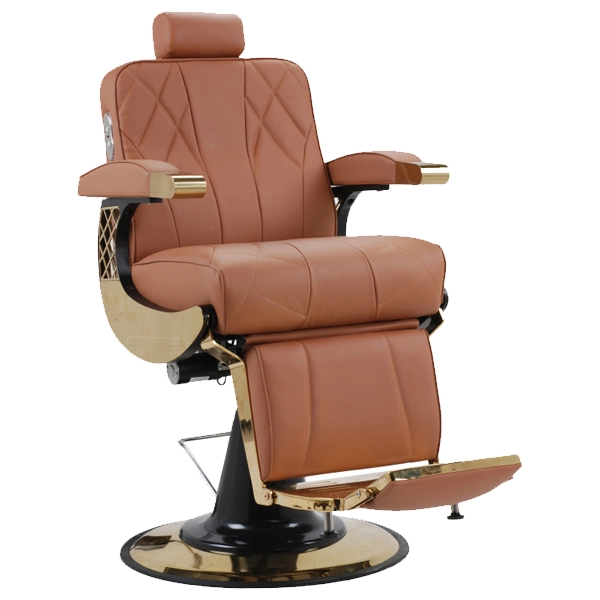
Electrical Barber Chair 8085
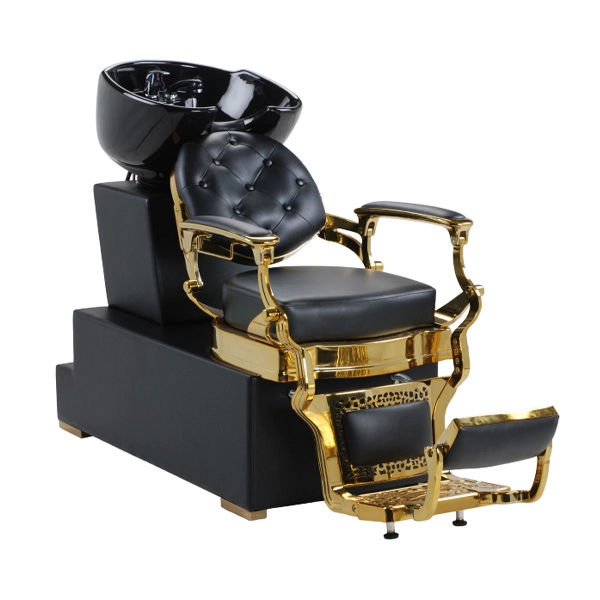
Hair Wash Station 2398
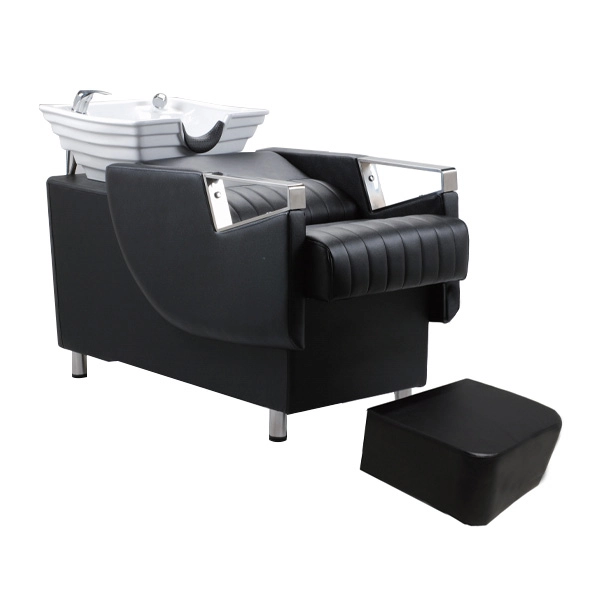
Hair washing bed 2378
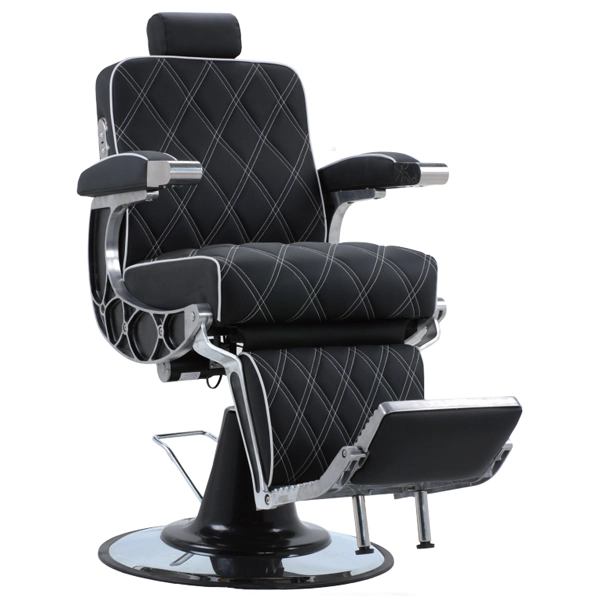
Electrical Barber Chair 8086
Hair washing bed 2319
Discuss Your Project with Expert Salon Furniture Manufacturers
Tell us what you need — we’ll get back to you with a fast quote and personalized OEM/ODM support.