
what are the best compact barber chairs for small spaces? | Insights by Senkelly
What Are the Best Compact Barber Chairs for Small Spaces? 6 Detailed Buyer Questions Answered
Compact, space-saving barber chairs are a critical purchase for micro-salons, pop-up shops, home-based barbers, and multi-use studios. Below are six specific, beginner-focused questions that often have incomplete answers online — each followed by an industry-grounded, actionable answer that salon owners and procurement managers can use when talking with salon furniture manufacturers.
1) What exact chair footprint and clearance measurements should I prioritize for a 50–80 sq ft barbershop to maintain comfort and flow?
Answer:
- Target chair footprint: For true space efficiency, specify a chair with a base diameter or footprint of 22–28 inches (55–70 cm). Seat width should be 18–20 inches (45–50 cm) to remain comfortable for most adults while minimizing lateral space.
- Backrest and recline clearance: Compact chairs still need recline room. Allow 30–36 inches (75–90 cm) of clearance behind the chair when placed against a wall if you expect to use the recline function frequently. In walk-around layouts (island stations), keep a 36–42 inch (90–105 cm) working perimeter around the chair for the stylist and client.
- Station placement: For small salons, align chairs along a single wall or stagger them to create 48–60 inches (120–150 cm) between centers for customer circulation. This keeps total utilization efficient in 50–80 sq ft spaces.
- Why these numbers: Many compact models from established manufacturers are engineered within the footprint range above to balance stability and space savings. Insist on manufacturer-provided dimension sheets (CAD or PDF) before ordering so your floor plan reflects the exact chair footprint and recline envelope.
2) Which hydraulic pump types and base designs provide commercial durability while maintaining a narrow footprint?
Answer:
- Pump type: Commercial salon chairs typically use single-acting hydraulic pumps rated for continuous commercial use. For higher durability, ask for pumps with heat-treated cylinders and replaceable seals. Manufacturers sometimes offer upgraded pumps with higher cycle ratings and corrosion-resistant finishes.
- Base design: A narrow-diameter circular base (22–26 inches) with a reinforced steel plate or heavy-gauge cast iron subframe gives the best balance of small footprint and lateral stability. Avoid thin pedestal-only designs without a wide reinforcement plate for high-use commercial settings.
- Load capacity: Require a minimum rated load capacity of 300–350 lbs (136–159 kg) for commercial chairs; many High Quality chairs rate 400–450 lbs. Confirm rated capacity on manufacturer spec sheets.
- Serviceability: Confirm that the pump is replaceable without full chair replacement and ask about parts availability. Hydraulic pumps are wear items; a vendor who supplies a spare pump or sells rebuild kits reduces lifetime cost.
3) How can I verify upholstery durability and infection-control suitability for compact chairs used in high-turnover, small salons?
Answer:
- Material choice: Commercial-grade PVC/vinyl with PU coatings (medical-grade or commercial vinyl) is the common balance of cleanability and cost. For High Quality shops, top-grain leather or high-quality PU leather adds longevity but can complicate disinfection.
- Cleanability & standards: Ask for upholstery rated for hospital-grade disinfectants or reference the fabric supplier’s chemical-resistance chart. Vinyls used in salon furniture are often tested for resistance to bleach solutions and alcohol-based cleaners—request this test data from manufacturers.
- Foam & seams: High-resilience (HR) foam with a density around 2.5–3.5 lb/ft3 supports daily use without rapid collapse. Look for double-stitched seams with welded corners in high-wear areas to prevent seam failure during frequent cleaning.
- Antimicrobial finishes: Some commercial vinyls have antimicrobial coatings; these reduce bacterial buildup but are supplementary to correct cleaning protocols. Ask vendors for product data sheets (PDS) showing antimicrobial test results if this is important for your operation.
4) Are modular, foldable, or removable-back compact barber chairs actually practical for saving space on alternating-station floorplans?
Answer:
- Practical trade-offs: Modular chairs with removable armrests/backs or quick-disconnect headrests save space in storage and make transport easier. However, modular features can add mechanical joints that may need more frequent inspection and maintenance under heavy daily use.
- Foldable/portable chairs: True foldable barber chairs exist (often for mobile barbers), but most are designed for portability rather than continuous salon-floor use. If you plan to fold/stack daily, choose chairs with robust locking mechanisms and confirm their rated lifecycle from the manufacturer.
- Recommended use-cases: Use modular or removable-back chairs where you need to reconfigure the floor (e.g., a multi-functional studio that hosts waxing, barbering, and events). For fixed, high-volume stations, a fixed compact commercial barber chair will usually last longer with lower maintenance needs.
- Manufacturer customization: Reputable salon furniture manufacturers often offer paring options (removable armrests, smaller headrests). Ask for sample units or a demo to validate ease-of-conversion and durability before bulk purchase.
5) What are realistic lead times, minimum order quantities (MOQs), and customization costs from salon furniture manufacturers when ordering compact chairs?
Answer:
- Typical lead times: For stock compact barber chairs from established manufacturers, lead times commonly run 2–6 weeks depending on warehouse location and shipping method. Custom upholstery, color matching, or special finishes commonly extend lead times to 8–16 weeks.
- MOQs and pricing tiers: Many manufacturers will sell single samples or low-quantity orders to small salons; however, price-per-unit drops with larger orders (10+, 25+). For private-label customization (logo, special upholstery), MOQs often start at 10–25 units. Always request a written MOQ schedule from the manufacturer.
- Customization costs: Expect 10–30% price High Qualitys for custom upholstery, specialty foams, or custom-base finishes. Complex metalwork or integrated electrics will raise per-unit costs further. Ask for an itemized quote that separates base model, upholstery upgrade, and labor for transparency.
- Logistics: For international manufacturers, factor in import lead times, customs clearance, and any required certifications (CE for EU, other local standards). Request a full landed-cost estimate (chairs, freight, customs duties, delivery) before finalizing the order.
6) How should I balance upfront cost vs. long-term durability — which warranty terms, spare parts, and service agreements should I insist on?
Answer:
- Warranties to demand: Insist on at least a 1–3 year commercial warranty on structural frame and moving parts. Hydraulic pumps should carry a minimum 1-year warranty but aim for 2 years if available. Upholstery warranties typically cover manufacturing defects for 1 year; wear-and-cleaning damage is usually excluded.
- Spare-parts availability: Verify lead times for critical spare parts (hydraulic pump, base assembly, footrest, upholstery kits). Ask manufacturers to provide a spare-parts price list and an estimate of how long they keep parts available for a given model (5–10 years is common from established suppliers).
- Service and maintenance agreements: For multi-station or high-throughput salons, negotiate a service agreement that includes periodic checks and discounted parts/labor. Some manufacturers or regional distributors offer on-site servicing or authorized repair partners.
- Total cost of ownership (TCO): Evaluate chairs over a 5-year TCO horizon: factor in initial price, expected repair/parts cost, downtime for repairs (lost revenue), and upholstery replacement. Cheaper chairs with limited warranties can cost more over 3–5 years if pumps or frames need replacement frequently.
Concluding summary: Compact, space-efficient barber chairs that perform in small salons are those that balance a narrow footprint (22–28 in base), a robust commercial hydraulic system, cleanable commercial-grade upholstery, and serviceable parts with clear warranty terms. Prioritize manufacturer spec sheets, measurable upholstery and pump data, and confirmed spare-parts availability when choosing. Compact models save floor space without sacrificing commercial durability when you choose proven base designs and insist on replaceable pumps and documented material performance.
If you need a tailored recommendation or a formal quote for compact, commercial-grade barber chairs, contact us for a quote — www.senkelly.com or jinhechair@outlook.com.
- 1) What exact chair footprint and clearance measurements should I prioritize for a 50–80 sq ft barbershop to maintain comfort and flow?
- 2) Which hydraulic pump types and base designs provide commercial durability while maintaining a narrow footprint?
- 3) How can I verify upholstery durability and infection-control suitability for compact chairs used in high-turnover, small salons?
- 4) Are modular, foldable, or removable-back compact barber chairs actually practical for saving space on alternating-station floorplans?
- 5) What are realistic lead times, minimum order quantities (MOQs), and customization costs from salon furniture manufacturers when ordering compact chairs?
- 6) How should I balance upfront cost vs. long-term durability — which warranty terms, spare parts, and service agreements should I insist on?
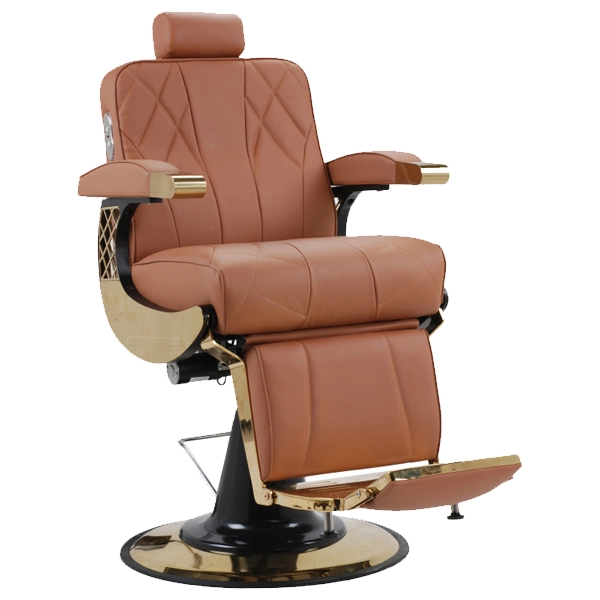
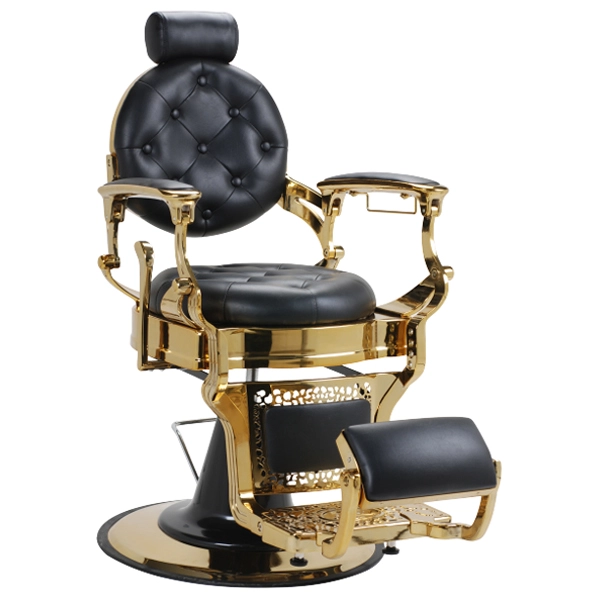
Electrical Barber Chair 8085
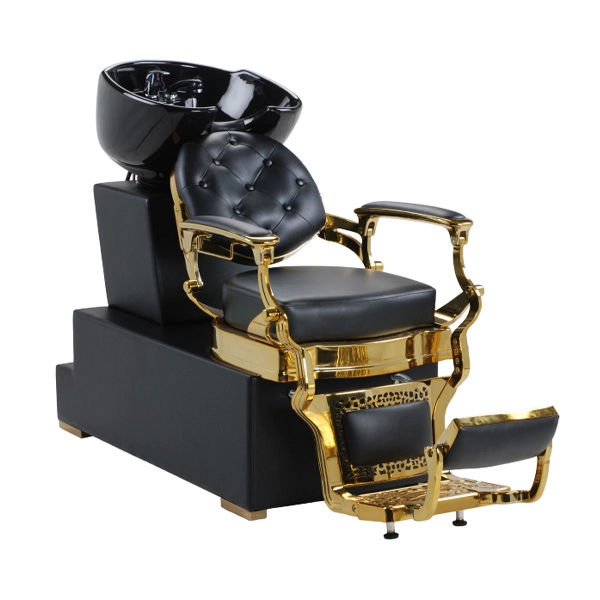
Hair Wash Station 2398
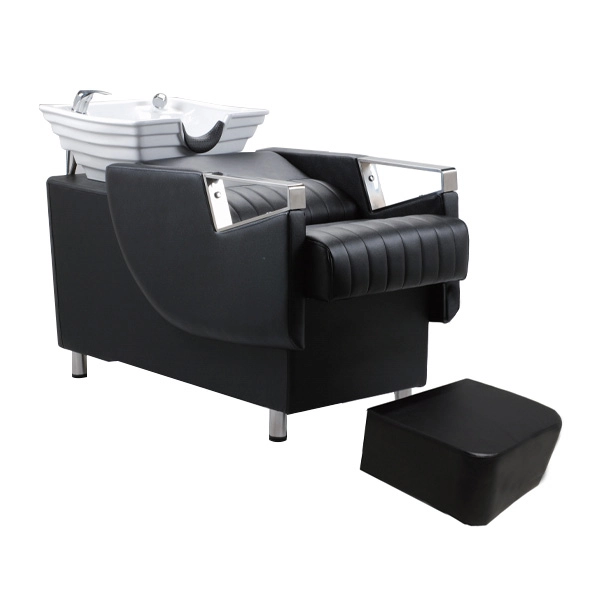
Hair washing bed 2378
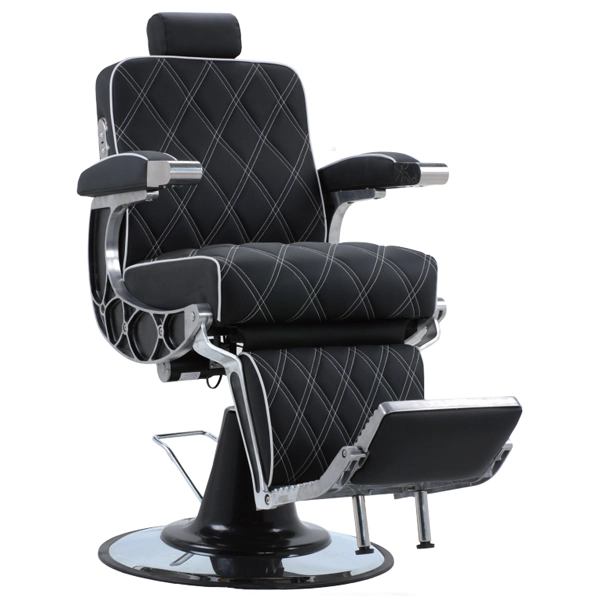
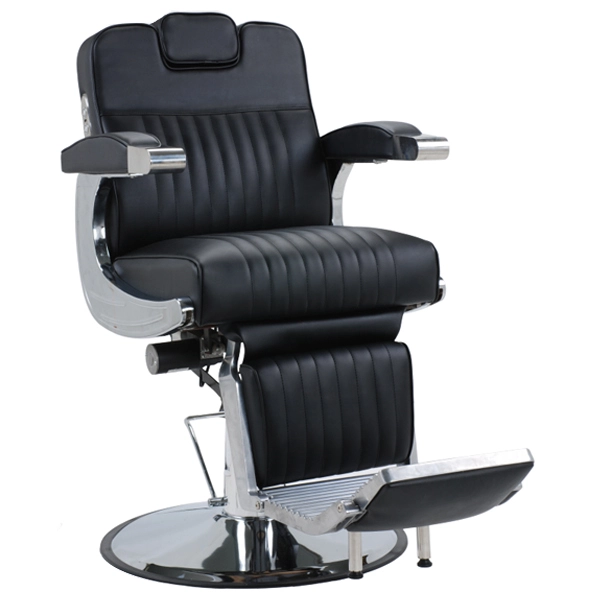
Electrical Barber Chair 8086
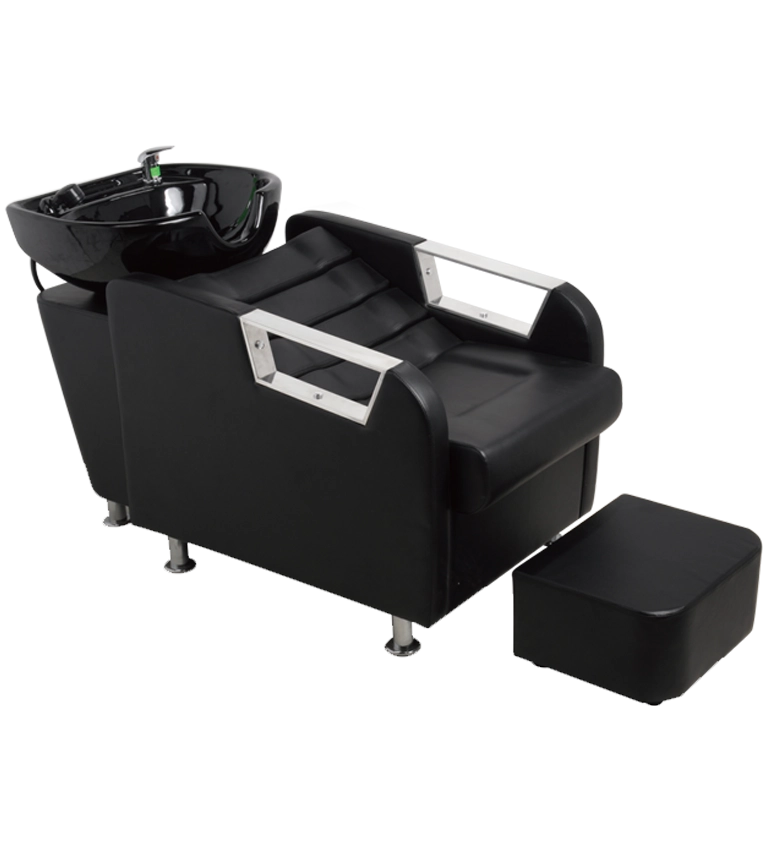
Hair washing bed 2319
Discuss Your Project with Expert Salon Furniture Manufacturers
Tell us what you need — we’ll get back to you with a fast quote and personalized OEM/ODM support.