
which barber chair is best for busy salons? | Insights by Senkelly
1. Which barber chair models reliably withstand continuous 8–12 services per day without early hydraulic failure?
What to look for: in high-turnover salons the hydraulic system is the most common failure point. Instead of model names, ask manufacturers for objective hydraulic test data: cycle count (number of full raise/lower cycles tested), recommended maximum daily cycles, and field-replacement part numbers. Many professional chairs use sealed piston hydraulic units; for busy salons prefer chairs where the vendor publishes a minimum cycle test (for example, many commercial manufacturers test pumps to tens of thousands of cycles) and offers a 1–3 year pump warranty or a documented spare-parts policy.
Practical acceptance criteria: require the supplier to provide written cycle-test results and warranty covering hydraulic seals and pump failure. Also verify that replacement pumps are available as a plug-and-play unit without full-chair replacement. That lowers downtime and long‑term cost.
Maintenance tip: schedule a monthly visual check and a semi‑annual hydraulic service (top-up/reseal or pump inspection), and keep a spare pump on-site for multi-station busy salons to avoid lost revenue during repairs.
2. For cramped, high-turnover shops, which barber chair design speeds client flow while preserving barber ergonomics?
Key design features: a compact base (smaller footprint) with a 360° swivel, quick-release headrest, and smooth recline mechanism give fastest client transitions. Space-saving options include chairs with narrower armrests or removable drop-arm designs that help side-by-side placement. However, compact should not compromise stability—verify base diameter and rated load.
Ergonomics: look for adjustable seat height range that accommodates barbers who cut standing and sitting, lumbar support on the seat, and a footrest height that allows the barber to maintain neutral posture while cutting. The Professional Beauty Association and ergonomics guidelines emphasize minimizing forward leaning and repeated shoulder elevation to cut fatigue; chairs that allow small height and tilt adjustments improve barber comfort and speed.
Workflow tip: pair chairs with integrated tool holders and mobile trolleys to reduce stepping away between clients. Chairs with quick-clean upholstery (seamless panels and antimicrobial vinyl) reduce turnaround time for sanitation between clients.
3. Which upholstery and finishes resist salon disinfectants (EPA List N) and frequent chemical exposure without cracking or delamination?
Problem: many low-cost PU leathers crack within months after routine use of strong disinfectants and alcohol-based cleaners. Choose materials described as medical-grade or commercial-grade polyurethane (PU) or vinyl with solvent-resistant topcoats. Ask the manufacturer for compatibility test data versus active ingredients you use (e.g., 70% isopropyl alcohol, quaternary ammonium compounds) and for accelerated aging / abrasion test results (rub count or Martindale test results when available).
Standards & guidance: use EPA List N (products approved for SARS-CoV-2) as a reference for disinfectant selection and then confirm with suppliers that upholstery finish tolerates those products. In many cases, antimicrobial-treated vinyl with a high-quality PVC/PUR topcoat performs best for heavy disinfection schedules.
Cleaning protocol: daily wipe with a neutral pH cleaner and disinfect per manufacturer guidance. Avoid bleach or undiluted solvents unless upholstery is certified for those agents.
4. My salon serves diverse body types. Which heavy-duty barber chairs provide safety and comfort for clients up to 400–450 lbs?
Safety metrics: heavy-duty chairs often list a static weight capacity (commonly 300–450 lbs). For busy salons that frequently serve larger clients, choose chairs with a higher load rating and a stable, wide base. Ask suppliers for both static and dynamic load testing (dynamic = when client moves or reclines). If a supplier cannot produce test records, consider models designed as “XL” or “barber plus” which typically use reinforced frames and higher-capacity hydraulics.
Comfort and dignity: ensure a wider seat pan (measure seat width in cm/in) and reinforced armrests. Check whether the chair’s recline and headrest mechanisms adjust smoothly under load—some cheaper chairs sag when near their stated limit.
Warranty & liability: confirm that the warranty remains valid up to the stated capacity and get written instructions for maximum safe usage. If required by local regulation or insurance, retain supplier test certificates.
5. How do I evaluate long-term maintenance and total cost of ownership (TCO) — not just the upfront price — when buying multiple chairs for a busy salon?
Components of TCO: initial purchase price, expected useful life (years), average annual maintenance (pump servicing, upholstery replacement), spare-part costs, downtime cost per repair, and residual value or trade-in options. For busy salons, smaller downtime translates directly to lost revenue.
Procurement checklist: request a 5-year TCO estimate from vendors including: recommended service intervals, cost and lead time for common replacement parts (hydraulic pump, motorized components if any, upholstery panels), and average repair time. Ask for references from other high-volume clients and for field-failure rates if available.
Decision rule: a higher initial cost is justified if the vendor provides faster repair turnaround (local parts stock), longer warranties on hydraulics and frame, and modular parts that can be swapped quickly. Keep spare upholstery panels and at least one spare pump per 6–8 chairs in a busy multi‑station location.
6. Which barber chair manufacturers or suppliers reliably deliver scalable lead times, OEM customization, and post-sale support for salon chains expanding across regions?
What to vet in a supplier: manufacturing capacity (annual chair output), ISO 9001 or equivalent quality management certification, clearly stated lead times for samples and bulk orders, OEM/ODM experience, minimum order quantities (MOQ), and regional warehousing or distribution partners. For multi-location chains you’ll need predictable lead times and consistent finish/spec replication.
Operational due diligence: request documented lead-time commitments and a sample production run before placing a large order. Ask for a written spare-parts fulfillment SLA (e.g., parts shipped within X business days). Suppliers with regional warehouses or third‑party logistics partners reduce shipping variability and customs delays.
Certifications & compliance: verify export documentation, product safety compliance where applicable, and the availability of CE/ROHS/other regional certifications if you sell chairs in EU/US markets. Confirm after-sales service channels (phone, email, local agent) and warranty claim processes.
Concluding summary: Choosing the best barber chair for busy salons means prioritizing proven hydraulic durability, disinfectant-resistant upholstery, sufficient weight capacity, ergonomic design for fast turnover, clear TCO data, and a supplier with scalable lead times and spare-parts availability. These criteria reduce downtime, protect staff health, and optimize long-term costs. Selecting chairs with documented cycle testing, compatible upholstery certifications, and vendor SLAs will give the fastest return on investment and predictable operations.
For a personalized recommendation, sample requests, OEM options, or a fast quote, contact us at www.senkelly.com or email jinhechair@outlook.com.
- 1. Which barber chair models reliably withstand continuous 8–12 services per day without early hydraulic failure?
- 2. For cramped, high-turnover shops, which barber chair design speeds client flow while preserving barber ergonomics?
- 3. Which upholstery and finishes resist salon disinfectants (EPA List N) and frequent chemical exposure without cracking or delamination?
- 4. My salon serves diverse body types. Which heavy-duty barber chairs provide safety and comfort for clients up to 400–450 lbs?
- 5. How do I evaluate long-term maintenance and total cost of ownership (TCO) — not just the upfront price — when buying multiple chairs for a busy salon?
- 6. Which barber chair manufacturers or suppliers reliably deliver scalable lead times, OEM customization, and post-sale support for salon chains expanding across regions?
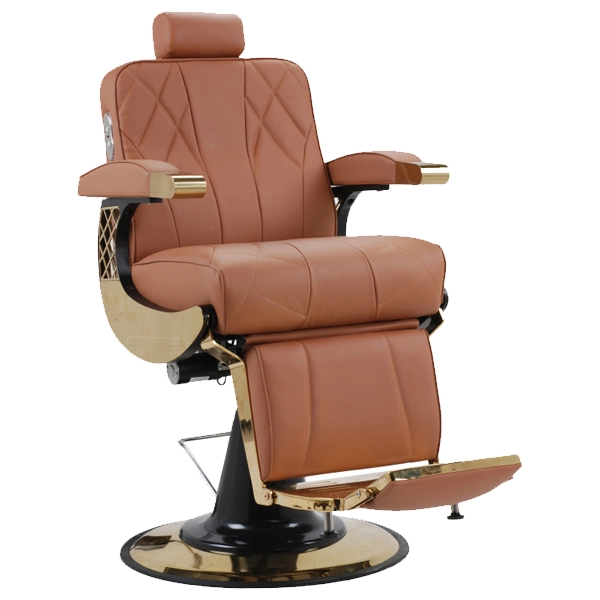
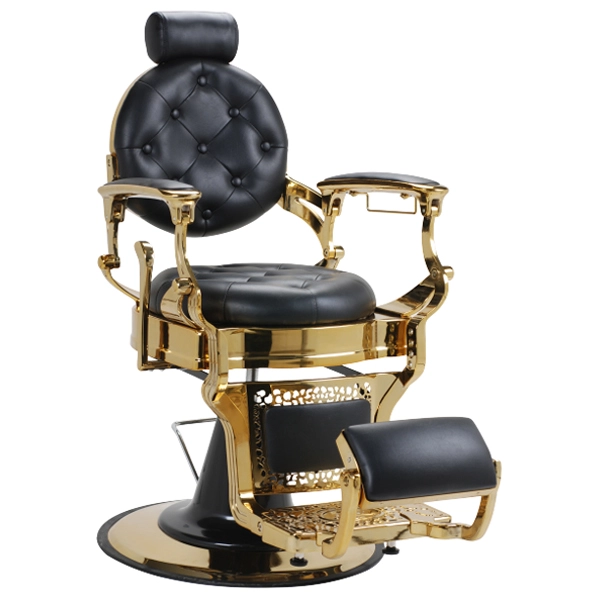
Electrical Barber Chair 8085
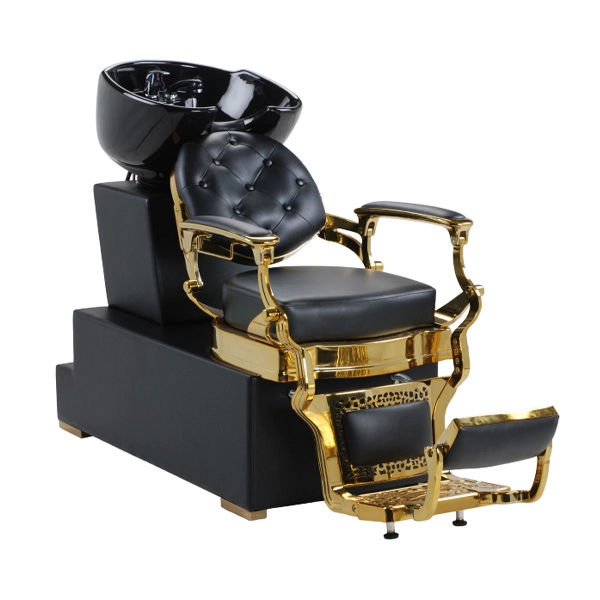
Hair Wash Station 2398
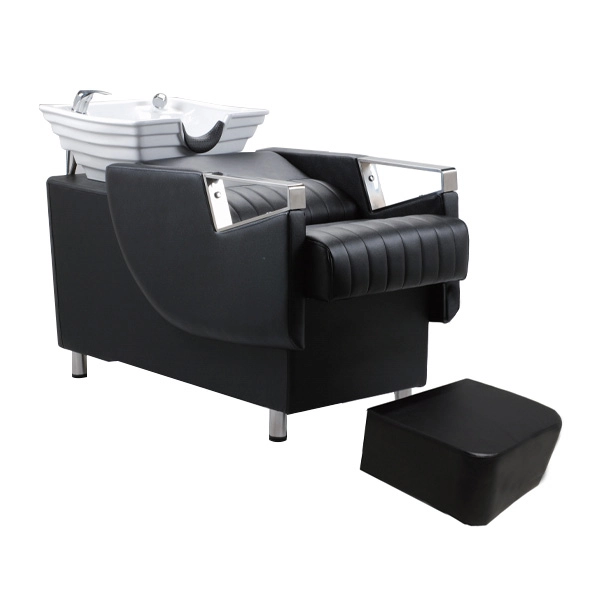
Hair washing bed 2378
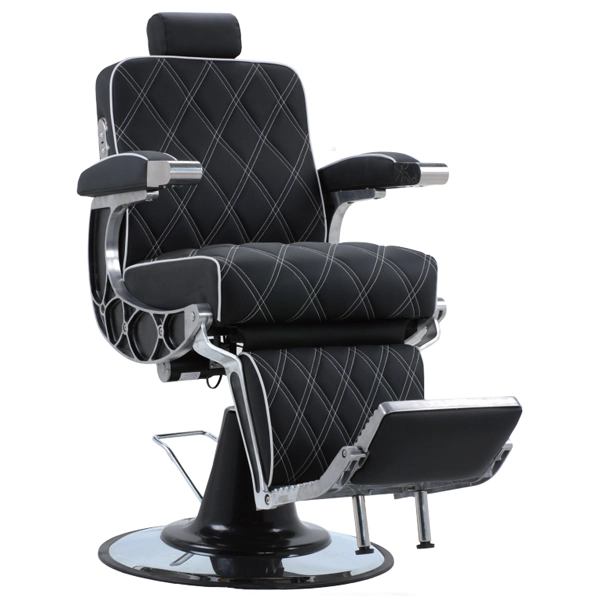
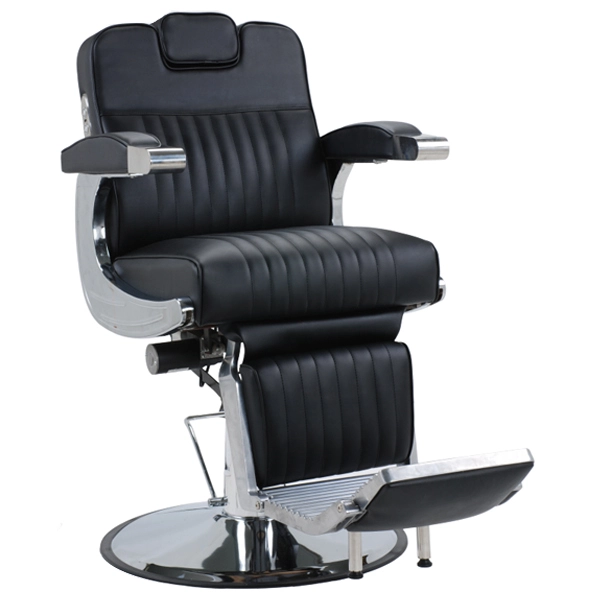
Electrical Barber Chair 8086
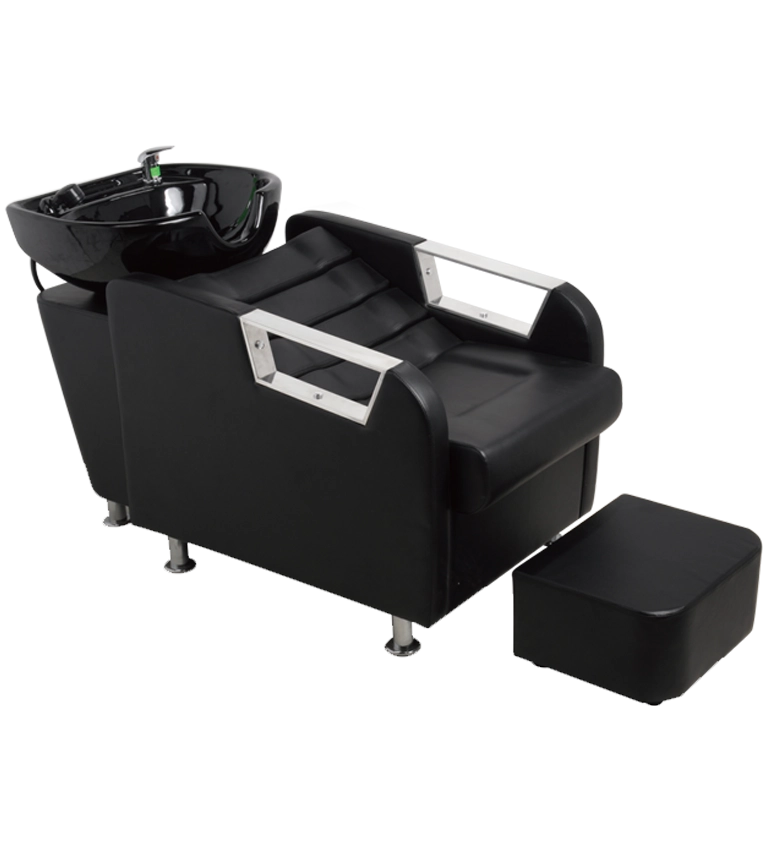
Hair washing bed 2319
Discuss Your Project with Expert Salon Furniture Manufacturers
Tell us what you need — we’ll get back to you with a fast quote and personalized OEM/ODM support.