
can barber chairs be customized or oem ordered? | Insights by Senkelly
As a salon furniture manufacturer and OEM partner, SenKelly helps salons and chains understand how barber chairs can be customized or OEM ordered to meet brand, ergonomic and regulatory needs. This guide answers six specific, often-missed buyer questions and embeds practical procurement, technical and quality-control advice for customizing barber chairs, bespoke salon furniture and OEM orders.
1. Can barber chairs be fully customized (dimensions, upholstery, hydraulic height) and what are the real cost drivers?
Yes — barber chairs can be customized across dimensions, upholstery, finishes, hydraulic and recline specifications, armrests, footrests, headrests and branding (embroidered or metal logos). However, fully customized has incremental cost drivers you must budget for:
- Design-engineering time: Custom frame geometry, unusual dimensions, or integrated electronics require CAD revisions and possibly structural analysis—chargeable by hours or fixed design fees.
- Tooling and molds: If your design requires unique plastic or metal castings, expect a one-time tooling/mold fee (commonly hundreds to a few thousand USD depending on complexity); simple trim pieces cost less than full-shell molds.
- Hardware and components: Upgraded hydraulic pumps, European bearings, or branded recline mechanisms increase unit cost. Replacing generic pumps with High Quality units may add 15–35% to component cost but improves durability and warranty claims.
- Upholstery choices and finishing: Genuine leather or high-end PU/vinyl, fire-retardant foams, double-stitched seams, and antimicrobial coatings raise costs. Specialty dye or two-tone work also adds labor costs.
- Small-batch High Quality: Low-volume bespoke runs carry higher per-unit labor and setup cost versus production runs due to inefficiencies.
Recommendation: Prioritize which custom elements drive customer value (branding, comfort, durability) and standardize the rest to control costs. Ask suppliers for a line-item cost breakdown (design fees, tooling, unit cost at multiple MOQs) so you can make informed trade-offs.
2. What is a realistic MOQ and sample policy for OEM barber chairs with custom branding or logos?
Minimum order quantities (MOQs) vary by factory and complexity. Typical industry practice:
- Simple color/finish changes with standard components: MOQs as low as 10–50 units.
- Custom upholstery patterns or small trim molds: MOQs commonly 50–200 units.
- New-tooling or unique structural components: MOQs often 100–500 units to justify tooling and process setup.
Sample policy: Reputable manufacturers will produce a functional sample (paid) before full production. Expect:
- Sample cost: Often the unit price plus a sample fee to cover bespoke materials and labor. Many suppliers credit sample cost against the first production order if you proceed.
- Lead time for sample: Typically 2–4 weeks for upholstery/fittings; longer (4–8+ weeks) if new molds or custom parts are required.
Negotiation tips: Ask for a graduated MOQ schedule (unit price declines at 50, 100, 200 units) and request sample-credit terms. Confirm whether branding (embroidered cushions, metal plates) is included in the sample or charged extra.
3. How long does it take to OEM-order customized barber chairs from design approval to delivery, and how do I avoid common delays?
Lead times depend on complexity and current factory workload. Typical timelines:
- Design & approval: 1–3 weeks for minor customizations; 3–8+ weeks for new engineering and multiple revisions.
- Sampling: 2–6 weeks depending on parts and whether molds are needed.
- Mass production: 45–90 days after sample approval for standard production runs; could be longer during peak seasons (holiday/seasonal demand) or with complex orders.
To avoid delays:
- Lock design scope early and use clear acceptance criteria (photos, dimension drawings, material specs).
- Require staged approvals: conceptual, prototype, pre-production sample and pre-shipment inspection (PSI).
- Account for shipping and customs: sea freight adds 3–6 weeks depending on origin/destination; arrange documentation early for CE/UL or import paperwork.
- Include buffer time in contracts (e.g., 10–20% contingency) for supply chain disruptions (components like pumps or foam often cause bottlenecks).
4. What certifications, safety tests and warranty terms should I insist on when OEM ordering barber chairs to reduce liability?
Insist on verifiable certifications and documented tests that match your market requirements:
- Quality management: ISO 9001 audit reports demonstrate consistent manufacturing processes.
- Product safety: CE marking for the EU market; UL listings or equivalent for any electrical components in North American markets.
- Materials & flame retardancy: Where applicable, request documentation proving upholstery and foam meet regional flammability standards (e.g., US California TB117-2013 alternatives or local equivalents).
- Load and durability testing: Ask for structural test reports (frame weld strength, seat load tests, cycle tests on hydraulic pumps and recline mechanisms). Specify an expected rating (for example, many commercial chairs are tested to industry-accepted load cycles and static loads; require the supplier's test protocol and results).
- Warranty & spare parts: Standard warranties for commercial salon furniture typically range from 12–36 months for structural components, 6–12 months for upholstery and hydraulics. Secure spare-parts commitments for at least 2–5 years.
Documentation request: Always obtain scanned certificates, dated test reports and a warranty clause in the purchase contract. If certifications are critical to compliance in your market, appoint a third party or an independent lab to verify prior to shipment.
5. How do tooling fees, intellectual property (IP) and ownership work when I request proprietary barber chair components or a unique design?
Tooling and IP must be contractually handled to avoid disputes:
- Tooling fees: One-time fees to create molds or press tools should be listed separately in the quote. Suppliers may amortize tooling across MOQ levels or ask for full payment up front. Request ownership terms in writing.
- IP ownership: Clarify whether tooling and design files remain the supplier's property or will be transferred to you after payment. For true proprietary products, negotiate for ownership of CAD files and molds, or secure exclusive production rights for a defined period or territory.
- Non-compete and confidentiality: Include NDAs and IP clauses to prevent the factory from copying your unique design and selling it to other customers. Be aware that enforcement across borders can be complex—use clear contractual remedies and choose reputable partners.
- Reverse engineering: If you provide samples for replication, define permitted use and require return or destruction of those samples and related tooling after the project if needed.
Practical advice: If you cannot buy tooling outright, ask the supplier to amortize tooling costs into unit price with a defined payback (e.g., tooling cost recovered over first 300 units). Engage legal counsel for IP clauses on larger investments.
6. What production and QC checks should I specify (materials, hydraulic pump, frame strength, upholstery) to ensure consistent quality at scale?
Specify a quality control plan with measurable checkpoints and accepted tolerances. Key QC items for barber chairs include:
- Incoming materials inspection: Validate leather/PVC/PU batches for colorfastness, thickness and abrasion resistance; verify foam density and resilience.
- Structural integrity: Check weld quality, frame alignment, paint/coating thickness and corrosion protection. Request photographs of welds and non-destructive test (NDT) records for critical frames if required.
- Hydraulic and mechanical tests: Perform multi-cycle load testing on hydraulic pumps, recline mechanisms and swivel bases. Ask for sample cycle-test reports and failure-rate targets.
- Upholstery finish: Inspect stitching, seam placement, piping, and attachment points for cushions. Confirm color matching with Pantone/sample swatches and check for seam slippage under load.
- Functional tests: Seat lift/lower cycles, recline smoothness, headrest adjustments and footrest engagement tests on production samples (e.g., every Xth unit or by lot).
- Pre-shipment inspection (PSI): Employ a 3rd-party inspection (SGS, Bureau Veritas, Intertek or local equivalent) to verify carton content, protective packaging, and random functional testing (sampling AQL thresholds per ISO 2859-1 if required).
Quality sampling and acceptance: Define AQL levels and acceptance criteria in the purchase contract. For critical safety items, tighten sampling or require 100% inspection. Require photographic records for each QC checkpoint and agree on corrective action timelines for defects detected during PSI.
Finally, ensure logistics are specified: export-grade wooden crates or palletized cartons, labeling, and agreed Incoterms (FOB, CIF, DDP). Packaging defects are a common cause of damage claims—specify inner protection for hydraulic pumps and chrome parts.
Conclusion — Advantages of ordering custom or OEM barber chairs
Ordering custom or OEM barber chairs delivers measurable advantages: differentiates your salon brand through bespoke aesthetics and ergonomics; improves client comfort and loyalty via tailored ergonomics; lets you control component quality and spare parts availability; and—if scaled correctly—improves margins through optimized BOMs and production runs. By negotiating tooling amortization, demanding clear certifications and specifying robust QC (materials, hydraulic performance, structural tests), you reduce risk and maximize long-term value.
For detailed quotes, sample policies, MOQ tiers or to start a custom project, contact us for a quote at www.senkelly.com or email jinhechair@outlook.com.
- 1. Can barber chairs be fully customized (dimensions, upholstery, hydraulic height) and what are the real cost drivers?
- 2. What is a realistic MOQ and sample policy for OEM barber chairs with custom branding or logos?
- 3. How long does it take to OEM-order customized barber chairs from design approval to delivery, and how do I avoid common delays?
- 4. What certifications, safety tests and warranty terms should I insist on when OEM ordering barber chairs to reduce liability?
- 5. How do tooling fees, intellectual property (IP) and ownership work when I request proprietary barber chair components or a unique design?
- 6. What production and QC checks should I specify (materials, hydraulic pump, frame strength, upholstery) to ensure consistent quality at scale?
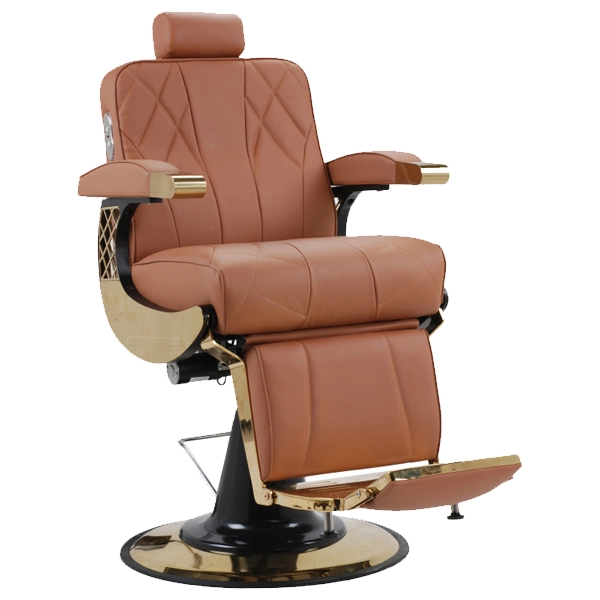
Electrical Barber Chair 8085
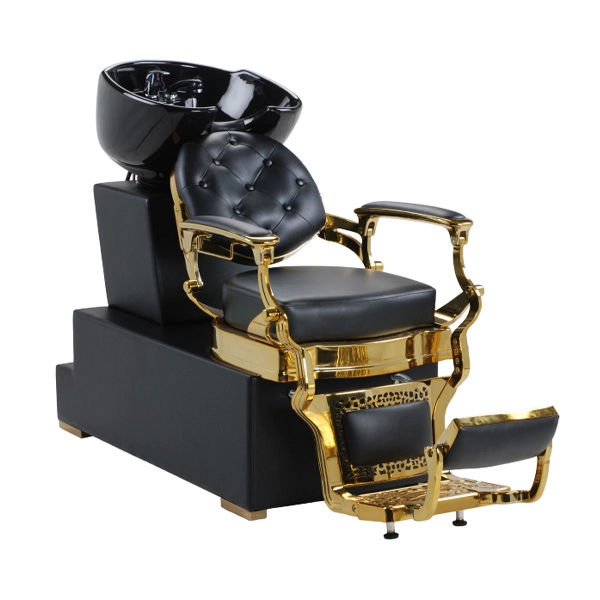
Hair Wash Station 2398
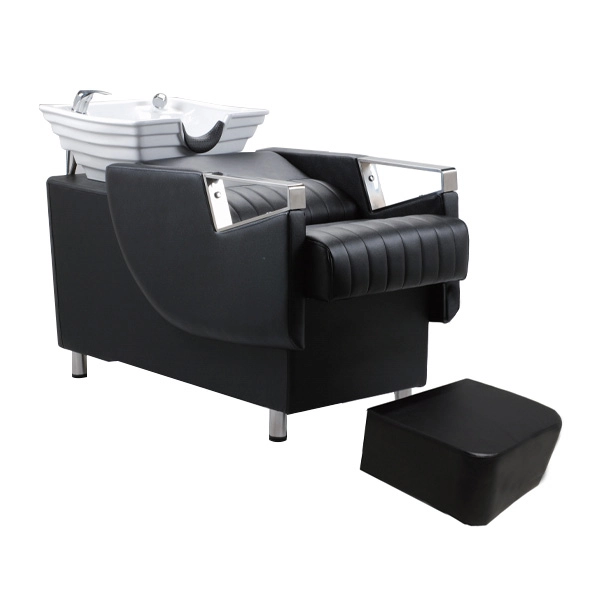
Hair washing bed 2378
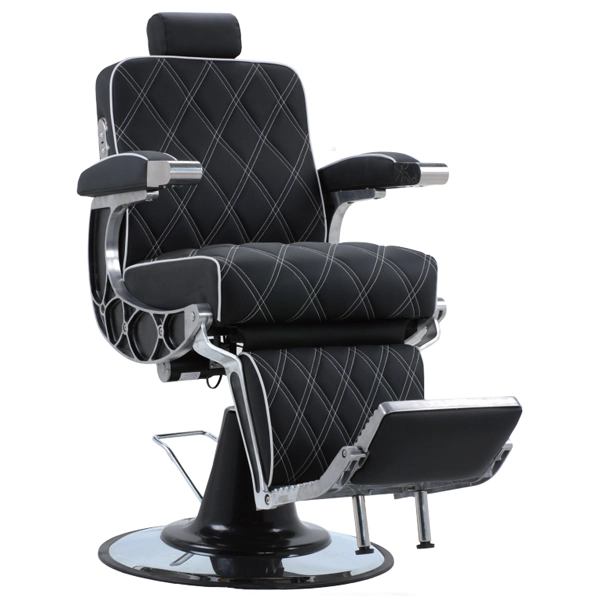
Electrical Barber Chair 8086
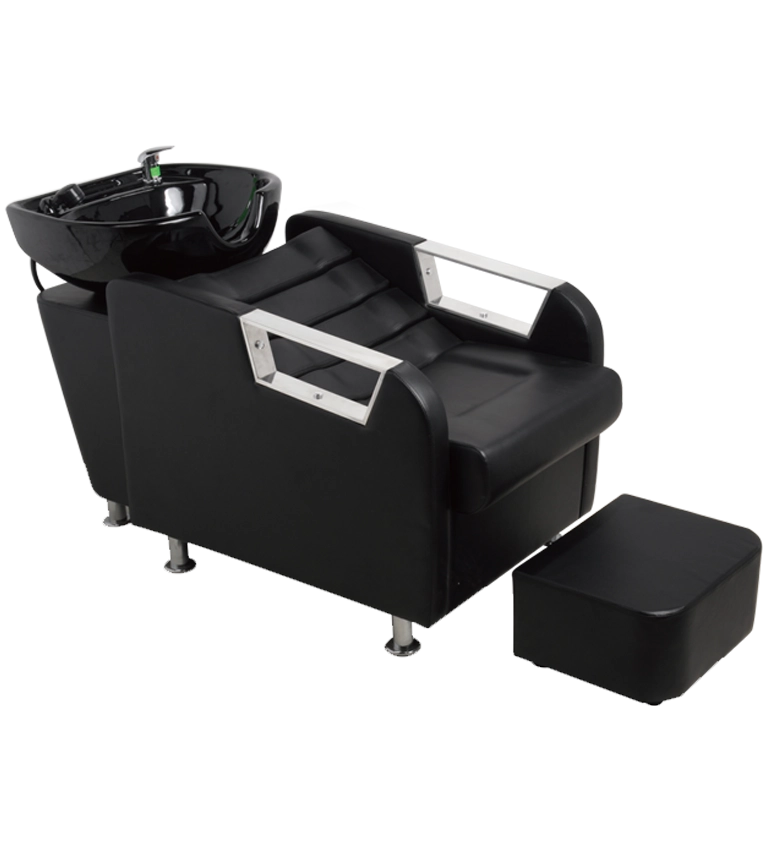
Hair washing bed 2319
Discuss Your Project with Expert Salon Furniture Manufacturers
Tell us what you need — we’ll get back to you with a fast quote and personalized OEM/ODM support.